If you're looking for a quick answer: the four states traditionally considered the core of the U.S. Southwest are Arizona (capital: Phoenix), New Mexico (capital: Santa Fe), Texas (capital: Austin), and Oklahoma (capital: Oklahoma City). But if you stop there, you're missing the whole story. This region isn't just a geography quiz answer; it's a tapestry of ancient cultures, stark landscapes, and modern cities with distinct personalities. Knowing the capitals is one thing. Knowing what makes each one tick, and how to actually experience them, is what separates a casual learner from someone who truly gets the Southwest.
I've spent years road-tripping through these states, and the biggest mistake I see people make is treating them as a monolithic "desert" block. The vibe in Austin is worlds apart from Santa Fe. The practicalities of visiting Phoenix are nothing like exploring Oklahoma City. This guide will give you the facts, then dive deep into the character, hidden spots, and travel realities of each capital city.
Your Quick Southwest Guide
- The Official List: Southwest States & Capitals
- Arizona & Phoenix: The Valley of the Sun
- New Mexico & Santa Fe: The City Different
- Texas & Austin: The Live Music Capital
- Oklahoma & Oklahoma City: The Surprising Crossroads
- How the Southwest Capitals Compare
- Planning Your Southwest Capital Cities Tour
- Your Southwest Capitals Questions Answered
The Official List: Southwest States & Capitals
Let's get the baseline information out of the way. Here are the four southwestern states and their capital cities, confirmed by official state government sources.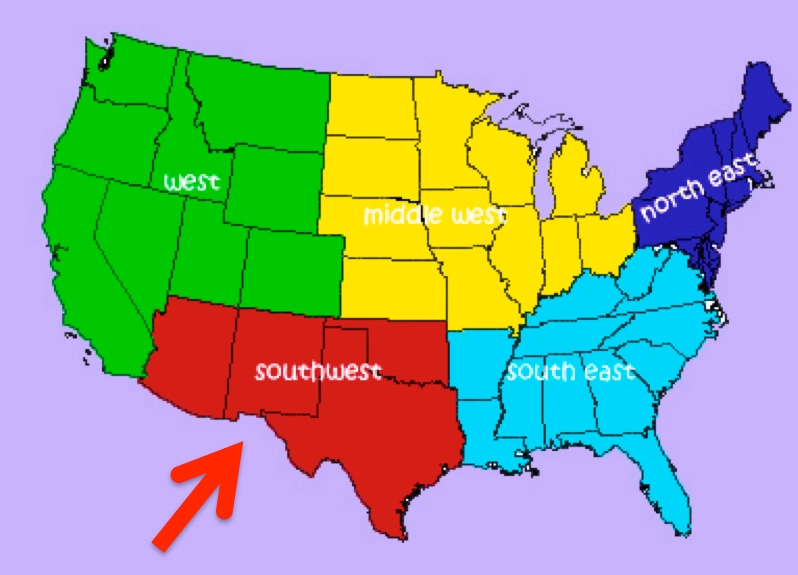
| State | Capital City | Year of Statehood | Fun Fact About the Capital |
|---|---|---|---|
| Arizona | Phoenix | 1912 (48th state) | Phoenix is the most populous state capital in the U.S., with over 1.6 million residents. |
| New Mexico | Santa Fe | 1912 (47th state) | Santa Fe is the oldest state capital in the U.S., founded in 1610. |
| Texas | Austin | 1845 (28th state) | It's home to the largest state capitol building in the U.S., taller than the U.S. Capitol in Washington, D.C. |
| Oklahoma | Oklahoma City | 1907 (46th state) | The city was founded in a single day during the Land Run of 1889, with 10,000 people settling by nightfall. |
Notice something? New Mexico and Arizona joined the Union just weeks apart. Texas has a capitol building that literally tries to outdo the nation's. These aren't random facts; they're clues to each state's identity.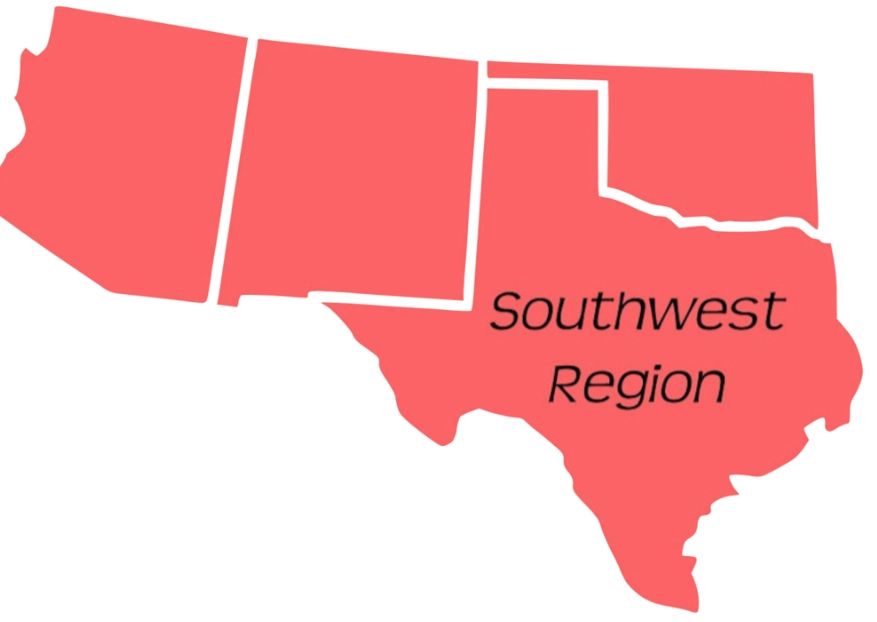
Arizona & Phoenix: The Valley of the Sun
Phoenix is massive, sprawling, and defined by its climate. Everyone knows it's hot. But the key insight most guides miss is that Phoenix is a city of micro-climates and air-conditioned oases. You don't just "go outside"; you plan your movement between cooled spaces.
What Phoenix is Really Like
From October to April, the weather is perfect. From May to September, it's an endurance test. This dictates everything. Hiking at dawn is a local ritual. Patios have misters. The city's incredible museums, like the Musical Instrument Museum (MIM) and the Heard Museum (dedicated to Native American art), are not just culturally significant—they're strategic refuges from the afternoon sun.
My personal must-do? The Desert Botanical Garden at sunset. The heat is fading, the light turns the saguaro cacti golden, and the trails come alive. It's the best argument for why the desert is beautiful, not barren.
New Mexico & Santa Fe: The City Different
Santa Fe feels nothing like the other capitals. At 7,000 feet, surrounded by mountains, its adobe architecture is mandated by city law. This creates a unified, earthy aesthetic that's genuinely unique in America. The vibe is artistic, spiritual, and steeped in a blend of Native American, Spanish, and Anglo cultures.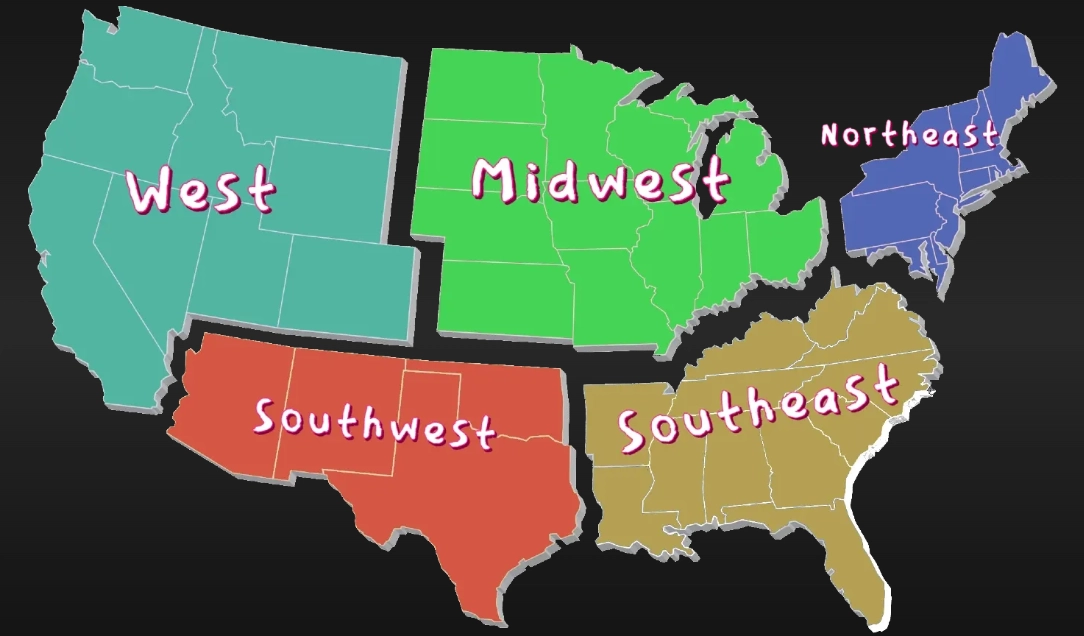
Beyond the Plaza
The historic Plaza is the postcard image. But the real magic is in the Canyon Road art galleries, the smell of piñon wood smoke in the fall, and the local food. Forget generic Mexican—this is New Mexican cuisine, defined by red and green chile. The question "Red or green?" is a serious one. (Answer: "Christmas" for both).
A common mistake is trying to see Santa Fe quickly. It's a slow-burn city. Spend an afternoon at the Georgia O'Keeffe Museum, but also leave time to just wander the side streets. The Santa Fe Tourism Office has excellent self-guided walking tour maps.
Texas & Austin: The Live Music Capital
Austin is the tech-savvy, weird, and energetic outlier. While it's the capital of Texas, it often feels like the least "Texan" city—in a good way. It's progressive, fitness-obsessed, and lives up to its "Live Music Capital of the World" slogan. You can hear music spilling out of bars on Sixth Street any night of the week.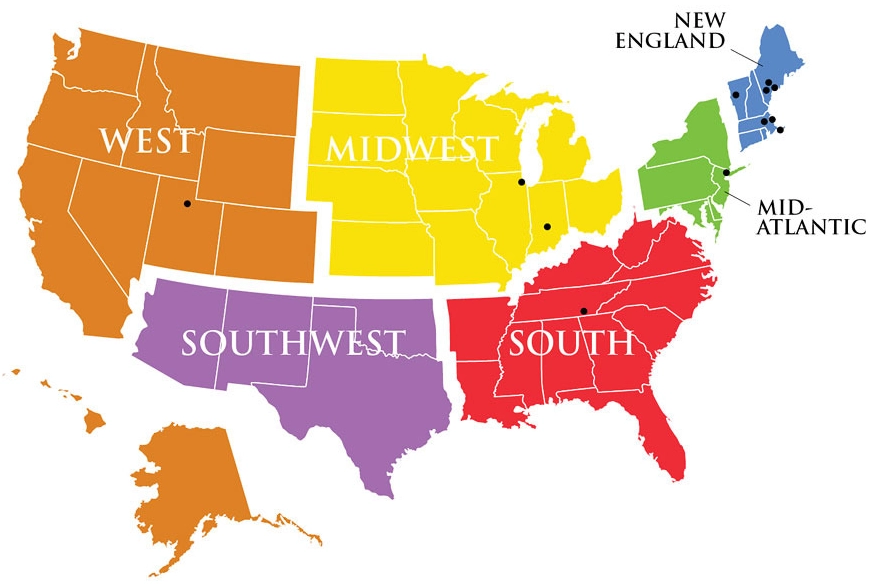
Experiencing Austin Like a Local
Don't just see the Texas State Capitol (though it's impressive). Rent a kayak or paddleboard on Lady Bird Lake, right in the downtown core. The skyline view from the water is unbeatable. For food, skip the chains and head to a food truck park. The barbecue scene is competitive (Franklin Barbecue is famous, but the lines are legendary), but the breakfast tacos are the true daily staple.
Traffic is a genuine headache. The city grew faster than its infrastructure. Plan your stays so you're walking or using scooters in the downtown/SoCo (South Congress) area to avoid the worst of it.
Oklahoma & Oklahoma City: The Surprising Crossroads
Oklahoma City (OKC) is the underdog of the list, and that's what makes it interesting. It's undergone a dramatic renaissance in the last 20 years. The Bricktown entertainment district, the Oklahoma City National Memorial & Museum (a profoundly moving tribute to the 1995 bombing), and the new Scissortail Park have reshaped the city.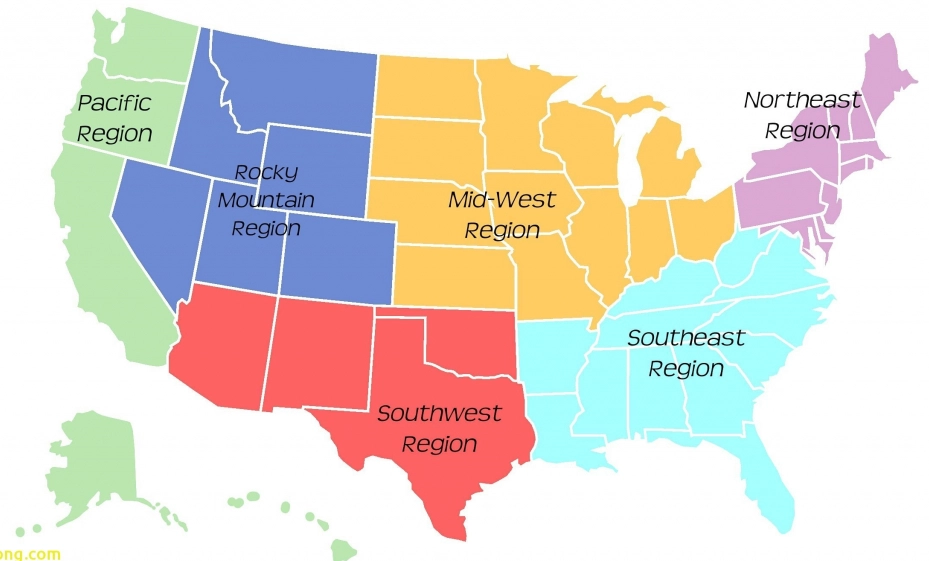
The OKC Energy
This is where the Old West meets new money from energy industries. The National Cowboy & Western Heritage Museum is world-class, not kitsch. For a quirky, local experience, visit the Paseo Arts District or the Factory Obscura immersion experience. Unlike the other capitals, OKC feels more spread out and driving-centric, but its downtown is becoming increasingly walkable.
People are genuinely friendly here. It's not a put-on for tourists; it's just the culture. Expect conversations with strangers.
How the Southwest Capitals Compare
Choosing which capital to visit depends on what you're after. Here’s a blunt breakdown:
For Culture & History: Santa Fe wins, hands down. The concentration of museums, historic sites, and living traditions is unmatched.
For Urban Energy & Nightlife: Austin is the clear choice. The music, food, and youthful vibe are relentless.
For Ease of Access & Major Attractions: Phoenix is a major airline hub and your best base for exploring iconic natural wonders like the Grand Canyon.
For an Under-the-Radar Experience: Oklahoma City offers authenticity without the crowds or pretension of more tourist-heavy cities.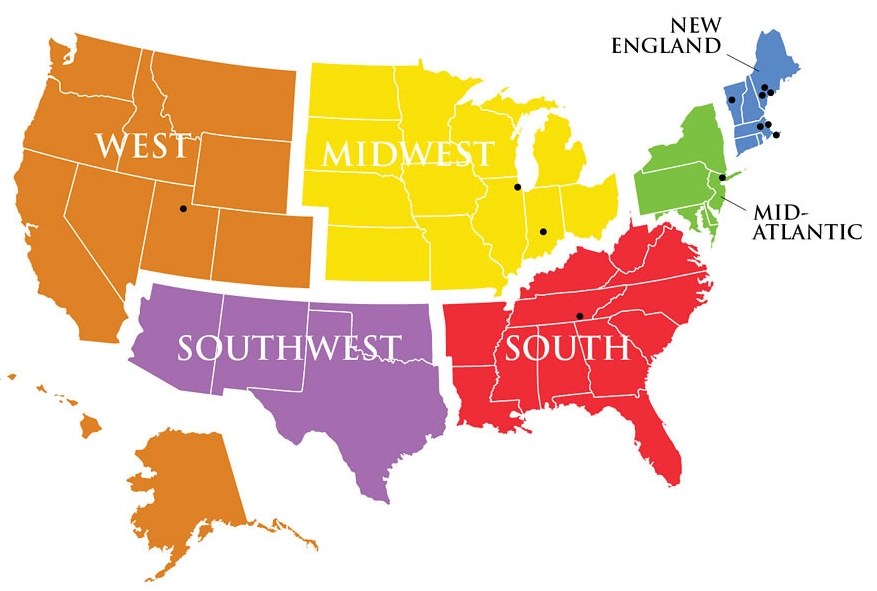
Planning Your Southwest Capital Cities Tour
If you're ambitious and want to hit more than one, a road trip is the way to go. Here’s a realistic one-week loop I've done:
Day 1-2: Fly into Phoenix. Explore the city, hike Camelback Mountain (early!), visit the Heard Museum.
Day 3: Drive to Santa Fe (~6 hours). The drive through the high desert is stunning. Rest, acclimate to the altitude.
Day 4: Immerse in Santa Fe: Plaza, Canyon Road, Museum Hill.
Day 5: Drive to Austin (~10 hours, a long day). Break it up with a stop in Roswell, NM, for its quirky alien theme.
Day 6: Experience Austin: Capitol, Barton Springs, live music on Rainey Street.
Day 7: Drive to Oklahoma City (~4.5 hours). Visit the National Memorial and Bricktown. Fly out of OKC.
This is fast-paced. For a better experience, give yourself 10 days. Remember, distances are vast in the Southwest.
Reader Comments