Quick Guide to This Adventure
- The First Hurdle: Navigating the Permit System
- Getting There and Finding the Trailhead (It's Not Obvious)
- A Step-by-Step Walkthrough of the Hike Itself
- Gear Checklist: What to Pack (And What to Leave)
- The Big One: Safety and Weather Concerns
- Water Holes Canyon vs. Its Famous Neighbors
- Frequently Asked Questions (The Stuff You're Actually Searching For)
- Final Thoughts: Is the Water Holes Canyon Hike Worth It?
Let's be honest, when you think of slot canyons near Page, Arizona, Antelope Canyon is the name that screams for attention. Everyone's heard of it, everyone's seen the photos. But what if I told you there's another one, just as mesmerizing, often less crowded, and requiring a bit more of that adventurous spirit? That's the Water holes canyon hike for you. It's not a walk in the park – and I mean that in the best way possible. It's a proper adventure that involves planning, permits, and a willingness to get a little sandy. I've done it twice now, once in perfect spring conditions and once where I underestimated the summer heat (more on that later), and it's cemented itself as one of my favorite Southwest experiences.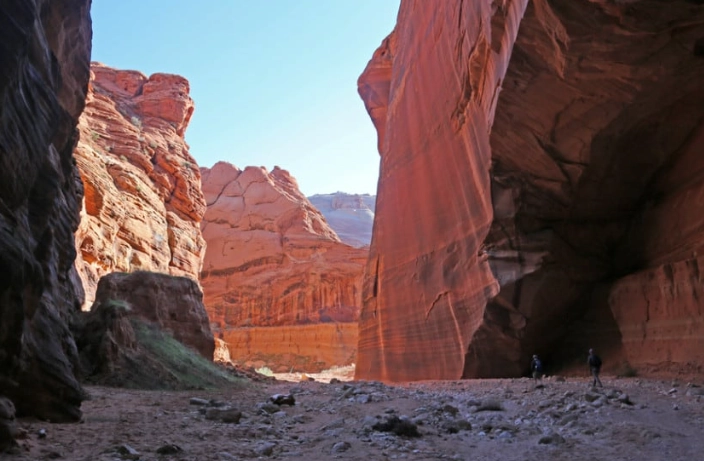
This isn't just another trail guide. This is the manual I wish I had before my first trip. We're going to dive deep into the nitty-gritty: the confusing permit system, the actual route (which can be vague), what to pack beyond the usual water bottle, and how to not just survive, but truly enjoy this incredible journey through stone. Forget the glossy brochures; this is the real talk from someone who's scrambled over those logs and gaped at the light beams.
The First Hurdle: Navigating the Permit System
Okay, here's the thing that stops a lot of people right out of the gate. You can't just show up and do the Water holes canyon hike. Access is managed by the National Park Service for Glen Canyon National Recreation Area, and they require a permit. Why? To protect the fragile canyon environment and to ensure safety. It's a good policy, even if the process feels a bit clunky.
You have two main options for getting your permit for the Water Holes Canyon hike:
- Online in Advance: This is your best bet. Permits are released on a rolling basis, and for popular times (spring and fall weekends), they can go fast. You book them through the official Recreation.gov website. Just search for "Water Holes Canyon." Be ready with your dates and group size.
- In-Person: You can try your luck at the Glen Canyon National Recreation Area visitor centers, like the one in Page. Sometimes there are last-minute cancellations or slots, but I wouldn't bank on it for a weekend trip. It's a risky strategy.
Now, about cost and limits. It's not expensive – usually around $10-12 per person. But they limit the number of people per day. This is actually fantastic because it means when you're in the canyon, you might have long stretches all to yourself. That feeling of solitude in those narrow passages is priceless. My second time, we saw maybe two other small groups the entire day. Compare that to the conveyor-belt feeling of Upper Antelope.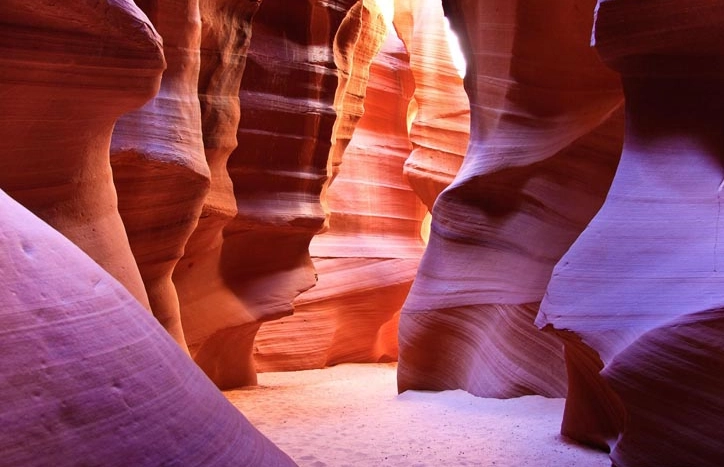
Getting There and Finding the Trailhead (It's Not Obvious)
This is where good directions save you 30 minutes of frustration. The trailhead for the Water holes canyon hike isn't marked with a giant sign. It's off Highway 89, between Page and the Utah state line. You're looking for a dirt pull-off. If you're using a maps app, pin "Water Holes Canyon Trailhead" but be prepared for it to be a bit vague.
Here's my landmark: keep an eye out for the "Horseshoe Bend" parking lot sign. The Water Holes pull-off is a few miles before that if you're coming from Page. You'll see a wire fence and maybe a few other cars. There's a small registration box – have your permit ready to pop in the slip. The "trail" starts by following a sandy wash. It doesn't look like much at first. You'll walk for about 20-30 minutes across open desert before the canyon walls start to rise around you. That's when the fun begins.
A Step-by-Step Walkthrough of the Hike Itself
Describing the Water Holes Canyon hike is tough because it's less of a defined trail and more of an exploration. But here's a rough breakdown of what to expect, section by section.
The Approach and Entry
The initial walk is flat, sandy, and exposed. Sunscreen and a hat are non-negotiable here. You're heading generally northeast. The canyon will appear as a crack in the earth to your left. The entry point isn't dramatic; you'll just find yourself gradually descending into a wider section of the wash as the walls get higher.
The Lower Canyon: Wide Open Spaces
The first part of the slot is relatively wide. The walls are high, but you have room to move. This is a good warm-up. You'll encounter your first few obstacles here – usually small dry falls or piles of rock and debris. Scrambling is required almost from the get-go. Good footwear with grip is crucial; running shoes might cut it for some, but I was thankful for my approach shoes.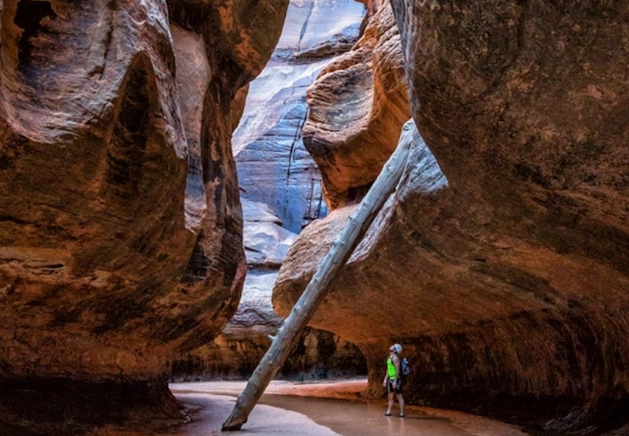
The Heart of the Slot: Narrow Passages and Light Beams
This is what you came for. The canyon walls squeeze in tight, sometimes so close you have to turn sideways. The light does incredible things here. Mid-morning to early afternoon is prime time for those famous light beams, depending on the season. The sun has to be high enough to peek over the top of the narrow slots. The colors shift from deep purple and gray to glowing orange.
Photography tip? You'll want a wide-angle lens. And be patient. Dust motes in the air make the light beams visible. Sometimes a little foot movement is all it takes to stir up the perfect shot.
The navigation here is straightforward – you just follow the canyon. But there are obstacles. The most famous one is a massive log jam. It's a tangle of old trees and debris wedged high above you. You have to climb up and over it. It looks intimidating, but there are usually hand and foot holds worn into the sandstone on the side. Take it slow, test each hold, and use your legs. This spot is a defining feature of the Water holes canyon hike.
How Far Do You Go? The Turnaround Point
Most people doing the Water Holes Canyon hike as a day trip turn around at a giant, house-sized chockstone (a boulder stuck between the canyon walls). It's a clear, natural endpoint. Climbing past it requires more technical skills and gear. For 99% of hikers, this is your destination. You'll know it when you see it. It's an impressive sight and a perfect spot for a snack before heading back.
The return is the same way you came in. It feels different going back, as the light has changed. What was in shadow before might now be lit up. The entire out-and-back trek typically takes 4 to 6 hours for most groups, depending on your pace and how long you linger with a camera.
Gear Checklist: What to Pack (And What to Leave)
Packing wrong can turn this adventure into a slog. This isn't a trail with a gift shop at the end. You need to be self-sufficient. Here’s a breakdown of what’s essential, what’s nice to have, and what you can skip.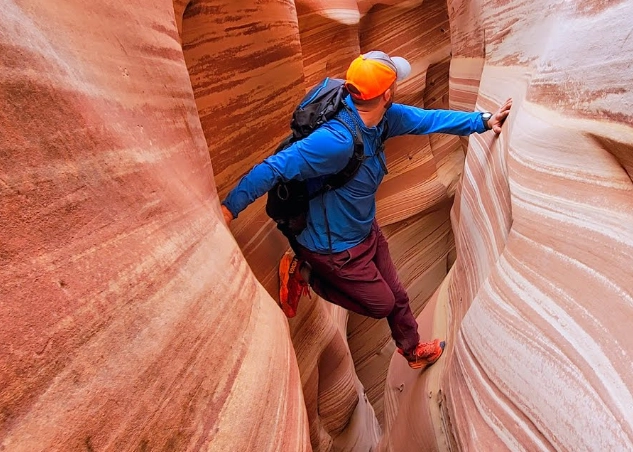
| Category | Essential Items (Don't Leave Without) | Highly Recommended | Leave in the Car |
|---|---|---|---|
| Hydration & Food | More water than you think. 3-4 liters per person minimum, even in cool weather. Electrolyte packets or salty snacks. | Hydration bladder for easy sipping. High-energy, non-melty snacks (nuts, bars, jerky). | Single small water bottle. Heavy picnic food. |
| Clothing & Footwear | Sturdy hiking shoes/boots with excellent grip. Hat, sunglasses, sunscreen. | Durable, quick-dry pants & long sleeves (abrasion protection!). Light gloves for scrambling. | Sandals, flip-flops, jeans (they chafe and get heavy if wet). |
| Navigation & Safety | Printed permit & ID. Downloaded offline map/GPX track. Fully charged phone (in airplane mode). | Small first-aid kit. Whistle. Headlamp (even for a day hike). | Heavy paper maps only. No means of communication. |
| Extras | Small backpack to carry it all. | Trekking poles (helpful for sandy approach). Camera. Small dry bag for electronics. | Large tripod, bulky camera gear (unless photography is the main goal). |
The Big One: Safety and Weather Concerns
This is the most serious section. The Water holes canyon hike is safe if you're prepared, but it has real dangers. The number one threat? Flash floods. Slot canyons are drainage channels. A rainstorm miles away can send a wall of water through the canyon with little warning. Always, always, check the weather forecast for the entire region, not just Page. Do not enter if there is any chance of rain. The National Weather Service website is your best friend here. If the sky looks questionable, turn around. It's not worth the risk.
Other hazards:
- Heat: The summer months (June-August) are brutally hot. Temperatures in the canyon can soar well above 100°F (38°C). If you must go in summer, start at dawn. My "underestimated the heat" hike was in late May. We started at 10 AM like fools. By noon, it was oppressive, and our water consumption doubled. We finished our reserves just as we got back to the car. A dumb, preventable mistake.
- Getting Lost: You're in a canyon; you can't really get lost in the traditional sense. But people can miss the exit point on the way back, wandering past it in the upper wider sections. Pay attention on your way in. Note landmarks.
- Injury: Cell service is non-existent in the canyon. You are your own first responder. That's why a basic first-aid kit and the ability to self-evacuate are critical. Tell someone your plan and expected return time.
Water Holes Canyon vs. Its Famous Neighbors
How do you choose? Here’s a quick, brutally honest comparison.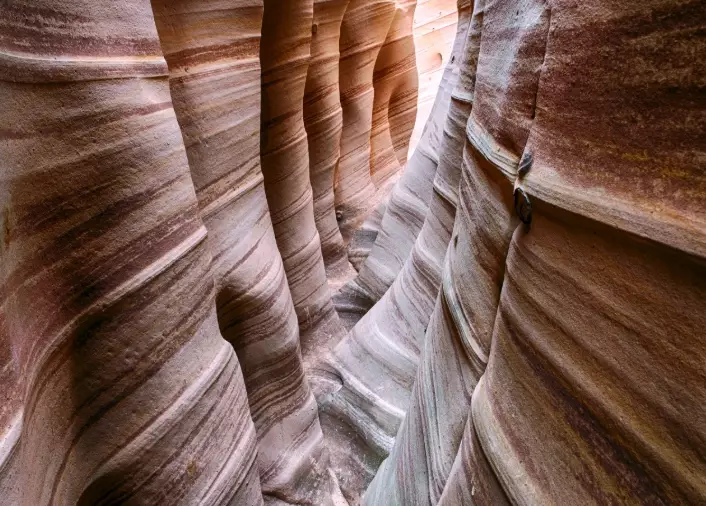
Antelope Canyon (Upper/Lower): More famously beautiful, with smoother, flowing shapes. Requires a booked tour with a Navajo guide. Expensive. Can feel rushed and crowded. Guaranteed amazing photos with minimal effort. A professional, managed experience.
Water Holes Canyon: Equally stunning in a more rugged, raw way. Requires personal planning and permits. Inexpensive per person. Offers solitude and a sense of discovery. Requires physical effort and scrambling. A personal adventure.
I’ve done both. Antelope is easier and guarantees the shot. But the Water holes canyon hike feels like something you accomplished. The memory is more vivid.
Frequently Asked Questions (The Stuff You're Actually Searching For)
Q: Can I do the Water Holes Canyon hike with kids?
A: It depends. Older, agile kids who are used to hiking and scrambling? Possibly. Young children who need to be carried? Absolutely not. The obstacles and exposure would be dangerous and exhausting. I'd say a minimum age of 10-12 for an experienced hiking family.
Q: Is it okay to go alone?
A: The official guidance strongly recommends against solo hiking in slot canyons due to the flash flood risk and injury potential. I wouldn't do it. Go with at least one partner.
Q: What's the best time of year for this hike?
A: Spring (April-May) and Fall (September-October) are ideal. Temperatures are mild. Winter can be cold, and ice can make the rocks treacherous. Summer is extreme heat season—only for very experienced, prepared desert hikers with alpine starts.
Q: Are there bathrooms at the trailhead?
A: No. It's a dirt pull-off on the highway. Use facilities in Page before you drive out.
Q: Can I bring my dog?
A: No. Pets are not allowed on the Water Holes Canyon hike, as per the permit rules from the National Park Service. The terrain is also unsuitable for most dogs.
Q: Do I need a guide?
A: Not officially. It's a non-technical canyon (up to the big chockstone). However, if you're uncomfortable with route-finding, scrambling, or just want the knowledge, local guiding companies in Page do offer trips. It's a great way to learn about the geology and history.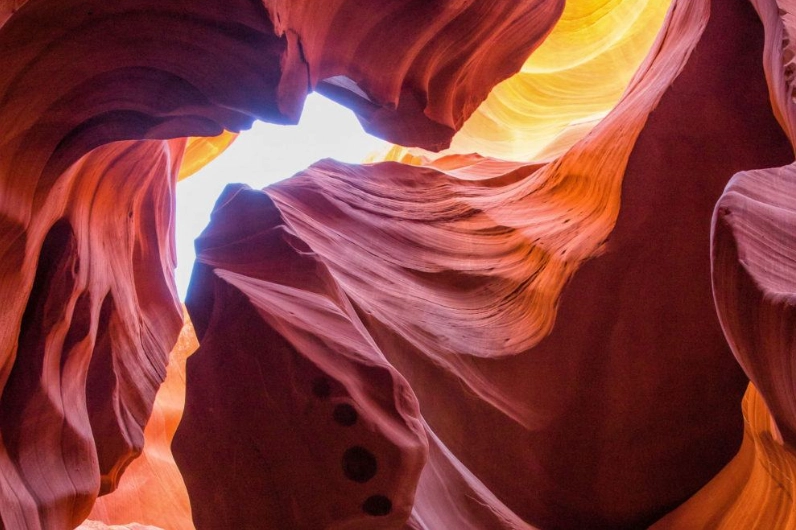
Final Thoughts: Is the Water Holes Canyon Hike Worth It?
If you want a passive, easy sightseeing stop, this isn't it. If you want an adventure that you have to earn—one that involves a bit of paperwork, some physical effort, and rewards you with profound silence and otherworldly beauty—then yes, a thousand times yes.
The Water holes canyon hike strips away the hand-holding of modern tourism. It gives you a slice of raw, beautiful desert and says, "Here, you figure it out." That's its magic. You'll come out tired, probably a bit sandy in places you didn't know sand could reach, and with photos that have a story behind them. Not just a snapshot from a tour group, but a memory of your own journey through the stone.
Plan carefully, respect the rules and the landscape, and it might just become the highlight of your Arizona trip. Just please, for the love of all that is good, bring more water than I did on my first try.
Reader Comments