Quick Navigation
- The Ground Beneath Your Feet: Geology and Geography
- Layers of History: From Ancient Pueblos to Modern Metros
- The Cultural Tapestry: Food, Art, and Identity
- Iconic Destinations and National Parks
- Essential Travel Tips and Practical Southwestern Facts
- Common Questions About Southwestern United States Facts
Alright, let's talk about the Southwest. You've probably got images in your head—endless deserts, towering red rocks, maybe a cactus or two. But there's a whole lot more to it than just a pretty backdrop for western movies. Getting a handle on the real Southwestern United States facts means digging into why the land looks the way it does, who has called it home for thousands of years, and what it's actually like to be there. It's a region shaped by extreme geology, deep history, and a cultural blend you won't find anywhere else in the country.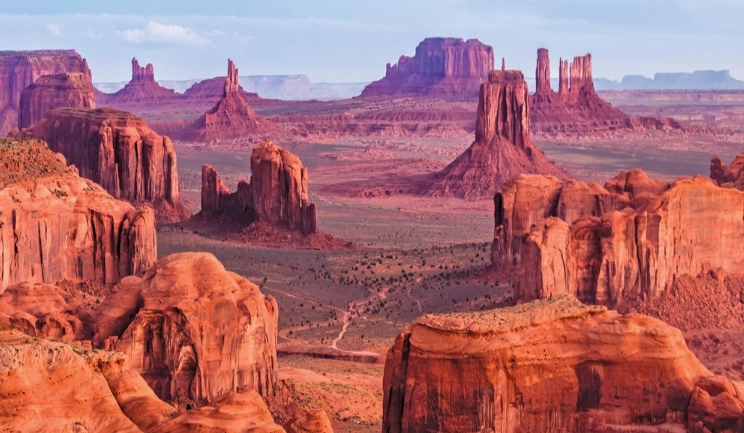
First off, what states are we even talking about? This isn't always perfectly agreed upon, but the core Southwestern states almost always include Arizona and New Mexico. Then you've got parts of others clinging on—southern Nevada (think Las Vegas area), Utah's "Dixie" region around St. George, the western bits of Texas (El Paso is pure Southwest), and the desert southeastern corner of California. Colorado's southwestern corner sometimes gets an invite too. So it's less about strict borders and more about a shared vibe: arid landscapes, a history of Spanish colonization and Native American resilience, and that particular, spacious feeling of the desert.
The Ground Beneath Your Feet: Geology and Geography
You can't understand the Southwest without understanding its bones—the rock. This place is a geologist's playground, and the scenery is a direct result of mind-bogglingly slow, powerful forces.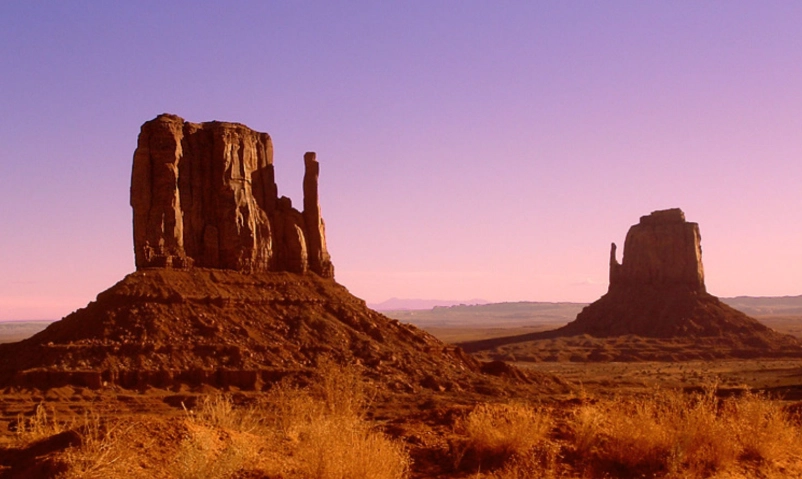
The Colorado Plateau is the superstar. Covering huge chunks of Arizona, Utah, Colorado, and New Mexico, it's a massive, mostly flat slab of crust that's been lifted up over millions of years. The crazy part? As it rose, rivers like the Colorado and the Green kept cutting down into it. That's how you get the Grand Canyon. It's not a mountain range; it's a canyon carved through a raised plain. That fact alone changes how you see it. It's a story of relentless water versus stubborn rock, and the water won by taking its sweet time—about five to six million years of it.
Then you have the Basin and Range Province, which covers Nevada and parts of Arizona, Utah, and into Mexico. This is the land of north-south running mountain ranges separated by flat, wide valleys (basins). Think of it like the earth's crust being stretched apart, causing it to thin, crack, and create these alternating ridges and troughs. Driving across Nevada on I-80 is a perfect lesson in this: up over a pass, down into a long valley, repeat for hours.
The Sonoran Desert, covering southern Arizona and parts of California and Mexico, is famously hot and surprisingly biodiverse. It's where you get the classic, giant saguaro cactus. The Mojave Desert, home to Death Valley (the hottest, driest, lowest point in North America), is harsher, with its signature Joshua trees. The Chihuahuan Desert, spilling into southern New Mexico and Texas, is higher in elevation and sees a bit more rain.
| Major Geological Region | Key States/Areas | Signature Feature | Must-See Example |
|---|---|---|---|
| The Colorado Plateau | Northern AZ, Southern UT, NW NM, Western CO | High-elevation tablelands cut by deep canyons | Grand Canyon National Park, Monument Valley |
| Basin and Range Province | NV, Western UT, Southern AZ | Parallel mountain ranges separated by flat valleys | Great Basin National Park, Death Valley |
| Sonoran Desert | Southern AZ, SE CA, NW Mexico | Hot, biodiverse desert with giant saguaro cacti | Saguaro National Park, Organ Pipe Cactus NM |
| Mogollon Rim | Central AZ into NM | A massive, 200-mile-long escarpment (cliff) | The drive along AZ State Route 260 |
The Mogollon Rim is another one of those critical Southwestern United States facts that doesn't get enough press. It's a gigantic, nearly continuous cliff face that runs for over 200 miles across Arizona, separating the high country of the Colorado Plateau from the lower, hotter desert basins to the south. It's a dramatic ecological boundary you can literally see from space.
Climate: It's Not Just "Hot"
Okay, it is often hot. But the climate facts are more nuanced. Most of the Southwest has an arid or semi-arid climate. That means low annual rainfall—often less than 10 inches a year. But there's a huge difference between a "dry heat" and a "humid heat." Phoenix in June is a dry oven; the lack of humidity means sweat evaporates quickly, which is how the body cools itself. It's brutal, but it's a different brutal than, say, Houston. The flip side? That dry air means temperatures plummet at night. A 40-degree Fahrenheit swing between day and night is common. You always need a layer for the evening, even in summer.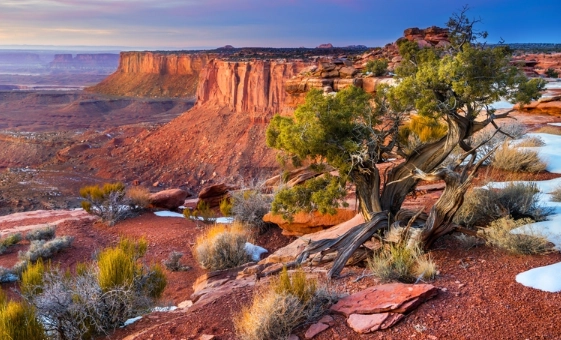
Then there's the monsoon. This isn't just a rainy season; it's a dramatic shift in wind patterns. Usually from late June through September, moisture gets pulled up from the Gulf of California and the Gulf of Mexico. This leads to intense, localized thunderstorms that can dump a lot of rain in a very short time, causing flash floods in slot canyons and dry washes (arroyos). The smell of creosote bushes after a monsoon rain—a sharp, clean, resinous scent—is one of the most distinct sensory experiences you can have.
Elevation is the great climate wild card. Flagstaff, Arizona, sits at nearly 7,000 feet and gets snow—it's a ski town! You can drive from the saguaro-studded desert of Tucson to the pine forests of Mount Lemmon in about an hour. This vertical range creates "sky islands," isolated mountain ranges with ecosystems totally different from the deserts surrounding them.
Flora and Fauna: Survivors of the Extreme
The plants and animals here are masters of adaptation. The classic saguaro cactus might grow an arm only after 75 years. It's a slow, patient life. The creosote bush can clone itself, with some rings of bushes estimated to be over 11,000 years old—among the oldest living organisms on Earth. Juniper and pinyon pines dominate the higher elevations.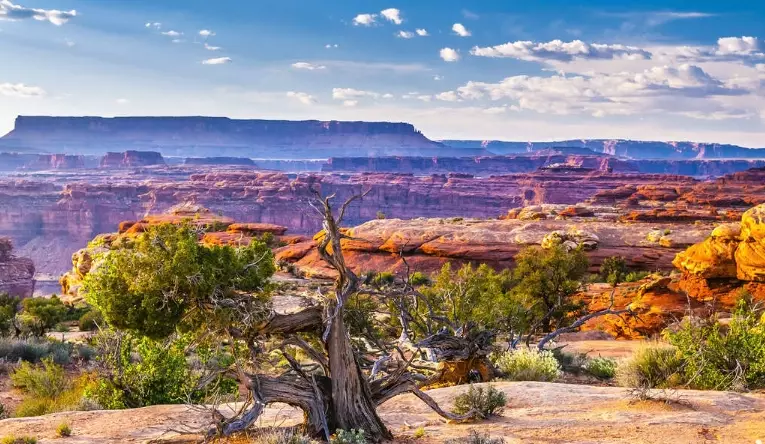
Animal life is equally tough. You've got the usual suspects: coyotes, bobcats, jackrabbits with those enormous ears for radiating heat. But then you get the specialists. The Gila monster, one of only two venomous lizards in the world, waddles through the Sonoran Desert. The endangered Mexican gray wolf is slowly being reintroduced. And birds of prey are everywhere—red-tailed hawks circling on thermals, majestic golden eagles, and the tiny but fierce elf owl that nests in old woodpecker holes in saguaros.
Water is life, literally. Riparian areas—the green zones along rivers like the Colorado, Rio Grande, or San Pedro—are biodiversity hotspots. They're vital corridors for migrating birds and home to species that can't survive in the open desert.
Layers of History: From Ancient Pueblos to Modern Metros
If the geology is the stage, the human history here is a long, complex, and often tragic play. Southwestern United States facts are incomplete without acknowledging the deep Indigenous roots and the waves of change that followed.
The Ancestral Puebloans (formerly called Anasazi) are the most famous early culture. They weren't just cliff dwellers at places like Mesa Verde; they were master engineers, astronomers, and farmers in a harsh environment. Their sudden departure from major sites around 1300 AD is still debated (drought, resource depletion, social strife?), but their descendants are the Pueblo peoples of today, like the Hopi and the various Rio Grande Pueblos.
Other significant cultures included the Hohokam in southern Arizona, who built extensive irrigation canals (some followed by modern canals in Phoenix), and the Mogollon in the mountains of New Mexico.
Then came the Spanish. Starting with explorers like Coronado in the 1540s, they brought horses, metal, new diseases, and Catholicism. The mission system aimed to convert Native peoples, and the Spanish established presidios (forts) and sought gold. The Pueblo Revolt of 1680 was a massive, successful uprising that temporarily drove the Spanish out of New Mexico for 12 years—a pivotal moment often overlooked in broader U.S. history.
After Mexico's independence from Spain in 1821, the region became part of Mexico. This period was brief but left an indelible mark, especially on land grant systems. Then came the U.S.-Mexican War (1846-1848). The Treaty of Guadalupe Hidalgo ceded a huge swath of land, including most of the modern Southwest, to the United States. The Gadsden Purchase in 1853 added southern Arizona and New Mexico to finalize the border.
The 20th century brought dams (Hoover Dam, Glen Canyon Dam), which tamed rivers for water and power but caused immense ecological damage. World War II and the Cold War led to massive military investment—air force bases, testing ranges, and the scientific community of Los Alamos. Post-war air conditioning is what truly enabled the massive population boom in cities like Phoenix and Las Vegas.
The Cultural Tapestry: Food, Art, and Identity
This is where Southwestern United States facts get really flavorful. It's a true cultural fusion, primarily a blend of Native American, Hispanic (Mexican and Spanish), and Anglo-American influences, with a sprinkle of others mixed in.
Food is the most delicious evidence. This isn't just "Mexican food." It's New Mexican cuisine with its obsession with Hatch green chile (you'll be asked "Red or Green?"). It's Sonoran hot dogs wrapped in bacon. It's Navajo fry bread, a food born of government rations turned into a cultural staple. It's the chimichanga, which some claim was invented in Tucson. The use of corn, beans, squash, chilis, and later, beef and cheese, creates a unique palate.
Architecture is another giveaway. Pueblo Revival and Spanish Colonial styles dominate, with their flat roofs, rounded edges, earth tones (stucco), and use of vigas (exposed wood beams). Adobe bricks, made from earth and straw, are a traditional building material that provides excellent thermal mass, keeping interiors cool. You see this from mission churches to modern luxury homes.
Art is everywhere. Native American art is not just souvenirs; it's a continuing, vibrant tradition. Navajo weaving and silverwork, Hopi katsina carvings, Pueblo pottery—each with distinct styles and meanings. The Hispanic tradition brings santos (carved saints), tinwork, and textiles. Cities like Santa Fe and Taos became artist colonies in the early 1900s, attracting Anglo artists captivated by the "light and landscape," creating a whole Southwestern art market.
Languages echo in place names: Arizona (likely from Basque), Colorado (Spanish for "red-colored"), Nevada ("snow-covered"), Las Cruces ("the crosses"). Spanish words are seamlessly part of the local English: arroyo, mesa, canyon, plaza.
Iconic Destinations and National Parks
This is what many people come for, and for good reason. The concentration of national parks and monuments here is staggering.
The Grand Canyon needs no introduction, but a key Southwestern United States fact is that the South Rim is open year-round and is more developed, while the North Rim, 1,000 feet higher, is only open seasonally (usually mid-May to mid-October) and is more remote. They're only about 10 miles apart as the crow flies, but it's a 220-mile, 5-hour drive between them. The inner canyon is a different world—a descent through rock layers and into extreme heat.
Other Heavy Hitters:
- Zion National Park: Not just canyons, but massive, towering Navajo sandstone cliffs. The Narrows hike, wading up the Virgin River, is unforgettable.
- Bryce Canyon National Park: A forest of whimsical, pink and orange hoodoos (spires of rock) created by frost weathering.
- Arches National Park: Over 2,000 natural stone arches, including the delicate Delicate Arch.
- Carlsbad Caverns National Park: An immense, otherworldly cave system in New Mexico, home to a spectacular bat flight at dusk.
- Petrified Forest National Park: A landscape of colorful, fossilized wood from a time when this was a lush forest, not a desert.
- Saguaro National Park: Protects the giant saguaro cacti and the Sonoran Desert ecosystem.
Beyond the big names, don't overlook the National Monuments: Canyon de Chelly (still home to the Navajo Nation), Monument Valley (iconic but actually a Navajo Tribal Park), Chaco Culture National Historical Park (ancient astronomical and ceremonial center), and Organ Pipe Cactus National Monument (a stunning, remote biosphere reserve).
The Cities: From Sprawling Sun Belts to Historic Hubs
The urban experience varies wildly.
Phoenix is the giant, a textbook Sun Belt metropolis defined by post-WWII growth, car dependency, and master-planned communities. It's hot, sprawling, and sometimes criticized for its lack of historic core, but it has amazing museums (Heard Museum for Native cultures), resorts, and is a gateway to the outdoors.
Tucson feels older, grittier, and more rooted. It has a preserved historic district, the University of Arizona, and is surrounded by mountains. It claims to be the "best 24-hour town" because you can hike, eat great food, and catch live music all in a day.
Albuquerque is where I-25 meets I-40 (old Route 66). It's a working city with a strong Hispanic and Native influence, famous for its annual International Balloon Fiesta. The Sandia Mountains loom to the east, accessible via a dramatic tramway.
Santa Fe, the oldest and highest state capital, is all about adobe charm, art galleries, and tourism. It can feel a bit like a stage set, but the history (Palace of the Governors) and food are real.
Las Vegas, Nevada, is the outlier—a neon oasis blasted into the Mojave Desert. Its water and power are imported, making it a fascinating (and troubling) study in modern engineering and excess. It's Southwest in location and climate, but its culture is its own globalized phenomenon.
Essential Travel Tips and Practical Southwestern Facts
Knowing these facts isn't just academic; it'll make your trip safer and better.
When to Go: Spring (March-May) and Fall (September-November) are ideal for most areas—warm days, cool nights. Summer (June-August) is brutally hot in the low deserts (Phoenix, Tucson, Las Vegas can exceed 110°F/43°C), but it's the season for the monsoon and it's pleasant in the high country (Flagstaff, mountains). Winter brings snow to the high elevations and is mild in the low deserts, though nights can be cold.
What to Pack: This is crucial. Think in layers. Always have a wide-brimmed hat, sunglasses, and high-SPF sunscreen. A reusable water bottle is non-negotiable—you need to drink water constantly, even if you don't feel thirsty. Good, broken-in hiking boots are worth their weight in gold. A light jacket or fleece is needed year-round for evenings.
Respecting the Land and Culture:
- Leave No Trace: Pack out all trash. Don't carve on rocks or disturb ruins.
- Cultural Sensitivity: Many sites, especially on Tribal lands, are sacred. Follow all rules, stay on marked trails, and don't touch petroglyphs or pottery shards. Photography may be restricted. When buying Native art, buy from reputable sources (look for authenticity certifications).
- Water is Life: Never enter a slot canyon if there's any chance of rain upstream. Flash floods are deadly and fast. Check weather reports meticulously.
Driving Distances: Everything is far apart. Phoenix to the Grand Canyon South Rim is about 3.5-4 hours. Las Vegas to Zion is 2.5 hours. Albuquerque to Santa Fe is only an hour, but to Carlsbad Caverns is over 5 hours. Plan your itinerary realistically. The drives are part of the experience—the vast, open landscapes are a key Southwestern United States fact you can't get from a photo.
Common Questions About Southwestern United States Facts
Is it hot all year round?
No, and this is a huge misconception. While the low deserts are very hot in summer, they have mild, pleasant winters. The high-elevation areas (like Flagstaff, the North Rim of the Grand Canyon, much of northern New Mexico) have four distinct seasons, with cold, snowy winters. You can ski in Arizona and New Mexico.
Is it just desert?
Absolutely not. While deserts define large areas, the Southwest includes massive coniferous forests (the largest contiguous ponderosa pine forest in the world is in Arizona), alpine tundra on the highest peaks, grasslands, and riparian wetlands. The diversity is astounding.
What's the deal with "Red or Green?"
That's the official state question of New Mexico, referring to which chile sauce you want on your dish. "Christmas" means you want both. The Hatch Valley in New Mexico is famous for its green chile, and roasting chiles in the fall is a major cultural event.
Is driving across the Southwest realistic?
Yes, but with major caveats. The interstate system (I-10, I-40, I-15, I-25) connects major hubs. However, to see the best parks and landscapes, you'll be on state highways and sometimes unpaved roads. Services (gas, food, water) can be very far apart. Your vehicle should be in good condition, and you must carry extra water and supplies. Don't rely on GPS alone; have physical maps.
How do I visit Tribal lands respectfully?
First, remember you are a guest. Each of the dozens of Native nations (like the Navajo Nation, Hopi Tribe, 19 Pueblos of New Mexico) is a sovereign nation with its own laws, customs, and permits. Always check their official tourism websites or visitor centers for rules before visiting. Some areas are completely off-limits. For ceremonies that are open to the public, follow etiquette: no photography, no applause (it's a religious service, not a performance), be quiet and observant.
I hope this deep dive has given you more than just a list of dry Southwestern United States facts. It's a region that demands engagement—to feel the dry heat and the cool night air, to see the layers of rock and history, to taste the fusion of cultures. It's complex, beautiful, harsh, and endlessly fascinating. The most important fact might be this: the Southwest will change how you see the American landscape, and it'll stay with you long after you've left its wide-open spaces.
Reader Comments