Quick Navigation
- The Heart of the Matter: Road Conditions and Physical Layout
- The Game Changer: Weather and Seasonal Impacts
- Your Role as the Driver: Skills and Mindset
- Vehicle Suitability and Preparation
- Other Users and Potential Hazards
- Frequently Asked Questions (The Stuff You're Actually Searching For)
- Final Verdict: So, How Safe is Independence Pass?
Let's cut to the chase. You're planning a Colorado road trip, the map looks gorgeous, and that line winding over the Continental Divide called Independence Pass is calling your name. But then you hear things. Stories about sheer drop-offs, no guardrails, lanes so narrow you pray you don't meet a truck. A single question starts bouncing around your head: how safe is the Independence Pass, really?
I've driven it more times than I can count. In a sedan, in an SUV, in perfect sunshine and in weather that made me want to turn around. My hands have definitely clenched the wheel a few times. So I'm not here to sell you a postcard. I'm here to give you the real, detailed, practical lowdown so you can decide if it's for you and, if it is, how to tackle it without a panic attack.
The short answer? It's safe if you respect it. It's not an interstate. It's a historic, engineered-for-another-era mountain pass that demands your full attention. Calling it "unsafe" is unfair—thousands drive it safely every year. But calling it "just another scenic drive" is dangerously naive. Your safety hinges almost entirely on your preparation, your vehicle, your driving habits, and a hefty dose of common sense.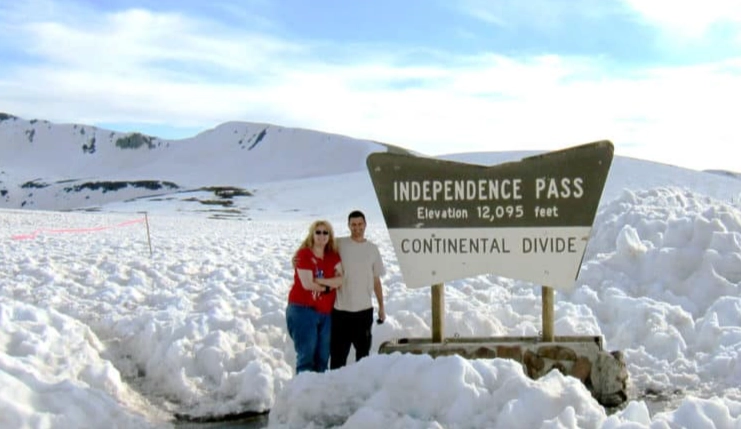
This guide is going to dig into every factor that answers that core question: how safe is the Independence Pass for YOU? We'll talk road geometry, weather tantrums, vehicle suitability, and the mental game of driving it. Let's get started.
The Heart of the Matter: Road Conditions and Physical Layout
When people wonder how safe is the Independence Pass, they're usually picturing the road itself. And yeah, that's where the reputation comes from. Built in the 1880s for wagons and later paved, its design has constraints modern highways don't. Here’s the breakdown of what you're actually dealing with.
Width (Or Lack Thereof)
This is the big one. Large sections are a single lane wide. Not one lane each way—one lane total. They're designated with signs saying "Narrow Lanes" and "Watch For Oncoming Traffic." You'll find periodic wider pull-outs to let cars pass each other. If you see a vehicle coming, the rule of thumb is whoever is closer to the pull-out slows down or stops and lets the other pass. It requires cooperation and patience. If you're the type who gets flustered in tight spaces or hates reversing, this will be stressful.
The Narrows: The most famous (or infamous) section is on the eastern approach near the ghost town of Independence. The road is carved into a cliffside with a rock wall on one side and a significant drop on the other. Guardrails are minimal or absent. It's stunningly beautiful and, frankly, a bit intense. Just take it slow.
Steep Grades and Sharp Curves
The pass climbs from Aspen (around 7,900 ft) to its summit at 12,095 ft in just about 20 miles. The grade hits up to 7% in places. That means your engine will work hard going up, and your brakes will be tested going down. The curves are constant and often blind. You cannot see what's around the next bend, which is why staying firmly on your side of the centerline (even when it feels like the road is swallowing you) is non-negotiable.
Guardrails and Drop-Offs
Let's be real: guardrails are not plentiful. In many areas where the drop is significant, there might be a low berm of rocks or nothing at all. This is probably the most visually alarming aspect for new drivers. It creates a feeling of exposure. The key is to focus on the road ahead, not the void beside you. The road surface itself is generally in good condition, but it's the edges that get your heart racing.
So, on a clear, dry day with light traffic, a cautious driver in an appropriate vehicle can manage these conditions safely. But this is just the static picture. The real variable, the thing that flips the script from "challenging" to "hazardous," is the weather.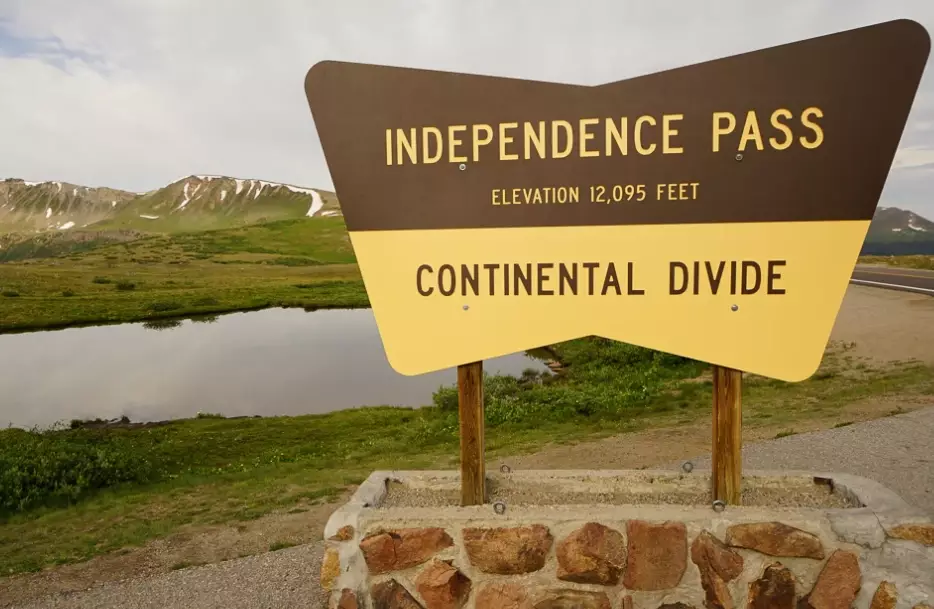
The Game Changer: Weather and Seasonal Impacts
If you ask me what the single biggest factor is for Independence Pass safety, I wouldn't hesitate: the weather. The pass is only open seasonally, typically from Memorial Day weekend (late May) to sometime in November, depending on snow. The Colorado Department of Transportation (CDOT) does the plowing, but once heavy snow sets in, it closes for the winter.
You must check the official status before you go. Don't rely on a calendar date. The best resource is the CDOT Travel Center website or their app. It shows real-time closures, conditions, and even webcam feeds.
Summer Afternoon Storms
This is the classic Colorado mountain pattern. Mornings are often crystal clear. By early afternoon, clouds build, and by mid-to-late afternoon, thunderstorms can erupt with little warning. On a high-altitude pass, this means:
- Reduced Visibility: Heavy rain or even hail can make it nearly impossible to see the road edges.
- Fog: Dense fog can roll in incredibly fast, dropping visibility to zero.
- Lightning: You are on the highest point around. It's not the place to be in an electrical storm.
- Wind: Sudden, strong gusts can push high-profile vehicles.
My personal rule? Be over the summit and heading down by 1:00 PM at the latest.
Winter-like Conditions (Even in Summer)
Yes, really. At 12,000 feet, it can snow any month of the year. I've seen frost on the ground at the summit in July. Early and late in the opening season (June and October), snow and ice on the road are very real possibilities. Black ice is a particular danger in shaded corners in the morning.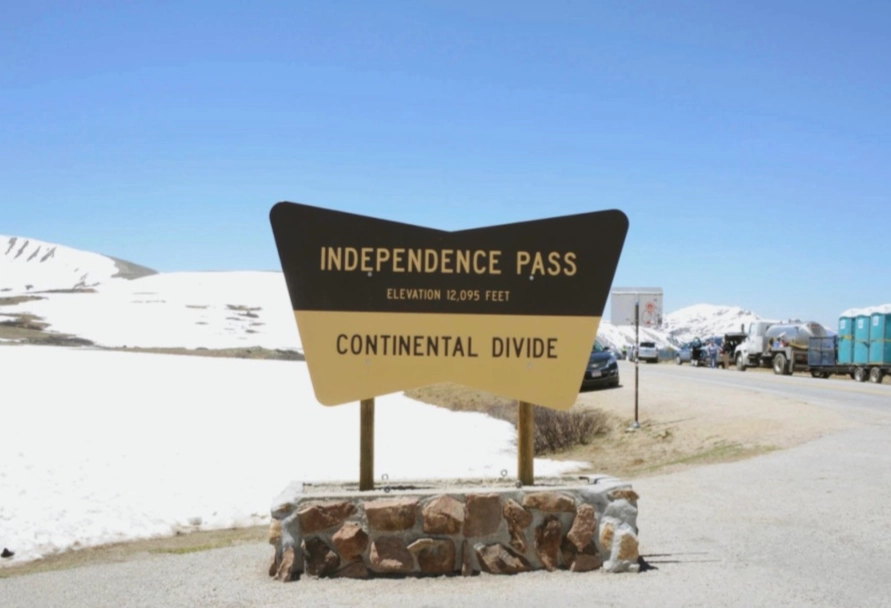
Seasonal Breakdown
| Season | Typical Conditions | Safety Considerations |
|---|---|---|
| Late Spring (June) | Opening depends on snowpack. Possible snow, ice, wet roads. Runoff can cause water on road. | Highest chance of winter-like conditions. Tire chains might still be advised. Maximum caution. |
| Peak Summer (July-Aug) | Generally clear, dry roads. HEAVY tourist traffic. | Afternoon thunderstorm risk is extreme. Traffic congestion increases stress and risky passing. |
| Early Fall (Sept-Oct) | Cool, crisp. Less traffic. Aspen colors are spectacular. | Nighttime freezing common. Early morning ice. Risk of early-season snowstorms. |
| Winter (Nov-May) | CLOSED. Not plowed. Avalanche terrain. | It is illegal and extremely dangerous to attempt. Search and rescue operations are not uncommon for those who try. |
See? Timing your trip is a huge part of the safety equation. Going in mid-July is a completely different experience (and risk profile) than going in early June.
Your Role as the Driver: Skills and Mindset
The road and weather are what they are. You can't change them. So a huge part of determining how safe is the Independence Pass comes down to you behind the wheel. This isn't a passive cruise.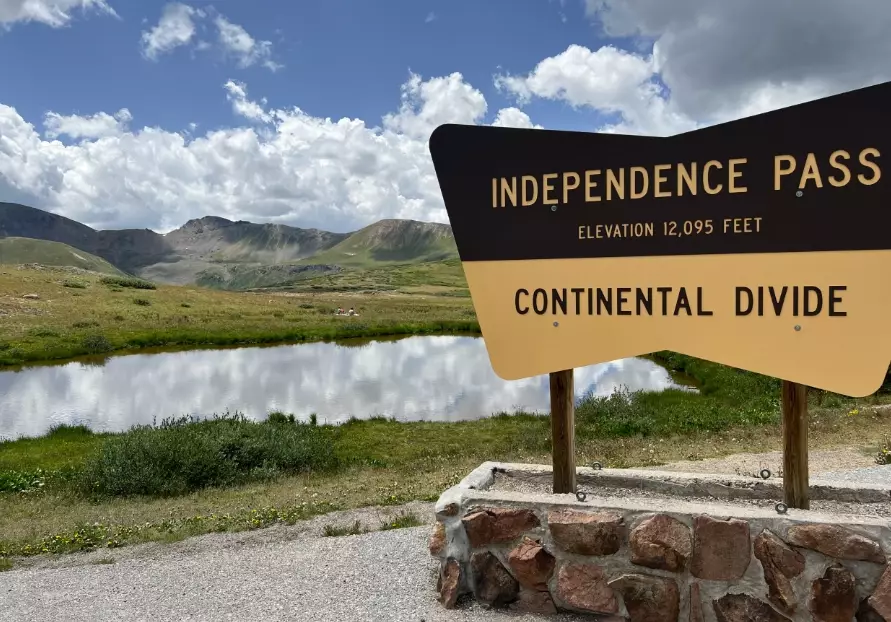
The Right Mindset
Leave your ego and your schedule at the bottom. This drive is about the journey, not the destination time. If you have a line of cars behind you and there's a pull-out, use it. Let them pass. It reduces pressure on you and on them. Impatience leads to bad decisions here.
Pro Tip: If you're a nervous driver, consider driving from east to west (from Twin Lakes towards Aspen). The eastern side has more of the dramatic, narrow sections, so you tackle them on the climb when you're naturally going slower and are more focused. The western descent towards Aspen is somewhat wider and feels less exposed.
Essential Driving Techniques
- Use Low Gears Descending: Never ride your brakes down the mountain. Shift into a lower gear ("2" or "L" in an automatic) to use engine braking. This prevents brake fade and potential failure.
- Honk on Blind Curves: It feels silly, but a quick tap of the horn before a blind curve alerts any oncoming traffic you can't see. It's a good mountain driving habit.
- Focus Ahead: Look where you want the car to go, not at the edge or the drop-off. Your hands tend to follow your eyes.
- Speed: The speed limit is often 25 mph or less in the tricky sections. That's not a suggestion. It's the maximum safe speed for those corners. Go slower if you're uncomfortable.
Seriously, the pass demands respect. If you give it that, you'll be fine.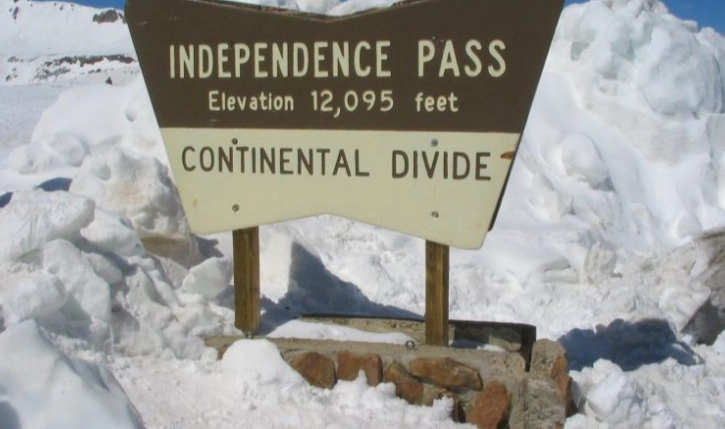
Vehicle Suitability and Preparation
Not every vehicle is right for this job. Again, thinking about how safe is the Independence Pass means being honest about what you're driving.
What works well: Standard passenger cars, SUVs, and small to medium trucks are all perfectly capable if they're in good mechanical shape. A vehicle with good ground clearance can be more comfortable over some of the road dips.
What is problematic or prohibited:
- Large RVs and Trailers: Any vehicle (or combination) over 35 feet in length is PROHIBITED. The turns are physically impossible to navigate. Signs are posted at both approaches. This is strictly enforced.
- Vehicles with Poor Brakes or Engine Issues: If your car struggles on hills or your brakes squeal, fix it before you go. This is a severe test.
- Overloaded Vehicles: Extra weight strains everything, especially brakes on the descent.
Pre-Trip Vehicle Checklist
Spend 15 minutes the day before. It's worth it.
- Tires: Check tread depth and air pressure. Bald tires are a no-go. Consider that tire pressure changes with altitude and temperature.
- Brakes: Listen for grinding, feel for sponginess. If in doubt, get them checked.
- Engine Fluids: Check oil and coolant. Your engine will run hotter climbing.
- Windshield Wipers: Make sure they clear well. A sudden mountain storm with bad wipers is terrifying.
I once helped a tourist with a completely overheated car at the summit. They hadn't checked their coolant. Don't be that person.
Other Users and Potential Hazards
You're not alone up there. Sharing the space safely is part of the deal.
Cyclists: The pass is a legendary climb for road cyclists. They have every right to the lane. Give them a wide berth (at least 3 feet) when passing. They're working hard and can be wobbly.
Pedestrians and Sightseers: People will stop at pull-outs and sometimes wander near the road for photos. Be extra vigilant near scenic overlooks.
Wildlife: You might see mountain goats, marmots, or deer. They don't understand traffic rules. Slow down if you see animals near the road.
Altitude Sickness: This is a real thing. At 12,095 feet, some people get headaches, dizziness, or nausea. If you start feeling unwell, it can impair your driving. The cure is to descend. Having water and snacks helps.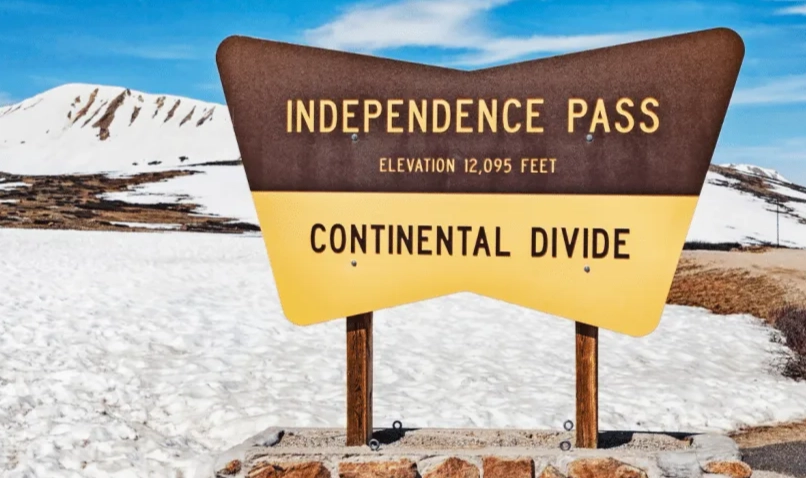
Frequently Asked Questions (The Stuff You're Actually Searching For)
Is Independence Pass scarier than other Colorado passes?
It's up there. It's often compared to the Million Dollar Highway (US 550) near Ouray. I'd say Independence Pass feels more consistently narrow and exposed over a longer stretch than, say, Loveland Pass. It has a reputation for a reason. But "scary" is subjective. If you're prepared, it's manageable. If you're blindsided by the conditions, it can be frightening.
Can I drive it in a rental car?
Absolutely. Standard rental sedans and SUVs are fine. Just be aware that some rental contracts have clauses about driving on "unpaved" or "prohibited" roads. Independence Pass is fully paved and legal, but it's worth a quick glance at your agreement. The bigger issue is insurance—make sure you have coverage.
What if I panic or can't do it?
There are very few places to simply turn around. If you absolutely must, wait for a designated pull-out that's large enough. It's better to stop, breathe, let people pass, and collect yourself than to drive in a panic. In a true emergency, you can call for help, but cell service is extremely spotty. That's why telling someone your route and timetable is a good idea.
Are there any services on the pass?
Virtually none. There are no gas stations, repair shops, or restaurants between Aspen and Twin Lakes. Fill your tank, check your car, and bring water and snacks. The summit has a large parking area and restrooms (usually porta-potties).
How does the safety compare to going through the tunnel (I-70)?
It's a different kind of risk. I-70 through the Eisenhower Tunnel is a modern, divided, multi-lane interstate. Statistically, it's going to have a lower accident rate per mile. But it's also often clogged with traffic, has its own weather issues, and can feel monotonous. Independence Pass is a conscious choice for adventure, scenery, and a direct route between Aspen and Leadville. You trade modern highway safety engineering for a raw, beautiful, and demanding drive. It's not better or worse—it's different. Your choice depends on your priorities (time vs. experience) and your confidence.
For more detailed information on the history and environment of the pass, the US Forest Service manages the land it traverses and provides educational resources.
Final Verdict: So, How Safe is Independence Pass?
After all that, let's circle back. How safe is the Independence Pass?
It's as safe as you make it.
It's not an inherently deadly road. It's a controlled challenge. The risks are known and largely manageable. The pass doesn't change; your approach to it does.
If you go in with the right vehicle, in the right season, during the right time of day, with the right mindset and skills, your risk is low. You'll have an unforgettable, breathtaking drive.
If you go in a 40-foot RV, in a snowstorm, at dusk, while rushing and distracted, your risk is unacceptably high.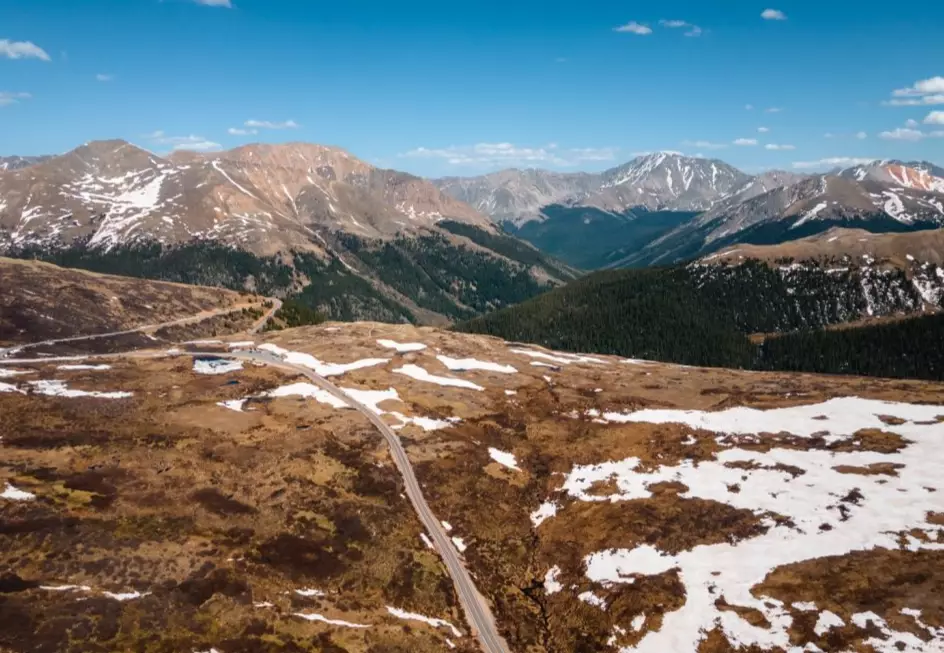
The question of Independence Pass safety ultimately reframes itself: Are you prepared to drive it safely? I hope this guide gives you the tools to answer that with a confident yes. Check the National Weather Service for mountain weather safety tips, check CDOT for conditions, prep your car, and take it slow.
Then go enjoy one of the most spectacular pieces of pavement in America. Just keep your eyes on the road.
Reader Comments