Ask anyone who's spent time in Northern Arizona, and they'll tell you Flagstaff isn't just a pit stop on the way to the Grand Canyon. It's a destination packed with its own jaw-dropping landscapes and fascinating history. But what exactly are the must-see wonders here? After years of exploring every trail and historical site in the area, I've narrowed it down to the definitive seven. These are the places that define Flagstaff, blending epic geology with deep human stories.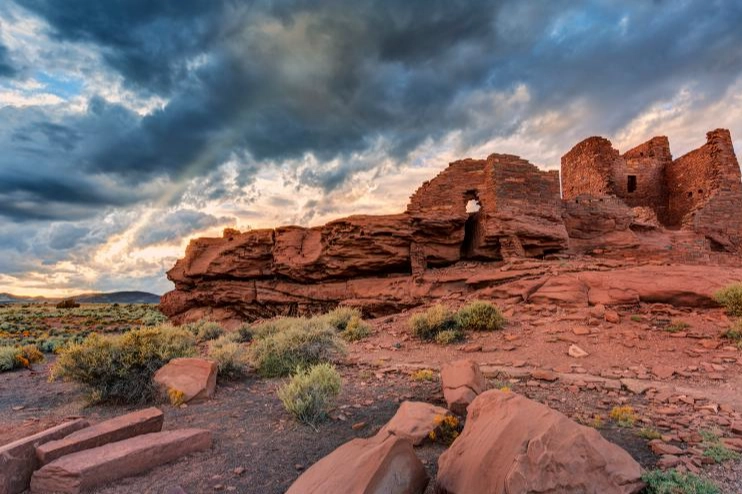
Your Quick Guide to Flagstaff's 7 Wonders
- 1. The Grand Canyon (South Rim)
- 2. The San Francisco Peaks
- 3. Sunset Crater Volcano National Monument
- 4. Wupatki National Monument
- 5. Lowell Observatory
- 6. Walnut Canyon National Monument
- 7. The San Francisco Volcanic Field & Lava River Cave
- How to Plan Your Visit to Flagstaff's Wonders
- Your Flagstaff 7 Wonders Questions Answered
Let's get one thing straight. Most lists you find online are vague. They might mention "Flagstaff's natural beauty" but skip the crucial details you need to actually plan a trip. This guide is different. I'm giving you the exact locations, costs, driving times, and my own hard-won advice for avoiding crowds and altitude sickness. We'll start with the obvious giant and work our way to the hidden gems most visitors completely miss.
1. The Grand Canyon (South Rim)
Yes, it's the most famous canyon on Earth. And yes, it's about 80 miles north of Flagstaff. But calling it just a "day trip" from Flagstaff does it a disservice. It's the anchor of the region. The South Rim is open year-round, and the drive up Highway 180 is part of the experience—you watch the ponderosa pines thin out as you climb onto the Colorado Plateau.
Need-to-Know Info: Grand Canyon South Rim
Address: South Rim Entrance Station, AZ-64, Grand Canyon, AZ. Use the National Park Service website for official updates.
Entrance Fee: $35 per vehicle (valid 7 days). Highly recommend the $80 America the Beautiful Annual Pass if you visit more than 2 national parks in a year.
Drive from Flagstaff: 1.5 hours (80 miles) via US-180 N.
Pro Tip: Don't just go to Mather Point. Park at the Visitor Center, then take the free Hermit Road Shuttle (Red Route) west. Get off at Hopi Point for what I think is the most dramatic, uninterrupted view in the park. The shuttle runs March through November.
My first time, I made the classic mistake. I drove straight to the first overlook, snapped some photos, and left feeling like I'd checked a box. The Grand Canyon demands more time. Walk even half a mile down the Bright Angel Trail. The perspective shift from the rim—where you're a spectator—to inside the canyon, where you're surrounded by its layers, is transformative. Just remember, going down is optional; coming back up is mandatory. Bring twice as much water as you think you need.
2. The San Francisco Peaks
These mountains are Flagstaff's skyline, its weather makers, and its spiritual heart. The Peaks are the remains of a massive stratovolcano, with Humphreys Peak (12,633 ft) being the highest point in Arizona. For the Navajo, they are the sacred mountain of the west, Dook'o'oosłííd.
You have two main ways to experience them: look at them or climb them. The Arizona Snowbowl ski area offers a scenic chairlift ride in summer and fall. For about $25, you can ride the Agassiz Lift to 11,500 feet without breaking a sweat. The view over the endless ponderosa pine forest is staggering. The other way is to hike Humphreys Peak Trail. It's a brutal 10-mile round trip with 3,300 feet of elevation gain. The altitude hits hard above 11,000 feet. Start at dawn, bring layers (it can snow any month), and turn back if you get a headache or nausea.
Local's Insight: Everyone talks about Humphreys, but my favorite hike is the Kachina Trail on the western slopes. It's a moderate 10-mile out-and-back that starts high and traverses through aspen groves and wildflower meadows with constant, intimate views of the peaks above you. You'll see more elk than people.
3. Sunset Crater Volcano National Monument
This is where the earth literally cracked open less than 1,000 years ago. Driving up from Flagstaff, the landscape changes from green forest to a stark, black sea of cinders. Sunset Crater is the youngest volcano in the San Francisco Volcanic Field. You can't hike to the crater's rim anymore (to protect it), but the Lava Flow Trail is a 1-mile loop that puts you right in the middle of the aftermath.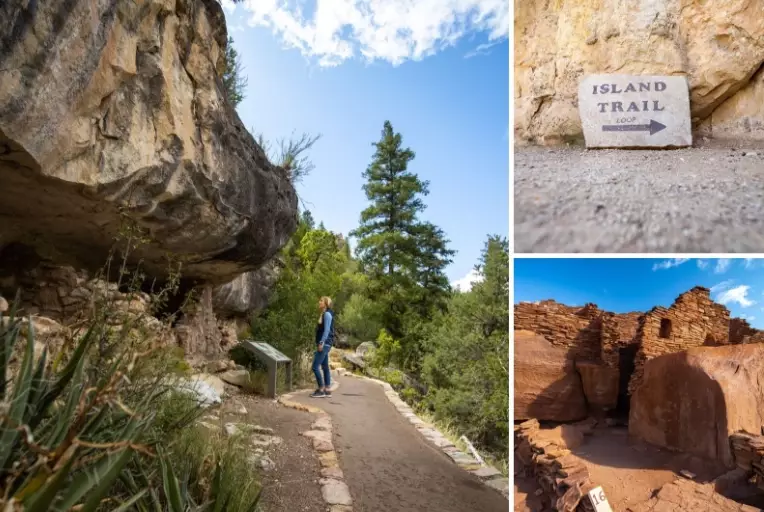
Need-to-Know Info: Sunset Crater Volcano
Address: 6082 Sunset Crater Rd, Flagstaff, AZ 86004.
Entrance Fee: $25 per vehicle, which also covers Wupatki National Monument (same day).
Drive from Flagstaff: 30 minutes (18 miles) north on US-89.
Best Time to Visit: Early morning or late afternoon. The black lava absorbs heat, making the trail very hot midday in summer. Spring and fall are ideal.
Walking the trail feels like being on another planet. You'll see spatter cones, squeeze-ups (where lava oozed through cracks), and cinder hills. The colors—black, red, orange—are intense. It's a powerful lesson in how dynamic this "stable" landscape really is. Combine this with Wupatki (next on the list) in a single trip, as they're connected by a scenic 34-mile loop road.
4. Wupatki National Monument
Just down the road from the volcanic destruction of Sunset Crater lies Wupatki, a testament to human resilience. This is not one pueblo but many—over 2,600 archaeological sites. The people here, ancestors of today's Hopi, Zuni, and other Pueblo tribes, built thriving communities in the arid landscape, often using the volcanic rock itself.
The main attraction is the Wupatki Pueblo, a three-story structure with over 100 rooms. A short, paved trail from the visitor center leads you to it. Stand by the community room (a large underground chamber) and the blowhole—a natural geologic feature that inhales and exhales air with changes in atmospheric pressure. It's eerie and amazing. The sense of history is palpable. You're not just looking at ruins; you're walking in a place where people lived, farmed, and traded for centuries.
Respect is paramount here. These are not abandoned relics; they are sacred ancestral homes. Stay on the trails, don't climb on the walls, and listen to the stories told by the park rangers.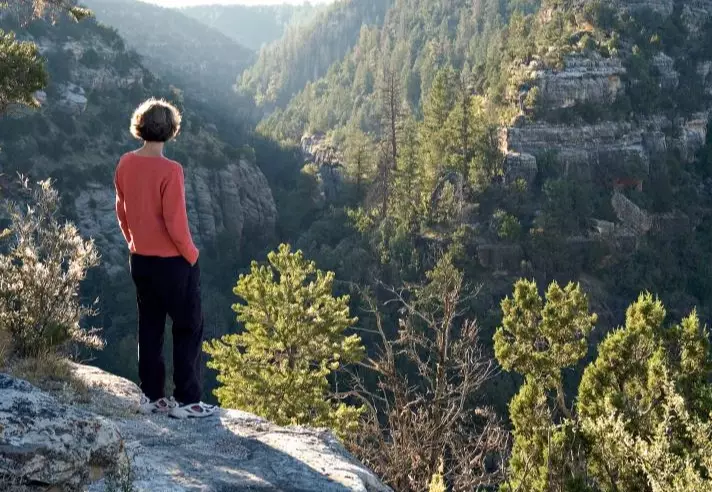
5. Lowell Observatory
This is where the cosmos got a lot bigger. In 1930, a young astronomer named Clyde Tombaugh discovered Pluto right here from the dome of the Pluto Discovery Telescope. That alone would make it a wonder, but Lowell's history runs deeper. Founded in 1894 by Percival Lowell to study Mars, it's a living museum of astronomy.
You can tour the historic wooden domes, see the lens used to map the moon for the Apollo missions, and, of course, look through telescopes. Their flagship Clark Refractor, from 1896, is a beautiful piece of brass and glass. The real magic happens at night. Their evening programs let you view planets, star clusters, and nebulae with powerful modern telescopes. Seeing Saturn's rings with your own eye never gets old.
Need-to-Know Info: Lowell Observatory
Address: 1400 W Mars Hill Rd, Flagstaff, AZ 86001.
Hours & Tickets: Open daily. Day and night tickets are sold separately. General admission starts around $25. Book night programs WELL in advance—they sell out fast, especially in summer.
Pro Tip: Go for the 4 PM "Day & Night" combo ticket. You can explore the history during the day, grab dinner in town, and return for the night viewing without paying twice.
6. Walnut Canyon National Monument
This wonder is hidden in plain sight. Just 10 miles east of downtown Flagstaff, a massive limestone canyon cuts into the plateau. Along its cliffs, the Sinagua people built over 300 small cliff dwellings under the natural overhangs. The Island Trail is a 1-mile loop with 273 steps (down and then back up) that takes you right past 25 of these dwellings.
You can walk into the alcoves, peer into the rooms, and see the soot stains from ancient fires on the ceiling. The intimacy is breathtaking. You get a real sense of daily life—where they slept, stored corn, and looked out over the canyon. The climb back up is steep, but benches are placed along the way. Take it slow; the altitude is about 7,000 feet here.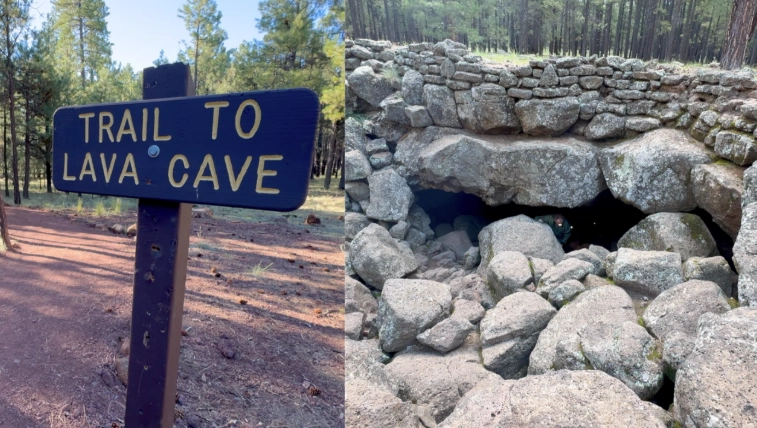
Preservation Note: The canyon is incredibly fragile. Please don't touch the walls or take any pottery sherds (which are illegal to remove). Stick to the paved trail. This isn't a theme park; it's a precious archaeological site.
7. The San Francisco Volcanic Field & Lava River Cave
The seventh wonder isn't a single site but the entire, sprawling volcanic field north of town—and its coolest accessible feature. This field contains over 600 volcanoes! You've been driving through it to get to Sunset Crater and the Grand Canyon. For a truly unique, slightly adventurous experience, head to the Lava River Cave.
It's a mile-long lava tube tunnel formed by a river of molten rock. The ceiling collapsed in one spot, creating an entrance. You'll need a good flashlight or headlamp (phone lights aren't enough), warm clothes (it's a constant 35°F/2°C inside), and sturdy shoes. The floor is rocky and uneven. Walking into the absolute darkness and silence is surreal. You can go as far as you're comfortable. It feels like a true exploration.
Need-to-Know Info: Lava River Cave
Location: Off US-180, about 14 miles north of Flagstaff. Look for FR 245 (a forest road) and signs. The last few miles are on a graded dirt road passable by most cars in dry weather.
Fee: None. It's on Coconino National Forest land.
Essential Gear: Two reliable light sources per person, a jacket, and gloves. The rocks are cold and sharp.
Warning: Do not go in if rain is forecast. Flash flooding in the cave is deadly.
How to Plan Your Visit to Flagstaff's Wonders
Trying to see all seven in two days is a recipe for exhaustion. Flagstaff sits at 7,000 feet. The altitude affects everyone. Drink way more water than usual, go easy on alcohol, and don't over-schedule.
Sample 3-Day Itinerary:
Day 1 (East Loop): Walnut Canyon in the morning (cooler, fewer crowds). Afternoon at Lowell Observatory (day tour). Book an evening program at Lowell for night one.
Day 2 (North Loop): Full day for the Sunset Crater & Wupatki loop. Hike the Lava Flow Trail, have lunch at the Wupatki visitor center (bring your own), explore the pueblos. Return to Flagstaff for dinner.
Day 3 (The Giants): Dedicate a full, long day to the Grand Canyon South Rim. Leave Flagstaff by 7 AM. Alternatively, hike in the San Francisco Peaks (Humphreys or Kachina Trail) if you prefer mountains over canyons.
The Lava River Cave can be slotted into an afternoon after Walnut Canyon or on the way back from the Grand Canyon if you have energy.
Remember, you're on the Colorado Plateau. The sun is intense. Wear a hat, sunglasses, and sunscreen religiously. The weather can change in minutes—from sun to thunderstorm, especially in July and August (monsoon season).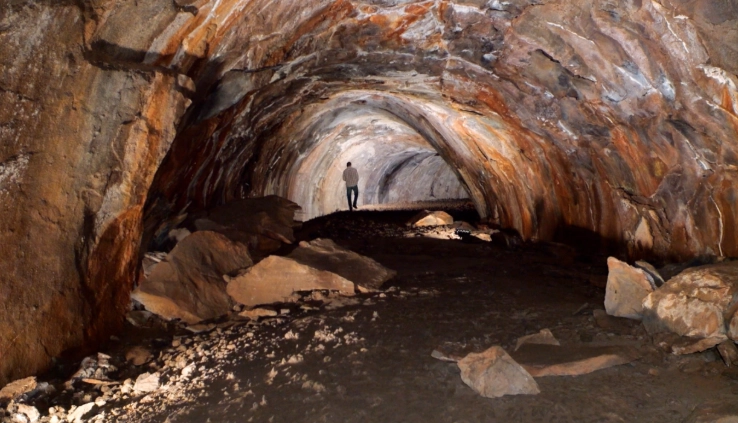
Your Flagstaff 7 Wonders Questions Answered
 I get headaches at high elevation. Which sites will be hardest?
 Flagstaff's wonders aren't just a checklist. They're a conversation between rock and sky, between ancient peoples and modern explorers. They ask you to look closer, hike further, and think deeper. Start with one or two that call to you. You'll leave already planning your next trip back to see the rest.
Reader Comments