Quick Navigation
- So, What Exactly Is Waterhole Canyon?
- The #1 Thing You CANNOT Forget: The Permit
- The Waterhole Canyon Hike: A Step-by-Step Breakdown
- Waterhole Canyon vs. Antelope Canyon: The Real Comparison
- Essential Gear for Your Hike: Don't Skimp
- Safety: This is Serious Business
- When is the Best Time for a Waterhole Canyon Hike?
- Respecting the Land: Leave No Trace
- Frequently Asked Questions (The Stuff You're Really Wondering)
- Final Thoughts: Is It Worth It?
Let's cut right to the chase. You've probably seen the photos – those impossible beams of light slicing through narrow, undulating sandstone walls, casting an ethereal glow on the floor far below. Your mind jumps to Antelope Canyon, but then you hear whispers. Whispers about a quieter, less crowded, more "raw" alternative just down the road. That's the Waterhole Canyon Arizona hike. And let me tell you, it's every bit as stunning as the rumors suggest, but it's not a walk in the park you just show up to. I learned that the hard way.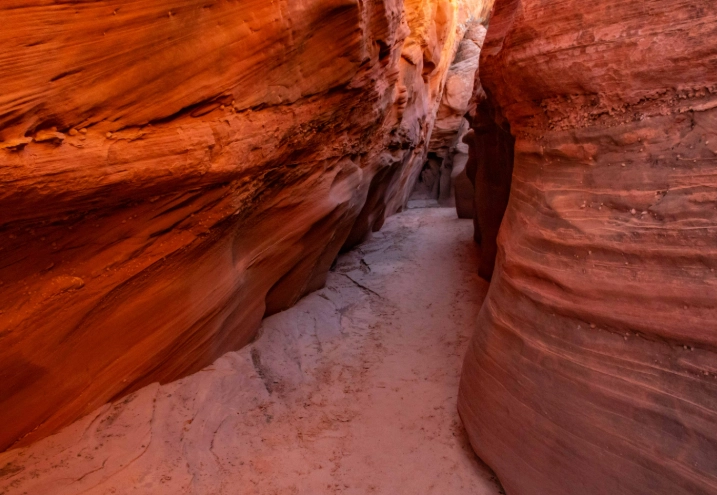
I remember my first attempt. I was buzzing with excitement, driving from Page, Arizona, with my hiking boots laced up and my camera charged. I pulled up to the area, ready to dive into the earth, only to be met with a confusing lack of signage and a sinking realization. I hadn't done the one crucial thing required to do the Waterhole Canyon slot canyon hike: get a permit. It was a rookie mistake that cost me the day. So, consider this guide everything I wish I'd known before I went, born from that initial failure and subsequent, much more successful (and absolutely breathtaking) visits.
This isn't just a list of facts. It's a deep dive into what it's actually like, the good, the slightly frustrating, and the utterly magical. We'll talk about the infamous permit system (and how to actually navigate it), what the trail is really like underfoot, whether it's worth choosing over Antelope, and all those little safety details that are easy to gloss over until you're halfway through a narrow slot with clouds gathering overhead. If you're planning your own Waterhole Canyon Arizona hike, you're in the right place.
So, What Exactly Is Waterhole Canyon?
Think of it as Antelope Canyon's more independent, less-famous cousin. Located on the Navajo Nation lands, just a stone's throw east of Page, Arizona, and south of the iconic Horseshoe Bend, Waterhole Canyon is a stunning slot canyon carved by water and wind over millions of years. It's part of the same geologic family as its famous neighbors, meaning you get those same sensuous, flowing walls, the light plays, and the profound sense of being in an ancient, narrow passageway.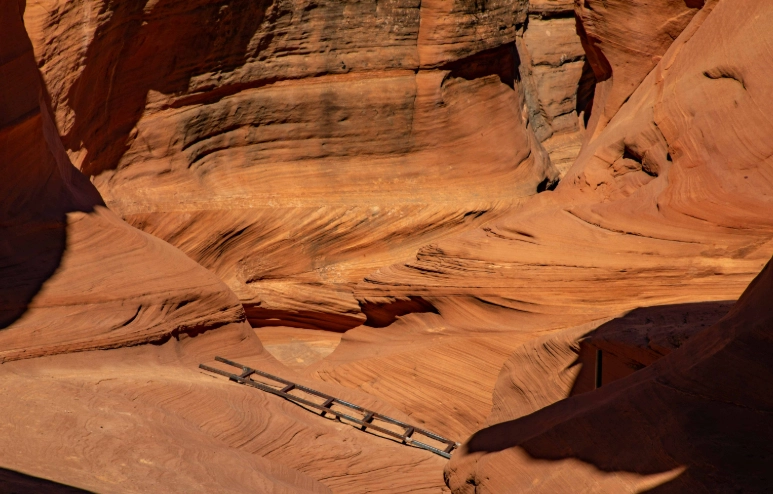
But the vibe is completely different. There are no guided tour groups herding you through, no designated walkways, and no set schedule. Your Waterhole Canyon Arizona hike is a self-guided adventure. You're responsible for yourself. That freedom is its biggest draw and its most significant responsibility. You move at your own pace, you find your own quiet moments, and you make your own decisions about which rocky obstacles to scramble over. It feels more like a discovery than an attraction.
The silence inside is what got me. One minute you're on the flat, scrubby desert plateau, the next you've descended into this cool, shaded world of stone. All you hear is the crunch of your own footsteps and maybe the distant coo of a dove. After the bustle of Page, it's a total reset for the senses. You really feel like you've found a secret.
The #1 Thing You CANNOT Forget: The Permit
This is the gatekeeper for the entire experience. You must have a permit to hike Waterhole Canyon. It's non-negotiable. The canyon is on Navajo Nation land, and the permit system helps manage visitation, preserve the fragile environment, and respect the land. Trying to hike without one isn't just ethically wrong; it can result in a hefty fine and you being turned away.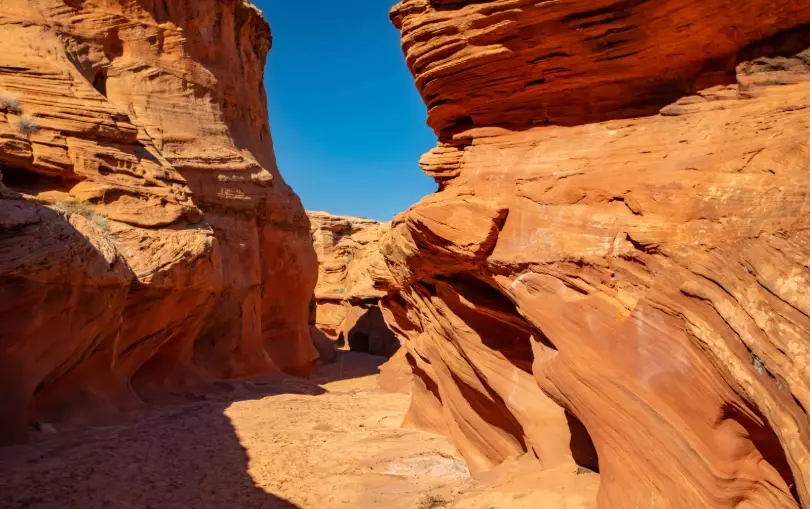
Here’s the current lowdown on getting one (but always double-check as processes can evolve):
- Where: Permits are issued by the Navajo Parks & Recreation Department. Your best bet is to go directly to their office in Page, Arizona. The address is 64 Lake View Drive, Page, AZ. Don't rely on buying one online for Waterhole—it's often an in-person process.
- When: Go the day before your planned hike, or early in the morning on the same day. The office has specific hours, so check their official site. Don't leave it for the last minute.
- Cost: Expect to pay a per-person fee (it was around $12-$15 per person last I checked, plus a vehicle fee). It's a small price for the access.
- What you'll get: They'll give you a physical permit and, crucially, a map and directions to the unmarked trailhead. This map is gold. The entrance isn't obvious.
Heads up: The permit system is the most common pain point for visitors. Sometimes the office is unexpectedly closed, or the rules have shifted slightly. Calling ahead (if you can get through) is a wise move. I've heard stories of people driving from Las Vegas only to find the permit office closed for a local holiday. A little preparation here saves a massive headache.
So, is the hassle worth it? For a true slot canyon experience away from the crowds, absolutely. But if the idea of navigating permits stresses you out, a guided tour elsewhere might be a better fit.
The Waterhole Canyon Hike: A Step-by-Step Breakdown
Okay, you've got your permit clutched in your hand. Now what? The adventure begins.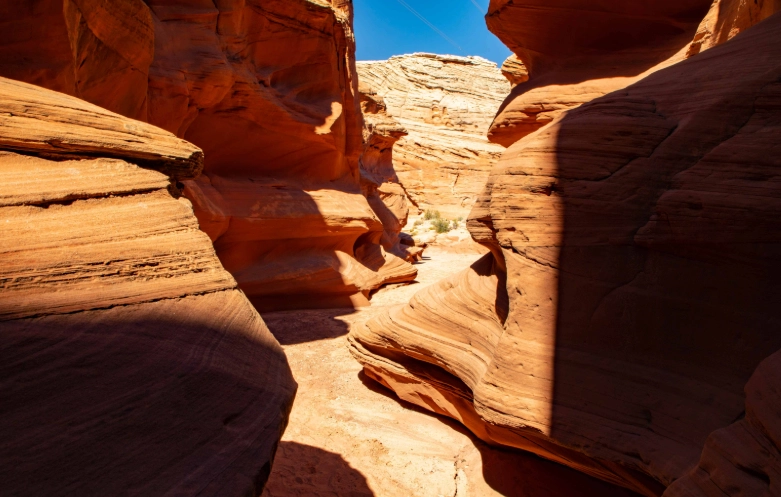
Finding the Trailhead & The Descent
The directions from the permit office will lead you to a specific mileage marker on Highway 98. You'll turn off onto a dirt road. It's not marked with a fancy sign saying "Waterhole Canyon." You're looking for a very subtle break in the desert scrub. Trust the map and the mileage. Park carefully off the road.
The hike starts with a descent into the main wash. It's not a maintained trail—it's a sandy, sometimes rocky path down a short but steep slope. Good footwear is essential right from the start. You'll scramble down maybe 50-100 feet of elevation into the wide, sandy bottom of the wash. This is the "approach." You'll walk in this wash for a bit before the walls start to close in.
Navigating the Slot Canyon Section
This is the main event. The walls will gradually rise around you, and the path will narrow. The floor is mostly sand, but you will encounter obstacles.
- Scrambles: There are a few sections where you'll need to climb down (or up, depending on your direction) rock falls or small dry waterfalls. These are usually 3-6 foot drops. They are manageable for most able-bodied adults, but they require using your hands and judging your footing. It's not technical climbing, but it's not a sidewalk.
- Narrow Passages: Some parts are shoulder-width. If you have a large backpack, you might need to take it off and carry it in front of you. It adds to the adventure.
- Distance: The classic out-and-back hike through the most photogenic narrows is about 3 miles round trip. You can explore further, but most people find the best scenery is concentrated in a 1-1.5 mile stretch of the deepest canyon.
The light is everything. Midday, when the sun is high, is when you might get those famous light beams if the conditions are perfect (sunny day, enough dust in the air). But honestly, the canyon is beautiful at any time. The colors of the walls—oranges, reds, purples—seem to change with the angle of the light.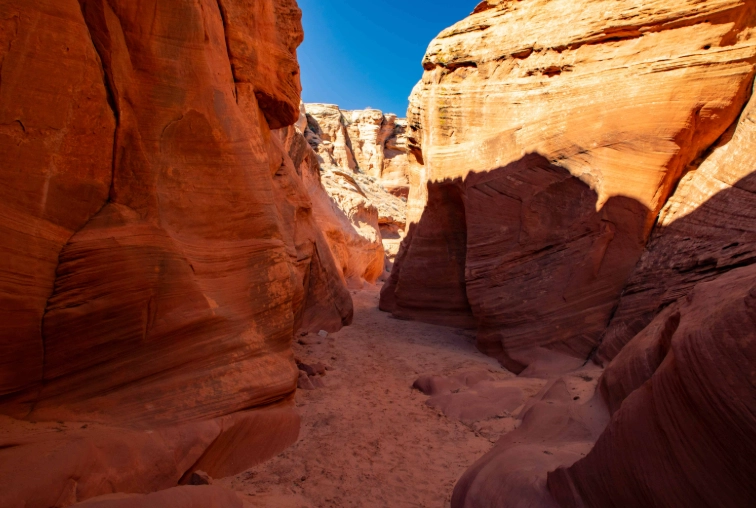
Pro Photography Tip: Forget the wide-angle for most shots. A standard or even a slight telephoto lens (like a 50mm or 85mm) is often better for capturing the textures and curves of the narrow walls. And bump up your ISO—it's dark down there!
The Hike Out
You'll retrace your steps. Remember those scrambles you came down? You'll have to go back up them. It's a bit more strenuous on the way out, especially the final climb from the wash back up to your car. Take your time, bring water, and save some energy.
Waterhole Canyon vs. Antelope Canyon: The Real Comparison
This is the big question, right? "Why should I choose Waterhole over the world-famous Antelope?" Let's break it down honestly.
| Feature | Waterhole Canyon Hike | Antelope Canyon (Upper/Lower) |
|---|---|---|
| Experience Type | Self-guided adventure. You explore at your own pace, in silence. | Guided tour only. You are in a group with a guide, on a set route and timetable. |
| Crowds | Low. You may see a few other parties, often have sections to yourself. | Very High. Can feel crowded and rushed, especially at peak times. |
| Cost & Logistics | Lower per-person cost, but requires personal effort to secure permit and find trailhead. | Higher tour cost, but all logistics (transport from Page, entry) are handled for you. |
| Physical Difficulty | Moderate. Involves scrambling, uneven terrain, no handrails. Requires good mobility. | Easy to Moderate. Well-traveled paths, ladders in Lower Antelope. Guides assist. |
| Photography | Unhurried, time to set up shots. No one will walk into your frame. Light beams less guaranteed. | Often rushed. Guides may help with camera settings, but you shoot from designated spots. |
| "Wild" Feeling | High. It feels raw, natural, and undiscovered. | Low. It feels like a managed, world-class attraction (because it is). |
My take? If you are a competent hiker who values solitude, adventure, and a sense of discovery, the Waterhole Canyon Arizona hike is a profoundly rewarding choice. If you prefer a guaranteed, logistically simple, and more accessible experience with the highest chance of seeing those iconic light beams, book a tour of Antelope Canyon. They are fundamentally different products. You can also do both—they offer complementary experiences.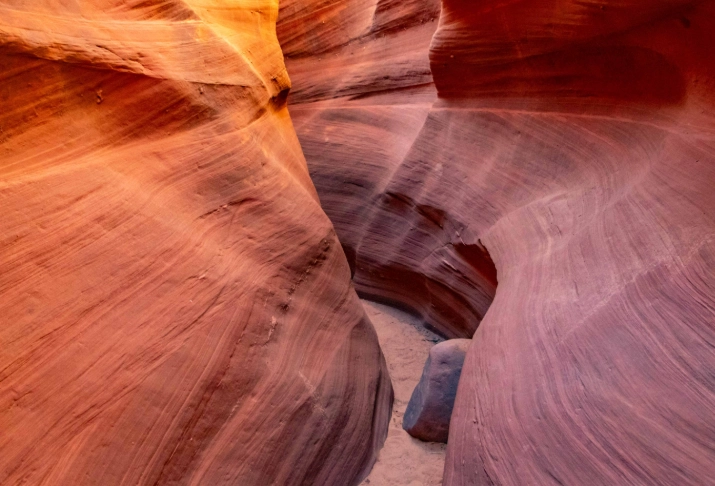
Essential Gear for Your Hike: Don't Skimp
This isn't a city stroll. Proper gear makes the difference between an awesome day and a miserable one.
The Non-Negotiable Packing List
- Sturdy Hiking Shoes or Boots: Trail runners are okay for some, but boots with ankle support are better for the scrambles and uneven sand. No sandals or flip-flops.
- More Water Than You Think: At least 3 liters per person, even for the short hike. The desert air is deceptively dry. I carry a 3L hydration bladder and an extra bottle.
- Permit & Map: Keep them in a zip-lock bag.
- Headlamp or Flashlight: Even if you don't plan to be there late. Slot canyons are dark, and if you drop something in a shadowy corner, you'll need light to find it.
- High-Energy Snacks: Nuts, bars, jerky.
Highly Recommended: Hiking poles (great for the sandy wash and the scrambles), a wide-brimmed hat for the approach/departure, sunscreen, and a basic first-aid kit (blister patches are a lifesaver).
For Photographers: A tripod (small travel one is fine), lens cloth (dust is everywhere), and extra batteries. You'll be shooting in low light, which drains power.
Safety: This is Serious Business
Slot canyons are beautiful but potentially dangerous environments. A clear sky overhead doesn't mean it's safe. Flash floods are the #1 danger. Water from a distant rainstorm can funnel into the canyon with terrifying speed and power, even if it's not raining where you are.
- Always, always check the weather forecast. Do not enter if there is any chance of rain in the area, even miles away. The National Weather Service site is your best friend.
- Tell someone your plans. Where you're hiking, when you expect to be back. Cell service is unreliable.
- Be aware of your surroundings. Look for high-water marks on the walls (lines of mud/debris) and note potential escape routes to higher ground, though they are few and far between in a deep slot.
- Heat exhaustion is a real risk in the open sections. Hike during cooler morning or late afternoon hours in summer.
Flash Flood Rule of Thumb: If the weather looks even slightly questionable, choose a different activity. No photo is worth the risk. The power of a flash flood is absolute and deadly. The permit office will also advise you on current conditions—listen to them.
When is the Best Time for a Waterhole Canyon Hike?
Spring (April-May) and Fall (September-October) are ideal. Temperatures are mild. Summer (June-August) can be brutally hot, requiring a very early start. Winter is possible, but days are short, and the canyon floor can be icy in the shade. Remember, the best light for photography is midday, which clashes with the need to avoid summer heat. Spring/Fall give you the best balance.
The canyon is open year-round, but access can be closed after rain or snow due to muddy roads and flood risk. Always call the Navajo Parks office ahead of your trip for the latest conditions.
Respecting the Land: Leave No Trace
You are a guest on Navajo land. This is a sacred landscape to the Navajo people. The principles of Leave No Trace are not just suggestions here; they are imperatives.
- Pack out everything you pack in. Every wrapper, every scrap.
- Do not carve or write on the walls. The graffiti I've seen in some corners is heartbreaking and permanently damaging.
- Stay on the established path/sandy floor. Don't climb on delicate walls or formations.
- Be respectful of the silence and the space. It's a place for quiet appreciation.
Frequently Asked Questions (The Stuff You're Really Wondering)
Do I need a guide for Waterhole Canyon?
No, it's a self-guided hike. That's the whole point. But you do need the permit from the Navajo Nation, which acts as your permission slip.
Is the Waterhole Canyon hike difficult?
I'd rate it as moderate. It's short, but the terrain is uneven, sandy, and involves a few simple scrambles. If you have bad knees, limited mobility, or a fear of confined spaces, it could be challenging. For an average hiker in decent shape, it's very doable and incredibly fun.
Can I see light beams like in Antelope Canyon?
It's possible, but less guaranteed. The orientation and narrowness of Waterhole mean the sun needs to be at a precise angle, and you need enough particulate in the air. I've seen beautiful shafts of light, but not the dense, dramatic beams you see in Antelope marketing photos. Go for the canyon itself, not just the beam.
Are there bathrooms at the trailhead?
No. There are no facilities of any kind. Use the restroom in Page before you drive out.
Is it kid-friendly?
For older, sure-footed, and attentive kids who are used to hiking, yes. For young children or those who wander, I'd say no. The scrambles and constant need for awareness make it better for teens and adults.
How does it compare to other slot canyons near Page?
It sits in a sweet spot. It's more accessible and dramatic than the nearby Rimrocks or Cathedral Wash, but less crowded and regimented than Antelope. It's the perfect choice for someone who wants a real adventure without a multi-day commitment or technical canyoneering skills.
Final Thoughts: Is It Worth It?
Let's be real. The Waterhole Canyon Arizona hike requires more legwork than booking a tour online. You have to go get a permit in person, find an unmarked trailhead, and navigate the terrain yourself. There's a bit of uncertainty.
But that's also why it's special.
When you finally stand alone in that cool, silent corridor of stone, with no one telling you when to move on, you'll understand. You traded convenience for authenticity. The memory of my successful hike, after my initial permit failure, is one of my favorites from the Southwest. The colors, the quiet, the feeling of having earned the view—it all sticks with you.
So, if you're up for a little planning and a lot of awe, get that permit, lace up your boots, and go find your own quiet corner of the sandstone world. Just remember to check the weather first.
Reader Comments