Let's clear something up right away. When you search for "Arizona National Parks Sedona," you're probably picturing those famous fiery red rock formations. Here's the thing: Sedona itself isn't a national park. It's a city surrounded by Coconino National Forest land and two incredible state parks that feel national in scale. The real national park sites are a short, scenic drive away. This distinction trips up a lot of first-time visitors and shapes your entire trip planning. Getting it right means you won't miss the hidden gems or waste time figuring out passes and permits.
I've spent over a decade exploring every canyon and vortex around here. The most common mistake I see? People try to cram Sedona and the Grand Canyon into a single day. It's a recipe for exhaustion, not enjoyment. This guide will untangle the geography, give you the exact details you need for each site, and help you build an itinerary that actually lets you experience the magic, not just rush through a checklist.
Your Quick Navigation Guide
Is Sedona a National Park? Let's Clarify
Sedona is a city in Arizona. Its stunning landscape is primarily managed by the U.S. Forest Service as part of the Coconino National Forest. You don't need a national park pass to see the famous red rocks from the roadside or visit most downtown areas.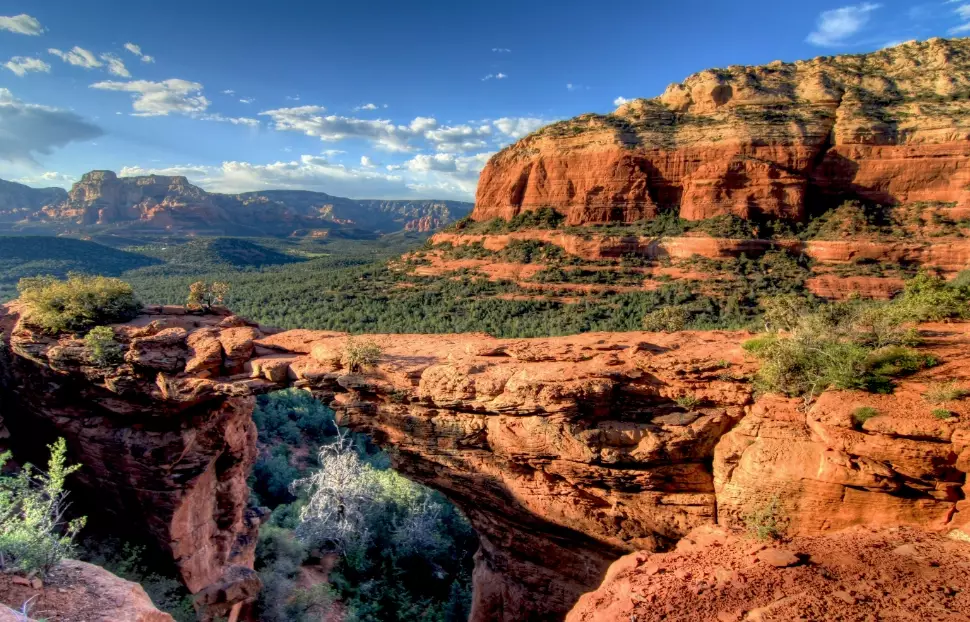
However, two state-managed parks within the Sedona area are so significant they're often mistaken for national parks:
Red Rock State Park: This 286-acre park is a dedicated nature preserve and environmental education center. It protects a critical riparian habitat along Oak Creek. Think of it as the curated, intimate Sedona experience with guided hikes and pristine views, not the wide-open adventure zone.
Slide Rock State Park: Famous for its natural water slide in Oak Creek. It's more of a summer swimming hole destination than a hiking park. Gets insanely crowded.
The true National Park Service sites require a drive. They preserve entirely different but equally awe-inspiring aspects of Arizona's history and geology.
Key Takeaway: For your trip, budget for both a Red Rock Pass (for Forest Service trailheads and parking in Sedona) and potential National Park entrance fees for the monuments listed below. They are separate. You can buy the Red Rock Pass online or at most trailhead kiosks.
Top National Parks and Monuments Near Sedona
These are the must-visit sites within a 1-2 hour drive. Each offers a unique slice of Arizona.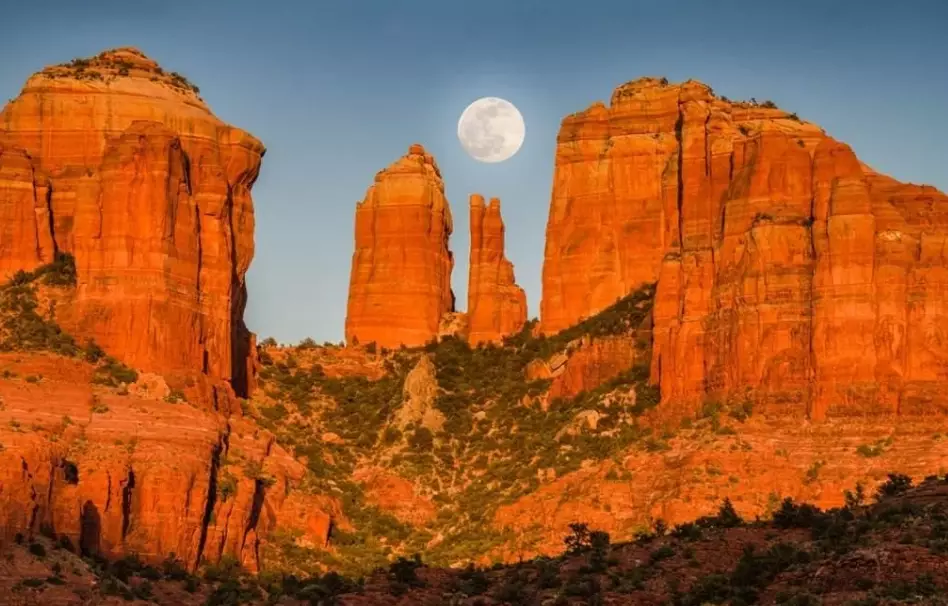
Montezuma Castle National Monument
This isn't a castle, and it has nothing to do with the Aztec emperor Montezuma. It's a 20-room cliff dwelling built by the Sinagua people around 1100 AD. It's breathtakingly well-preserved, tucked into a limestone cliff face. The self-guided trail is a flat, easy 0.3-mile loop. The visitor center is small but excellent.
- Address: Montezuma Castle Rd, Camp Verde, AZ 86322
- Drive from Sedona: About 40 minutes south via I-17.
- Hours: 8:00 AM - 5:00 PM daily (check the National Park Service website for seasonal changes).
- Entrance Fee: $10 per adult (16+). Valid for 7 days. America the Beautiful Pass accepted.
- Don't Miss: The view of the dwelling from the trail. Bring binoculars to see the construction details up close.
Tuzigoot National Monument
Often visited as a combo with Montezuma Castle (they're 20 minutes apart). Tuzigoot is a pueblo ruin on a hilltop overlooking the Verde River Valley. You can walk through and into some of the reconstructed rooms. The 0.3-mile trail to the hilltop is a bit steeper but short. The 360-degree views are the real reward.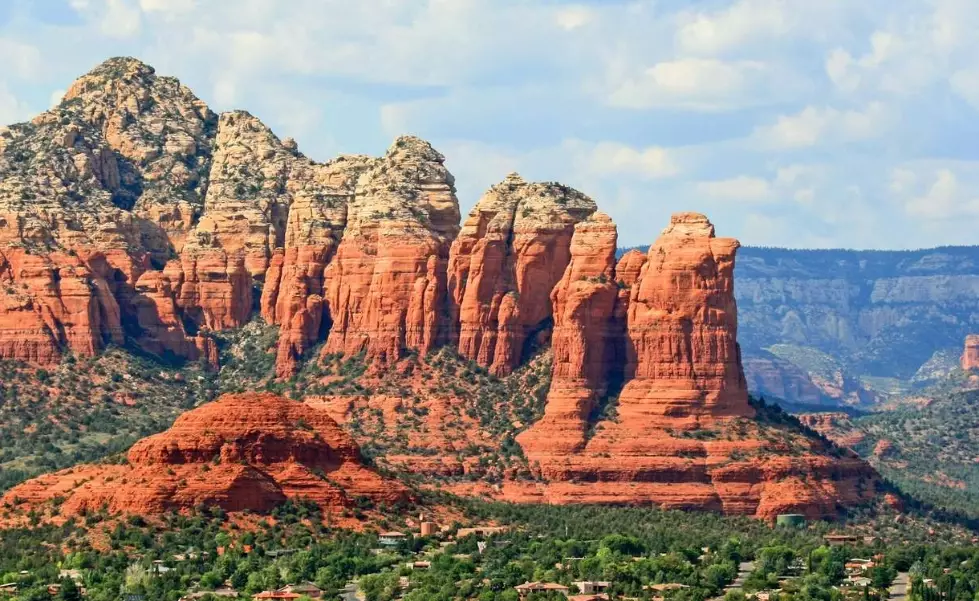
- Address: 25 Tuzigoot Rd, Clarkdale, AZ 86324
- Fee: Covered by the same $10 ticket from Montezuma Castle.
- Pro Tip: Do Montezuma Castle first, then Tuzigoot. The contrast between the cliff dwelling and the hilltop pueblo really highlights the Sinagua's adaptability.
Red Rock State Park: The Sedona Hiking Hub
This is your go-to for a guaranteed, accessible, and beautiful Sedona hiking experience. The trails are well-marked, the ecology is protected, and it's less chaotic than some of the free Forest Service trailheads.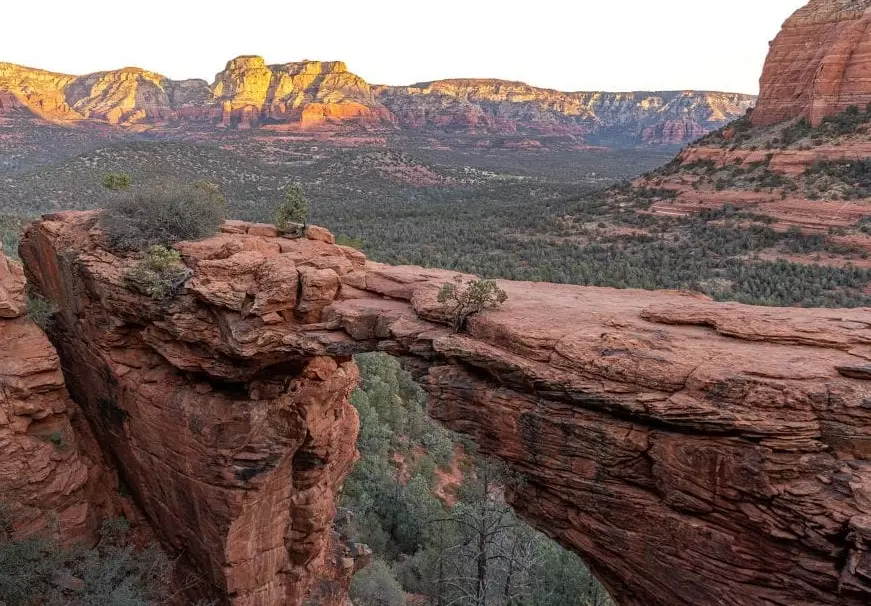
| Feature | Detail |
|---|---|
| Address | 4050 Red Rock Loop Rd, Sedona, AZ 86336 |
| Entrance Fee | $7 per adult (14+), $4 for youth (7-13). Separate from Nat'l Park passes. |
| Operating Hours | 8:00 AM - 6:00 PM (Gate closes at 4:30 PM) |
| Best Trail for Views | Eagle's Nest Loop (combined with Apache Fire trail). Moderate, 2-mile loop with panoramic vistas. |
| Easy Family Hike | Kisva Trail along Oak Creek. Flat, shady, and peaceful. |
| Unique Offer | Daily guided nature walks and birding tours. Check the schedule. |
Avoid the Crowds: The most overhyped spot near Sedona is the Chapel of the Holy Cross. It's a beautiful building, but the parking lot is tiny and the road backs up for hours. View it from a distance (there are pull-offs on Chapel Road) or visit on a weekday before 9 AM if you must go up.
How to Plan Your Sedona National Parks Itinerary
Here’s a realistic 3-day plan that balances driving, hiking, and soaking in the scenery without burnout.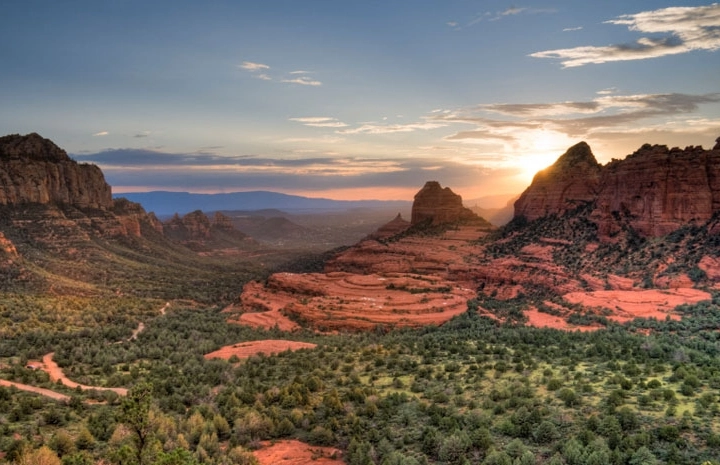
Day 1: Immerse in Sedona's Red Rocks
Morning: Hike the Cathedral Rock Trail (moderate-to-strenuous). This is a Forest Service trail, so you need a Red Rock Pass. Start at sunrise to get parking and avoid the heat. The climb involves some scrambling.
Afternoon: Recover with a scenic drive along Red Rock Scenic Byway (AZ-179). Stop at the Bell Rock Vista pullout. Later, visit Red Rock State Park for a gentler late-afternoon hike on the Eagle's Nest Loop.
Evening: Dinner in Uptown Sedona, but be prepared for wait times.
Day 2: Ancient History Day Trip
Morning: Drive south to Montezuma Castle National Monument (40 mins). Spend 1-1.5 hours there.
Late Morning: Drive to Tuzigoot National Monument (20 mins). Spend about an hour.
Afternoon: On your way back to Sedona, stop in the historic town of Jerome for lunch (it's a ghost town turned artist colony perched on a mountainside). The drive back from Jerome to Sedona via 89A is spectacular.
Evening: Relax at your accommodation.
Day 3: Choose Your Adventure
Option A (More Hiking): Tackle the Devil's Bridge Trail (early start is non-negotiable) or explore the Boynton Canyon area.
Option B (Scenic & Cultural): Drive the stunning Oak Creek Canyon (89A) north toward Flagstaff. Stop at Slide Rock State Park (if it's not packed) or just at the canyon overlooks. You can extend this to visit Wupatki National Monument and Sunset Crater Volcano NM near Flagstaff if you're up for more driving.
Essential Sedona Hiking and Photography Tips
Hydration is everything. I carry a 3-liter bladder even on short hikes. The dry air dehydrates you faster than you think.
Footwear is not a place to compromise. Trail runners or hiking boots with good grip are mandatory for the slickrock sandstone. I've seen too many people in sneakers struggling dangerously on slopes.
For photography, the light is everything.
The "golden hour" before sunset is good, but the absolute best light on the red rocks is often the first 30 minutes after sunrise. The low angle creates deep, warm shadows and makes the rocks glow. At sunset, the west-facing cliffs (like Cathedral Rock) light up, while east-facing ones (like Bell Rock) fall into shadow.
A polarized filter will make the reds pop and cut the haze.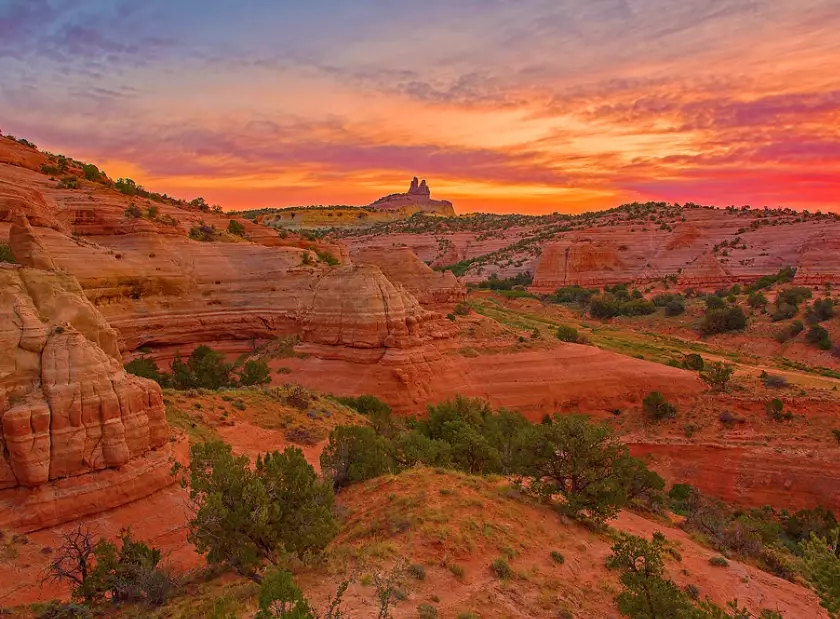
Reader Comments