Red Hollow slot canyon is one of those places that doesn't shout for attention. It's not in a national park, there are no entrance gates or ranger stations. You find it tucked away off a dusty road in Southern Utah, a modest crack in the earth that opens into a world of swirling, water-sculpted sandstone. I've been hiking and photographing slot canyons for over a decade, and what makes Red Hollow special is its accessibility and its perfect, compact lesson in what makes these geological wonders so captivating. It's a manageable adventure that delivers a huge payoff—intimate narrows, beautiful light, and that feeling of discovery. But go in unprepared, and you might miss the magic or, worse, find yourself in a tricky situation. This guide isn't just a list of facts; it's the advice I wish I'd had before my first visit, packed with the nitty-gritty details you need to plan a perfect trip.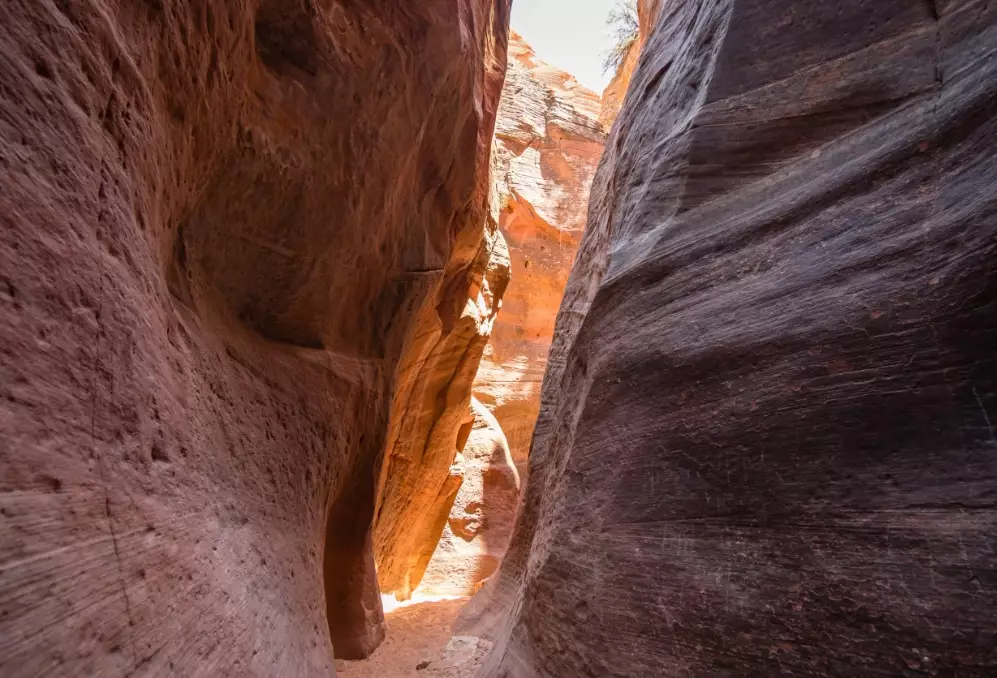
Your Red Hollow Adventure Roadmap
How to Get to Red Hollow Slot Canyon?
Let's be practical. Red Hollow is near the town of Orderville, Utah, which is itself a speck on the map between Zion National Park and Bryce Canyon. There's no official street address. You're navigating by landmarks and dirt roads.
The most common starting point is from the small parking area near the "Y" intersection of UT-89 and UT-14. From there, you head east on a well-maintained dirt road for about 1.5 miles. Look for a pull-off on the right with enough space for 4-5 vehicles. If you hit a cattle gate, you've gone about a quarter-mile too far. I use the coordinates 37.2847° N, 112.5871° W for the trailhead. Plug those into Google Maps or a dedicated GPS app like Gaia GPS. Cell service is spotty out here, so download your maps offline.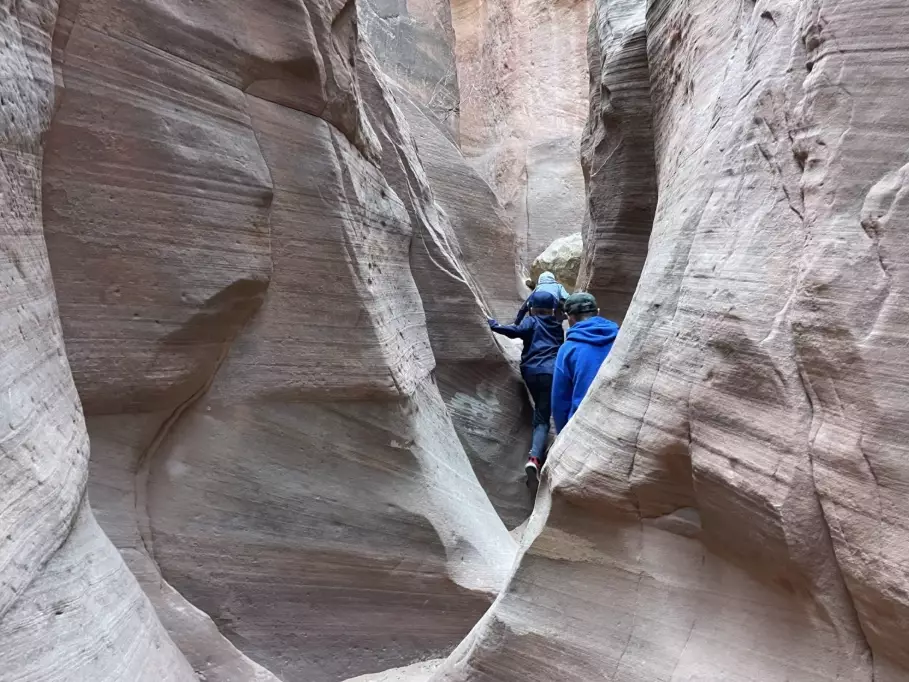
The Best Time to Visit for Photos and Hiking
Timing is everything, and for two different reasons: safety and light.
For Hiking (Safety): The absolute best seasons are spring (April-May) and fall (September-October). Daytime temperatures are mild, usually between 60-80°F (15-27°C). Summer (June-August) can be brutally hot, with the canyon acting like a stone oven. If you go in summer, start at sunrise. Winter is possible but be prepared for ice in the shadows and very cold temperatures. Always, and I mean always, check the weather forecast for flash flood risk. A storm 20 miles away can send a wall of water through the canyon. I rely on the National Weather Service and regional BLM pages for the most reliable alerts.
For Photography (Light): This is where most beginners get it wrong. They show up at noon. The canyon walls are so high that direct sunlight only penetrates the deepest parts for a short window each day. For the classic, glowing light beams and warm side-lighting, you need to be in the narrowest section between 10:30 AM and 1:30 PM during late spring to early fallThat's when the sun is high enough to peek over the rim. In winter, that window may not happen at all. For softer, more even light, an early morning or late afternoon visit is beautiful in a different, moodier way.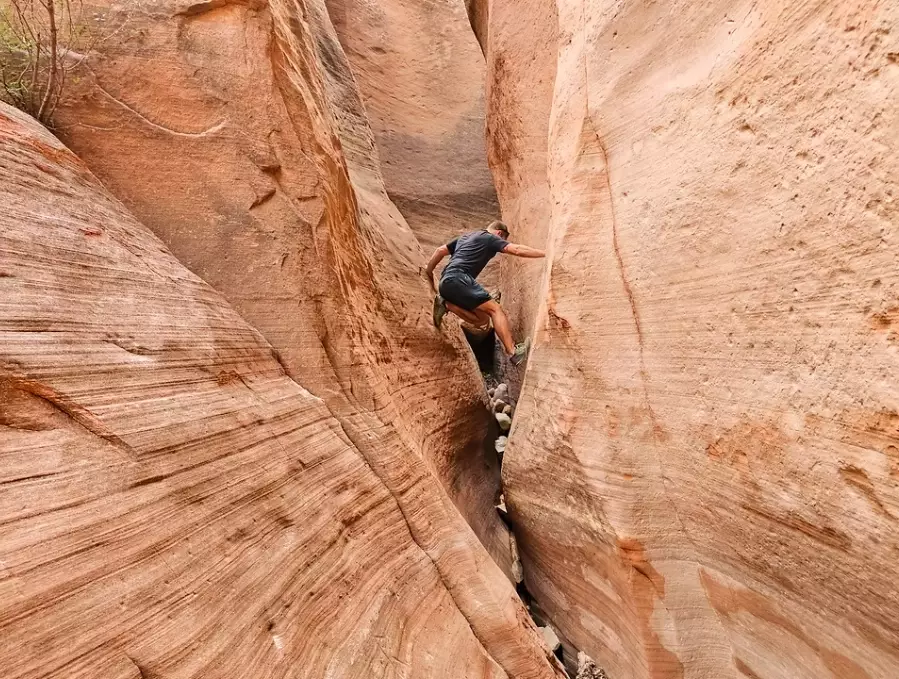
What to Expect on the Red Hollow Hike
The hike itself is short but immersive. From the trailhead, you'll follow a sandy wash for about 0.3 miles before the walls start to close in. The total round-trip distance is roughly 1.5 to 2 miles, depending on how far you explore. The elevation gain is minimal, maybe 200 feet total.
The experience changes as you go deeper. The initial section is wide and open. Then, you'll encounter a few short drops of 3-5 feet. These are easily navigable for most able-bodied people—you can sit and slide down. There's no technical climbing or ropes required for the main route. The narrowest section, the true slot, is about 200 yards long and in places only 2-3 feet wide. You'll be touching both walls with your hands. The floor is mostly sandy or flat rock.
It feels remote, but on a nice weekend, you likely won't be alone. It's gained popularity. For a more solitary experience, aim for a weekday.
Photography Secrets for Stunning Shots
I've seen folks haul in giant tripods and multiple lenses only to leave frustrated. Here’s what actually works in Red Hollow.
Gear: A wide-angle lens (16-35mm on a full-frame camera) is your best friend to capture the towering walls. A 24-70mm zoom is also incredibly versatile. Leave the giant telephoto in the car. A tripod is essential because the light inside is low. But get a small, lightweight travel tripod that you can easily maneuver in tight spaces. A full-size tripod will be a constant headache.
Technique: Shoot in RAW. The dynamic range between the bright sky at the top of the canyon and the dark shadows at the bottom is extreme. RAW gives you the data to recover details later. Use aperture priority mode (A/Av) with an aperture around f/8 to f/11 for good depth of field. Let your ISO go as low as possible (100-400) to keep noise down, and let the shutter speed be whatever it needs to be—your tripod will handle it. Look for compositions that lead the eye: curving walls, patterns in the sandstone, and those precious light beams when they appear. Don't just point the camera up; include the canyon floor or a hiker for scale.
The biggest mistake? Trying to photograph the light beams with people walking through them, kicking up dust. The dust ruins the clarity of the beam. Be patient, wait for a clear moment, or communicate with other hikers.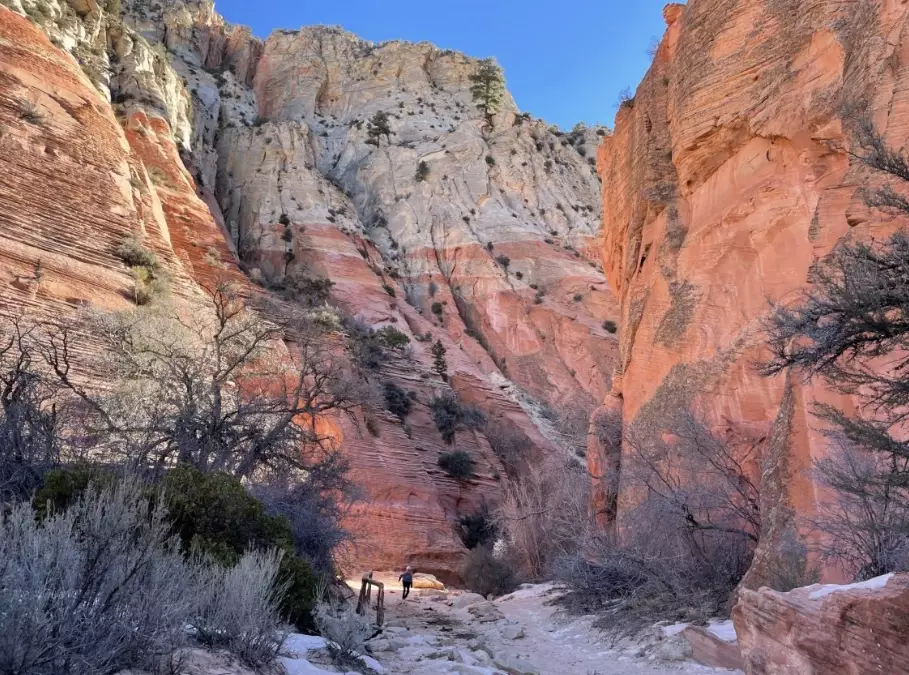
What Should You Pack for Red Hollow?
Forgetting the right gear can turn a fun hike into a miserable one. This isn't a stroll in a city park.
| Item | Why It's Essential | Pro Tip |
|---|---|---|
| Sturdy Hiking Shoes | The sandstone can be slippery, and you'll be scrambling over small rocks. Ankle support is a plus. | Trail runners are okay if they have good grip. Avoid sandals or smooth-soled sneakers. |
| Water (& More Water) | Dehydration is a real risk, even on short hikes. The dry air sucks moisture from you. | Carry at least 2 liters per person. I use a hydration bladder so I can sip constantly. |
| Headlamp or Flashlight | If you get delayed, the canyon gets dark fast. Essential for safety. | Test it before you go. A small backup light isn't a bad idea. |
| High-Energy Snacks | Keeps your energy up for scrambling and photography. | Granola bars, nuts, jerky. Nothing that will melt into a mess. |
| Weather-Appropriate Layers | Temperatures can swing 30+ degrees from day to night. The canyon is always cooler. | A light puffer jacket and a moisture-wicking base layer are my go-tos. |
| Small Backpack | To carry all this, plus your camera gear. | One with a waist strap helps distribute weight on the scrambles. |
I learned the hard way about layers. One April afternoon, it was 75°F and sunny at the trailhead. An hour later, a cloud bank rolled in, and the temperature in the canyon dropped to 45°F. I was shivering in a t-shirt.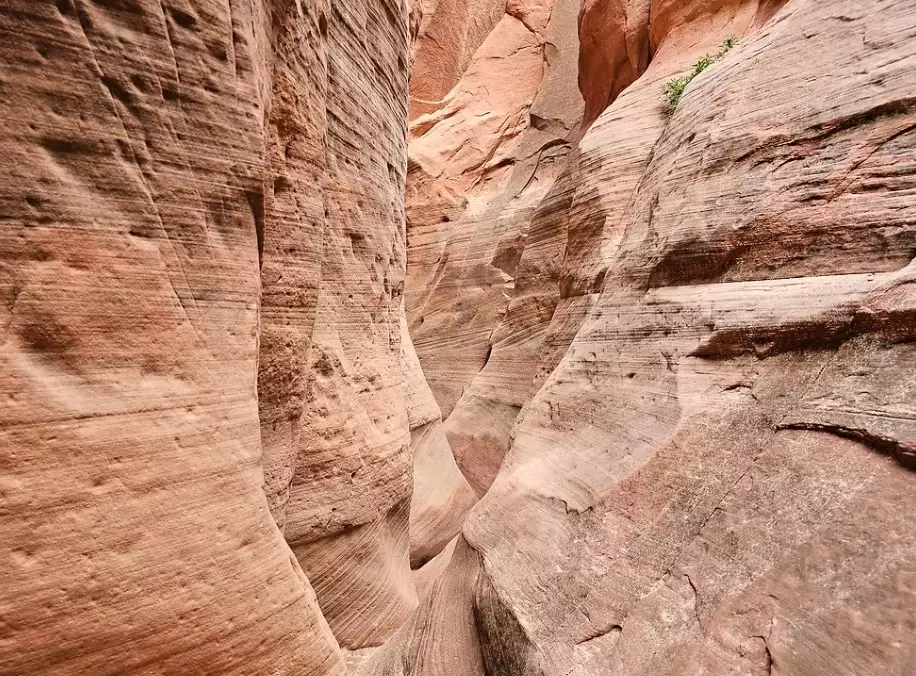
Crucial Safety Tips Most Blogs Don't Mention
Beyond the standard "check for flash floods," here are the subtle, often-overlooked risks.
Rock Stability and Scrambling
The sandstone seems solid, but it's not. Avoid pulling yourself up by rock ledges that look loose or crumbly. Test your footing. Those short down-climbs are more dangerous going back up if you're tired. Plan your exit route in your mind as you go in.
The "Social Trail" Trap
Near the canyon, you might see side paths leading up the mesa. These are social trails made by other hikers. They often lead to dead-ends or fragile ecosystems. Stick to the main wash. Getting lost on the plateau above is easier than you think and has no cell service.
Hydration Real Talk
You're not just drinking to quench thirst. You're drinking to maintain cognitive function for safe decision-making. If you start feeling a headache or irritability, you're already behind. Drink before you're thirsty.
Tell someone your plan. "Hiking Red Hollow slot canyon near Orderville, back by 4 PM." It sounds simple, but it's your best backup plan.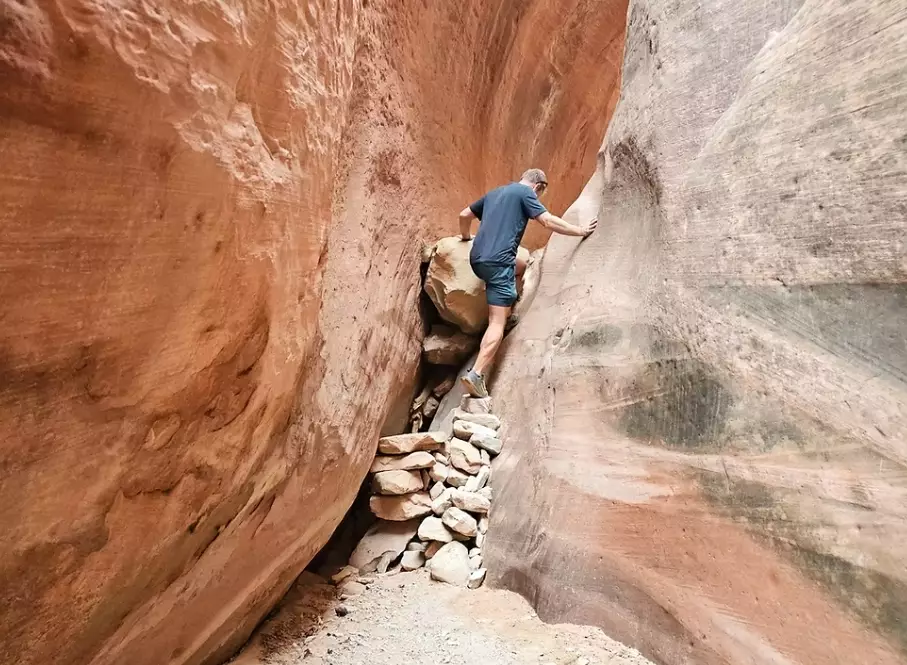
Your Red Hollow Questions Answered
 What's the one piece of gear most people forget that you never would?
Red Hollow doesn't ask for much—just a little preparation and respect. Get the directions right, watch the sky, pack your water and gloves, and step slowly into its cool, quiet heart. What you'll find isn't just a pretty space between rocks; it's a reminder of how patient forces shape our world, and a perfect little adventure waiting in the Utah desert.
Reader Comments