If you're searching for a hike that blends turquoise waters, dramatic canyon views, and a touch of remote wilderness, the Little Colorado River trail should be at the top of your list. Nestled within the Navajo Nation in Arizona, this hike isn't your average stroll—it's an experience that demands planning but rewards with sights you'll never forget. I've done this trek multiple times over the years, and each visit reveals something new, from hidden pools to tricky scrambles that most guides gloss over.
Jump to What You Need
Where is the Little Colorado River Hike Located?
The Little Colorado River flows through the Navajo Nation near the eastern edge of the Grand Canyon in Arizona. The most popular hiking access point is at the Little Colorado River Gorge, specifically off Highway 89. You'll need to drive on unpaved roads for about 10 miles from Cameron, Arizona—a small town that's your last stop for supplies. The exact coordinates for the trailhead are around 36.2°N latitude and 111.8°W longitude, but don't rely solely on GPS; cell service drops fast out here.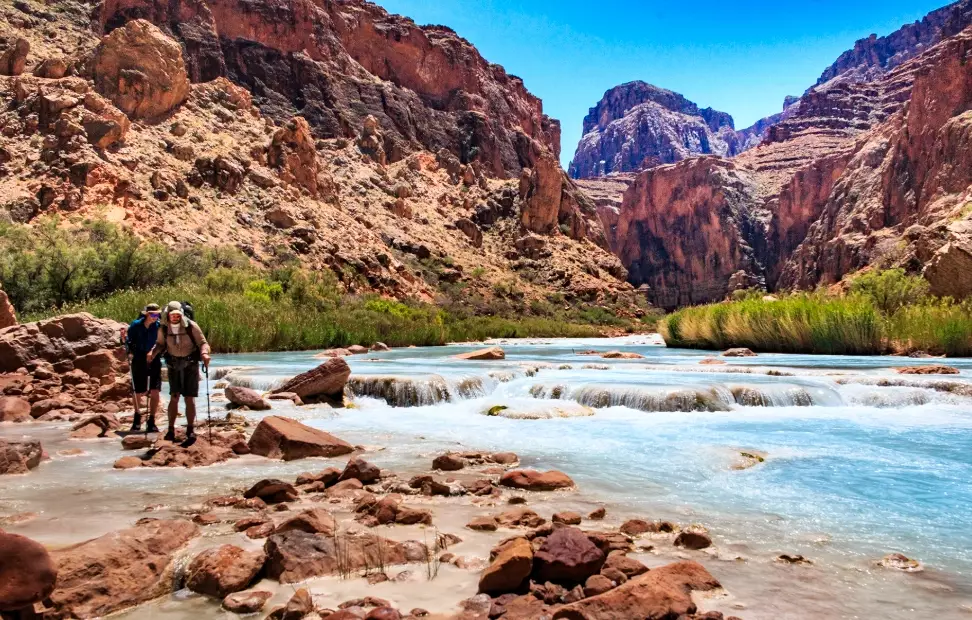
I made the mistake once of trusting my phone's map, and it led me down a washed-out road. Always check with the Navajo Parks and Recreation department for current conditions. The address isn't a standard street; it's more of a general area: Little Colorado River Tribal Park, near Cameron, AZ 86020. If you're coming from Flagstaff, it's a 90-minute drive northeast, and from Page, Arizona, it's about an hour south.
Planning Your Hike: Essential Information
This hike requires more prep than your local park trail. First, you need a permit. The Navajo Nation manages the land, and they require a day-use permit for access, which you can get online through their official site or at the Cameron Visitor Center. It costs $12 per person as of my last visit, and they're strict about it—I've seen rangers check permits at the trailhead.
Here's a quick table with all the key details:
| Detail | Information |
|---|---|
| Address | Little Colorado River Tribal Park, near Cameron, AZ 86020 (no exact street address) |
| Permit Required | Yes, from Navajo Parks and Recreation; $12 per person for day use |
| Best Time to Visit | Spring (March-May) and Fall (September-November); summers are scorching, winters icy |
| Trailhead Hours | Sunrise to sunset; no overnight camping without special permits |
| Parking | Small gravel lot at the trailhead; fills up by 9 AM on weekends |
| Nearest Town | Cameron, AZ (15 miles away); has gas, snacks, and limited amenities |
| Trail Difficulty | Moderate to strenuous; 4 miles round trip with 800 feet of elevation loss/gain |
Transportation-wise, you'll need a high-clearance vehicle, preferably 4WD, for the dirt roads. I drove a sedan once after a dry spell, and it was rough—rocks and potholes everywhere. From Cameron, take Highway 89 north, then turn onto Indian Route 6020 (a dirt road) and follow signs for the gorge. It's well-marked, but download offline maps from sources like the National Park Service's Grand Canyon page for backup.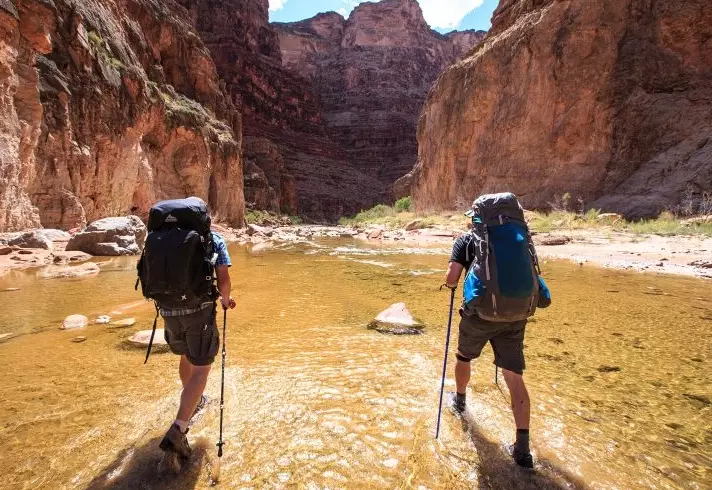
The Trail Experience: What to Expect
The hike down to the Little Colorado River is about 2 miles each way, but it feels longer because of the steep, rocky descent. You start at the gorge rim, where the view alone is worth the trip—turquoise water cutting through red rock. The trail isn't maintained like a national park path; it's more of a user-created route with loose gravel and occasional scrambles.
Breaking Down the Trail Sections
Section 1: The Rim to the First Switchback – This part is deceivingly easy. You'll walk along a flat, sandy path for half a mile, but watch for drop-offs. I've seen people get too close for photos and slip on the crumbly edge.
Section 2: The Steep Descent – Here's where it gets real. The trail drops 500 feet in less than a mile. You'll need to use your hands in spots, and the rocks can be slick if it rained recently. I always wear gloves for this section—saves my palms from scrapes.
Section 3: River Access Points – Once you reach the river, there are a few spots to dip your feet. The water is cold year-round, around 50°F, and the current can be strong. Don't expect to swim; it's more for wading and photos. The best area is a small beach near a confluence, but it gets crowded by midday.
Most people turn back at the river, but if you're experienced, you can explore upstream for another mile. Just know that beyond the main area, the trail fades, and you're on your own. I once spent an extra hour scrambling over boulders and found a hidden waterfall—totally worth it, but not for beginners.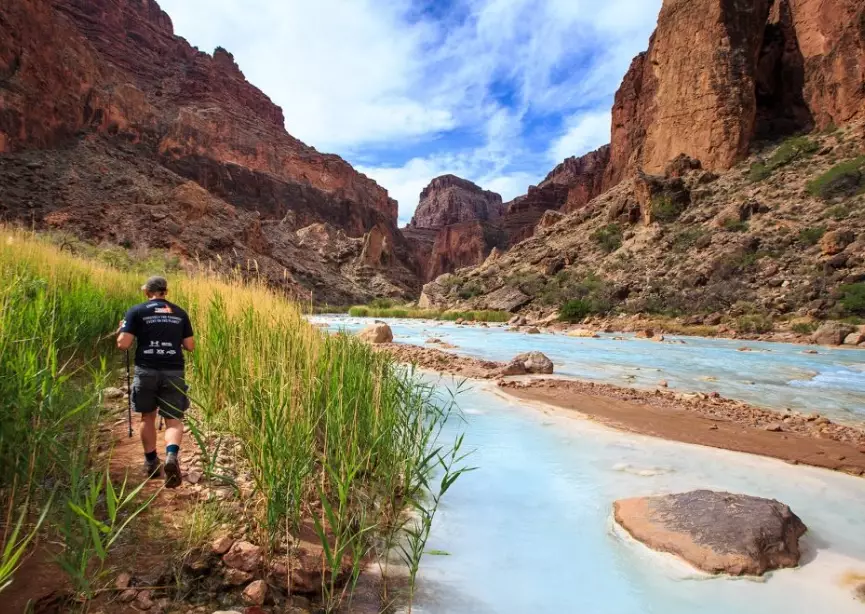
Gear and Safety Tips for the Little Colorado River Hike
Packing right makes or breaks this hike. I've learned this the hard way after forgetting water once and having to cut the trip short. Here's my non-negotiable list:
- Footwear: Sturdy hiking boots with ankle support. Trail runners won't cut it on the loose rocks.
- Water: At least 3 liters per person. There's no water source on the trail, and the sun is relentless.
- Sun Protection: Wide-brimmed hat, sunscreen, and sunglasses. The reflection off the water can burn you fast.
- Navigation: Paper map and compass, plus a GPS device. Cell phones die out here.
- First Aid Kit: Include blister pads and tweezers for cactus spines—they're everywhere.
Safety is huge. The biggest mistake I see? People underestimating the heat. Even in spring, temperatures can hit 90°F, and dehydration creeps up. Start early, like at 6 AM, to beat the crowds and heat. Also, flash floods are a real risk if rain is forecasted upstream; check weather reports from the National Weather Service for the Little Colorado River basin.
If you're hiking solo, tell someone your plan. I usually text a friend my expected return time since ranger patrols are sparse. And respect the land—this is sacred to the Navajo people, so stay on the trail and pack out all trash.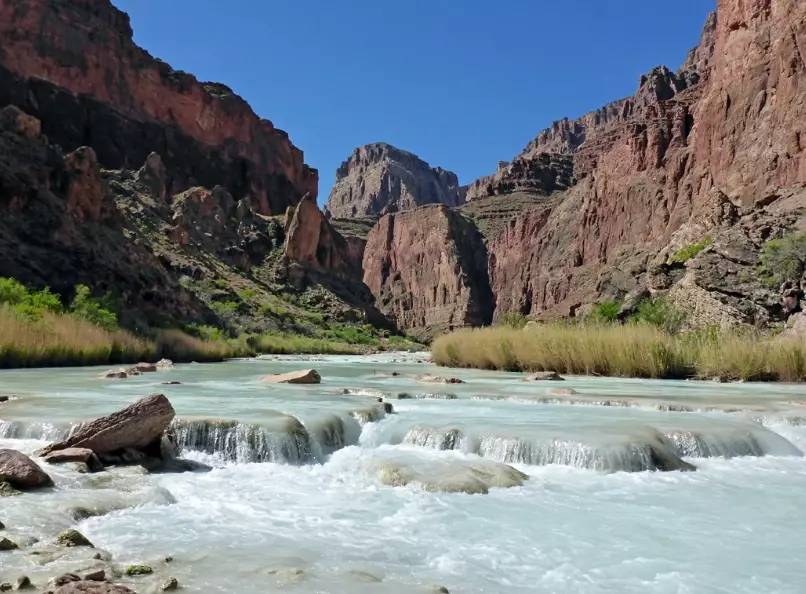
Photography and Scenic Spots Along the Trail
For photographers, this hike is a goldmine. The turquoise water against red canyon walls is iconic, but timing is everything. Early morning light, around sunrise, gives the best colors without harsh shadows. I've gotten my favorite shots at the rim just as the sun peaks over.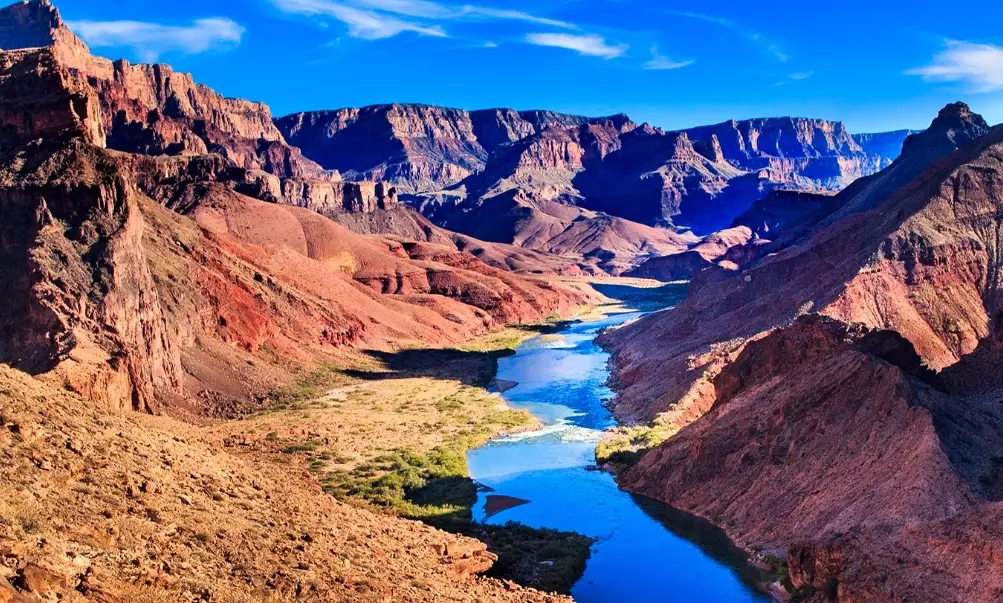
Top spots for photos:
- The Gorge Overlook: Right at the trailhead. You get a panoramic view of the river winding below. Use a wide-angle lens here.
- Mid-Trail Switchback: About halfway down, there's a bend where you can frame the river with canyon walls. It's less crowded than the bottom.
- River's Edge Beach: The classic turquoise water shot. Get low to capture reflections, but watch your step—rocks are slippery.
A pro tip: bring a polarizing filter. It cuts the glare off the water and makes those blues pop. I didn't use one on my first visit, and my photos looked washed out. Also, drones are prohibited without a permit from the Navajo Nation, so stick to handheld cameras.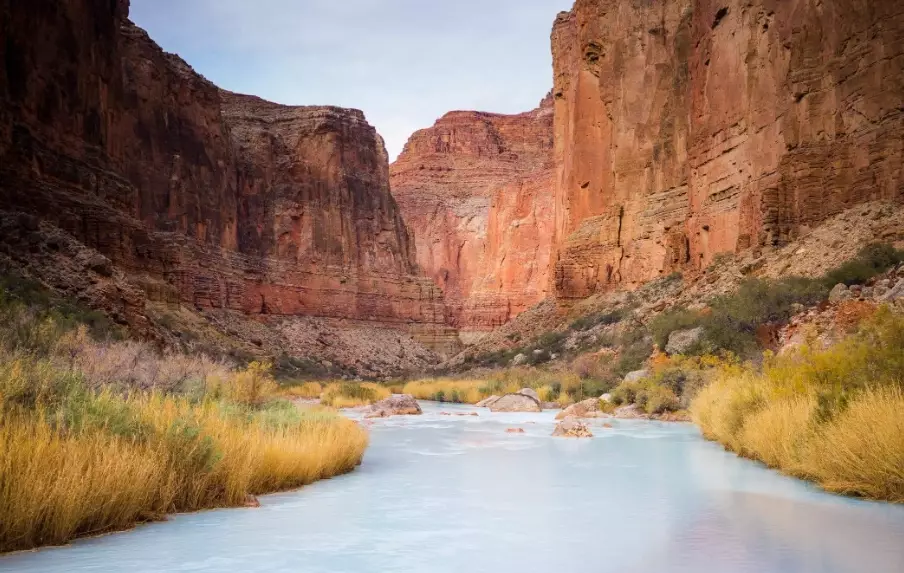
Personal Note: On my last hike, I met a group who'd hiked in at noon. They were exhausted, and their photos were full of harsh shadows. Starting early isn't just about safety—it's about capturing the magic.
Frequently Asked Questions (FAQ)
Wrapping up, the Little Colorado River hike is a gem for those willing to put in the effort. It's not a casual walk, but the rewards—those stunning views, the sense of isolation—are unmatched. Plan ahead, respect the land, and you'll have an adventure to remember. If you're looking for more details, the Navajo Parks and Recreation site has updates, and local outfitters in Cameron can offer last-minute tips.
Reader Comments