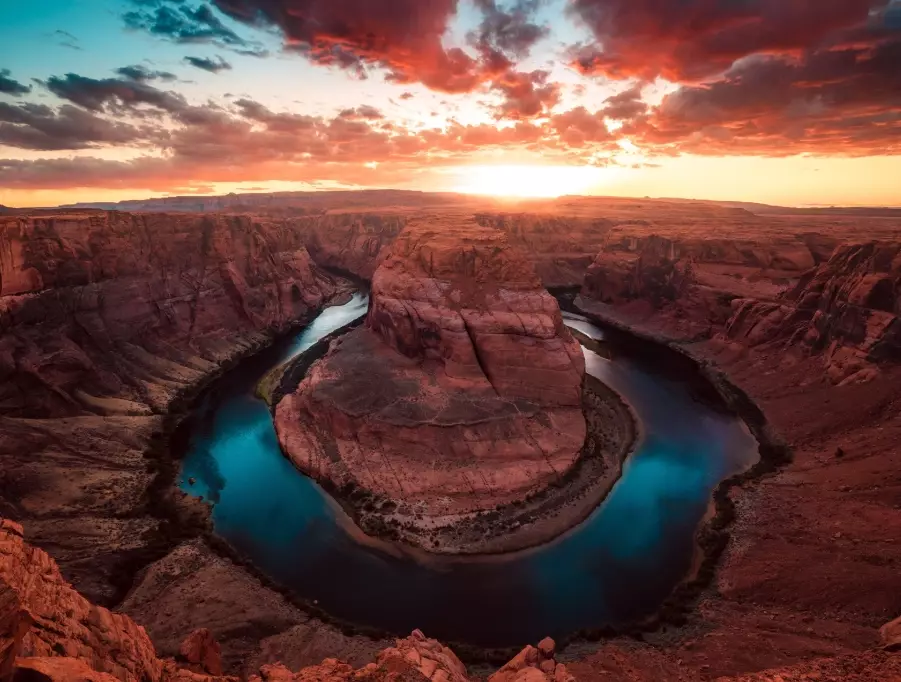
Let's cut to the chase. The Horseshoe Bend sunset isn't just another pretty view; it's a geological spectacle that feels almost unreal when the light hits it right. I've been there half a dozen times, lugging camera gear and dragging skeptical friends, and I can tell you—most guides miss the crucial details that separate a good photo from a jaw-dropping one, or a pleasant visit from a frustrating one. This isn't a generic list of facts. This is the guide I wish I had before my first trip, packed with the nitty-gritty details photographers and planners actually need.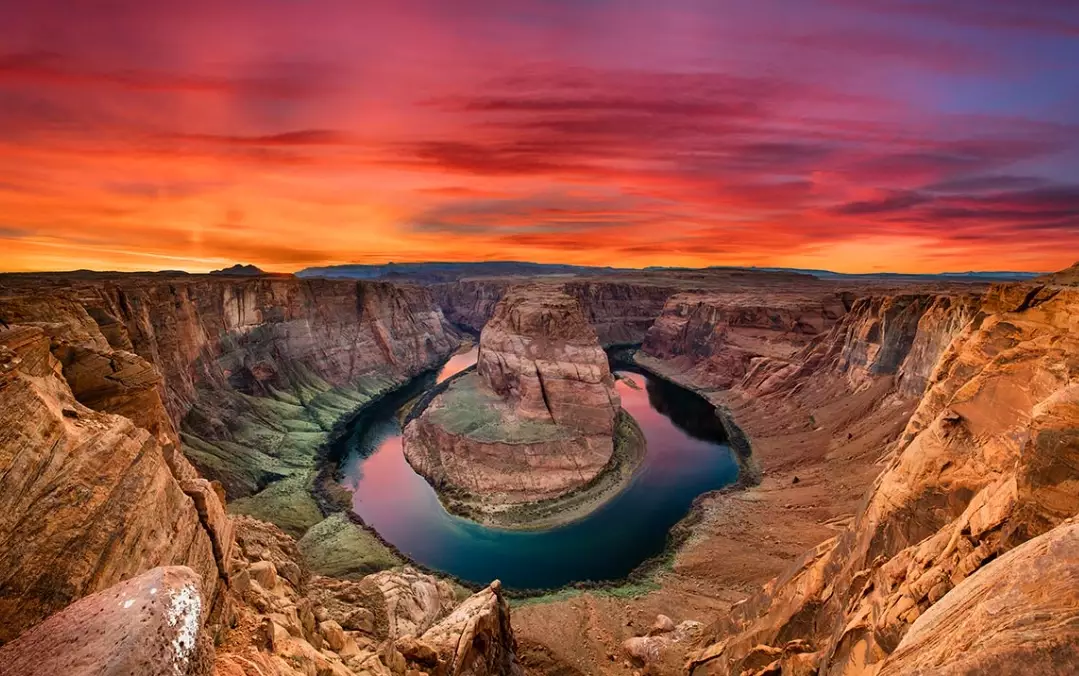
Your Quick Trip Planner
Planning Your Visit: The Non-Negotiables
First things first. Horseshoe Bend is near Page, Arizona. It's managed by the City of Page, not the National Park Service, which changes a few things.
Essential Info at a Glance
Address: Horseshoe Bend Trail, Page, AZ 86040. The parking lot is right off US-89, you can't miss the signs.
Parking Fee: $10 per car, $5 per motorcycle. They take credit cards. This fee covers parking and maintenance of the new, improved trail.
Operating Hours: The parking lot opens at sunrise and closes at sunset. They literally close the gate. If your car is inside after sunset, you'll have to wait for a ranger to let you out, and they won't be happy.
The Walk: It's a 0.75-mile (1.5 miles round-trip) paved path from the parking lot to the overlook. It's mostly flat with a slight incline at the end. Takes about 15-20 minutes each way.
Everyone talks about the walk. Few mention the micro-climate. The Colorado River is 1,000 feet below, but the rim is exposed desert. In summer, the walk back after sunset is still brutally hot. In winter, that wind whipping up the canyon will cut through any jacket. Dress in layers. Always bring more water than you think you need for the round trip.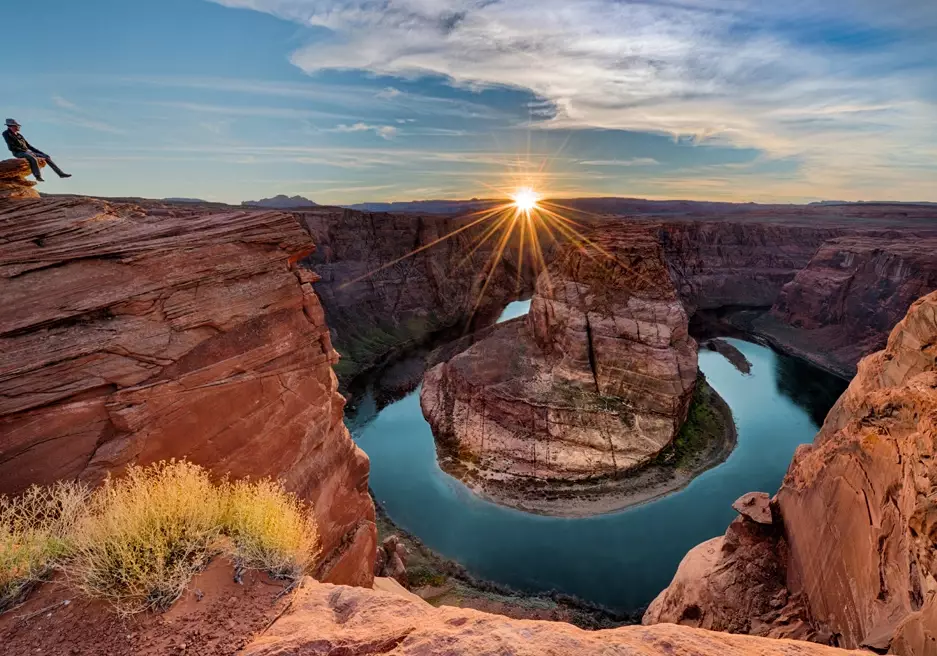
Getting There and Where to Stay
Page is your base camp. It's a small town. If you're flying, the nearest major airports are in Las Vegas (4.5-hour drive) or Phoenix (4-hour drive). From Page, it's a 10-minute drive south on US-89.
Hotels fill up fast, especially during peak seasons (spring and fall). I made the mistake of booking last-minute once and ended up in a questionable motel 30 minutes away. Book early. Here are a few reliable options:
- Lake Powell Resort: Right on the lake. Great views, easy access to other attractions like Antelope Canyon. Mid to high-range pricing.
- Wingate by Wyndham Page: Reliable, clean, includes breakfast. Usually a good value.
- Courtyard by Marriott Page: Newer property, good amenities. Expect standard Marriott pricing.
Plan to arrive at the Horseshoe Bend parking lot at least 90 minutes before official sunset. This gives you time to park (which can be a fight during peak hours), walk, secure a good spot, and set up.
The Photography Guide: Beyond the Wide-Angle Shot
Here's where most advice fails. Yes, you need a wide-angle lens. A 16-35mm on a full-frame camera is the classic choice. But bringing only a wide-angle is the biggest mistake I see photographers make.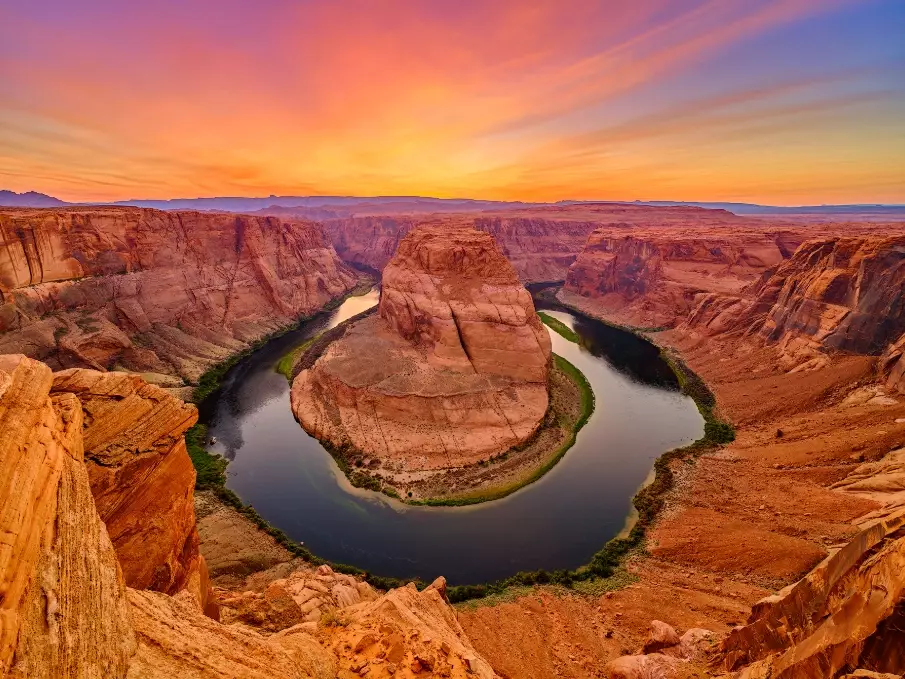
The scene is vast. A wide-angle captures it all, but the river can look tiny. As the sun sets, the real magic happens in the details—the warm light hitting the red Navajo Sandstone, the long shadows in the canyon crevices. This is where a medium telephoto lens (like a 70-200mm) becomes your secret weapon. You can isolate sections of the canyon wall, compress the perspective to make the river bend look even more dramatic, and capture the changing colors in intimate detail.
A sturdy tripod is non-negotiable. As light fades, your shutter speed will drop. You'll want it for sharpness and for bracketing exposures (shooting multiple shots at different brightness levels to blend later). A polarizing filter can help manage glare from the sky and enhance the reds in the rock, but go easy on it—too much polarization can make the sky look unnaturally dark.
Shoot in RAW format. The dynamic range between the bright sky and the deep shadowed canyon is extreme. RAW gives you the data to recover those details in editing.
When to Go: Decoding the "Golden Hour"
"Best time for sunset" isn't a single answer. It depends entirely on what you want.
| Season | Sunset Characteristics | Pros & Cons |
|---|---|---|
| Spring (March-May) | Moderate temperatures. Sun sets more directly behind the bend, creating a potential for the sunstar effect in photos. | Pro: Pleasant weather, good light angle. Con: Can be very crowded. Potential for windy days. |
| Summer (June-Aug) | Very hot. Sun sets furthest north, lighting up the eastern canyon wall (the one you stand on) beautifully. | Pro: Long days, warm glow on the foreground rocks. Con: Extreme heat, monsoon storm risk in July/Aug, largest crowds. |
| Fall (Sept-Nov) | Ideal temperatures. Sun moves back south, offering a balance of light on the canyon and river. | Pro: Best all-around conditions. Fewer crowds than spring. Con: Days get shorter quickly. |
| Winter (Dec-Feb) | Cold, shorter days. Sun sets far south, creating long shadows across the canyon floor. | Pro: Smallest crowds, dramatic shadow play. Con: Can be very cold and windy. Less golden light on the main cliff face. |
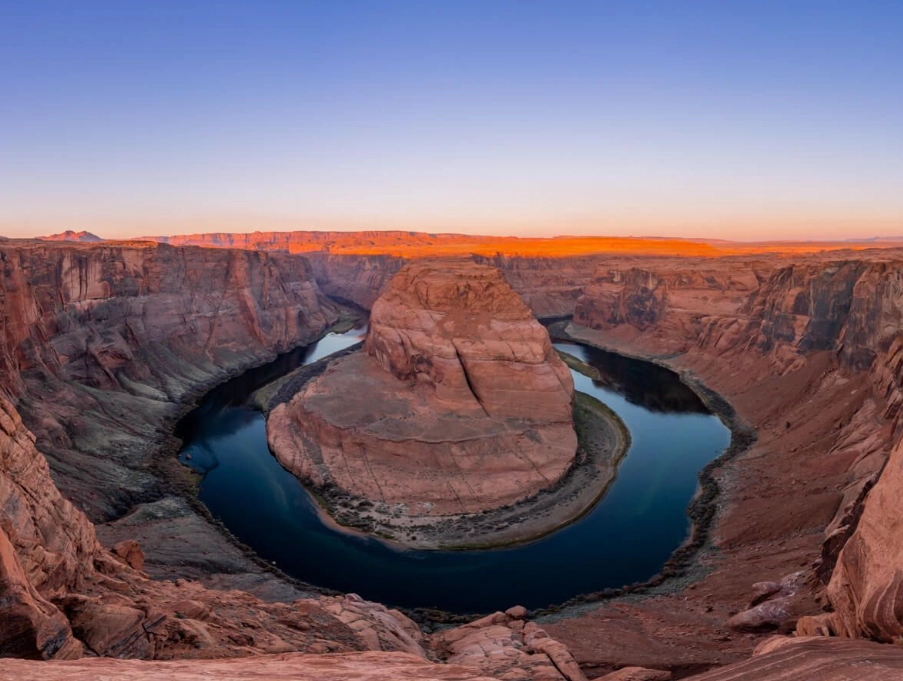
The "golden hour"—the period just before sunset—is your prime time. But the "blue hour," the 20-30 minutes after the sun dips below the horizon, is often more spectacular for photography. The sky turns deep blue and purple, the canyon becomes a dark silhouette, and any remaining clouds light up. Most people leave as soon as the sun disappears. Stay. You'll get cleaner shots and a more serene experience.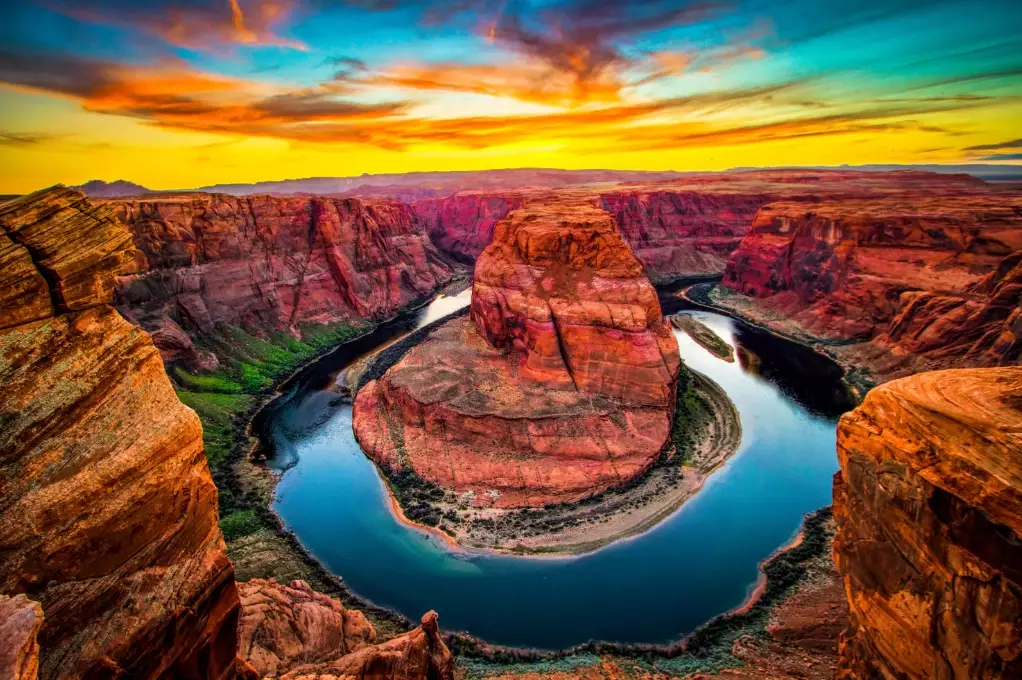
Check a reliable weather app, but also check the cloud forecast. A completely clear sky is boring. You want 30-60% cloud cover. Those clouds catch the fire of the sunset and create drama. High, thin cirrus clouds are best.
Safety and Etiquette: Don't Be That Person
Etiquette matters too. It's a shared space.
- Tripods: Don't monopolize the prime front-row spots for hours. Get your shots, then consider moving to let others have a turn, especially if you're doing long exposures or time-lapses.
- Drones: They are prohibited at Horseshoe Bend. It's a City of Page ordinance and a good one—the noise ruins the ambiance for hundreds of people.
- Leave No Trace: Pack out everything you bring in. There are trash cans at the parking lot.
- Patience: Everyone is there for the same reason. A little kindness goes a long way when it's crowded.
Your Questions, Answered
 Can I combine a visit to Antelope Canyon with a Horseshoe Bend sunset on the same day?
Watching the sun melt into the Colorado River at Horseshoe Bend is one of those travel moments that sticks with you. It's a cliché for a reason. But with the right planning—knowing the fees, bringing the right gear, arriving painfully early, and respecting the land and other visitors—you transform it from a checkbox on an itinerary into a genuine experience. Forget the rushed, crowded version you might be imagining. Do it right, and you'll leave with more than just a photo; you'll have the memory of how quiet it gets when the last light fades, with just the wind in the canyon below.
Reader Comments