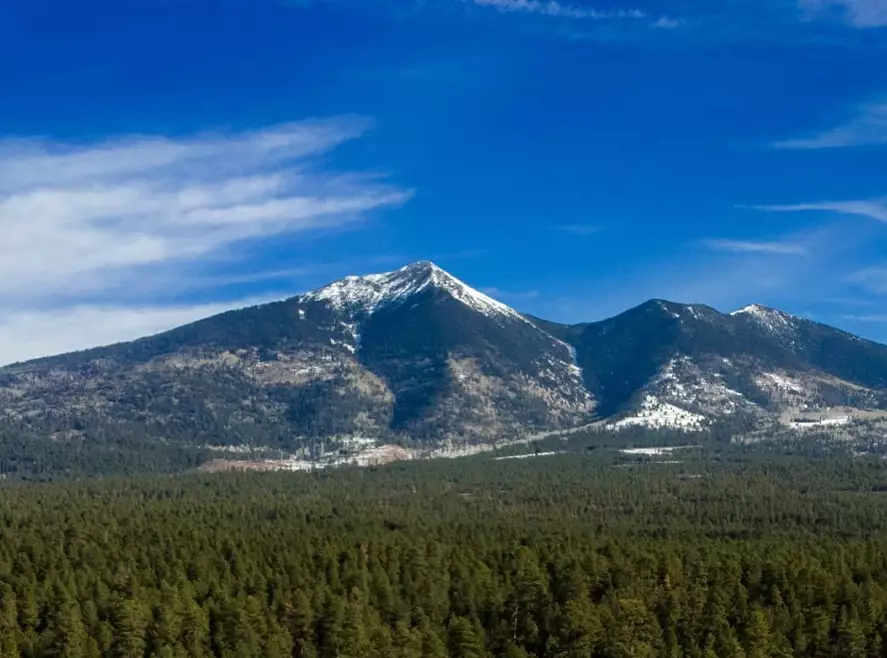
Let's cut to the chase. The "Three San Francisco Peaks" aren't in California. They're the iconic, volcanic trio that dominates the skyline north of Flagstaff, Arizona. If you're looking at a postcard from Flagstaff, you're seeing them. They are Humphreys Peak, Agassiz Peak, and Fremont Peak. Together, they form the San Francisco Peaks, the highest mountain range in Arizona and a sacred site for several Native American tribes. This isn't just a geography lesson—it's your practical guide to understanding, visiting, and hiking these mountains.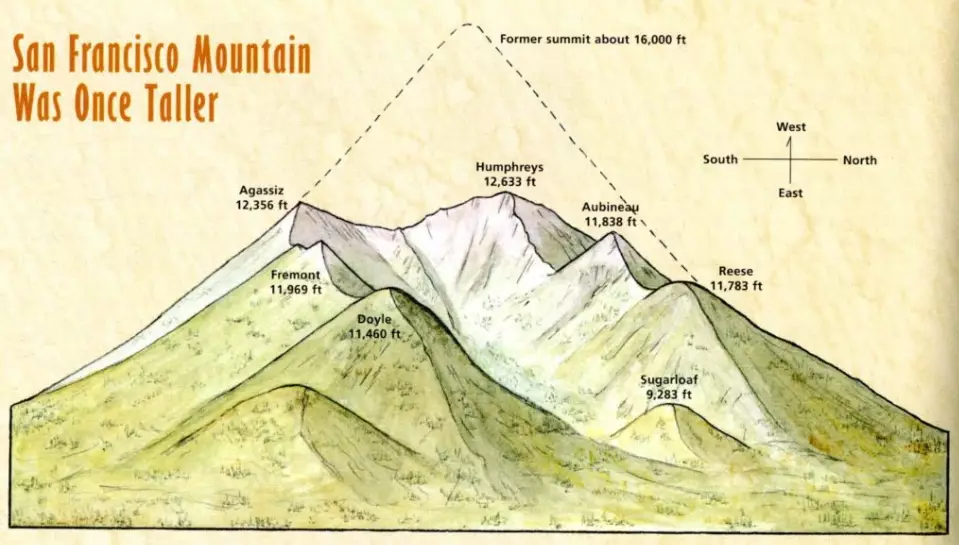
What You'll Find Inside
The Three Peaks Explained: Names, Heights & Personalities
Think of them as siblings with distinct characters. They're the remnants of a single, massive stratovolcano that collapsed long ago. Here’s the breakdown you can use to tell them apart from the lookout points in town.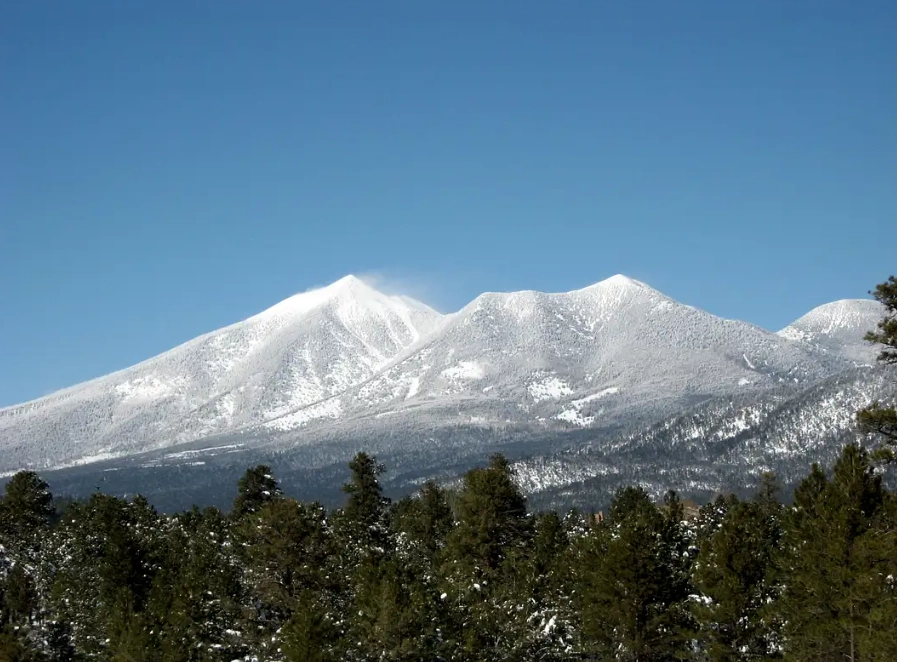
| Peak Name | Elevation (feet/meters) | Key Characteristic & Status | Visible Landmark Note |
|---|---|---|---|
| Humphreys Peak | 12,633 ft / 3,851 m | Highest point in Arizona. The only one with an official, maintained hiking trail to the summit. The goal for every serious Arizona hiker. | Look for the tallest, often snow-capped peak. The summit has communication towers visible from afar. |
| Agassiz Peak | 12,356 ft / 3,766 m | Second highest. No official public trail to the summit. Access is restricted as it lies within the Kachina Peaks Wilderness and is considered exceptionally fragile. Summit attempts require serious off-trail scrambling and are not recommended for most. | Sits right next to Humphreys, forming the dramatic saddle. Often looks just as imposing. |
| Fremont Peak | 11,969 ft / 3,648 m | Third highest. Often overlooked but offers the most accessible views of the inner caldera via the Weatherford Trail. The summit itself is also off-limits to protect the wilderness area. | The rounded peak to the southwest of the main massif. Distinct from the sharper Humphreys-Agassiz pair. |
Here's a nuance most generic articles miss: from downtown Flagstaff, you're mostly looking at the slopes of Agassiz and Fremont. Humphreys plays a bit of a hide-and-seek game, often peeking out from behind Agassiz. The best panoramic view to see all three aligned is from the Sunset Crater Volcano National Monument area to the northeast.
Quick Geography: The entire mountain massif is called the San Francisco Peaks (or San Francisco Mountain). The "Three Peaks" refer to its three highest summits. The area is managed by the Coconino National Forest. The inner basin, containing Agassiz and Fremont, is the Kachina Peaks Wilderness Area, with strict regulations.
The Hiking Guide: Trails, Permits & What to Expect
This is why you're here. You want to know how to get on these mountains. The reality is starkly different for each peak.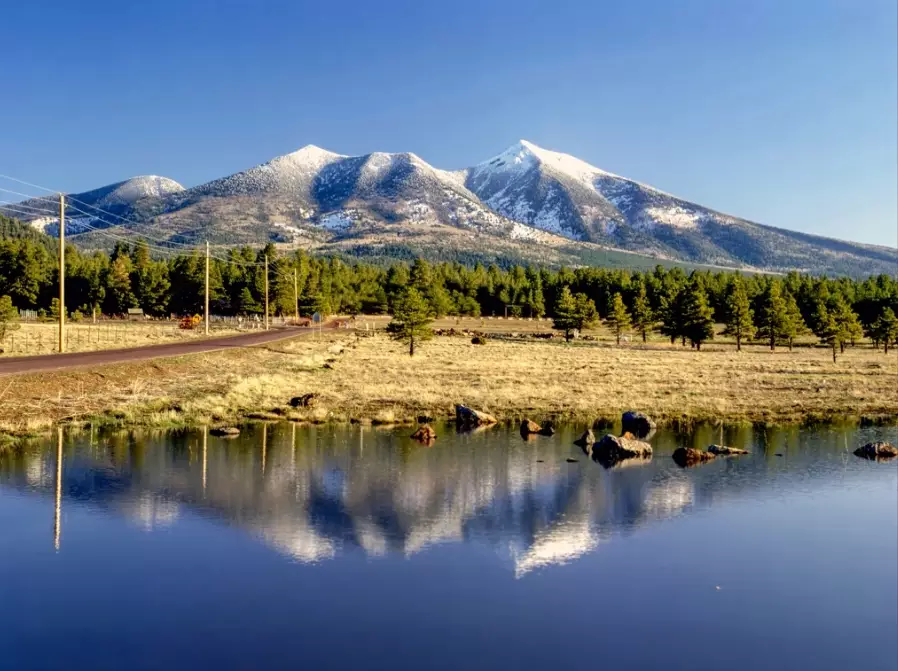
Hiking Humphreys Peak: Arizona's Rooftop
The Humphreys Peak Trail is the star attraction. It's a serious, no-joke hike.
- Trailhead: Humphrey's Peak Trailhead at the Arizona Snowbowl ski resort. Address: 9300 N Snow Bowl Rd, Flagstaff, AZ 86001.
- Parking & Fees: A U.S. Forest Service recreation pass is required. You can buy a $5 daily pass on-site or use your America the Beautiful pass. The parking lot fills up by 7 AM on summer weekends.
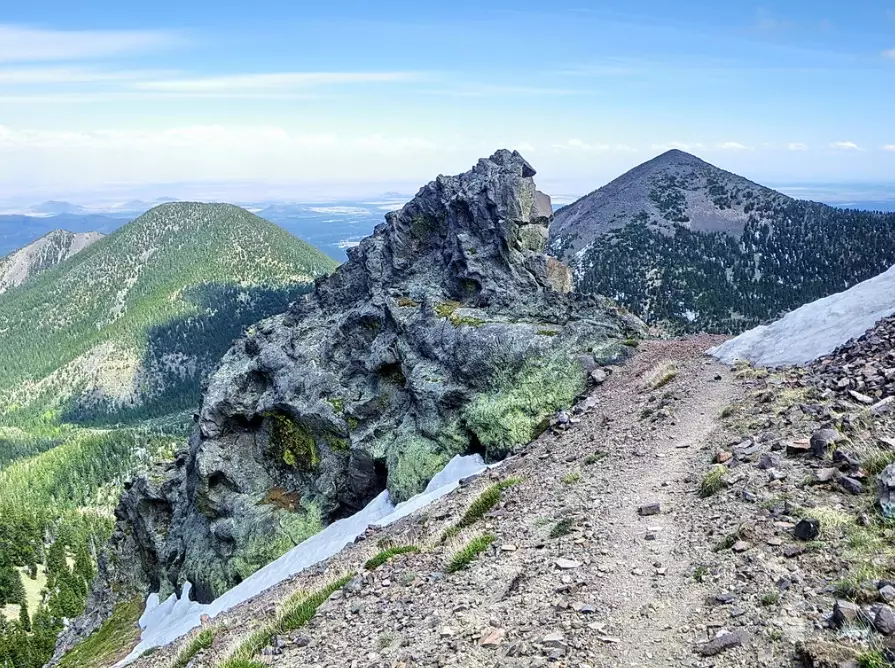
- The Route: It's 9.5 miles out-and-back with 3,300 feet of elevation gain. The trail starts in aspen and pine forests, breaks above treeline around 11,500 feet, and finishes with a rocky, exposed scramble to the summit.
- Time & Difficulty: Allow 6-8 hours. This is a strenuous hike. The altitude is the main enemy. If you're coming from sea level, spending 2 days in Flagstaff (elevation 7,000 ft) to acclimatize isn't a luxury—it's a necessity to avoid misery.
My last hike up Humphreys, I started way too late and got caught in the typical afternoon monsoon thunderstorm above treeline. It was terrifying. Summit by noon. No exceptions. The weather changes faster than you can put on a raincoat.
Exploring Agassiz & Fremont: The Boundaries
You cannot legally summit Agassiz or Fremont on a maintained trail. Their summits are within the protected Kachina Peaks Wilderness, where travel is restricted to safeguard the unique alpine tundra. However, you can get stunningly close and enjoy phenomenal hikes around them.
The Weatherford Trail is your gateway. Starting from the Schultz Tank trailhead, this long trail (often done as an overnight) contours along the slopes, offering jaw-dropping views into the inner basin between Agassiz and Fremont. You feel the magnitude of the ancient volcano here. For a day hike, go 3-4 miles in to the first major viewpoints.
The Kachina Trail on the southern slopes offers a milder, forested hike with wildflowers and peek-a-boo views of the peaks above.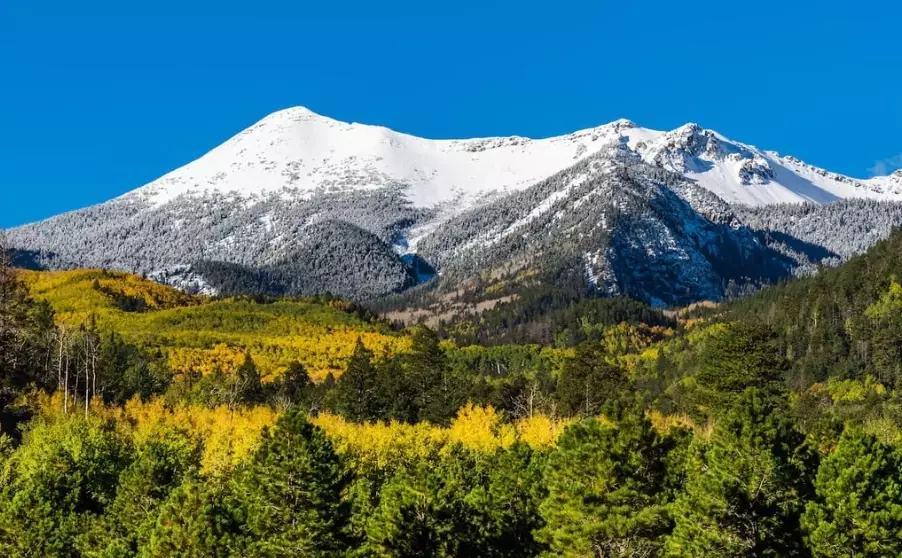
Beyond the Hike: Cultural Significance & Local Respect
This is the part many visitors miss, and it's crucial. To the Navajo (Diné), Hopi, and other regional tribes, the San Francisco Peaks are not just mountains. They are Dook'o'oosłííd (Navajo), the sacred western boundary of the Navajo universe, a living deity, and a source of medicinal plants and prayers.
The Arizona Snowbowl's use of reclaimed wastewater for snowmaking has been a major point of cultural and legal conflict for decades, highlighting the tension between recreation and reverence. As a visitor, understanding this adds a profound layer to your experience. It's not just a playground; it's a church for others. Simple acts of respect—staying on trails, packing out all trash, being quiet in solemn places—carry more weight here.
Planning Your Visit: Best Time, Getting There & Staying Safe
The Golden Window: Late June through early October. July-August bring monsoon storms (hike EARLY). September is often perfect. Snow closes the Humphreys trail usually from November to May/June. Check the Coconino National Forest website for current trail conditions.
Getting There: Fly into Flagstaff Pulliam Airport (FLG) or Phoenix (PHX) for a 2-hour drive. From Flagstaff, take US-180 north for about 14 miles to the Snowbowl Road turnoff. It's a well-signed, paved road all the way to the ski area and Humphreys trailhead.
Where to Stay:
- Camping: The US Forest Service runs the Boulder Flat and Canyon Vista campgrounds nearby (first-come, first-served, ~$20/night). Dispersed camping is allowed in much of the national forest; follow Leave No Trace principles.
- Flagstaff Hotels: Plenty of options from chains to historic inns. Book months ahead for summer weekends.
The Non-Negotiable Gear List: This isn't a city park.
- Sturdy Hiking Boots: The trails are rocky and uneven.
- Layers: Temperatures can swing 40+ degrees in a day. A moisture-wicking base layer, insulating mid-layer (fleece/puffy), and a waterproof/windproof shell are mandatory.
- Sun Protection: Hat, sunglasses, SPF 50+ sunscreen. The high-altitude sun is brutal.
- Navigation & Light: Trail map (download on AllTrails or get a physical one), headlamp with extra batteries in case you're delayed.
- Food & Water: More than you think. 3-4 liters of water per person for Humphreys. High-energy snacks.
Your Questions Answered (The Real Stuff)
Which of the three San Francisco Peaks is the easiest to hike?
Do I need special training to hike Humphreys Peak?
Can I visit the San Francisco Peaks in winter?
 Are dogs allowed on the trails?
Is there cell phone service on the hikes?
What's the biggest mistake first-time visitors make?
Reader Comments