Quick Navigation
- Why Choose Roosevelt Lake for Your Arizona Camping Trip?
- Picking Your Perfect Roosevelt Lake Campground
- When to Go: Beating the Heat and the Crowds
- What to Do Besides Sitting at Camp (The Fun Stuff)
- The Essential Packing List for Roosevelt Lake Camping
- Common Questions About Roosevelt Lake Arizona Camping
- Final Thoughts & Making It Your Own
Okay, let's talk about Roosevelt Lake. If you're searching for camping near Phoenix that feels a world away without a five-hour drive, this is your spot. It's not some manicured, overly-sanitized resort lake. It's big, it's rugged, and it has this raw Arizona beauty that gets under your skin. The water is this stunning deep blue against a backdrop of saguaro-studded hills and those iconic Superstition Mountains. It's the largest lake contained entirely within Arizona, which tells you something about the scale of the adventure waiting for you.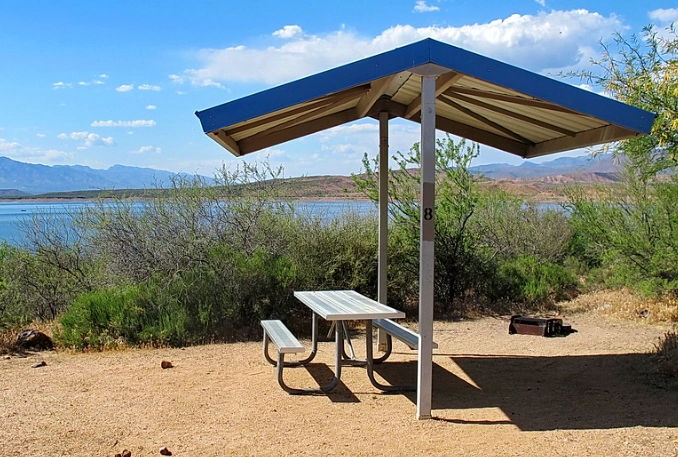
I've been out there a bunch of times – sometimes with a truck full of gear for a week of disconnecting, other times just for a quick weekend to wet a line. Every trip teaches me something new. The first time I went, I totally underestimated the sun and the wind. More on that later. This guide is everything I wish I'd known before my first Roosevelt Lake Arizona camping trip, mashed together with all the stuff I've figured out since.
We're going to get into the nitty-gritty. Where to pitch your tent (or park your RV). What to pack that you might not think of. How to actually catch fish there (because it can be tricky). The best time of year to go to avoid melting into a puddle. And we'll be real about the downsides, too. It's not all perfect sunsets.
Why Choose Roosevelt Lake for Your Arizona Camping Trip?
You've got options in Arizona. So why pick Roosevelt Lake camping? It comes down to a few things that set it apart.
First, the space. The lake is huge. We're talking about over 21,000 acres of surface area when it's full. That means even on a busy holiday weekend, it doesn't feel as crammed as some of the smaller reservoirs closer to the city. You can find a cove to yourself, especially if you have a boat. The shoreline is massively long and convoluted, full of little inlets and points.
Then there's the scenery. It's classic Sonoran Desert, but with this massive body of water right in the middle of it. The contrast is incredible. You get these majestic saguaros standing sentinel right down to the water's edge in some places. The northern parts frame the Four Peaks Wilderness, and the western shores look right at the Superstitions. It's a photographer's dream, especially at golden hour.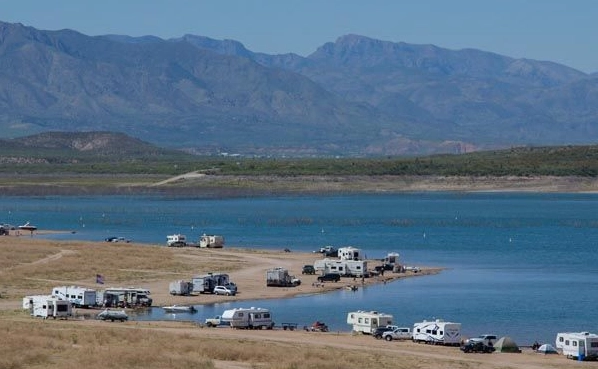
The fishing reputation is legendary. Roosevelt Lake is known as one of Arizona's top bass fisheries, particularly for largemouth. But it's not just bass. You've got crappie, catfish, sunfish, and even the occasional walleye. The Arizona Game and Fish Department manages it actively, and you can check their latest reports and stocking schedules on their official Roosevelt Lake page. That's a crucial resource for planning your trip.
My personal draw? The variety. One day I can be trolling for bass along a rocky cliff face, the next I can be hiking a dusty trail in the Tonto National Forest that surrounds the lake, and at night I'm just staring up at a sky so full of stars it feels fake. It's a multi-activity destination.
Picking Your Perfect Roosevelt Lake Campground
This is where your Roosevelt Lake Arizona camping experience is really defined. The choices range from full-hookup RV resorts to primitive dirt patches you need a 4x4 to reach. Knowing the difference saves a lot of headache.
The lake is managed by the U.S. Bureau of Reclamation, with recreation sites operated by the Tonto National Forest. The main developed campgrounds are run by a concessionaire, and they cluster in a few key areas.
The Main Developed Campgrounds (Windy Hill, Cholla, Schoolhouse)
These are your go-to spots for amenities. They're all on the southwestern side of the lake, near the Roosevelt Lake Marina and the bridge.
Windy Hill is the biggest and most popular. The name doesn't lie – it can get seriously windy up there. The upside is fantastic views. It has both RV sites with electric/water hookups and tent sites. There are restrooms with showers, a dump station, and a boat ramp. It's convenient, but it can feel a bit like a parking lot during peak season. Great for families who want those facilities.
Cholla Campground is a bit smaller and feels slightly more tucked away. It also has hookups and good facilities. Some sites are right on the water, which is a major perk. These are the first to go, so book early.
Schoolhouse is the most basic of the three developed areas. Fewer hookups, more of a rustic feel while still having vault toilets and piped water. It's a good middle ground.
Booking for these is essential from fall through spring. You do it through Recreation.gov. Summer is less crowded (for obvious heat-related reasons) and often first-come, first-served.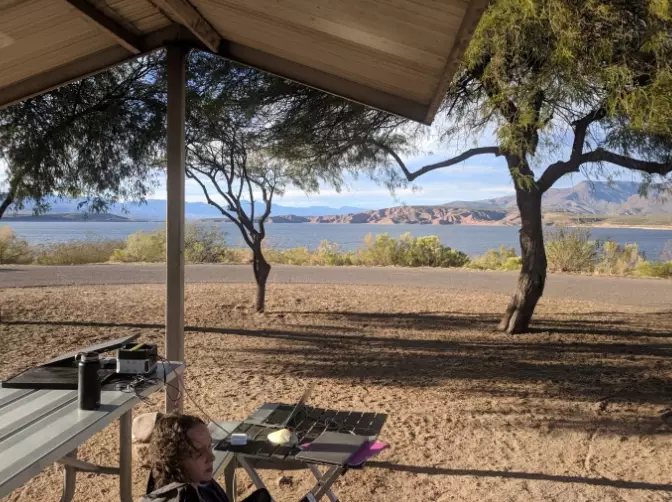
Pro Tip: When booking on Recreation.gov, look at the site photos carefully. Some "waterfront" sites have a better beach or easier water access than others. A site number search online can sometimes pull up blog reviews with personal photos.
Primitive and Dispersed Camping Around Roosevelt Lake
This is my preferred style for a true Roosevelt Lake camping experience when I want solitude. The Tonto National Forest allows dispersed camping along most of the shoreline, provided you're at least 100 feet from the water and follow Leave No Trace principles. You need to be self-sufficient – no water, no toilets, no trash service. You pack everything in and out.
The best dispersed access is often via the dirt roads on the east side of the lake (along AZ-188) or north of the lake. Roads like Hewitt Station Road or Punkin Center Road offer various turn-offs. Conditions vary wildly with weather. A dry, easy road one month can be a muddy rutted mess after rain. High-clearance is recommended, 4WD is wise if you're venturing far off the main dirt tracks.
The reward? Absolute peace, your own private slice of shoreline, and the best stargazing imaginable.
The risk? No help if you get stuck. Cell service is spotty to non-existent. You must be prepared.
Heads Up: Always check current fire restrictions with the Tonto National Forest Alerts page before you go. During dry periods, campfires and even stoves may be prohibited. Also, bring ALL your water. The lake water is not safe to drink without serious treatment.
Campground Comparison: Which One is For You?
To make this easier, here's a breakdown. Think about what's important for your trip.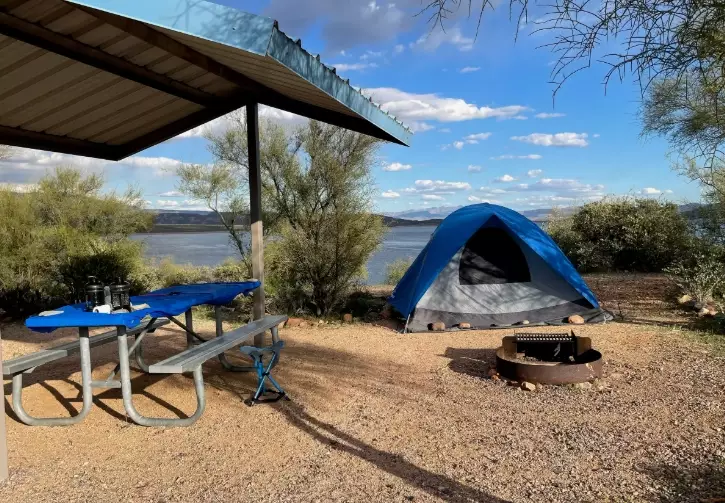
| Campground/Area | Best For | Amenities | Reservations | My Take |
|---|---|---|---|---|
| Windy Hill | Families, RVers, first-timers, boaters | Electric/Water hookups, showers, flush toilets, dump station, boat ramp | Required (Rec.gov) | Convenient but can feel crowded. Amazing views, but exposed to wind. |
| Cholla Bay | Waterfront camping, smaller RVs, tent campers who want some comfort | Some hookups, restrooms, water spigots, boat ramp access | Required (Rec.gov) | Better lakeside feel. Snag a waterfront site if you can. |
| Schoolhouse | Tent campers, small trailers, those wanting a simpler developed site | Vault toilets, piped water, no hookups | Mix of reserved & FCFS | A good compromise between comfort and a natural feel. |
| Dispersed (East Side) | Solitude, adventure, 4x4/off-road, experienced campers | None. True boondocking. | First-come, first-served (Free) | The real Arizona experience. Not for the unprepared. My favorite for fall/spring. |
| Roosevelt Lake Marina (Not camping, but key hub) | Fuel, supplies, boat rentals, fishing info, ice, snacks | Marina store, gas docks, rentals, repairs | N/A | A lifesaver if you forget something. Prices are higher, as expected. |
When to Go: Beating the Heat and the Crowds
Timing is everything in the desert.
Prime Season (October - April): This is when everyone wants to go, and for good reason. Daytime temps are in the 60s, 70s, and 80s. Nights are cool, sometimes dipping near freezing in deep winter. It's perfect hiking and fishing weather. The catch? This is peak season. Campgrounds are booked solid months in advance for weekends. The lake is busier with boats.
Shoulder Seasons (May, September): A roll of the dice. May can still be lovely, but it's heating up fast. September is still hot, but starting to trend down. You'll find more availability. Just be ready for temperatures to soar into the 90s or higher.
Summer (June - August): Let's be honest: it's brutal. Daytime highs consistently over 100°F, often 110°F+. The sun is relentless. If you choose to camp at Roosevelt Lake in summer, you are a different breed. Your entire schedule reverses: you're active at dawn and dusk, and you're hiding in the shade or in the water from 10am to 5pm. Hydration isn't a suggestion, it's a survival tactic. The plus side? You'll have the place mostly to yourself. Fishing can be good early and late, but the midday is for napping in a hammock over the water.
I made the mistake of a June trip once, thinking "how bad could it be?" I learned. By 9 AM it was too hot to cook breakfast. We lived in the lake. It was a valuable, sweaty lesson.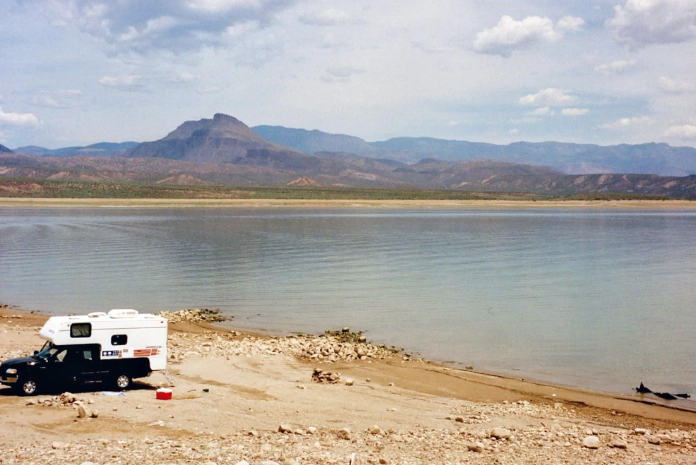
What to Do Besides Sitting at Camp (The Fun Stuff)
A Roosevelt Lake Arizona camping trip isn't just about the camping. The lake is the playground.
Fishing Roosevelt Lake: More Than Just Bass
This is a major draw. The lake has a reputation for producing giant largemouth bass, especially in the spring spawn. But it's a dynamic fishery. Structure is key – think submerged brush, rocky points, and old creek channels. Plastic worms, crankbaits, and jigs are staples.
Don't ignore the other species. Winter and early spring are great for crappie, often around brush piles or marina docks. Catfish bite year-round, especially at night with stink bait or cut bait off the bottom. You can find current regulations and tips directly from the experts at the Arizona Game & Fish Department.
You need an Arizona fishing license, obviously. And if you're fishing from a boat, know the rules about aquatic invasive species. Clean, drain, dry.
Boating and Water Sports
The lake is massive, so having a boat opens up everything. The main marinas (Roosevelt Lake Marina, Bermuda Flat) have launch ramps. Windy Hill and Cholla have their own ramps for campers. Water skiing, wakeboarding, and tubing are popular in the wider areas. Just be mindful of wind – it can whip up whitecaps in the afternoon, making the main body of the lake rough for small craft.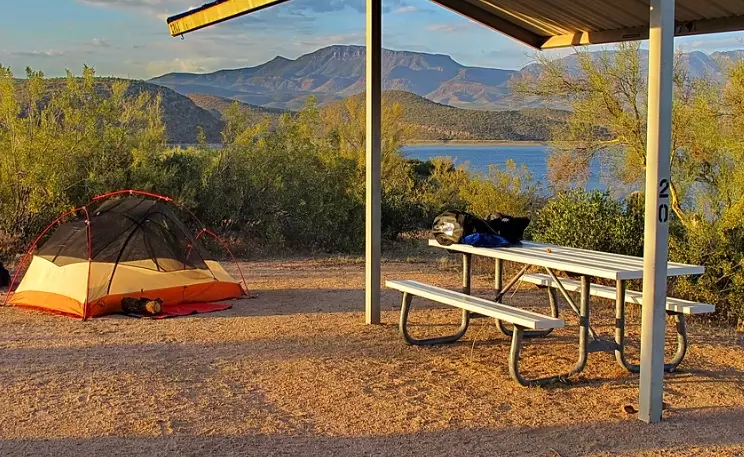
Kayaking and paddleboarding are fantastic ways to explore the quieter coves, especially in the morning. Gliding past saguaros at water level is a unique experience.
Hiking and Exploring the Shore
You're in the Tonto National Forest. Trails range from easy lakeside strolls to challenging climbs into the Superstitions. The Arizona Trail passes right across the Roosevelt Lake Bridge, offering a unique hiking perspective. The Boulder Creek Trail on the east side offers great views and a chance to see some petroglyphs (please look, don't touch). Always carry way more water than you think you need on any hike, and tell someone your plan.
Local Insight: One of my favorite non-boating activities is simply driving the Apache Trail (AZ-88) from Roosevelt Lake towards Tortilla Flat. It's a historic, partially unpaved mountain road with insane views of Canyon Lake and the Superstitions. It's not for huge RVs or the faint of heart, but in a truck or SUV, it's an unforgettable side trip. Check road conditions first!
The Essential Packing List for Roosevelt Lake Camping
Forgetting something here is a bigger deal than at a city park. This list goes beyond the standard tent and sleeping bag.
- Water, Water, and More Water: Plan for at least one gallon per person, per day, for drinking alone. Double it in summer. I bring collapsible 5-gallon jugs to supplement my bottles.
- Sun Defense Arsenal: High-SPF sunscreen, a wide-brimmed hat (not a baseball cap), UV-protection sunglasses, and long-sleeve sun shirts. The sun is no joke.
- Wind & Dust Mitigation: Sturdy tent stakes (the screw-in kind are great for sand), extra guylines for your tent, bandanas or buffs to cover your face on dusty roads, and a healthy dose of patience. The wind can howl.
- Footwear: Water shoes or sandals for the rocky shoreline (it's not sandy beach). Hiking boots for trails. Camp shoes.
- Cooling Tools (Summer Critical): Battery-powered fans for the tent, a spray bottle for misting, a portable shade canopy if your site lacks trees.
- Navigation & Comms: Paper maps (the Tonto National Forest map is good), a GPS device or app with offline maps (like Gaia GPS). Assume you will have no cell service.
- Critter Care: Secure food storage for raccoons and ravens. They are clever. A basic first-aid kit with tweezers for cactus spines.
Common Questions About Roosevelt Lake Arizona Camping
Final Thoughts & Making It Your Own
Roosevelt Lake Arizona camping isn't a passive, cushy vacation. It's an engaging, sometimes challenging, always rewarding way to experience the heart of Arizona. You have to participate. You have to plan for the elements. You have to be okay with a little dirt and wind.
But that's the point. It feels real. The silence in a dispersed cove at sunrise, the tug of a bass on your line, the way the Superstitions turn purple at dusk – that's what you go for.
Start with a developed campground if you're new to it. Get a feel for the place. Talk to the rangers at the Tonto Basin Ranger District office for current advice. Then, maybe on your next trip, venture down a dirt road to find your own spot.
Just remember to bring extra water.
And maybe an extra bag of ice. You'll thank me later.
Reader Comments