Winter Sequoia Quick Guide
- Why Bother with Sequoia in Winter? (The Good, The Bad, The Snowy)
- The Nitty-Gritty: Weather, Roads, and How Not to Get Stuck
- What Can You Actually DO in Winter?
- The Gear You Absolutely Need (And What You Can Skip)
- Safety: It's Not Just a Suggestion
- Where to Stay & Eat: Winter Edition
- Your Burning Winter Trip Questions, Answered
- Final Thoughts: Making the Decision
Let's be honest. When you picture Sequoia National Park, you probably think of sunny summer hikes and crowded viewpoints. Winter doesn't even cross your mind. I was the same way. But then I went.
And wow. A Sequoia National Park winter visit is a different beast entirely. It's quieter, more challenging in ways, but somehow more rewarding. The crowds vanish, the giant trees get a dusting (or a heavy blanket) of snow, and the whole place feels like your own private, ancient cathedral. But—and this is a big but—you can't just wing it. A summer mindset will get you stuck, cold, or worse.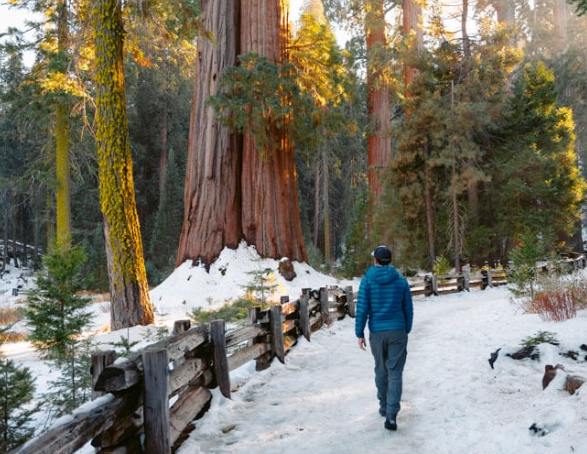
This guide isn't a fluffy list of "top 10 things to do." It's the manual I wish I had before my first winter trip. We're talking real logistics, the unvarnished truth about road conditions, and the kind of practical tips that separate a magical memory from a miserable one. Whether you're a seasoned hiker or just want to see General Sherman without the summer circus, this is for you.
Why Bother with Sequoia in Winter? (The Good, The Bad, The Snowy)
First, let's set expectations. Winter transforms the park. It's not just a colder version of summer.
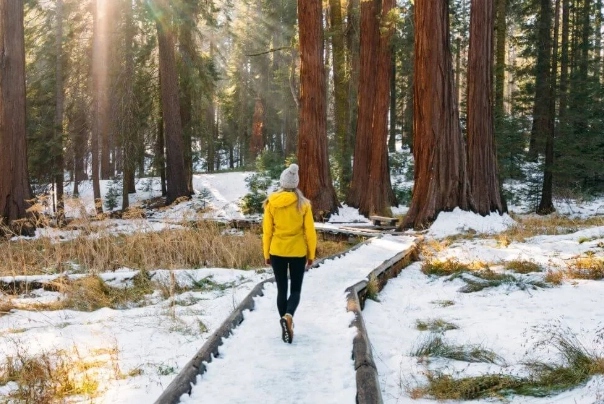
The pros are pretty compelling. The silence is profound. You'll stand in the Giant Forest and hear nothing but the creak of a tree and the soft thud of snow falling from a branch. The contrast of the dark red bark against the pure white snow is a photographer's dream. The summer haze is gone, replaced by crisp, clear air that makes the Sierra peaks look like they're right in front of you. And let's not forget the parking. You'll actually find some.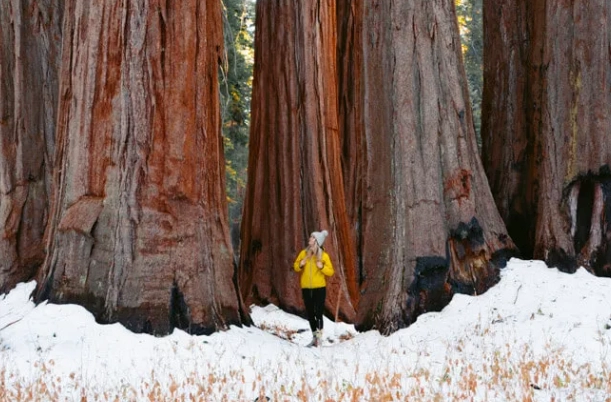
But it's not all serene snow globes. The big trade-off is access. Roads close. I'm talking about major ones. The Generals Highway, the main artery connecting Sequoia to Kings Canyon, often shuts down past the Giant Forest in winter. You can't drive through to Cedar Grove. The Mineral King area is always closed. Your itinerary shrinks, and you need to be flexible.
The weather is the boss. A planned drive to Moro Rock for sunset can be scrapped by a sudden chain requirement announcement. You have to be okay with plans changing last minute.
The Nitty-Gritty: Weather, Roads, and How Not to Get Stuck
This is the most important section. Getting this wrong ruins your trip.
What's the Weather Really Like?
Forget "cold." Let's get specific. In the main visitor areas around the Giant Forest (elevation ~6,500 ft), winter daytime highs hover in the 30s and 40s °F. Sounds manageable, right? It's the nights and the storms that get you. Temperatures routinely drop into the teens or lower. And snow is not a maybe; it's a guarantee. Storms can dump several feet of snow at a time.
The lower foothills, near the Ash Mountain Entrance, are a different world. You might see rain and much milder temps. This disparity is crucial. You can start your day in a light jacket and drive an hour into a full-blown winter wonderland requiring a parka. Always, always check the forecast for the *specific area* you're visiting. The National Park Service weather page is your best friend.
The Road Situation: Your Biggest Hurdle
Driving in a Sequoia National Park winter is the main event. Here’s the breakdown: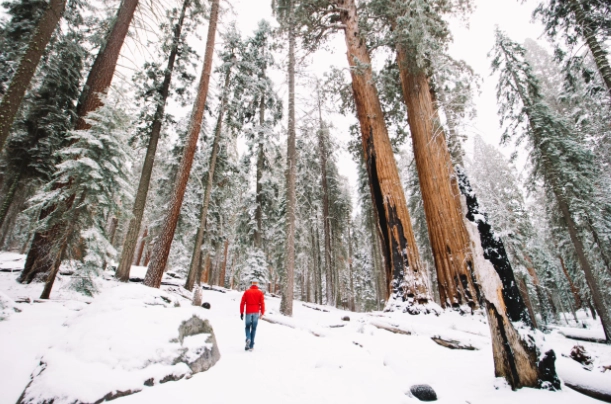
- Generals Highway: This is the big one. The stretch from the Giant Forest to the Kings Canyon National Park boundary (around Grant Grove) is almost always closed in winter. This means you cannot drive from Sequoia's main attractions directly to Kings Canyon's Cedar Grove. The road is physically gated. Always verify the current status on the official park conditions page before you go.
- Road to Moro Rock/Crescent Meadow: This road closes with significant snow. Access then becomes a snowshoe or cross-country ski adventure, which is actually fantastic.
- Mineral King Road: Closed from late fall through late spring. Don't even think about it.
- Chain Controls (R-1, R-2, R-3): This is the law. You must carry chains in your vehicle from November 1 to April 1, even if you have 4WD/AWD with snow tires. I've seen rangers turn people around at the entrance for not having them. Know how to put them on before you're on the side of a snowy road in a storm. The Caltrans website has real-time chain control info.
My advice? If you're not a confident winter driver, consider staying in the foothills or near the entrance and using the park's winter shuttles (if operating) to get to the Giant Forest. The stress reduction is worth it.
What Can You Actually DO in Winter?
Plenty. But your activity menu shifts from summer hiking to winter-specific pursuits.
Top Winter Activities Ranked
| Activity | Best For | Difficulty & Gear Needed | Pro Tip |
|---|---|---|---|
| Snowshoeing | Everyone. Seriously, it's easier than hiking in deep snow. | Easy to Moderate. Rent shoes or bring your own. | The road to Moro Rock is a perfect, graded beginner route. The views open up as you climb. |
| Winter Hiking (with microspikes) | Those who want to stick to trails. | Varies. Microspikes are non-negotiable for traction on ice. | The Congress Trail loop is usually packed down and perfect for a spike-assisted walk among giants. |
| Scenic Driving & Photo Stops | Families, those with mobility limits, cold-averse visitors. | Easy. A warm car and good tires. | Pullouts along the Generals Highway offer stunning tree-and-snow vistas. Don't just rush to the big names. |
| Cross-Country Skiing | Those with some experience seeking solitude. | Moderate to Hard. Requires your own gear and knowledge. | Beyond the plowed roads, you can find untouched meadows. Know how to read a topographic map. |
| Ranger-Led Snowshoe Walks | First-timers wanting guidance and ecology lessons. | Easy. Often includes snowshoe rental! | Check the park calendar. These fill up fast and are an incredible value. |
A Few Specific Trail & Spot Notes
The General Sherman Tree: The path to the tree is usually plowed and sanded, making it accessible to most. It's a must-do, even in winter. The tree looks regal with a white cap.
Moro Rock: The staircase to the top is closed due to ice (it's a deadly hazard). But the drive or snowshoe to its base is still worth it for the panoramic valley views.
Crescent Meadow: The "Jewel of the Sierra" becomes a flat, expansive snowfield. It's a beautiful place for snowplay away from roads.
Look, the activity isn't always about reaching a specific destination. Sometimes, the best part of a winter in Sequoia is just pulling over, stepping into the woods, and listening to the absolute quiet. You don't need a trail name for that.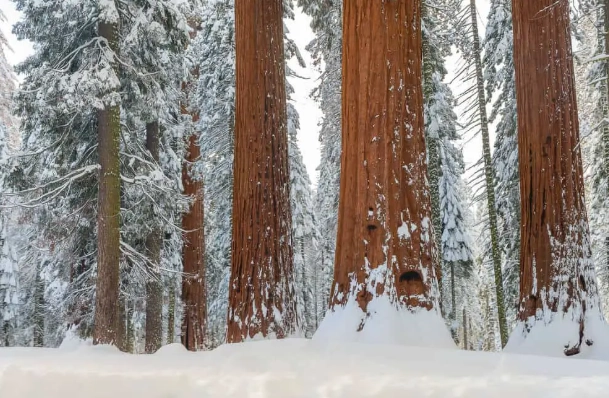
The Gear You Absolutely Need (And What You Can Skip)
Packing wrong is the fastest way to be miserable. Here’s a layered approach—literally.
| Category | Essential Items | Why It Matters |
|---|---|---|
| Footwear | Waterproof, insulated boots with good tread; MICROSPIKES; extra wool socks. | Cold, wet feet end trips. Microspikes on icy trails are a game-changer for safety and confidence. |
| Clothing (Layers) | Baselayer (wool/synthetic), insulating mid-layer (fleece/puffy), waterproof outer shell, waterproof pants, warm hat, gloves. | Cotton kills. It gets wet and stays wet. Wool and synthetics keep you warm even when damp from sweat or snow. |
| For Your Car | Tire chains (correct size!), ice scraper/snow brush, shovel, full tank of gas, blankets, extra water/food. | You may sit in a chain control line or get briefly stuck. Being prepared turns an emergency into an inconvenience. |
| Extras | Sunglasses & sunscreen (snow glare is intense), headlamp, thermos with hot drink, portable phone charger. | High elevation + snow reflection = brutal sunburn. Days are short; a headlamp is backup. |
Safety: It's Not Just a Suggestion
Winter adds a layer of risk. Respect it.
Hypothermia: Starts with shivering, clumsiness, confusion. Get wet, get cold, get in trouble fast. Change out of sweaty layers. Eat high-energy food.
Getting Lost: Trails disappear under snow. A summer trail marker can be eight feet up a tree. Don't rely on following footprints—they could lead anywhere. Have a map, a compass, and know how to use them. Tell someone your plan.
Tree Wells and Avalanches: While major avalanche terrain is higher up, avoid steep, open slopes after fresh snow. Tree wells—the hollow spaces around the base of conifers—are a real hidden danger. Don't hike or ski too close to the trunk of a large tree in deep snow.
Driving: Go slow. Leave massive space between you and the car ahead. Brake early and gently. If you start to slide, take your foot off the gas and steer gently in the direction you want to go. No sudden moves.
Where to Stay & Eat: Winter Edition
Options thin out in winter, and you need to book way ahead.
Inside the Park: The Wuksachi Lodge is your main in-park hotel option. It's open year-round, located near the Giant Forest. The rooms are cozy, and the restaurant is a lifesaver. The nearby Montecito Sequoia Lodge (just over the border towards Kings Canyon) is also a popular winter stop, especially for cross-country skiers.
Outside the Park (Gateway Towns): Three Rivers, in the foothills, is your best bet for more lodging and dining variety. The drive up to the park is longer (about 45 mins to an hour to the Giant Forest), but you'll escape the heaviest snow and have more services. In my experience, having a hot breakfast and coffee in Three Rivers before tackling the mountain road is a great way to start the day.
Dining options inside the park are limited to the lodge restaurants. Stock up on snacks, sandwiches, and thermos-filling supplies in Visalia or Three Rivers before heading up.
Your Burning Winter Trip Questions, Answered
Is one day enough for a Sequoia National Park winter visit?
You can do a satisfying day trip if you live within a few hours. Focus on one area: drive in, see the General Sherman Tree, take a short snowshoe or hike on the Congress Trail, enjoy the views, and drive out. It's a sampler, but it's wonderful. For a more relaxed pace and to experience the quiet mornings and evenings, an overnight is vastly better.
Can I visit both Sequoia and Kings Canyon in winter?
Not directly. The connecting road (Generals Highway) is closed. You can visit Sequoia's Giant Forest area and Kings Canyon's Grant Grove area (where the General Grant Tree is) as they are accessed from different western entrances (Highway 198 for Sequoia, Highway 180 for Kings Canyon). You would have to drive out of one park, around on the western foothill roads, and into the other. It's a several-hour detour. Most people pick one park per day in winter.
Is it good for kids?
Yes, with caveats. Kids love the snowplay! But you must be hyper-vigilant about keeping them dry and warm. Pack multiple full changes of clothes. Short, fun activities like building a snowman near the General Sherman parking lot or a ranger-led program are better than attempting a long trek. The cold tires kids out much faster.
What about my camera gear?
Cold drains batteries fast. Keep spares in an inner pocket close to your body. When moving from cold outside to warm inside (like your car or lodge), put your camera in a sealed plastic bag first to prevent condensation from forming inside the lens. The winter light is stunning—long shadows and soft tones, especially in the late afternoon.
Are there any tours?
Guided winter tours are rare. Your best bet is the free ranger-led snowshoe walks. Otherwise, you are self-guiding. This makes planning and preparation even more critical.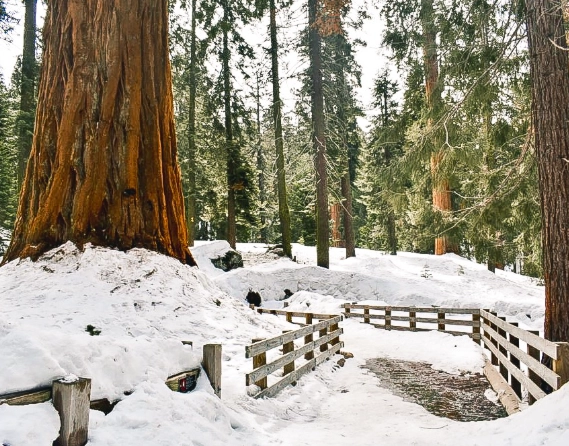
Final Thoughts: Making the Decision
A Sequoia National Park winter trip isn't the easy, carefree version of a summer vacation. It demands more planning, more gear, and more flexibility. The park shows a different, sterner face.
But that's why I love it. The effort filters out the crowds. You earn the views. The silence has weight. You connect with the landscape in a raw, elemental way that just isn't possible when the parking lots are full and the trails are a procession of people.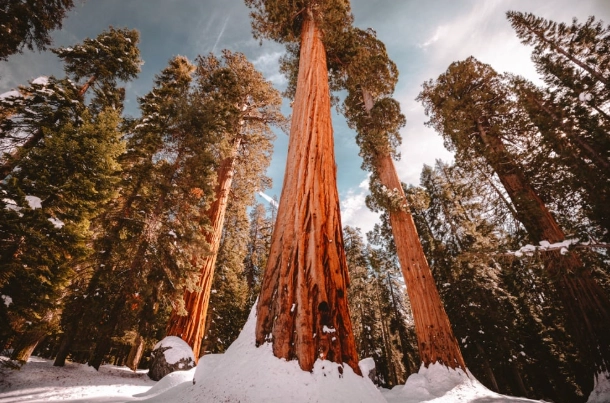
Check those road conditions one last time, pack your layers, and go see the giants in their snowy slumber. You won't forget it.
Reader Comments