Forget the crowded boardwalks of Antelope Canyon. If you're searching for raw, unfiltered slot canyon beauty without the tour groups and ticket queues, White Canyon in Arizona is your answer. It's not a single attraction with an address and operating hours—it's a vast, complex network of canyons carved into the Navajo Sandstone, offering everything from easy strolls to serious multi-day backpacking trips. Most online guides just scratch the surface. After multiple trips and a few wrong turns of my own, I've put together this guide to save you time, keep you safe, and help you find the absolute best spots White Canyon has to offer.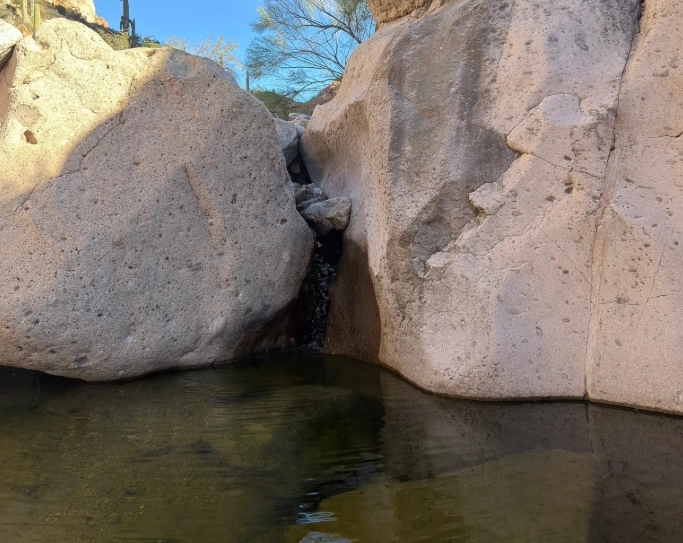
Your White Canyon Roadmap
Planning Your White Canyon Trip: The Essentials
Success here starts before you leave home. This isn't a national park with a visitor center around the corner.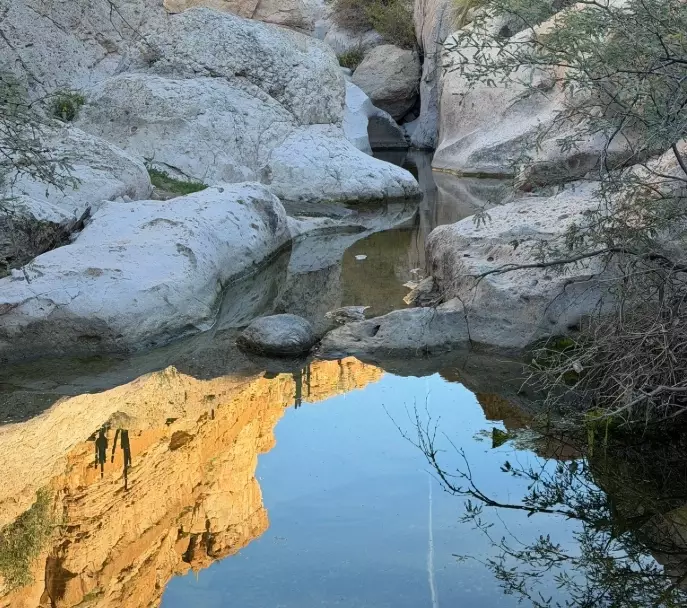
Location & Access: White Canyon is located in the Coconino County, roughly midway between Page, AZ and the Utah border, near Marble Canyon. The terrain is managed by the Bureau of Land Management (BLM). There is no official "entrance," just various dirt road access points off Highway 89.
Best Time to Visit: Spring (March-May) and Fall (September-October) are ideal. Summer temperatures in the slots can be dangerously high, and monsoon flash floods (July-August) are a real threat. Winter days can be pleasant, but nights are freezing, and some roads become impassable.
Getting There: You'll need a reliable, high-clearance vehicle. 4WD or AWD is strongly recommended, especially after rain. The main access roads, like the one to the Soap Creek or Cathedral Wash trailheads, are graded dirt but can be washboarded and sandy.
What It Costs: Nothing. There are no entrance fees or permits required for day hiking in the main White Canyon area. This is a major advantage over its famous neighbors.
My first mistake was underestimating the drive. From Page, it's about a 45-minute to 1-hour drive to most trailheads, mostly on Highway 89 plus another 20-30 minutes on dirt. Fill your tank in Page or Kanab. Download offline maps (Google Maps area is spotty). I use Gaia GPS with public land layers to stay on BLM land and avoid private property.
Top Hiking Routes in White Canyon
White Canyon's trails aren't signed. You navigate by canyon walls and landmarks. Here’s a breakdown of the most accessible and rewarding sections.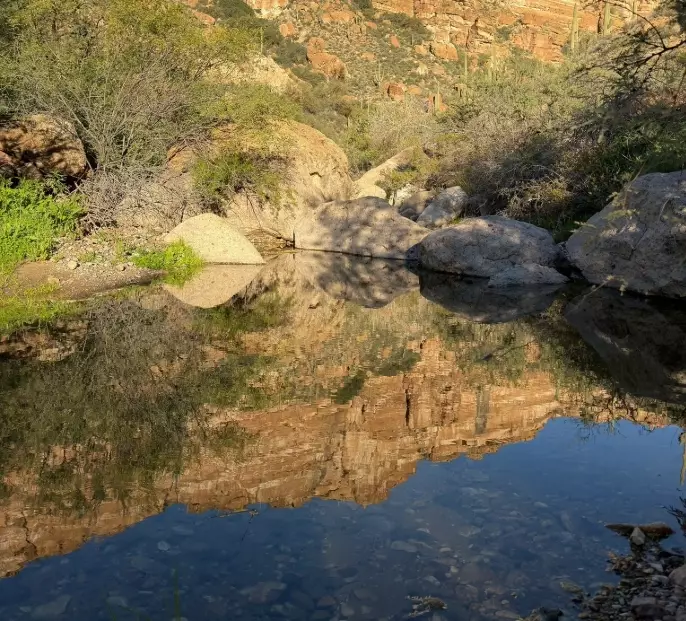
The Soap Creek Route (Best for First-Timers)
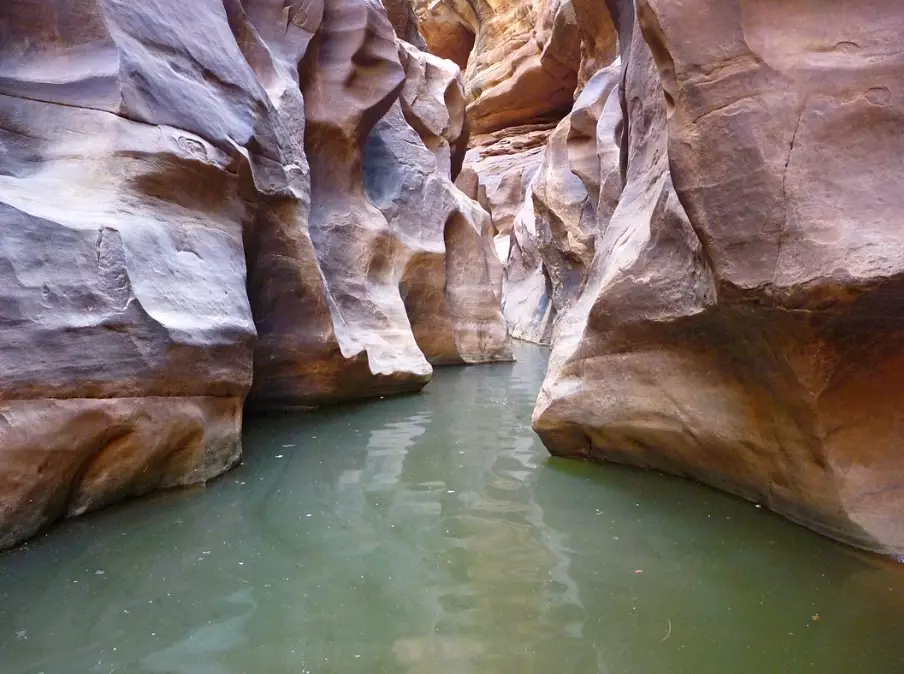
This is your gateway. The trailhead is off a BLM road near mile marker 545 on Hwy 89. You drop down into Soap Creek and then hike upstream into the narrowing White Canyon. Within an hour, you're surrounded by smooth, swirling walls. The hike is mostly flat, sandy walking with a few easy scrambles over rocks. You can turn around anytime, making it perfect for a half-day adventure. Most people get the classic "slot" experience here without major technical challenges.
Cathedral Wash to the Colorado River (A Moderate Challenge)
Starting directly under the Navajo Bridge at Marble Canyon, this route descends a dramatic wash that deepens into a stunning canyon, ending at the mighty Colorado River. It involves more sustained scrambling and route-finding than Soap Creek. You'll need to navigate several dry falls (3-8 foot drops), which usually have bypass routes or are climbable with care. The payoff is huge: emerging from a narrow canyon onto the banks of the Colorado, with the massive bridge soaring overhead. Allow 3-4 hours round trip.
Multi-Day Backpacking Loops (For the Experienced)
The true wilderness experience. Loops often combine White Canyon with its tributaries like Cherokee Canyon or involve crossing the Colorado River at the Nankoweap area (requiring a raft or kayak). These trips demand advanced planning, canyon navigation skills, and knowledge of sourcing water (often scarce). Permits may be required for overnight stays within the Grand Canyon National Park corridor if your loop enters it. Consult the National Park Service for current regulations.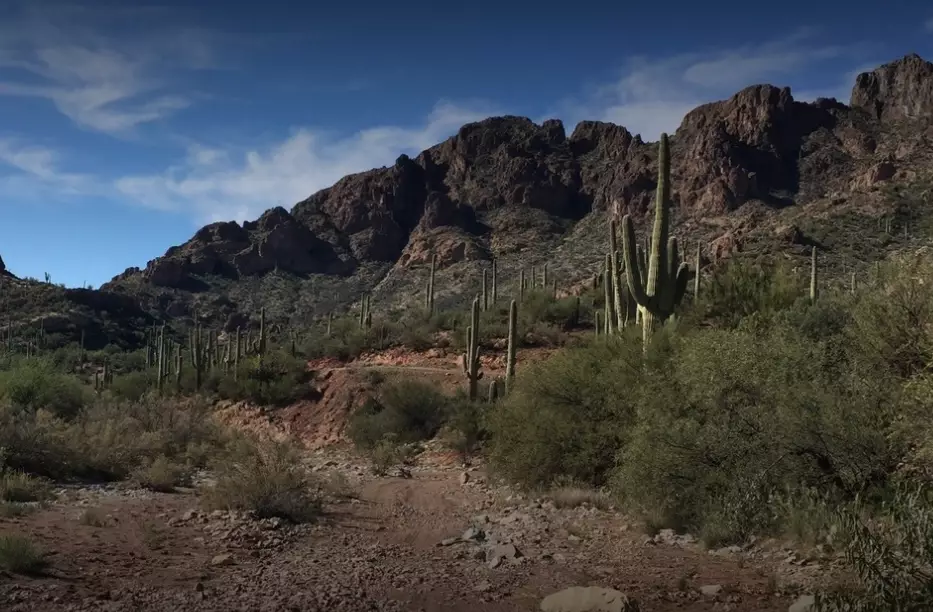
| Route | Difficulty | Round-Trip Distance | Key Feature | Best For |
|---|---|---|---|---|
| Soap Creek to White Canyon | Easy to Moderate | 3-6 miles (variable) | Accessible slot formations, no major obstacles | Families, photographers, first-time visitors |
| Cathedral Wash | Moderate | 4.5 miles | Dramatic descent to Colorado River, technical scrambling | Adventurous hikers seeking a challenge |
| White/Cherokee Loop | Strenuous | 20+ miles | Remote wilderness, multi-day immersion | Experienced backpackers with navigation skills |
A common error I see? People try to force a loop where there isn't a clear one. Many side canyons are dead-ends or require technical climbing gear. Stick to known routes described in reputable hiking guides or GPS track databases unless you're prepared for serious exploration.
White Canyon Photography: Capturing the Light
The light in White Canyon is different from Antelope Canyon. It's subtler, more diffuse, and you have to work for it.
Forget the famous light beams. They're extremely rare here due to the canyon's orientation and depth. Instead, focus on the textures, the layers in the sandstone, and the way soft light filters down. The best photography happens in the middle of the day, contrary to typical landscape advice. That's when the sun is high enough to send light directly into the deep slots.
Wide-angle lenses (16-35mm) are essential for capturing the enclosing walls. But don't ignore a medium telephoto (70-200mm) to compress distant canyon curves and isolate abstract patterns. A tripod is non-negotiable for sharp shots in the low light. Boost your ISO rather than widening your aperture too much; you'll want that depth of field.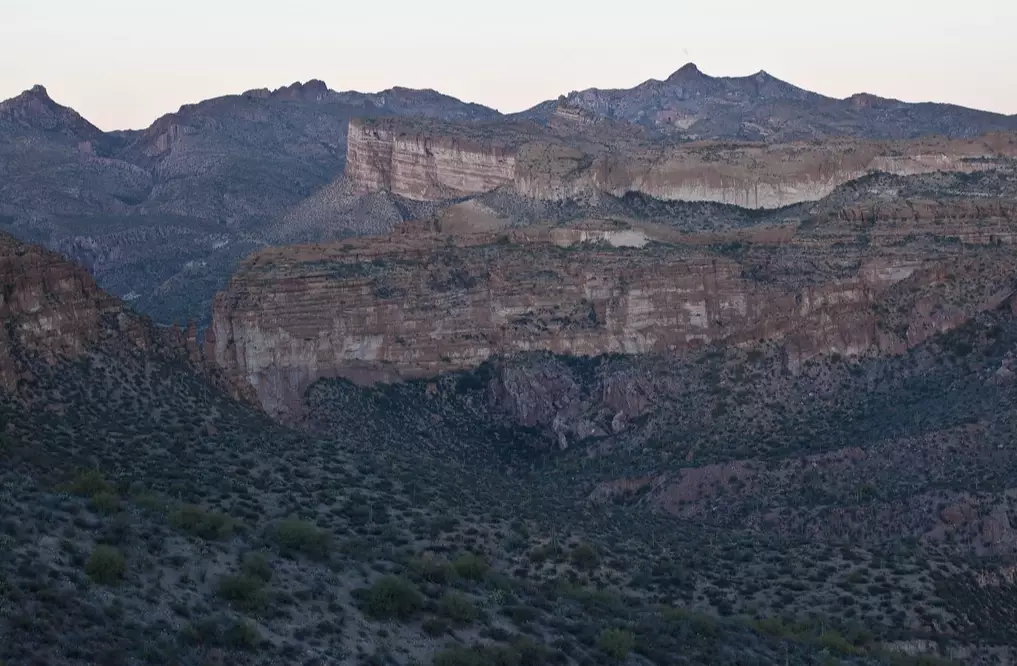
The most photogenic sections are often just beyond where most day-hikers stop. Past the first few obvious narrows in the Soap Creek section, the canyon twists and the colors intensify. Be patient, look for compositions that lead the eye through the canyon's flow.
Safety in Canyon Country: A Non-Negotiable Guide
This is the most important part. White Canyon's beauty is matched by its hazards.
Flash Floods: This is the number one danger. Never enter a slot canyon if there is rain in the forecast or if you see dark clouds upstream. Rain falling miles away can funnel into a deadly wall of water in minutes. Check the weather for the entire region, not just your location. If you hear rumbling or see rising water, get to high ground immediately—don't wait.
Heat and Dehydration: Carry at least one gallon (4 liters) of water per person per day. More in summer. There is no reliable water source in the canyons. Electrolyte tablets are a good idea.
Getting Lost/Lack of Communication: Tell someone your exact route and return time. Cell service is nonexistent. A personal locator beacon (PLB) or satellite messenger like a Garmin inReach is a wise investment for remote travel.
Leave No Trace: Pack out all trash, including toilet paper. Human waste should be buried in a cathole 6-8 inches deep, at least 200 feet from any watercourse or camp. The desert is fragile.
I carry a small, lightweight emergency kit: a space blanket, a headlamp with extra batteries, a basic first-aid kit, and a lightweight windbreaker even on hot days—canyons can be surprisingly cool.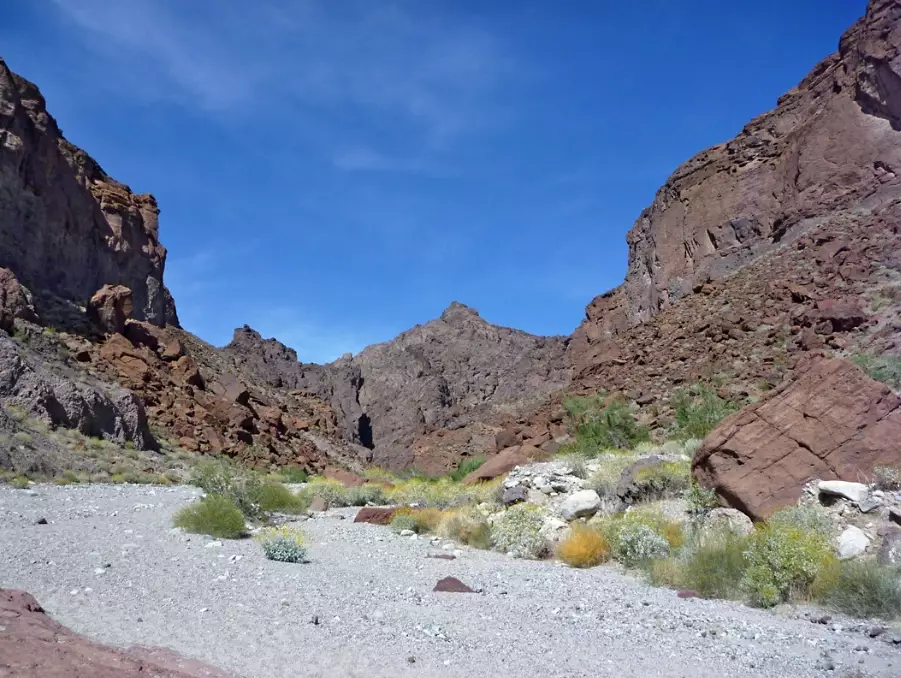
White Canyon FAQs: Answering Your Real Questions
Do I need a permit to hike or camp in White Canyon, Arizona?
For standard day hiking from the main access points like Soap Creek, no permit is required. For overnight backpacking within the White Canyon wilderness area managed by the BLM, a permit is also not typically required. However, if your planned route crosses into the Grand Canyon National Park boundary (like some multi-day loops do), you will need a backcountry permit from the National Park Service. Always verify current regulations on the BLM website for the Arizona Strip District.
How does White Canyon compare to Antelope Canyon for photography?
They serve different purposes. Antelope Canyon (Upper/Lower) offers guaranteed, intensely sculpted light beams and shapes, but you're on a rushed, guided tour with dozens of others. White Canyon provides solitude and a sense of discovery. The light is more natural and subtle, and you have unlimited time to set up shots. For unique, crowd-free images, White Canyon wins. For those iconic, once-in-a-light-beam shots, you pay for the Antelope tour.
 What's the biggest mistake first-time visitors make when planning a White Canyon hike?
Underestimating the approach and overestimating their navigation skills. People see "easy hike" and think it's a paved path. It's not. They often fail to research the specific dirt road conditions to the trailhead, get their low-clearance sedan stuck, and never even start the hike. Others venture into side canyons without a map or GPS, thinking they'll just "explore," and find themselves in a steep, difficult-to-retreat-from situation. Stick to the main canyon corridor on your first visit.
Is White Canyon suitable for young children or dogs?
For the first mile or two of the Soap Creek route, yes, with close supervision for scrambling sections. For anything beyond that or involving Cathedral Wash, I'd say no for young kids due to exposure and difficult scrambles. Dogs are allowed on BLM land but it's a harsh environment for them—hot sand, sharp rocks, no water, and potential encounters with wildlife like snakes. If you bring your dog, they must be under control and you must pack out all waste.
Where is the closest place to stay or get supplies near White Canyon?
Page, Arizona (about 45-60 mins south) is your full-service hub. It has hotels, supermarkets, gear shops, and gas. A more rustic but closer option is Marble Canyon Lodge, right at the junction of Highways 89A and 89, which has a lodge, restaurant, and small store. For camping, there are established BLM campgrounds like the one at Lees Ferry, or you can find dispersed camping spots off many of the dirt roads—just follow BLM guidelines and camp in previously used sites to minimize impact.
Reader Comments