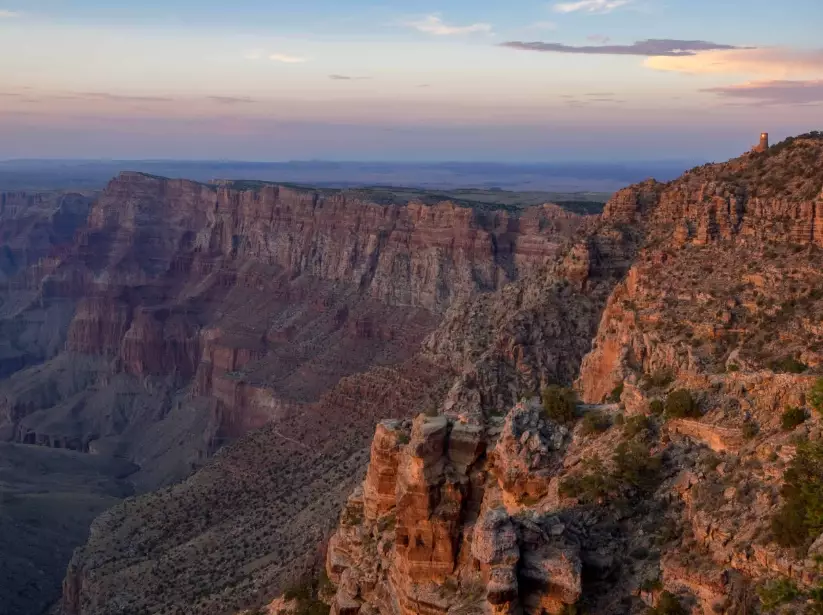
If you're planning a trip to the Grand Canyon and asking "Where is the Navajo point?", you're already on the right track. This isn't just another overlook. Navajo Point is the highest public viewpoint on the South Rim, sitting at 7,498 feet, and it's home to the historic Desert View Watchtower. Most importantly, it's often less crowded than spots like Mather Point, offering a different, more contemplative vibe. I've been visiting the Canyon for over a decade, and I still make a point to stop here every time. Let's cut straight to the answer: Navajo Point is located at the far eastern end of the Grand Canyon South Rim's Desert View Drive, approximately 25 miles east of Grand Canyon Village.
What You'll Find in This Guide
The Exact Location of Navajo Point
Let's get specific. Saying it's "on the South Rim" isn't enough for planning. Here’s the precise information you need to plug into your GPS or map.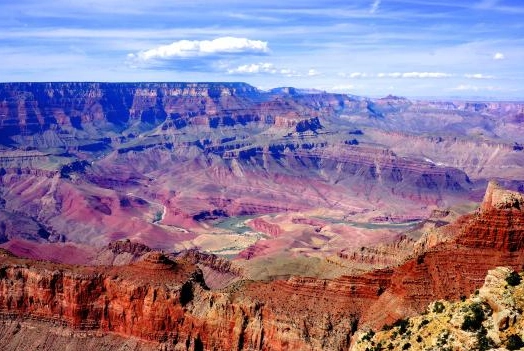
Physical Address & Coordinates:
The official address for the Desert View area, which includes Navajo Point, is: Desert View Dr, Grand Canyon Village, AZ 86023. There's no specific street number. For more precise navigation, you can use these GPS coordinates: 36.0466° N, 111.8240° W.
A Common Point of Confusion: "Navajo Point" and the "Desert View Watchtower" are used interchangeably, but they're technically the same place. The Watchtower is the iconic stone building situated right on Navajo Point. If you're looking for the Watchtower, you've found Navajo Point.
It sits at the terminus of Desert View Drive (State Route 64), which is the scenic road that runs east from Grand Canyon Village along the rim. This is crucial: it's not near the main visitor center cluster. You have to deliberately drive out there.
Navajo Point in Relation to Other Key South Rim Spots
To understand its location, it helps to see it compared to other landmarks. Here’s a quick reference table based on driving times from the park's central hub, Grand Canyon Village.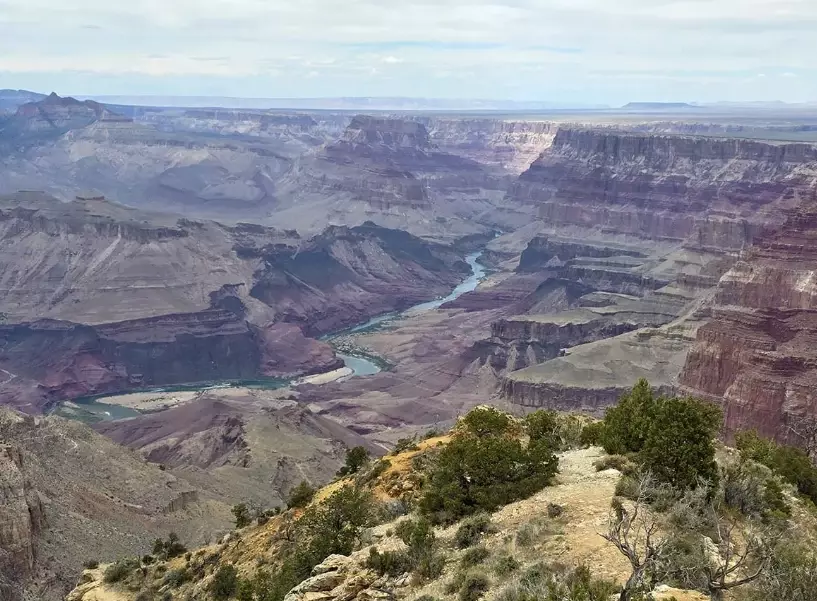
| Starting Point | Destination | Approx. Distance | Approx. Drive Time |
|---|---|---|---|
| Grand Canyon Village | Navajo Point (Desert View) | 25 miles (40 km) | 45 - 60 minutes |
| Grand Canyon Village | Mather Point (Visitor Center) | 2 miles (3 km) | 5 - 10 minutes |
| Navajo Point (Desert View) | East Entrance Station | 3 miles (5 km) | 5 minutes |
| Navajo Point (Desert View) | Cameron, AZ (nearest services east) | 30 miles (48 km) | 35 minutes |
This eastern location is its biggest advantage and its main drawback. The drive takes time, but it filters out a significant portion of the day-tripper crowd. You're rewarded with a sense of space and a view that feels more your own.
How to Get to Navajo Point (Desert View)
You have a few options, and your choice will impact your entire day.
By Private Vehicle: This is the most flexible and recommended way. From Grand Canyon Village, simply follow the signs for "Desert View Drive" east. The road is paved, well-maintained, and incredibly scenic, passing multiple other overlooks like Moran Point and Lipan Point. Budget at least 45 minutes for the drive without stops, but I urge you to make stops—that's half the fun. Parking at Desert View is free but can fill up between 10 AM and 3 PM. There are several large lots.
By Park Shuttle (The Limitation): Here's a critical piece of info many first-timers miss: The free Grand Canyon National Park shuttle buses do NOT go to Desert View/Navajo Point. The Hermit Road (Red) and Village (Blue) routes serve the western areas from the village. To reach the eastern end, you need a different service.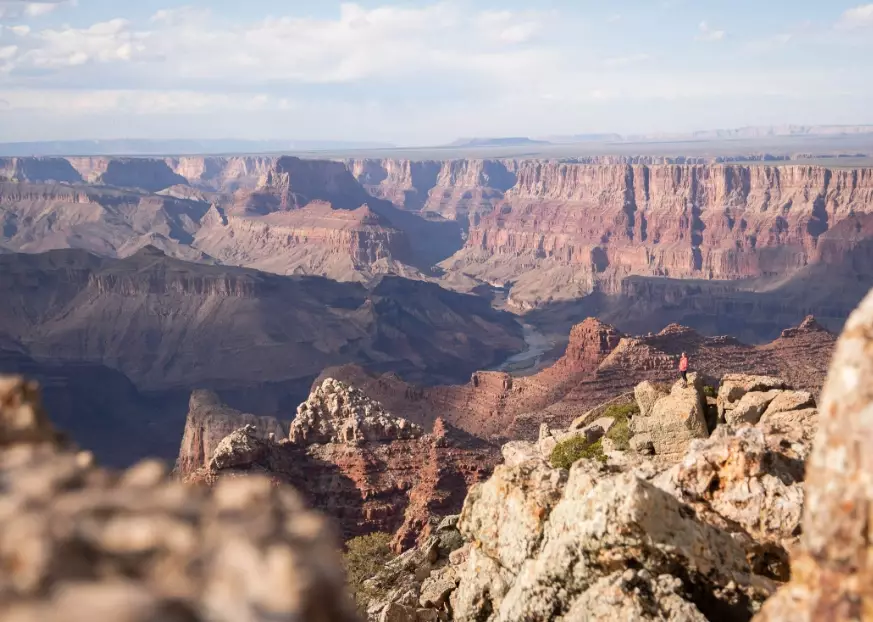
By Tour Bus or Commercial Shuttle: Several commercial tour operators, like the ones listed on the National Park Service website, offer guided trips out to Desert View. This is a good option if you don't want to drive. Some private shuttle services from nearby towns like Tusayan may also offer drop-offs, but you must book in advance.
By Bicycle: For the fit and adventurous, cycling Desert View Drive is a stunning experience. The road has a wide shoulder in most sections. Be prepared for significant elevation changes and bring plenty of water. Start early to avoid the heat and midday traffic.
What is There to See and Do at Navajo Point?
Most people snap a photo of the Watchtower and leave. That's the rookie move. You're missing the layers of this place.
The Desert View Watchtower: Designed by architect Mary Colter in 1932, this isn't just a lookout. It's a carefully crafted homage to ancestral Puebloan tower sites. Go inside. The ground floor has a gift shop and a small museum. The real magic is climbing the tight, circular staircase. The interior walls are covered in murals by Hopi artist Fred Kabotie, depicting Hopi symbolism and mythology. The view from the top enclosed room is panoramic and offers a unique, framed perspective you don't get from the open rim. A ranger is often stationed inside to answer questions—ask them about the design details most people walk past.
The Rim Trail at Navajo Point: The paved Rim Trail doesn't extend this far east. Instead, you have a network of short, paved paths leading to different viewing angles around the Watchtower. Walk all the way to the western edge of the parking area for a classic, unobstructed view of the Watchtower with the Canyon behind it—the perfect photo op.
The View Itself: This is where you can see the Colorado River make a dramatic bend. Look for the Unkar Delta archaeological site far below. On a clear day, you can see the Painted Desert to the east. The perspective here feels broader, more expansive than at Mather Point.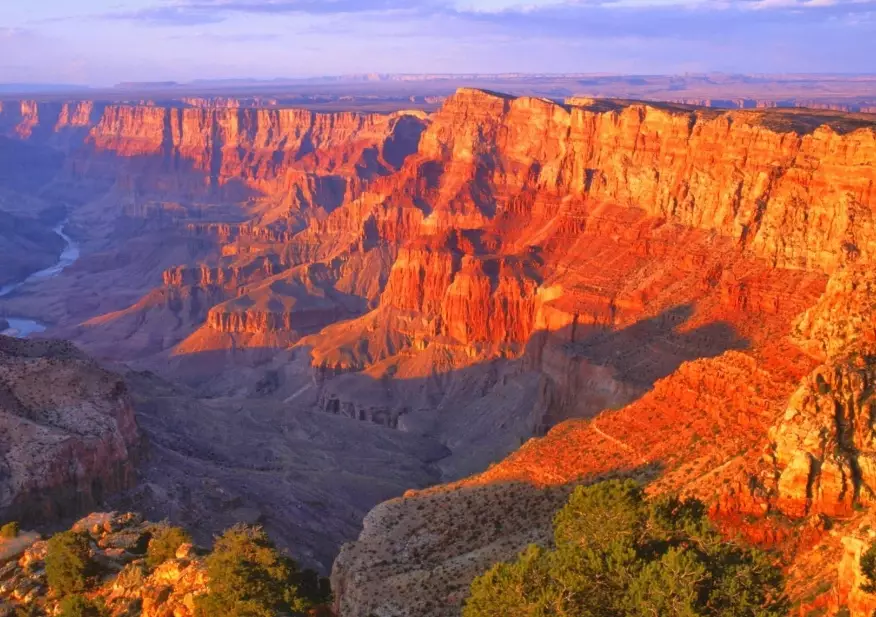
Desert View Trading Post & Market: Right next to the Watchtower, this isn't your average souvenir shop. It's a historic trading post selling authentic Native American arts and crafts, including jewelry, pottery, and rugs. It's a legitimate place to purchase directly from local artisans. The grocery market section is basic but can be a lifeline for snacks, drinks, and ice cream.
The Desert View Campground & Picnic Area: Located just west of the Watchtower complex, this is the only NPS-run campground on the South Rim that you can drive to (others are for tents/hikers). It's first-come, first-served. Even if you're not camping, the picnic area with shaded tables is a fantastic spot for lunch away from the main crowds.
Essential Planning Tips for Your Visit
Based on my visits, here’s what actually matters.
- Entrance Fee: Access to Navajo Point requires a Grand Canyon National Park entrance pass. As of my last visit, the standard vehicle pass is $35 and is valid for 7 days. You can purchase this at the park's South or East Entrance Stations. The America the Beautiful annual pass is also accepted.
- No Separate Ticket: There is no additional fee to park at, visit, or enter the Desert View Watchtower. It's all included with your park entry.
- Operating Hours: The Desert View area is open 24 hours a day, year-round. The Watchtower itself and the trading post have seasonal hours, typically from 8:00 AM to 6:00 PM (extended in summer, reduced in winter). Check the current NPS conditions page before you go.
- Cell Service: It's spotty to non-existent out at Desert View. Download your maps and this guide for offline use before you leave Grand Canyon Village or Tusayan.
- Fuel Up: There is a gas station at Desert View. It's notoriously expensive, but it's also the only fuel for miles if you're heading east out of the park towards Cameron or Page. Fill your tank in Tusayan before heading out if you can.
- Bathrooms & Water: There are modern restroom facilities and water bottle filling stations near the parking lots.
What Are the Best Times to Visit Navajo Point?
Timing is everything for the experience.
To Avoid Crowds: Arrive before 9:30 AM or after 4:30 PM. The midday wave of tour buses and travelers doing the "Desert View drive" peaks between 11 AM and 3 PM. Sunrise here is spectacular and you'll have the Watchtower almost to yourself. Sunset is equally stunning, casting long shadows into the Canyon, and most crowds have left for dinner.
Seasonal Considerations: Spring & Fall: Ideal. Pleasant temperatures and manageable crowds. Summer: Can be very hot, especially in the afternoon. Visit early or late, and the Watchtower interior provides a cool respite. Winter: Desert View Drive remains open unless there's heavy snow (check alerts!). The Watchtower hours are reduced, but seeing the Canyon with a dusting of snow is magical. Ice can form on paths, so tread carefully.
My personal favorite is a late afternoon visit. I'll drive out around 3 PM, stop at a couple of overlooks on the way, explore Desert View, and then watch the sunset. Driving back to the village in the twilight is peaceful.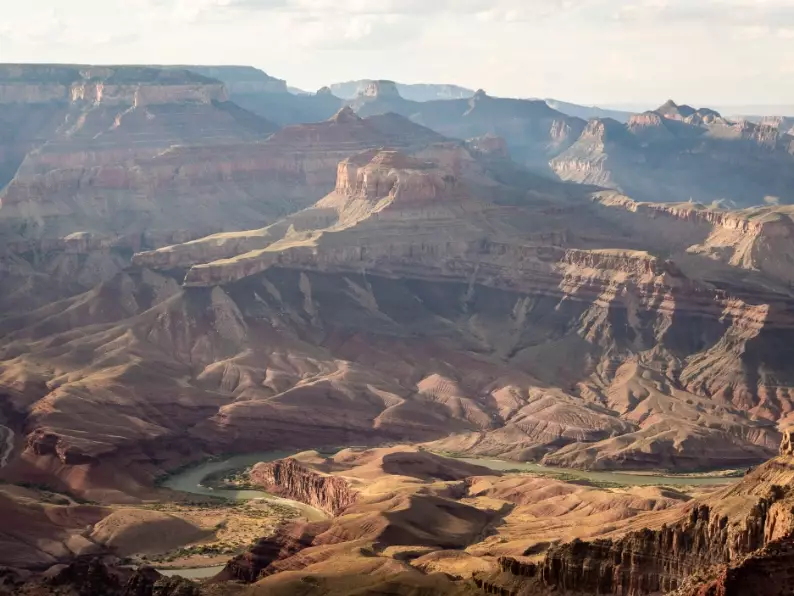
Your Navajo Point Questions Answered
So, where is the Navajo point? It's not just a spot on a map at the end of a scenic road. It's a destination that requires a bit more effort to reach, but pays you back with a deeper, quieter, and more culturally immersive Grand Canyon experience. It’s the view that stays with you long after you've left the rim.
Reader Comments