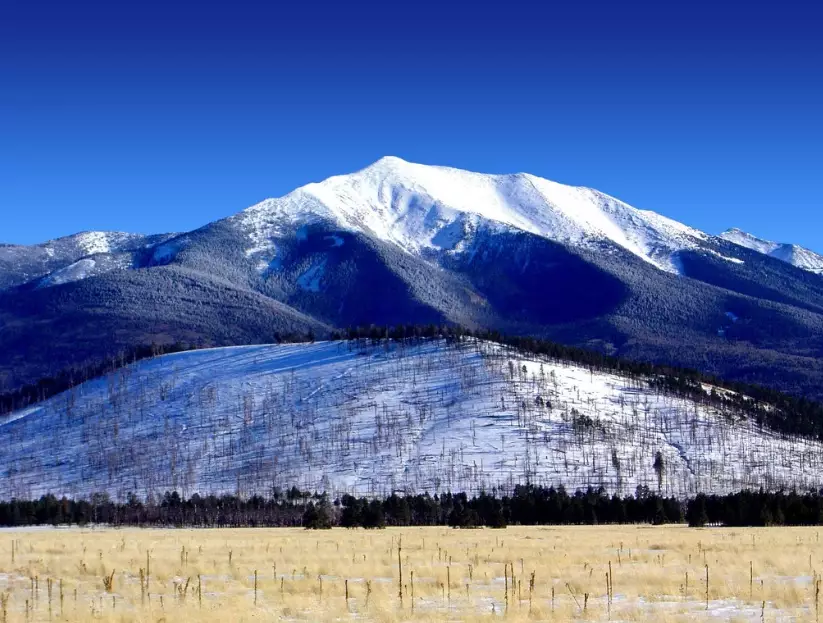
If you've ever driven north from Phoenix towards the Grand Canyon, you've seen them. A jagged, snow-dusted line on the horizon that seems to belong to another world. Those are the San Francisco Peaks. But here's the thing most visitors miss: it's not one mountain, it's a volcanic mountain range with three distinct summits, each with its own name, personality, and story. Knowing their names is the first step to understanding why this place feels so powerful.
I've spent over a decade exploring Northern Arizona, and I still get a thrill every time I see the Peaks. But I also see a lot of confusion. People point to the tallest one and call it "San Francisco Mountain," which isn't wrong, but it's incomplete. That specific summit has a name—Humphreys Peak. The other two major summits are Agassiz Peak and Fremont Peak. This guide isn't just a list; it's your key to appreciating the depth of this landscape, from its sacred Native American significance to planning your own hike on its slopes.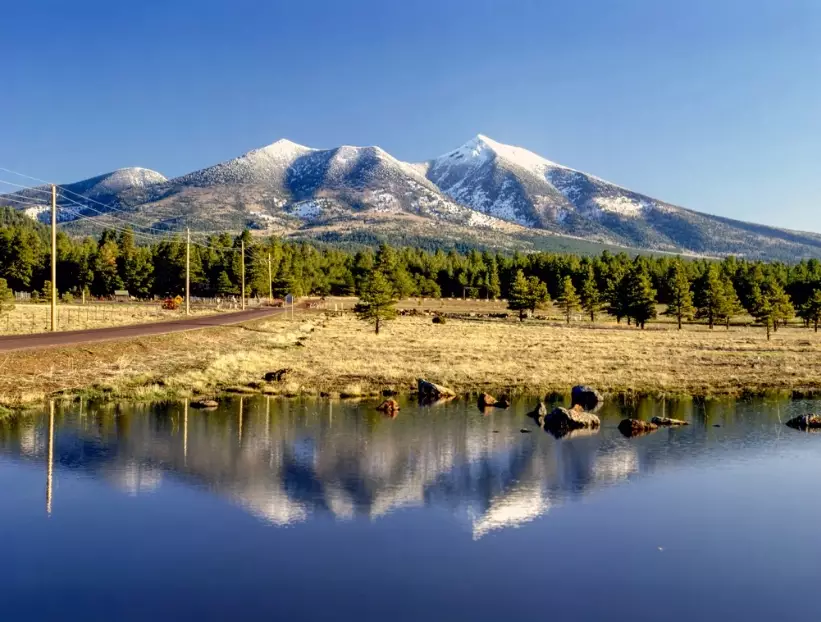
What's Inside This Guide
What Are the San Francisco Peaks Names?
Let's clear up the geography first. The San Francisco Peaks (or San Francisco Mountain) is the name for the entire volcanic mountain range. It's the remains of a massive stratovolcano that collapsed long ago. The three highest remaining points form the skyline everyone recognizes.
From west to east, here they are:
| Peak Name | Elevation | Key Characteristic | Named After |
|---|---|---|---|
| Humphreys Peak | 12,633 ft (3,851 m) | Highest point in Arizona. The only summit with an official, maintained trail to the top. | General Andrew A. Humphreys, a 19th-century U.S. Army surveyor. |
| Agassiz Peak | 12,360 ft (3,766 m) | Second highest. No official trail to the summit; access is restricted part of the year for wildlife protection. | Louis Agassiz, a Swiss-American geologist and biologist. |
| Fremont Peak | 11,969 ft (3,648 m) | Third highest. Often overlooked but offers stunning views. Accessible via the Weatherford Trail. | John C. Frémont, an American explorer and politician. |
You might hear about Doyle Peak and Aubineau Peak too. These are lower sub-summits on the massif. But when people ask for the San Francisco Peaks names, they're almost always referring to the big three above.
A common mistake is thinking you can hike to all three summits in a day on marked trails. You can't. Agassiz Peak is off-limits to summit hikers from mid-December through mid-July to protect the endangered San Francisco Peaks groundsel, a rare flower that grows only there. This is a perfect example of why knowing the individual names matters—it affects your trip planning.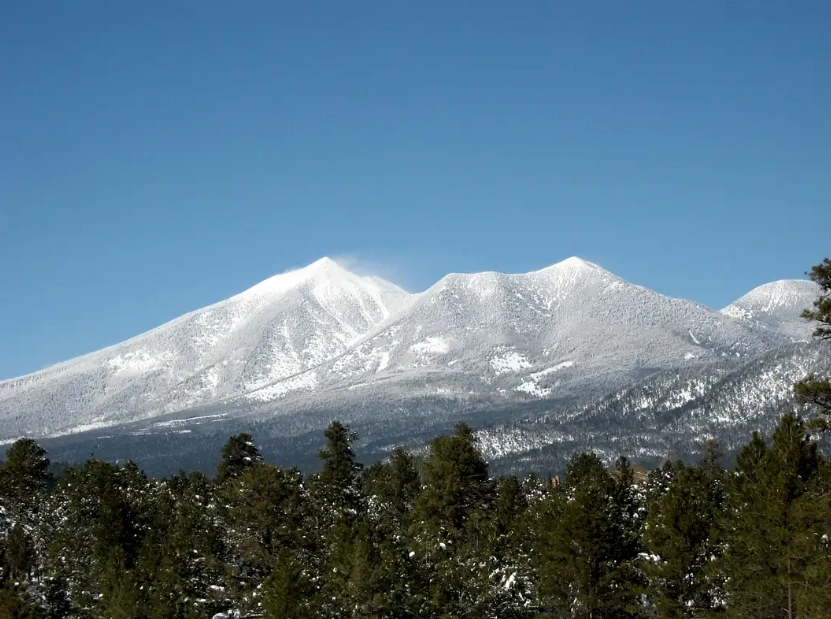
Why the Names Matter: Cultural and Sacred Significance
The English names given by settlers tell one story. But the Indigenous names hold the deeper truth of this place. For the Navajo (Diné), Hopi, Havasupai, and other tribes, these mountains are not a recreational area. They are a living, sacred being.
The Navajo name is Dookʼoʼoosłííd, which translates to "the summit that never melts." It's one of the four sacred mountains marking the boundary of Navajo land, representing the direction of the west. The Hopi call them Nuvatukya’ovi, "the place of snow on the very top." They are home to the Katsinam (spirit messengers), and the snowmelt from the peaks is believed to bring life-giving water to the pueblos.
This context changes everything. When you're hiking the Humphreys Peak trail, you're not just on a tough climb. You're walking on a cathedral. I've seen people treat it like just another checkbox—summit selfie and go. That feels disrespectful. A better approach is to hike with a sense of reverence. Go quietly, pack out all trash, and take a moment at the top to simply observe, not just photograph.
The tension between recreational use and sacred site is real. Proposed ski resort expansions on the Peaks have been met with decades of legal and cultural resistance from tribes. As a visitor, understanding that you're in a spiritually charged landscape is the most important piece of preparation you can do.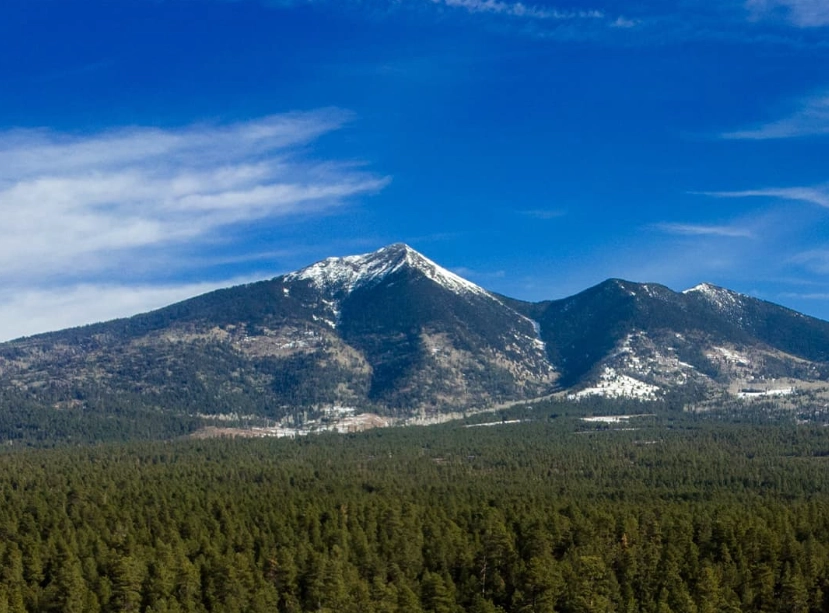
Hiking the San Francisco Peaks: Trails and Tips
Now for the practical stuff. How do you actually experience these named peaks? The gateway is the city of Flagstaff, Arizona. From downtown Flagstaff, it's about a 30-minute drive up Highway 180 to the Arizona Snowbowl ski area, which is the primary trailhead.
Getting There: From Flagstaff, take US-180 North for about 14 miles. Turn right onto Snowbowl Road (FR 516) and follow it for 7 miles to the large parking lot at the ski area base. A $10 recreation pass is required to park, which you can buy on-site. The road is paved all the way.
Hiking Humphreys Peak
The Humphreys Peak Trail (#151) is the main event. It's a brutal, rewarding 10-mile round trip with over 3,300 feet of elevation gain. The trail starts at 9,300 feet, so altitude sickness is a genuine concern even for fit hikers.
Start early. I mean 5 or 6 AM early. Summer afternoon thunderstorms are violent and dangerous above treeline. The trail is rocky and steep, especially in the final mile across the exposed saddle. The view from the top? On a clear day, you can see the Grand Canyon. It's worth every aching muscle.
Exploring Fremont Peak
For a less crowded, still challenging alternative, the Weatherford Trail leads to Fremont Peak. This is a longer, more gradual approach—about 13 miles round trip to the Fremont Saddle with views of the inner basin. You won't summit the rocky pinnacle of Fremont Peak itself without scrambling, but the vistas are incredible. This trail is often quieter and showcases the vast meadows on the mountain's slopes.
My personal tip? If you're not set on bagging the highest point, the Kachina Trail on the southern slopes offers stunning wildflower displays in July and August with minimal elevation grind. It gives you the feel of the mountain without the summit struggle.
How to Visit and Respect the San Francisco Peaks
This isn't a park you just show up to. Conditions dictate everything.
- Best Time to Visit: For summit hikes (Humphreys), aim for June through September. Even in June, you might hit snow patches. July and August offer the most stable weather, but also monsoon storms. Fall (October) is gorgeous but brings cold temperatures and potential early snow.
- What to Pack: This is alpine terrain. Even in summer, pack layers—a warm hat, gloves, and a wind/rain shell are non-negotiable. Sturdy hiking boots, 3+ liters of water per person, high-energy snacks, sunscreen, and a map (cell service is spotty).
- Altitude Advice: Spend at least a full day in Flagstaff (elevation 7,000 ft) acclimating before attempting Humphreys. Hydrate relentlessly. If you feel a headache or nausea, turn around. The mountain isn't going anywhere.
- Leave No Trace: Be fanatical about this. This is a sacred place and a fragile alpine ecosystem. Stay on designated trails to prevent erosion and protect rare plants.
Before you go, check the Coconino National Forest website for current trail conditions and fire restrictions. The Flagstaff Ranger District office is also a great resource for recent trail reports.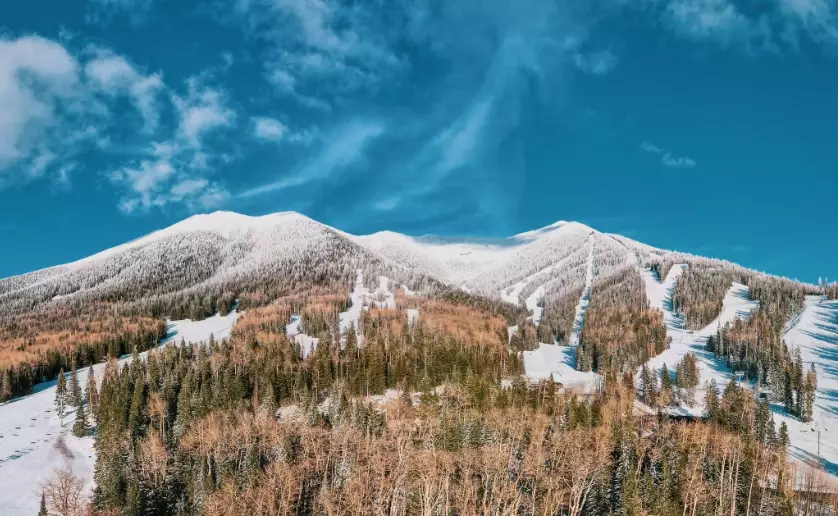
Your San Francisco Peaks Questions Answered
Is hiking Humphreys Peak dangerous for beginners?
I wouldn't recommend it as a first hike. The combination of high altitude, significant distance, and steep, rocky terrain makes it a strenuous endeavor even for experienced hikers. Beginners should first try shorter, high-elevation trails in the Flagstaff area, like the Fatman's Loop or trails on Mount Elden, to gauge their reaction to the altitude.
Can you see all three San Francisco Peaks namesakes from one spot?
Yes, but it's tricky from ground level because they align. The best panoramic view of the entire massif, where you can distinguish Humphreys, Agassiz, and Fremont, is from the San Francisco Peaks Overlook on US-89, north of Flagstaff. Another great spot is from the top of Mount Elden looking north. From the base near Snowbowl, you're mostly looking at Agassiz and Humphreys stacked together.
 Why is Agassiz Peak closed to hiking?
The primary reason is to protect the San Francisco Peaks groundsel (Senecio franciscanus), a federally threatened plant that grows only on the alpine tundra of Agassiz and Humphreys Peaks. Human trampling can destroy it. The seasonal closure (typically Dec 1 - July 15) also minimizes disturbance to wildlife during sensitive breeding and rearing periods. It's a critical conservation measure, not an arbitrary rule.
What's the biggest mistake people make when visiting the Peaks?
Underestimating the weather. People see a sunny, warm morning in Flagstaff and head up in shorts and a t-shirt. The summit can be 30+ degrees colder with howling winds and sudden fog. I've had to lend my spare layer to shivering, unprepared hikers more than once. Always pack for winter conditions, even in August.
Are there guided tours for learning more about the peaks' names and history?
Yes, and I highly recommend them for a deeper understanding. The Flagstaff Nordic Center offers summer nature walks. Organizations like the Flagstaff Arboretum and the Museum of Northern Arizona (a fantastic resource for cultural context) occasionally host guided hikes and talks. For a self-guided tour, pick up a guidebook from the museum bookstore before you go.
The San Francisco Peaks are more than a backdrop. Knowing their names—Humphreys, Agassiz, Fremont—and the sacred names Dookʼoʼoosłííd and Nuvatukya’ovi, transforms a beautiful view into a meaningful encounter. It connects you to the land's deep history and reminds you to tread lightly. Whether you're aiming for the summit or just admiring them from a distance with newfound respect, that connection is what you'll remember long after the trip.
Reader Comments