Let's be honest. You've seen the pictures of famous beaches packed shoulder-to-shoulder with tourists. You know the ones. The idea of fighting for a patch of sand next to a loudspeaker isn't why you travel. You're searching for something else—a curve of coastline that feels like it's yours for the afternoon, water so clear it doesn't seem real, and the quiet sound of waves without a vendor in sight. That's what a true hidden gem beach offers. It's not just about being unknown; it's about an experience that mass tourism hasn't packaged and sold yet.
I've spent over a decade chasing these spots, from remote atolls to secret coves a short walk from bustling resorts. The magic isn't in keeping them utterly secret (that's impossible and often unhelpful to local communities), but in knowing how to find them and, more importantly, how to visit them respectfully. This guide is my blueprint for ditching the crowds and discovering your own slice of paradise.
Your Quick Guide to Secret Shores
Why Choose a Hidden Gem Beach?
The appeal is obvious: fewer people, pristine nature, and a sense of discovery. But there's a nuance most lists don't mention. A hidden beach often requires more effort—a hike, a bumpy boat ride, navigating a rental car down a dirt track. This filter is what keeps it special. You trade convenience for authenticity.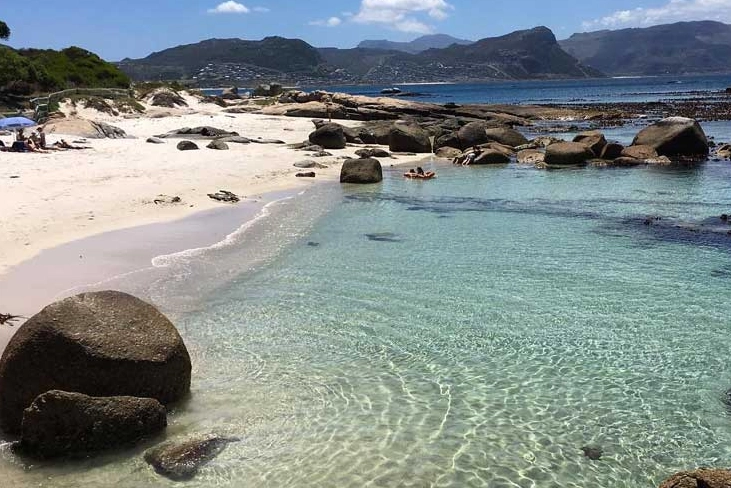
You also get a more intimate connection with the environment. On a popular beach, the ecosystem is a backdrop. On a hidden one, you're a guest in it. You might share the sand with nesting turtles (from a distance), watch unique birdlife, or snorkel a reef that hasn't been damaged by countless fins. The responsibility that comes with that is part of the deal.
A quick reality check: "Hidden" rarely means "completely undiscovered." It often means it's overlooked by the main tourist circuit, requires local knowledge to access, or is simply less convenient than the big-name beach next door. Managing expectations is key—you might still see a few other travelers, but you won't see a thousand.
Three Stunning Hidden Gem Beaches (With Exact Details)
Here are three personal favorites that perfectly embody the hidden gem ethos. I'm giving you the real logistics, not just poetic descriptions.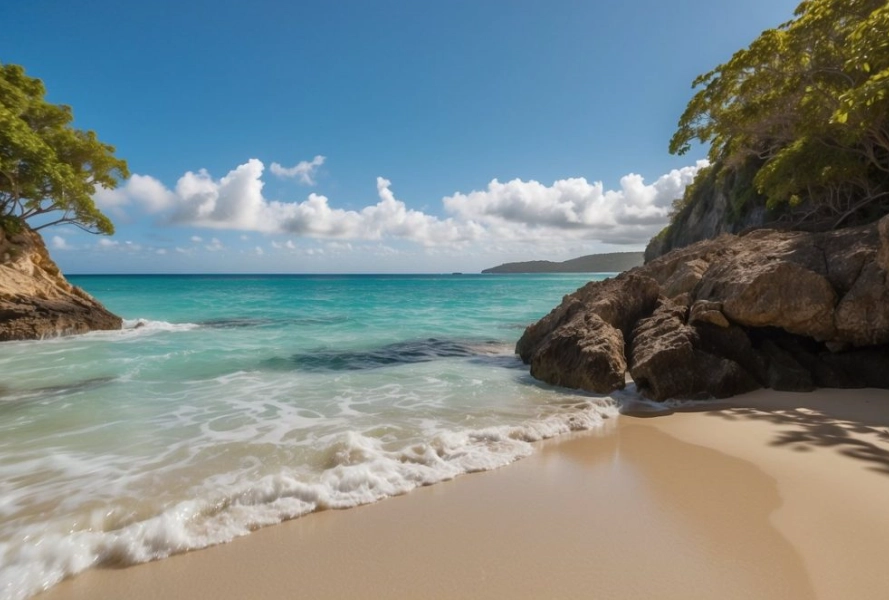
1. Spiaggia dei Conigli (Rabbit Beach), Lampedusa, Italy
You'll see this on some "world's best beaches" lists, but its hidden gem status comes from its isolation and the specific effort to preserve it. It's on the tiny island of Lampedusa, south of Sicily. This isn't the Amalfi Coast.
Why it's special: It's a key loggerhead turtle nesting site. Access is heavily regulated to protect them. The water is a surreal gradient of blues, and the beach is a mix of fine sand and smooth rock. It feels wild, not curated.
The crucial details most miss:
Getting there: Fly to Lampedusa (connections from Palermo or mainland Italy). From the main town, you can take a taxi or local bus to the Capo Ponente area. From the parking/access point, it's a well-marked 15-20 minute downhill walk on a path. No direct road access is the main filter.
Best time to visit: June or September. July and August are hot, more crowded (by Lampedusa standards), and see more restrictions for turtles. Avoid midday—go early morning or late afternoon.
Cost: Free to access, but you pay for parking. Bring everything: water, food, shade (an umbrella). There are no services on the beach itself, by design.
My tip: Don't just plop on the main sand. Explore the rocky western side for more private little coves and better snorkeling away from the main entry point.
2. Nacpan Beach, El Nido, Philippines
El Nido is famous for its island-hopping tours to stunning lagoons. Everyone goes there. But on the main island of Palawan, a 45-minute tricycle ride north of El Nido town, lies a 4-kilometer stretch of golden sand that most tour boats skip entirely.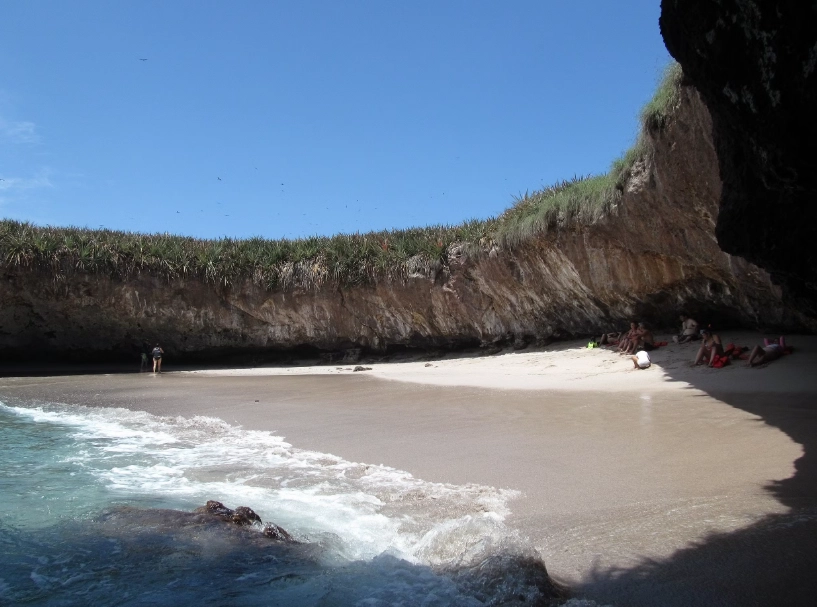
Why it's special: It's a long, sweeping, double-cove beach with rolling hills and palm trees. It has a laid-back, rustic vibe compared to the touristic hustle of El Nido proper. You can walk for ages and see more local fishermen than tourists.
The crucial details most miss:
Getting there: From El Nido town, hire a tricycle for the day (negotiate, around 1500 PHP round-trip) or rent a motorbike. The road was rough dirt for the last section, though it's been improving. The journey is part of the adventure.
Best time to visit: The dry season, November to May. Go on a weekday. Even when El Nido is packed, Nacpan remains relatively serene.
Cost: No entrance fee. You'll pay for transport and food/drink at the simple beachfront karinderias (eateries). A fresh coconut costs about 50 PHP.
My tip: The tricycle drivers often stop at a viewpoint on the hill before descending to the beach. It's worth it for the photo. Also, walk south along the beach to where it curves—it gets even quieter.
3. Sarakiniko Beach, Milos, Greece
Greece has countless hidden coves, but Sarakiniko is otherworldly. It's not hidden in a remote sense—it's one of Milos's most famous spots. Its "hidden" quality is geological: it looks like a moonscape, not a typical Greek beach.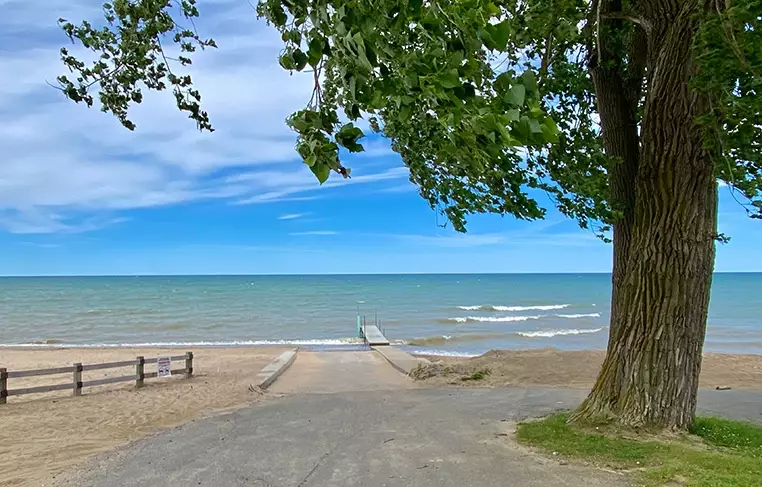
Why it's special: Wind and sea have carved the white volcanic rock into smooth, undulating forms. There are small, deep-water inlets for swimming instead of a sandy shore. It feels like you're on another planet.
The crucial details most miss:
Getting there: You need to be on the island of Milos. From Adamas, the main port, it's a 15-minute drive or a bus ride. You park above the area and walk down a path. It's accessible, but most people come for an hour. To experience it as a hidden gem, you need to stay longer or explore beyond the main slab.
Best time to visit: Early morning (for soft light and solitude) or late afternoon to sunset. Midday brings tour groups and the white rock reflects intense heat. Shoulder seasons (May, June, September) are best.
Cost: Free. No facilities. The rock gets hot—bring proper shoes for walking on it and a thick towel or mat to sit on.
My tip: Everyone clusters on the first big, smooth rock area. Scramble further along the coastline. You'll find more private swimming holes and dramatic rock arches. And for god's sake, wear sunscreen. The sun reflection off the white rock is brutal.
How to Find Your Own Hidden Beach
You don't need my list forever. Here's how I find new spots.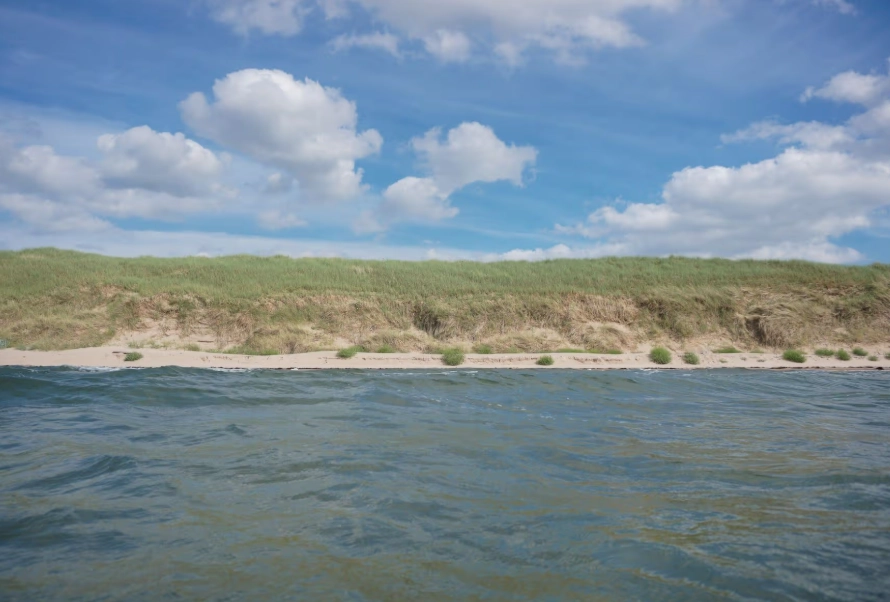
Use maps, not just Instagram. Zoom in on Google Maps or Google Earth along a coastline. Look for tiny tracks leading to the shore, a curve of sand between cliffs, or a beach with no road directly to it. Satellite view is your best friend.
Ask a local, but ask the right person. Don't ask your hotel concierge at a big resort—they're often trained to recommend partnered tour operators. Ask a bartender at a small local bar, a taxi driver who's lived there for years, or someone at a family-run restaurant. Offer to buy them a drink for the tip. The question isn't "Where is a secret beach?" It's "Where do you and your friends go to swim on your day off?"
Embrace the hike or the boat. The best filter is physical. A beach that's a 30-minute hike from the nearest parking will have 90% fewer people. Similarly, a beach only accessible by a small local boat (not the big tour boat) is a good bet. In places like Thailand or Croatia, look for long-tail boat captains away from the main piers.
Look next to the famous spot. Often, the world-famous beach has an equally beautiful, unnamed neighbor just around the headland. A short, sometimes tricky walk can transport you from chaos to calm. Research the geography of famous beaches.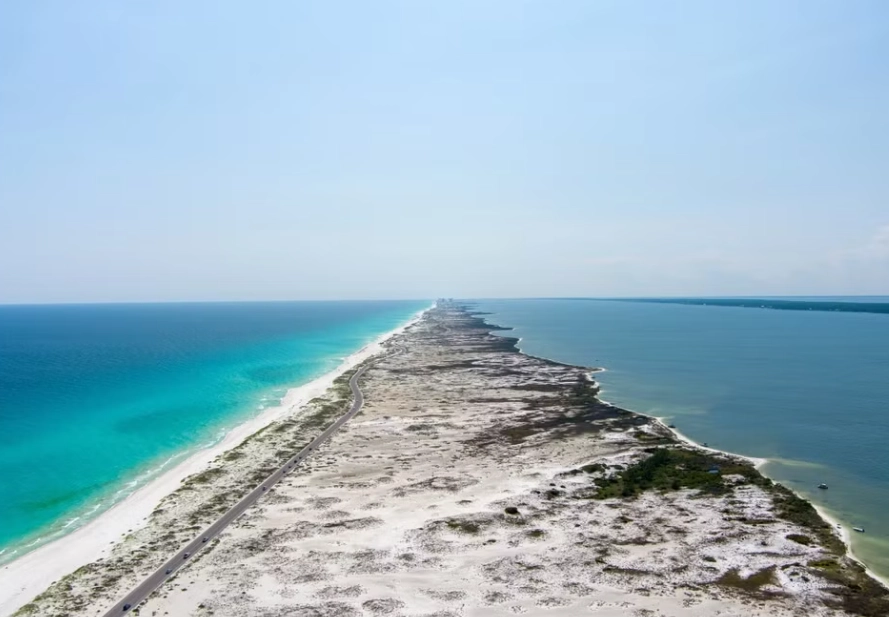
Your Hidden Beach Questions, Answered
The search for a perfect, quiet stretch of sand is part of the fun. It teaches you to read landscapes, talk to people, and travel more intentionally. It's not about checking a famous name off a list; it's about the memory of a place that felt, just for a little while, like it belonged to no one and everyone at the same time. Start with the spots above, then use the methods to find your own. Just remember to tread lightly.
Reader Comments