Quick Guide
- First Things First: The Lay of the Land & The Infamous Permit System
- The Wave Permit Lottery: Your Biggest Hurdle
- Choosing the Right Tour: It's Not One-Size-Fits-All
- What to Look For in a Tour Operator
- Planning Your Trip: The Nitty-Gritty Details Everyone Forgets
- Beyond the Brochure: Real Talk on What to Expect
- Frequently Asked Questions (The Real Ones)
- The Bottom Line: Making Your Decision
Let's be real. You've seen the pictures. Those swirling waves of sandstone, the cliffs that look like they're on fire at sunset, that one iconic shot everyone tries to get. You're thinking about a trip to the Vermilion Cliffs National Monument in Arizona. But between the permit lotteries, the remote location, and the sheer scale of the place, figuring out how to actually do it can feel overwhelming.
I've been there. I've stood in the online lottery queue, I've driven those dusty backroads wondering if my rental car would make it, and I've hiked out of Paria Canyon utterly exhausted but completely in awe. This isn't a glossy brochure. It's a straight-talking guide from someone who's made the mistakes so you don't have to. We're going to break down everything about Vermilion Cliffs National Monument Arizona tours, from the famous Wave hike to the secret spots most people drive right past.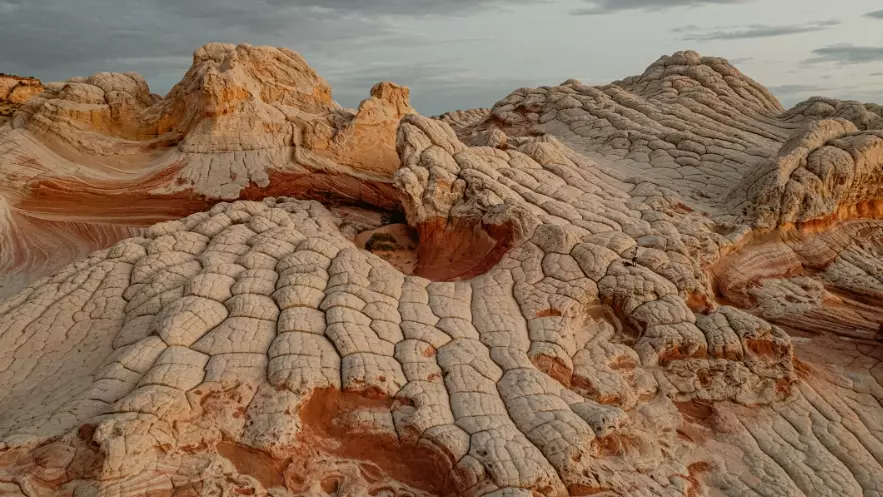
First Things First: The Lay of the Land & The Infamous Permit System
Before you even look at tour companies, you need to understand what you're dealing with. The Vermilion Cliffs National Monument is huge—about 280,000 acres of rugged, mostly roadless wilderness straddling the Arizona-Utah border. It's managed by the Bureau of Land Management (BLM), not the National Park Service, which matters for how things are run. The landscape is a geology textbook come to life: towering cliffs, deep slot canyons, and those mind-bending sandstone formations.
The big draw, the one that complicates everything, is The Wave. It's the poster child of the region. And because it's incredibly fragile, access is brutally restricted.
The Wave Permit Lottery: Your Biggest Hurdle
Getting a permit is the single most important step for any Vermilion Cliffs tour focused on The Wave. There is no walking up. There are two ways in, and both are a gamble.
The Online Lottery: This is for permits four months in advance. You apply on the recreation.gov website. They release 64 permits per day (48 online, 16 in-person). The odds are notoriously low, sometimes below 10% for popular dates. You need to be flexible with your dates.
The In-Person Lottery: Held the day before your intended hike at the Grand Staircase-Escalante National Monument Visitor Center in Kanab, Utah. This is for the next-day permits. You have to be physically there by 9 AM. It's a roll of the dice, and it means planning your entire trip around a maybe.
So, where do Vermilion Cliffs National Monument Arizona tours come in? A good tour operator does two critical things: they often have guides who are skilled at navigating the online lottery (it's a dark art), and they provide the essential guidance and safety for the hike itself. For many, that's worth the price.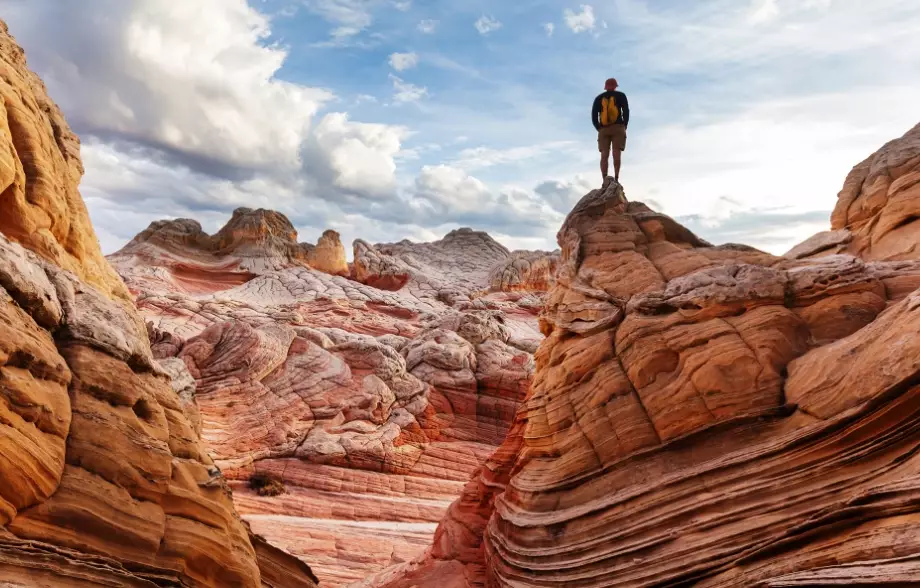
Choosing the Right Tour: It's Not One-Size-Fits-All
Not all tours are created equal. Your choice depends entirely on what you want to see, your fitness level, your budget, and whether you snagged a Wave permit. Let's break down the main types of Vermilion Cliffs tours you'll find.
| Tour Type | Best For | What You'll See/Do | Permit Needed? | Physical Demand |
|---|---|---|---|---|
| The Wave-Focused Tour | The dedicated photographer, the bucket-lister. | Hike directly to The Wave (Coyote Buttes North). Deep dive into the geology. | ABSOLUTELY. Tour secures or you must provide. | High. 6.5+ miles off-trail. |
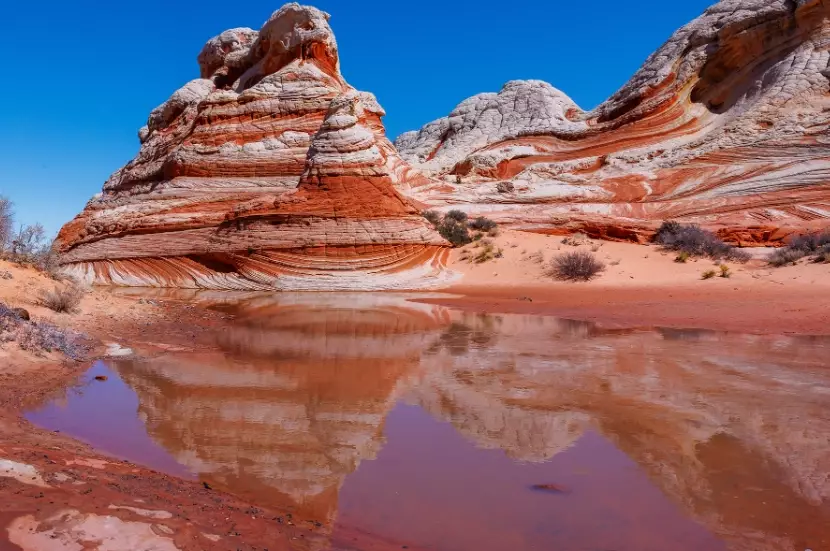
| Coyote Buttes South Tour | Those who want stunning scenery without the lottery madness. | Explore areas like the Teepees, Top Rock Arch, and other swirls. Often called "The Wave's quieter cousin." | Yes, but easier to get than North. | Moderate to High. |
| Paria Canyon Day Hike | Adventurers who love slot canyons and don't mind getting dirty. | Hike a section of the epic Paria Canyon, like from the White House trailhead. Wading, narrow passages. | Yes, for day use. More available. | Moderate. Involves water/mud. |
| Scenic 4x4 & Photography Tour | People with limited mobility, families, or those who want a broad overview. | Drive along the rim of the Paria Plateau, visit overlooks like the one for the "Wave View" (distant), see other monuments. | No. | Low. Vehicle-based. |
| Multi-Day Backpacking Tour | The ultimate immersion. Serious hikers only. | Trek through the entire Paria Canyon (38 miles) or explore remote areas of the monument over several days. | Yes, for overnight. | Very High. |
See what I mean? Your adventure can look totally different. I did a Coyote Buttes South tour after failing to get a North permit, and honestly? It was phenomenal. Fewer people, equally insane geology. Sometimes the plan B is the better plan.
 So you're telling me there's more than just The Wave?
What to Look For in a Tour Operator
Don't just book the first Google result. This is remote country. Your guide is your lifeline.
- BLM Permitting Expertise: Do they clearly explain the process? Do they help with applications or require you to have the permit already? There's a big difference.
- Guide Credentials: Are they certified in wilderness first aid? Do they have deep local knowledge (not just of trails, but of weather, geology, history)?
- Group Size: Small is best. For a place this fragile and for navigation, a ratio of 1 guide to 6 clients is ideal. Avoid the cattle-car tours.
- What's Included: Lunch? Snacks? Plenty of water? Transportation from a meeting point? Hiking poles? Read the fine print.
- Safety Protocol: How do they handle emergencies? What's their communication plan? Do they carry satellite messengers?
Reputable operators will be upfront about all of this. If their website is just pretty pictures and a "Book Now" button, be wary.
Planning Your Trip: The Nitty-Gritty Details Everyone Forgets
Okay, you've picked a type of tour or decided to go it alone (brave soul). Here's the stuff that makes or breaks your trip.
When to Go: It's All About the Weather
This isn't a year-round destination. Summer (June-August) is brutal. Temperatures regularly soar above 100°F (38°C) with zero shade. Hiking can be dangerous. Most serious Vermilion Cliffs National Monument tours operate in the shoulder seasons.
- Best Months: April-May and September-October. Days are pleasant, nights are cool.
- Shoulder Months: March and November. Can be perfect, can be chilly. Be prepared for anything.
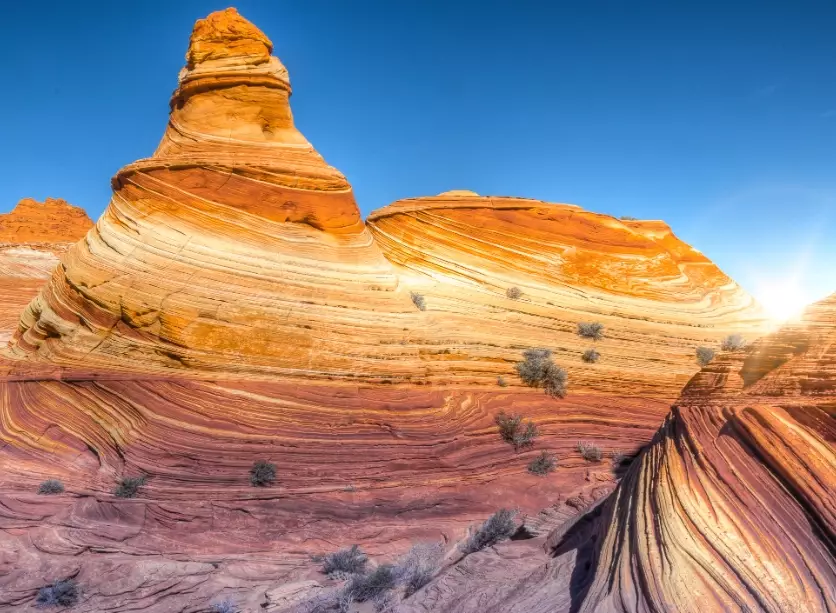
- Winter (Dec-Feb): Possible, but cold. Snow can close roads. The low sun angle makes for amazing long shadows in the canyons though.
- Avoid: Peak summer heat. Just don't.
Getting There and Where to Stay
You're not staying at the monument. There are no hotels or campgrounds inside it. You base yourself in a nearby town.
- Kanab, Utah: The undisputed hub. Closest to the Kanab Visitor Center for lotteries. Has the most amenities, tour operators, and food options. About 1-1.5 hour drive to most trailheads.
- Page, Arizona: Further east, near Lake Powell and Antelope Canyon. Another good base with lots of hotels. Slightly longer drive to the Vermilion Cliffs.
- Marble Canyon, Arizona: Tiny. Basically a lodge and a gas station at the base of the cliffs right on Highway 89A. Incredibly scenic and close, but limited services.
You'll need a car. A high-clearance vehicle is strongly recommended for accessing some trailheads (like Wire Pass or the Buckskin Gulch trailhead). The roads are dirt, often washboarded, and can become impassable when wet. I've seen sedans make it on a dry day, but they move at a snail's pace. An SUV or truck is a much better idea.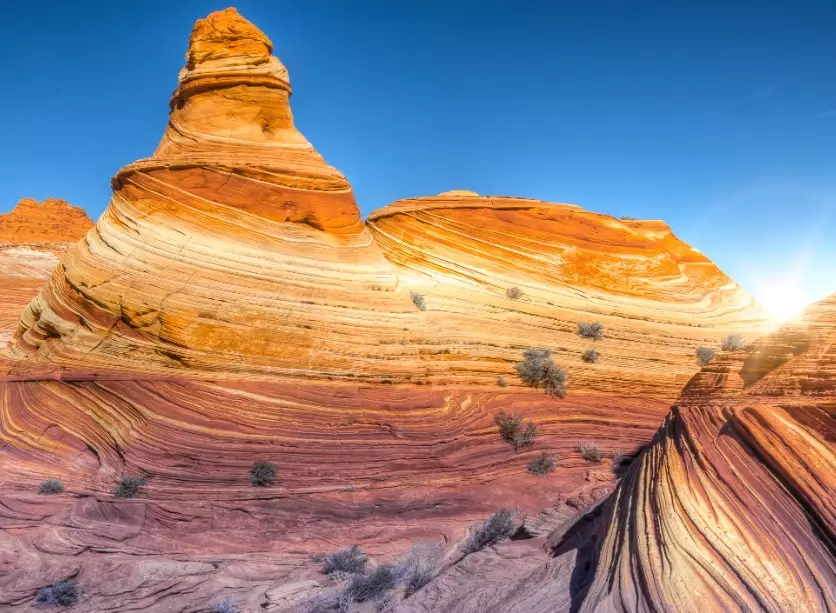
Beyond the Brochure: Real Talk on What to Expect
Here's the unfiltered version of what a day on a Vermilion Cliffs National Monument Arizona tour often looks like.
You meet your guide at an ungodly early hour in Kanab. Why? To beat the heat and to have the best light. You pile into a rugged 4x4 vehicle. The drive out is long, bumpy, and dusty. You'll see absolutely nothing for miles, then suddenly—bam—those red and white cliffs erupt from the desert floor.
The hike begins. If it's to The Wave, there's no trail. You're following cairns (small rock piles) and your guide's knowledge. You'll walk on sand that sucks at your boots. You'll scramble over slickrock. The silence out there, once you get away from the trailhead, is profound. It's just the wind and your footsteps.
You finally round a corner and see it. It's smaller than you imagined, and more beautiful. The colors shift with the sun. Your guide points out the cross-bedding in the rock, tells you about the Jurassic-era sand dunes. You have a set amount of time there—they're strict about this to manage crowds—so you soak it in, take your photos, and maybe just sit for a minute.
The hike back is always harder. The sun is higher, you're tired. You're grateful for the extra water the guide brought. You get back to the vehicle, utterly spent, covered in red dust, and completely happy.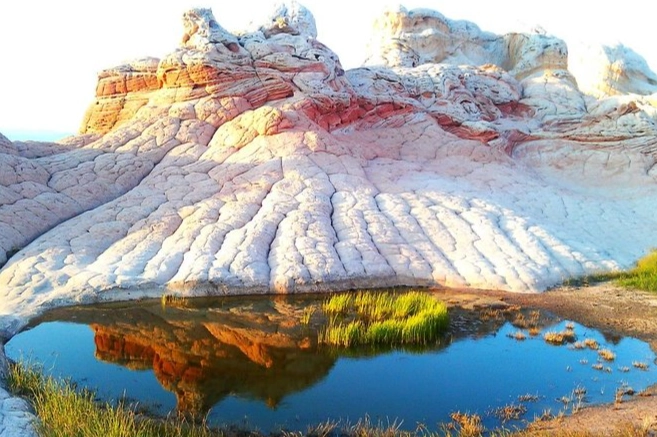
Essential Packing List (Beyond the Usual)
Most tour companies give you a list, but here are the items people most commonly forget:
- Way More Water Than You Think: At least 1 gallon (4 liters) per person for a full-day hike. A hydration bladder is great.
- Electrolytes: Powdered mixes or tablets. You're sweating a lot in dry air.
- High-Energy Snacks: Nuts, jerky, bars, dried fruit. You'll burn calories.
- Sun Protection Armor: Wide-brimmed hat (not a baseball cap), sunglasses, SPF 50+ sunscreen, and sun-protective long-sleeve shirt. The sun is relentless.
- Navigation Backups: Even with a guide, carry a physical map and a compass or a fully charged GPS device (like a Garmin inReach) as a backup. Know how to use them.
- Dust Protection: Bandana or buff to cover your mouth/nose on dusty roads and hikes.
- Trash Bag: Pack out EVERYTHING, including toilet paper. There are no facilities.
Frequently Asked Questions (The Real Ones)
The Bottom Line: Making Your Decision
Planning a trip to the Vermilion Cliffs requires more forethought than your average national park visit. It's a commitment. The permit system is a hurdle, the terrain is challenging, and the amenities are zero.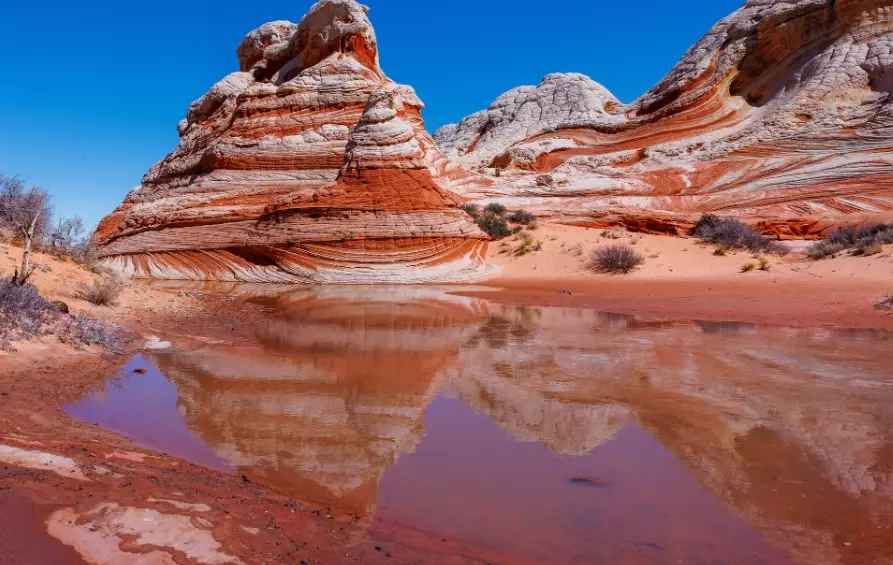
But that's also what protects it. That's what keeps the experience feeling genuine and wild. When you finally stand in those swirling canyons, you'll understand why the rules are so strict.
If you're willing to do the planning—or partner with a reputable tour operator who can—the reward is one of the most unique and stunning landscapes in North America. It's not a passive sightseeing trip; it's an adventure. Choose your Vermilion Cliffs National Monument Arizona tour based on your own abilities and desires, prepare thoroughly, and go with respect for the immense power and fragility of the place.
Start by checking the BLM's official page for the most current regulations. Then, research tour operators with solid reputations. Apply for that lottery. And get ready for an unforgettable journey into the heart of the Arizona desert.
Reader Comments