Let's cut straight to the point. When people search for "San Francisco Peaks elevation," they're usually fixated on one number: 12,633 feet. That's the summit height of Humphreys Peak, the tallest of the group and the highest natural point in the entire state of Arizona. But reducing these mountains to just a statistic misses the whole story. I've spent over a decade hiking and photographing this range, and I can tell you the elevation isn't just a number—it's the defining character of the place. It dictates the weather, the ecosystems you pass through, the difficulty of the hike, and even how your body will react. This guide isn't just about that 12,633-foot figure; it's about what that elevation means for your visit, your hike, and your experience.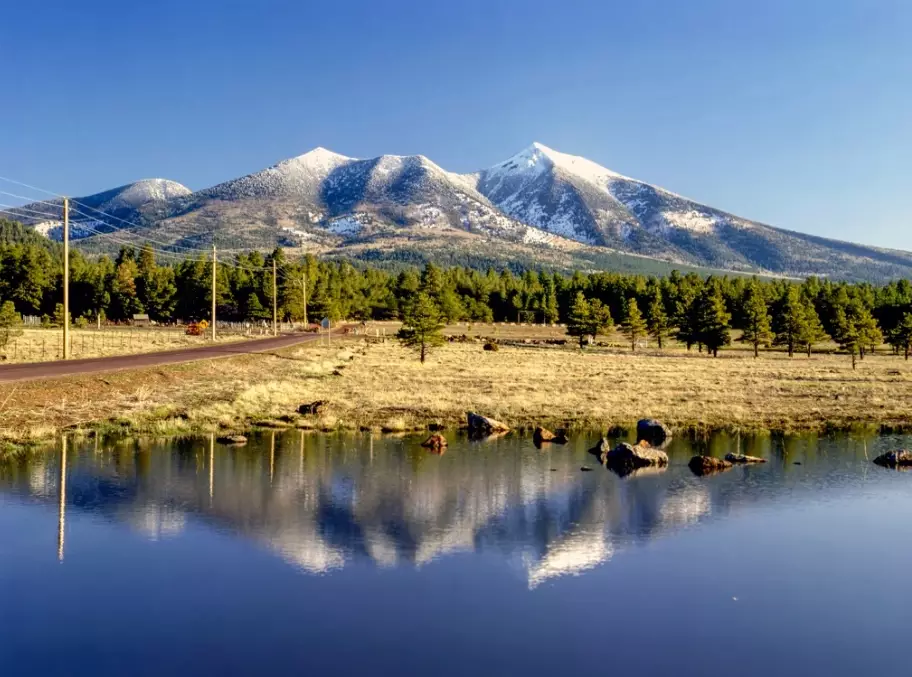
Your Quick Trail Map to the Peaks
- Beyond the Number: What the San Francisco Peaks Elevation Really Means
- A Peak-by-Peak Breakdown: Names, Heights, and Personalities
- Planning Your Hike to Humphreys Peak: A Step-by-Step Guide
- The Real Challenge: Beating Altitude Sickness on the Trail
- If You're Not Hiking: Alternative Ways to Experience the Peaks
- Essential FAQs: Answers From the Trail
Beyond the Number: What the San Francisco Peaks Elevation Really Means
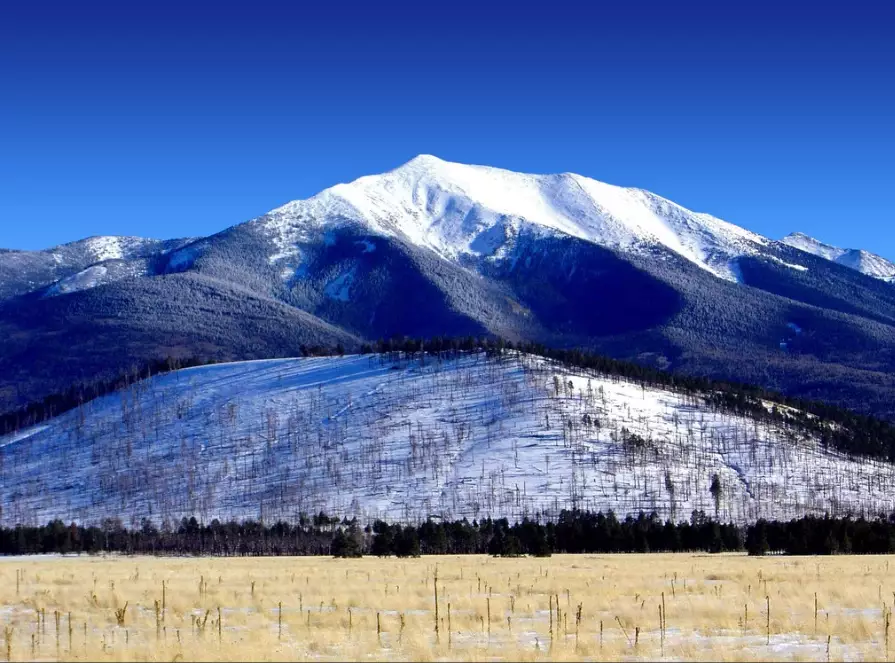
Standing in Flagstaff, you look up at these volcanic remnants that shoot up from the Colorado Plateau. The vertical rise is dramatic—over 6,000 feet from the city to the summit. This creates what geographers call a "sky island." You start in a ponderosa pine forest around 7,000 feet and, if you hike up, you'll trek through aspen groves, into spruce-fir forests, and finally onto a windswept, alpine tundra that feels a world away from the desert below.
The elevation is the reason the San Francisco Peaks are a biological hotspot. It's also the reason the weather is famously unpredictable. I've seen sunny mornings turn into afternoon lightning storms more times than I can count. That high point acts like a magnet for clouds. The summit of Humphreys Peak is, on average, about 30 degrees Fahrenheit colder than downtown Flagstaff. You need to pack for all seasons, even in July.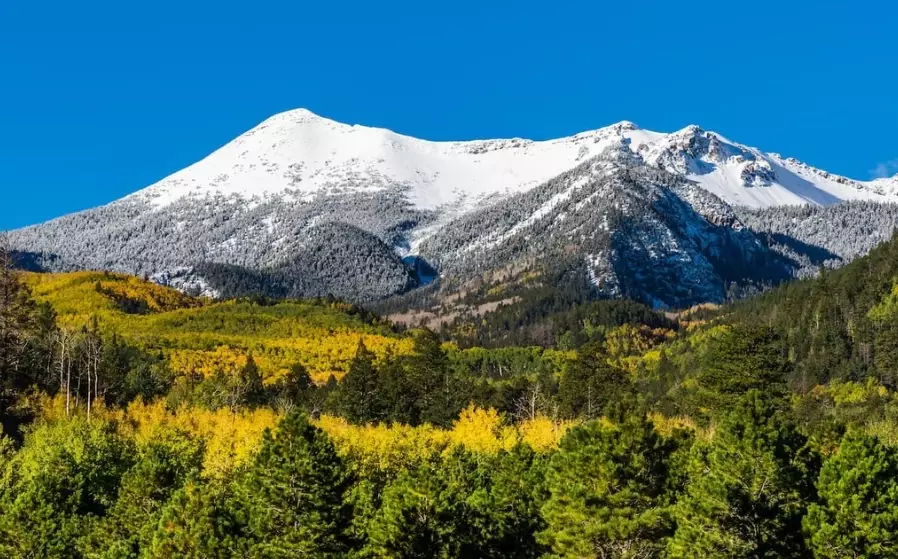
Key Takeaway: The elevation isn't just a bragging right. It's a practical factor that influences everything from what you pack (layers, rain gear, sun protection) to how you pace yourself on the trail. Respecting the altitude is the first rule of a successful trip here.
A Peak-by-Peak Breakdown: Names, Heights, and Personalities
Most folks zero in on Humphreys, but the San Francisco Peaks are a family. Here’s the lineup, from tallest to shortest, with a bit of their character.
- Humphreys Peak: The king at 12,633 ft. This is the one you hike for the bragging rights and the 360-degree views that stretch into Utah on a clear day. It's a barren, rocky crown.
- Agassiz Peak: The shy sibling at 12,356 ft. It's the second highest but sits right next to Humphreys. You can't legally summit Agassiz—it's a protected Kachina Peaks Wilderness area sacred to several Native American tribes. Its slopes are critical habitat for the endangered San Francisco Peaks groundsel.
- Fremont Peak: Comes in at 11,969 ft. Often overlooked, it offers a slightly less grueling hike than Humphreys with fantastic views of its bigger brothers.
- Aubineau Peak & Rees Peak: These are sub-peaks on the same ridge, both over 11,400 ft. You'll pass them on the way to Humphreys if you take the standard trail.
- Doyle Peak: The southernmost major peak at 11,460 ft. It has a distinct, rounded profile when viewed from Flagstaff.
That sacred status of Agassiz is crucial. It's a reminder that these mountains are more than a recreation zone. They hold deep cultural significance. The Hopi believe them to be the home of katsinas (spirit messengers). Treading lightly isn't just an eco-principle; it's a sign of respect.
Planning Your Hike to Humphreys Peak: A Step-by-Step Guide
Okay, you're committed to tackling the highest point in Arizona. Here’s the nitty-gritty you need to plan. The #1 trail is the Humphreys Peak Trail via the Arizona Snowbowl.
Logistics: Getting There, Fees, and Timing
Trailhead Address: Humphreys Peak Trailhead, Snowbowl Rd, Flagstaff, AZ 86001. It's at the far end of the Arizona Snowbowl ski resort parking lot.
Driving: From Flagstaff, take US-180 north for about 7 miles. Turn left onto Snowbowl Road and drive 7.4 miles up to the ski area. The road is paved and well-maintained.
Fees: You need a recreational pass. The easiest is the $5 daily "America the Beautiful" pass (or annual pass) sold at the kiosk. You can also use other interagency passes. No specific hiking permit is required beyond this.
Best Time to Hike: Late June through early October. Even in July, expect patches of snow in shaded areas early in the season. The monsoon (July-August) brings daily afternoon thunderstorms—you must be off the summit by noon. Fall (September) is golden and usually more stable.
The Hike Itself: What to Expect
The trail is 10.5 miles out-and-back with about 3,300 feet of elevation gain. It's rated strenuous, and that's not an exaggeration. The first 2 miles through the trees are a steady climb. After the treeline (around 11,500 ft), it becomes a rocky, exposed scramble along the ridge for the final mile. The wind up there is almost always fierce.
| Trail Section | Distance (approx.) | Elevation Gain | Key Features & Challenges |
|---|---|---|---|
| Trailhead to Treeline | 3 miles | ~2,000 ft | Steady climb through dense forest. Good footing. |
| Treeline to Summit Ridge | 1 mile | ~700 ft | Exposed, rocky, often windy. Route-finding over boulders. |
| Summit Ridge to High Point | 1.25 miles | ~600 ft | Scramble along the narrow ridge. Sustained wind exposure. False summits. |
| Total Round Trip | 10.5 miles | ~3,300 ft | Plan for 6-8 hours. Bring 3-4 liters of water. |
Most people underestimate two things: the wind chill above treeline and the sheer mental grind of that last rocky mile when you're already tired. A windbreaker isn't a suggestion; it's mandatory. Gloves are smart even in summer.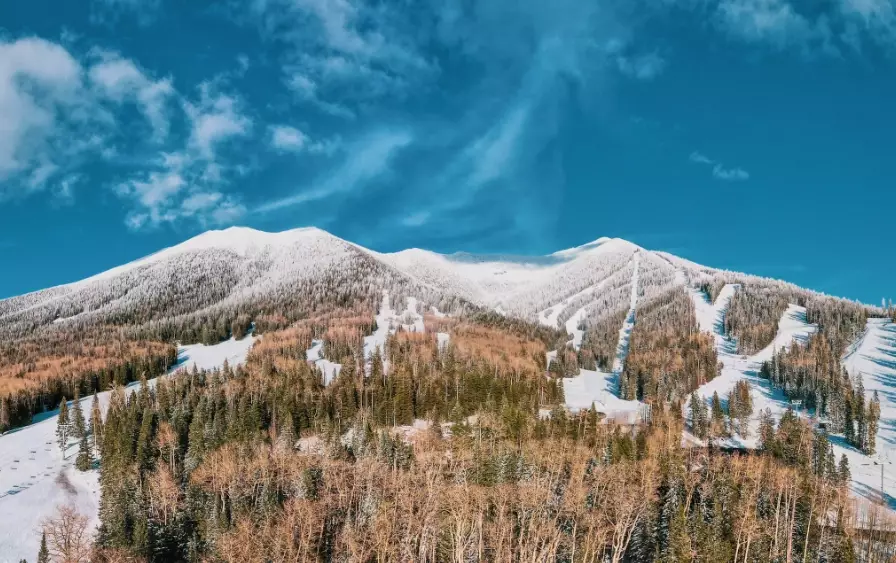
The Real Challenge: Beating Altitude Sickness on the Trail
Here's the expert tip you won't see on every blog: The biggest mistake isn't forgetting water; it's ignoring the subtle signs of altitude sickness because you're so focused on the summit. Flagstaff sits at 7,000 ft. You're climbing to over 12,600 ft. That's a huge jump if you're coming from sea level.
Symptoms creep in: a dull headache, unusual fatigue, nausea, dizziness. The classic advice is to "acclimatize." Spend a night in Flagstaff first. That helps, but it's not a guarantee. What works better is a brutal honesty check on the trail. If you start feeling off at 11,000 feet, turning around is not a failure. It's the smart, safe choice. The mountain isn't going anywhere.
Hydration is your best defense, but it's not just about water. You're sweating out electrolytes. I always pack salty snacks and consider an electrolyte mix in my water. Coffee in the morning might seem like a good idea, but it's a diuretic and can contribute to dehydration. Go easy.
If You're Not Hiking: Alternative Ways to Experience the Peaks
Not everyone is up for a 10-mile slog, and that's perfectly fine. The San Francisco Peaks offer beauty at every level.
- Scenic Chairlift at Arizona Snowbowl: From late May to early October, the ski resort runs the Scenic Sky Ride. For a fee, you ride a chairlift to 11,500 ft. You get stunning views without the sweat. From the top, you can take short, easier hikes along the ridge. It's a fantastic family option.
- Drive the Peaks Loop: For a stunning 44-mile driving tour, take US-89 north from Flagstaff, then loop back on FR 418 and US-180. You'll get different perspectives of all the peaks.
- Lower Trail Networks: The vast trail systems around the base, like the Kachina Trail or the Abineau-Bear Jaw loop, offer incredible hikes through wildflower meadows and aspen groves with big views, but without the extreme altitude gain.
My personal favorite non-summit activity is hiking the Kachina Trail in late September. The aspens are on fire with color, and you feel immersed in the mountains without battling the summit winds.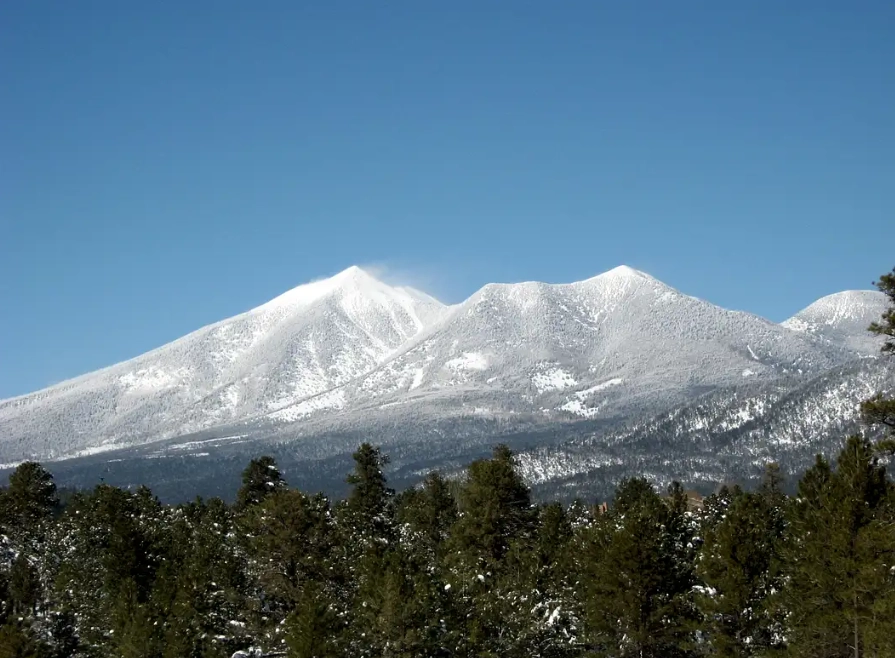
Essential FAQs: Answers From the Trail
 What should I absolutely not forget to pack?
So, the San Francisco Peaks elevation is your starting point, but it's the journey through that vertical landscape that stays with you. Whether you stand on the rocky top of Humphreys Peak or simply admire the view from a lower trail, understanding and respecting that altitude is the key to unlocking a truly rewarding experience in one of Arizona's most iconic landscapes.
Reader Comments