Let's cut to the chase. Yes, Arizona absolutely has national parks. Not just one, but three incredible, world-class national parks that showcase the state's mind-blowing geological diversity. If you thought Arizona was just desert, prepare to have your mind changed. We're talking a mile-deep canyon, a forest of stone trees, and landscapes that look like they're from another planet. This guide isn't just a list; it's your personal roadmap to understanding which park is right for you, how to avoid the crowds most tourists stumble into, and how to plan a trip you'll remember for decades.
Your Quick Guide to Arizona's Parks
The Icon: Grand Canyon National Park
This is the one everyone knows. But knowing about it and experiencing it are two different things. The first view from the South Rim still knocks the wind out of me, every single time. The scale is impossible to comprehend until you're there.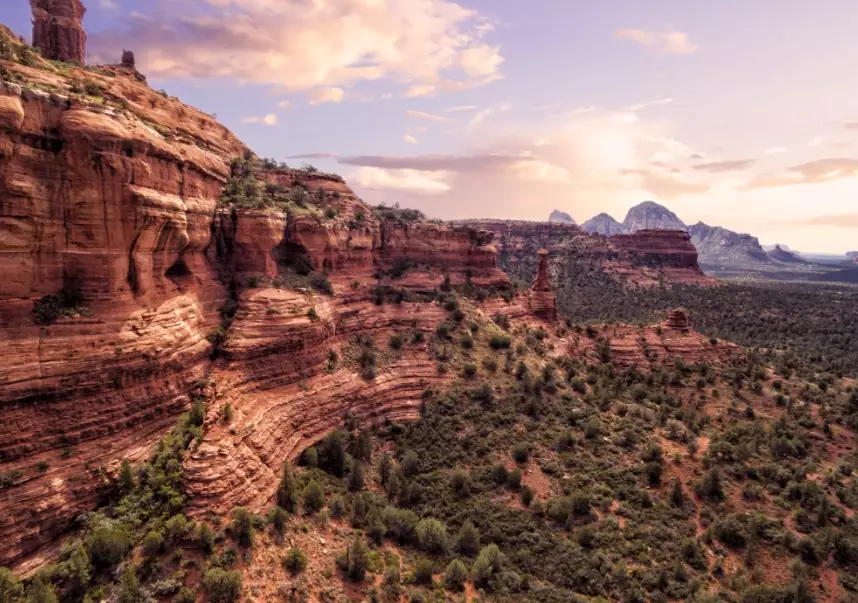
Address & Entry: The park has two main rims, South and North, separated by a 4-hour drive around the canyon. The South Rim (the main entrance near Tusayan, AZ) is open 24/7, year-round. The North Rim is only open from mid-May to mid-October due to snow. The entrance fee is $35 per vehicle, valid for 7 days at both rims. Pro tip: Buy the $80 America the Beautiful Annual Pass if you plan to visit more than two national parks in a year.
Getting There: Most people fly into Phoenix (PHX) or Las Vegas (LAS). From Phoenix, it's a 3.5-hour drive north on I-17. From Flagstaff, it's about 1.5 hours. Public transport is tricky; having a car is almost non-negotiable for real exploration.
A Common Mistake First-Timers Make: They think they can "see" the Grand Canyon in a few hours. You can see a view in a few hours. To experience it, you need to get below the rim. Even a short 1-mile hike down the Bright Angel Trail changes everything—the sounds, the perspective, the sense of awe. Just remember: going down is optional, coming up is mandatory. The hike out is twice as hard.
What To Do Beyond the Lookout Points
Hiking is the main event. The Rim Trail is easy and paved along the South Rim. For the adventurous, the corridor trails—Bright Angel and South Kaibab—lead to the bottom. A permit is required for overnight camping below the rim, and they're fiercely competitive. Book months ahead through the National Park Service website.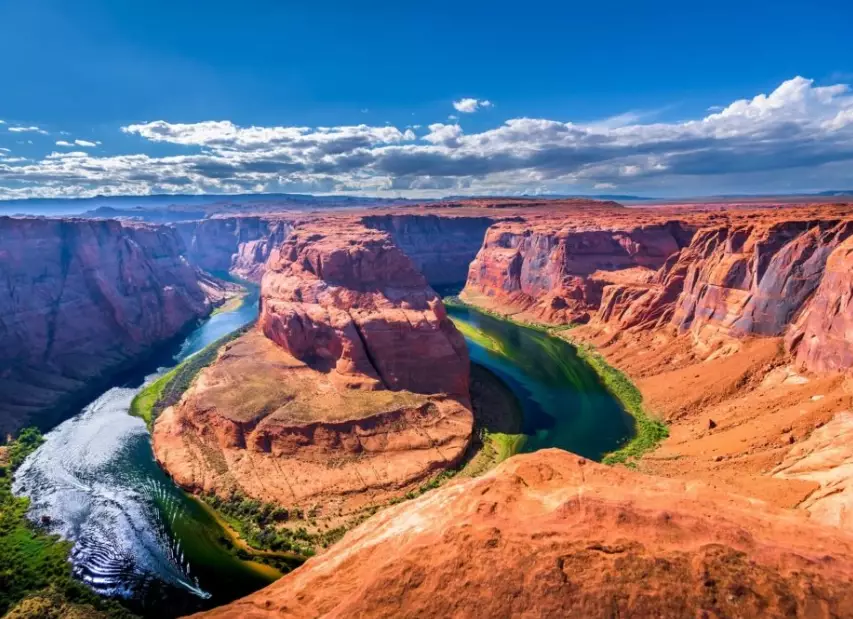
If hiking isn't your thing, consider a guided bus tour along Hermit Road (private vehicles are restricted part of the year), or the historic train from Williams, AZ. In winter, the South Rim is quieter and often dusted with snow—a magical and overlooked time to visit.
The Time Capsule: Petrified Forest National Park
This park is Arizona's quiet masterpiece. It doesn't have the canyon's overwhelming grandeur. Instead, it offers a slow, fascinating wonder. You're walking through a 225-million-year-old landscape. The "trees" here are solid, colorful quartz, fallen giants from the Late Triassic period.
Address & Hours: The park is located in northeastern Arizona, straddling I-40. The address for the Rainbow Forest Museum (south entrance) is 1 Park Road, Petrified Forest National Park, AZ 86028. It's not a 24/7 park. Hours vary seasonally, typically from 8 AM to 5 PM, but can extend to 6 PM in summer. Always check current hours before you go. The entrance fee is $25 per vehicle.
Getting There: It's about a 1 hour 45 minute drive east from Flagstaff on I-40. It makes for a perfect stop on a road trip between Albuquerque and Flagstaff.
More Than Just Shiny Rocks
The park is divided into two main sections: the North (Painted Desert) and the South (Rainbow Forest). Most visitors make a huge error by only stopping at the first few log piles near the south entrance. The real magic is in the north. The Blue Mesa trail is a 1-mile loop through badlands of blue, purple, and grey clay hills—it feels like walking on Mars. The Painted Desert Inn is a historic landmark with murals and stunning vistas.
Remember: It is a federal crime to remove any petrified wood from the park. You can buy legal pieces from private vendors outside the park boundaries.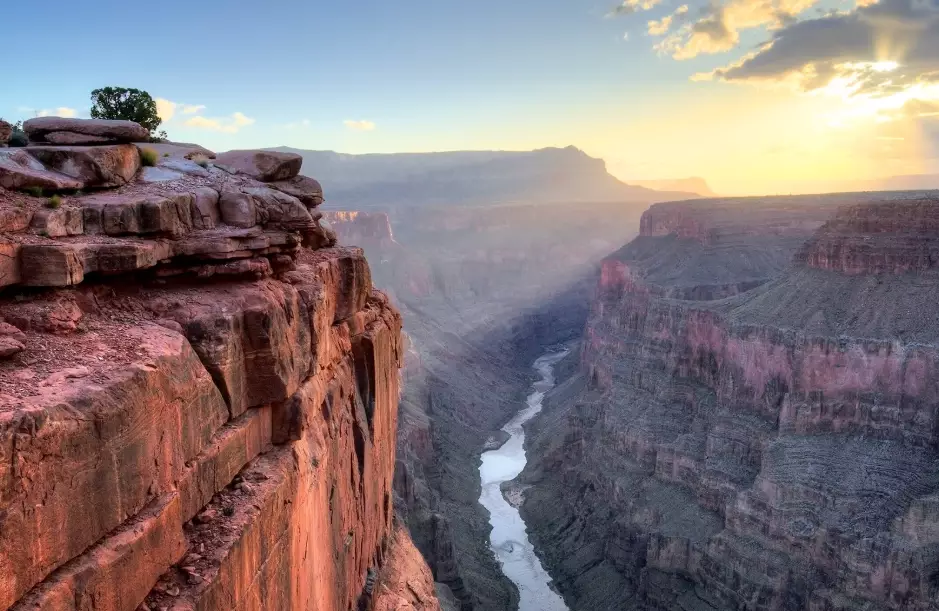
The Desert Giant: Saguaro National Park
Saguaro is the postcard image of Arizona. This park protects the nation's largest cacti, which can live over 150 years and grow up to 50 feet tall. The park is split into two distinct districts, east and west of Tucson.
Addresses & Logistics:
West (Tucson Mountain District): 2700 N Kinney Rd, Tucson, AZ 85743.
East (Rincon Mountain District): 3693 S Old Spanish Trail, Tucson, AZ 85730.
Both districts are open from 7 AM to sunset for scenic drives, with visitor centers open 9 AM to 5 PM. The fee is $25 per vehicle, valid for both districts for 7 days.
Getting There: Fly into Tucson International Airport (TUS). The west district is about 30 minutes from downtown Tucson, the east district about 45 minutes. You can technically see both in a day, but it's a lot of driving. I'd recommend picking one to immerse yourself in.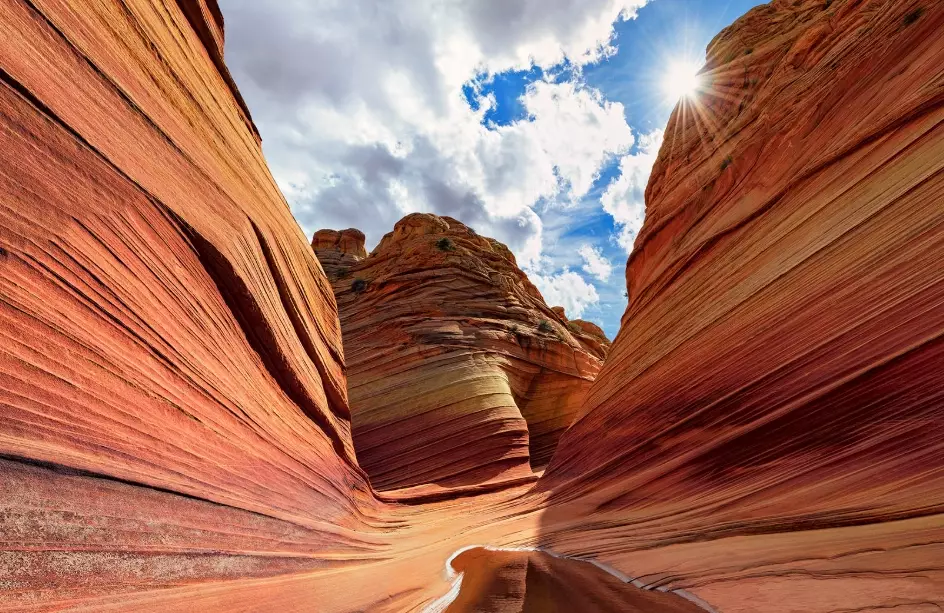
East vs. West: Which District to Choose?
This is a key decision. They offer different vibes.
- West (Tucson Mountain District): Lower elevation, denser saguaro forests, more classic "cactus landscape" photography spots. The Bajada Loop Drive is excellent at sunset. It feels more like the iconic, open desert.
- East (Rincon Mountain District): Higher elevation, climbs into the Rincon Mountains. It has a greater variety of scenery, from saguaro forests to pine-oak woodlands. The Cactus Forest Loop Drive is paved and beautiful. The hiking trails here are more extensive and challenging.
My take? For first-timers and photographers, the West is more immediately rewarding. For hikers wanting more solitude and elevation change, the East is the call.
Which Arizona National Park is Right For You?
Choosing depends on your time, interests, and travel style. Here’s a blunt comparison.
>2 days (South Rim) >Iconic, busy (especially South Rim), can feel touristy. >That life-changing, jaw-on-the-floor moment.>Road trippers, families, photographers, those who love weird geology. >4-6 hours (a solid half-day) >Quiet, contemplative, wide-open spaces. >An uncrowded, intellectually fascinating stop.>Winter sun-seekers, easy scenic drives, accessible hiking, wildlife (birds, lizards). >1 day per district >Peaceful desert beauty, popular at sunrise/sunset. >A relaxing, uniquely Sonoran Desert experience.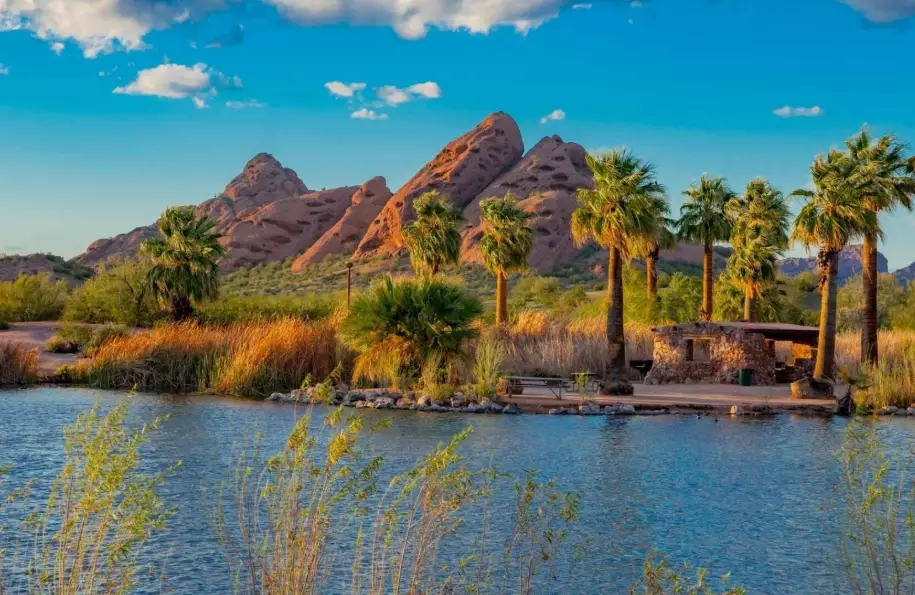
| Park | Best For | Time Needed (Minimum) | Vibe & Crowds | My Personal Pick For... |
|---|---|---|---|---|
| Grand Canyon | First-timers, epic vistas, serious hiking, geology buffs. | |||
| Petrified Forest | ||||
| Saguaro |
Planning Your Arizona National Parks Trip
You can't efficiently hit all three in a whirlwind weekend. The logistics don't work. Grand Canyon and Petrified Forest are 3.5 hours apart. Tucson (Saguaro) is 4+ hours from the South Rim. Here are two realistic itineraries:
Scenario 1: The Northern Loop (5-7 Days)
Fly into Flagstaff or Phoenix. Hit Petrified Forest as a day trip from Flagstaff. Spend 2-3 nights at the Grand Canyon (South Rim). Consider adding in nearby wonders like Wupatki National Monument or Sunset Crater Volcano. This focuses on high-elevation, dramatic scenery.
Scenario 2: The Desert Focus (4-5 Days)
Fly into Tucson. Spend 2 full days exploring both districts of Saguaro National Park. Use Tucson as a base—the Tucson tourism board has great food and hotel recommendations. Then, take a long day trip or overnight to Chiricahua National Monument ("Wonderland of Rocks") for a different, stunning rock formation. This trip is about warmth, subtle desert colors, and amazing sunsets.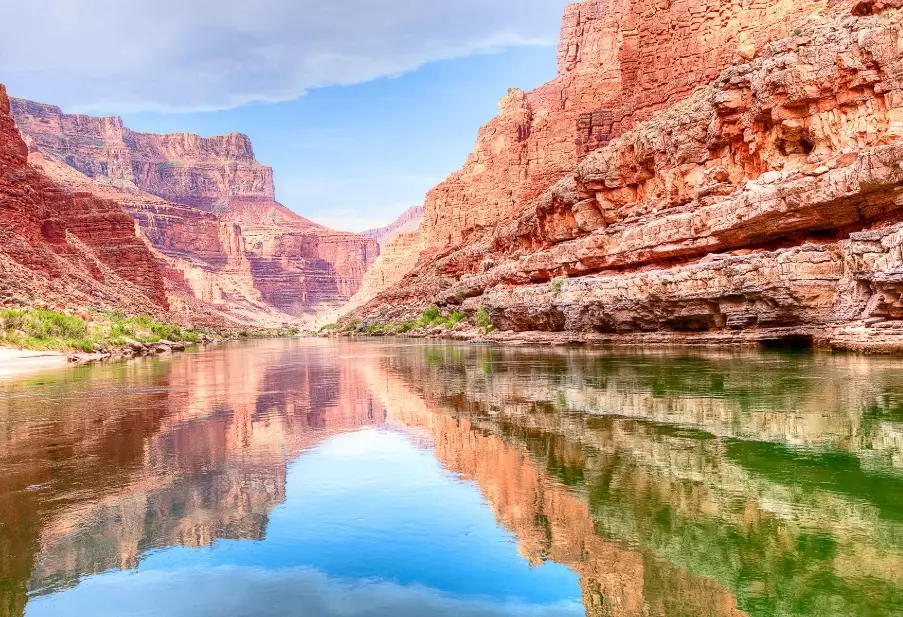
The Non-Consensus Packing Tip: Everyone says bring water. I'm saying bring twice as much as you think you need, plus electrolytes. The dry air dehydrates you silently. Also, pack a wide-brimmed hat and sun gloves for hiking, even in spring or fall. The sun here is no joke, and sunscreen alone won't prevent your hands from getting scorched on a hiking pole.
Reader Comments