So you're planning to hike the San Francisco Peaks in Arizona, and the big question is: how long will it actually take? The short, honest answer is that it depends—wildly. For a fit hiker aiming for the summit of Humphreys Peak, Arizona's highest point, you're looking at a full-day commitment of 6 to 10 hours. But that's just one trail. Your time on these mountains can range from a brisk 2-hour forest walk to a grueling 12-hour alpine endurance test.
Your Quick Trail Guide
Trail-by-Trail Time Breakdown
The San Francisco Peaks are a volcanic mountain range north of Flagstaff, with Humphreys Peak (12,633 ft / 3,851 m) as the crown jewel. There are several ways up, and your chosen path dictates everything. Let's get specific.
The Main Event: Humphreys Peak Trail (#151)
This is the most direct route to the summit and the one most people ask about. The stats from the U.S. Forest Service are straightforward: 4.8 miles (7.7 km) one-way, 3,333 feet (1,016 m) of elevation gain.
Here’s where guidebooks often get it wrong. They'll say "4-5 hours round trip." In my decade of hiking these peaks, I've seen maybe a handful of trail runners hit that. For the vast majority, here's a more realistic timeline:
- Ascent: 3 to 5 hours. The first half through the pine forest is steady. The second half, above treeline, is a brutal scramble over loose volcanic rock (scree). This is where pace drops to a crawl.
- Summit Time: Plan for 20-30 minutes. The wind is almost always howling, and you'll want photos, a snack, and maybe to find the benchmark.
- Descent: 2 to 4 hours. Going down the scree is tricky and slow; it's easy to slip. Your knees will feel it.
Total Realistic Time: 6 to 10 hours car-to-car. If you're new to high-altitude hiking, lean toward the 8-10 hour estimate.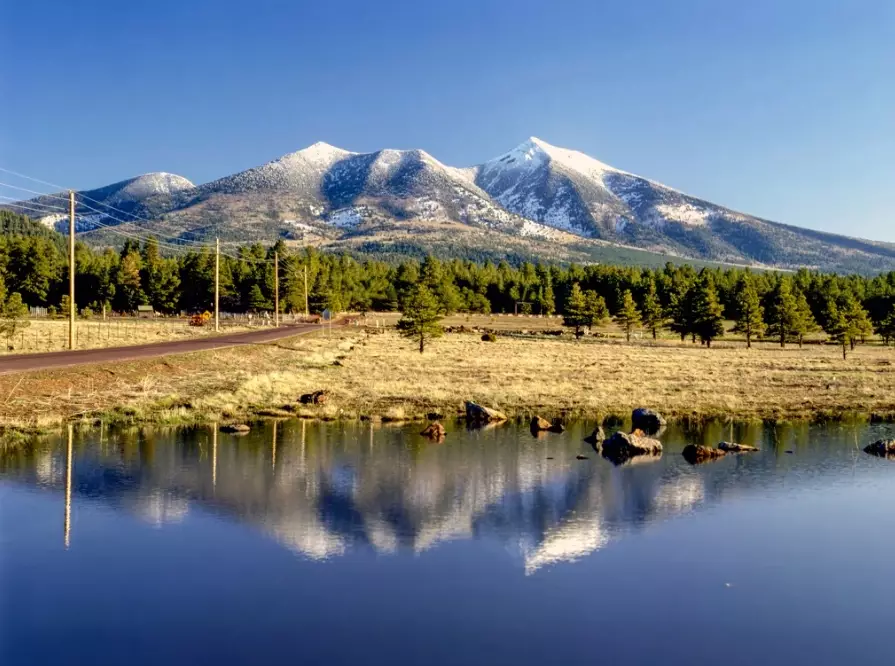
Trailhead Logistics: The Humphreys Peak trailhead is at the Arizona Snowbowl ski area. There's a large parking lot (no fee for parking, but a Recreation.gov pass is required). The road is paved all the way. Arrive by 6:00 AM in summer to secure a spot and beat the afternoon thunderstorms.
The Long Haul: Weatherford Trail to Humphreys Peak
This is the scenic, endurance route. Starting from the Schultz Tank trailhead, it's about 8.5 miles (13.7 km) one-way to the summit with slightly less steep gain. The payoff? Miles of gorgeous ridge walking above treeline on the Doyle Saddle.
This is an out-and-back monster. Most people doing this are strong hikers, but the distance is the challenge.
- Ascent: 5 to 7 hours.
- Descent: 4 to 6 hours.
Total Realistic Time: 9 to 13 hours. This is often done as an overnight backpacking trip, camping at the Doyle Saddle, which splits the effort beautifully.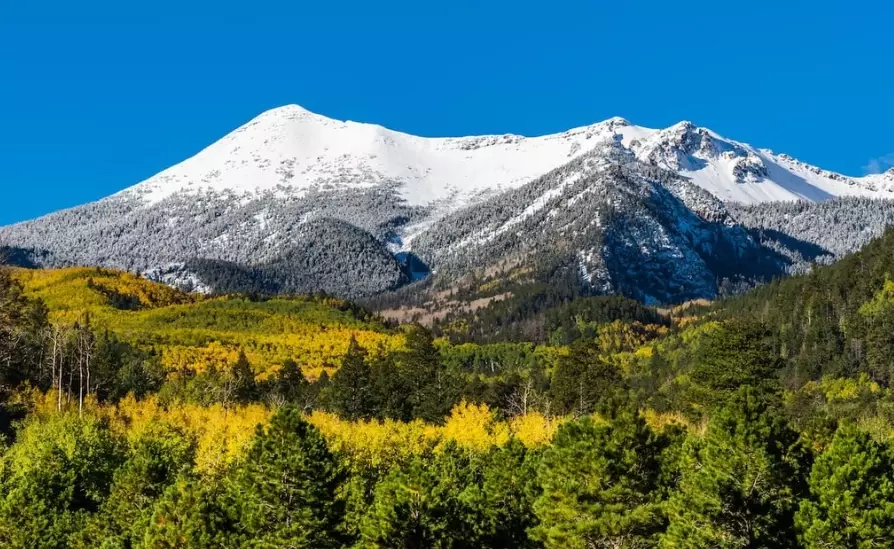
The Non-Summit Options: Inner Basin & Kachina Trails
Not everyone needs the summit. The Peaks offer stunning hikes that don't take all day.
Inner Basin Trail (#29): This 4-mile round trip hike climbs into a stunning, meadow-filled crater. It's famous for fall aspens. Allow 2 to 3 hours at a leisurely pace with lots of photos.
Kachina Trail (#150): A beautiful, nearly level traverse along the slopes of the peaks. You can hike out and back as far as you like. A 4-6 mile round trip is perfect, taking about 2 to 4 hours.
| Trail Name | Distance (Round Trip) | Elevation Gain | Realistic Time Range | Best For |
|---|---|---|---|---|
| Humphreys Peak Trail | 9.6 miles | 3,333 ft | 6 - 10 hours | Summit seekers, strong day hikers |
| Weatherford Trail to Summit | ~17 miles | ~3,100 ft | 9 - 13 hours | Endurance hikers, backpackers |
| Inner Basin Trail | 4 miles | 800 ft | 2 - 3 hours | Families, photographers, fall foliage |
| Kachina Trail (section) | 4-6 miles | Minimal | 2 - 4 hours | Easygoing nature walks, wildflowers |
What Really Slows You Down (or Speeds You Up)
Those time ranges are broad for a reason. Your actual pace hinges on a few critical factors that many first-timers overlook.
Altitude is the Great Equalizer
The trailhead for Humphreys is already at 9,300 feet. You'll climb to over 12,600. If you're coming from Phoenix or sea level, your body will protest. Altitude sickness isn't just about headaches; it's profound fatigue. You might be a marathoner at home and feel like you're breathing through a straw here. Spending 1-2 nights in Flagstaff (7,000 ft) to acclimate is the single best thing you can do to improve your time and enjoyment.
Weather and Season Dictate Everything
Summer (July-Sept) is the primary hiking season, but it brings daily afternoon thunderstorms. You must be off the summit and below treeline by noon. This forces an early start and can mean a rushed ascent. Fall is glorious but days are shorter. Winter and spring? The trails are buried in snow and ice, requiring mountaineering gear and skills—times triple or more.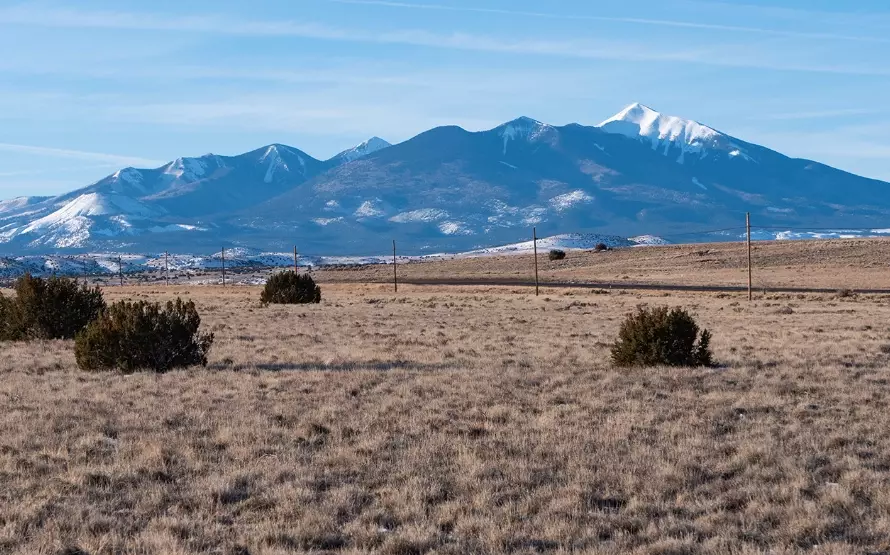
Trail Conditions: The Scree Factor
No one talks enough about the rock. The upper third of Humphreys Peak Trail is unstable volcanic scree. It's like hiking up a steep slope of marbles. You'll take two steps up, slide one back. It's exhausting and slows progress to a mile per hour or less for many.
Your Fitness vs. Hiking Fitness
Gym fitness doesn't fully translate. Hiking with a pack, on uneven terrain, for hours, at altitude, is its own beast. If your training was mostly flat, add 25% to your estimated time.
How to Plan Your Hike Day: A Realistic Schedule
Let's build a sample itinerary for the Humphreys Peak Trail in summer for a reasonably fit, acclimated hiker. This is the planning most blogs skip.
Pre-Day: Sleep in Flagstaff. Pack your bag the night before: 3+ liters of water, high-energy food, rain jacket, warm layer, hat, sunscreen, first-aid kit, headlamp (non-negotiable).
4:30 AM: Wake up. Eat a solid breakfast.
5:15 AM: Drive from Flagstaff to Snowbowl (30 min).
6:00 AM: Start hiking. This is key. A 6 AM start gives you a 6-hour window to summit before noon storms.
6:00 AM - 10:30 AM: Ascent to summit (4.5 hours). Take short breaks, don't burn out.
10:30 AM - 11:00 AM: On the summit. Enjoy it, but watch the sky. If clouds build, leave immediately.
11:00 AM - 2:00 PM: Descent to treeline (3 hours). The most dangerous part for lightning is now over.
2:00 PM - 3:00 PM: Final descent through forest to trailhead.
3:00 PM: Back at your car. Exhausted, triumphant.
See how that's a solid 9-hour day? Plan for it. Tell someone this timeline.
Your Hiking Questions, Answered
 Do I need a permit to hike?
 So, how long does it take to hike the San Francisco Peaks? You've got the numbers now. For the summit, block out a full day. Respect the altitude, start painfully early, and pack for every season. Your time on the trail isn't just a number—it's the sum of your preparation, respect for the mountain, and the flexibility to enjoy the journey, even if the summit isn't in the cards that day. The Peaks aren't going anywhere, and a hike here is always time well spent.
Reader Comments