You've seen the pictures. A ribbon of impossibly bright, milky turquoise water snaking through a deep, rust-colored gorge in the Arizona desert. It looks like a fantasy. That place is real, and it's called the Little Colorado River Navajo Tribal Park. But here's the thing most travel blogs and social media posts don't tell you: visiting this stunning natural wonder is more nuanced than just showing up and snapping a photo. It's on sovereign Navajo land, it requires a bit of planning, and that famous color? It's not always there.
I learned this the hard way on my first visit, expecting a serene blue paradise only to find a powerful, muddy torrent after a rainstorm upstream. It was still spectacular, just in a completely different, raw way. This guide is what I wish I'd had—a clear, honest look at how to experience this unique place respectfully and successfully, whether the water is glowing blue or churning brown.
Your Quick Guide to the Park
Why Is the Water That Crazy Color?
Let's clear up the science first, because it's fascinating. The Little Colorado River's iconic turquoise hue isn't a trick of the light or photo editing. It's geology in action. Upstream, near the river's source, water passes through limestone bedrock rich in calcium carbonate. This mineral dissolves into the water, turning it a milky blue-white. When the river is flowing slowly and steadily, usually in the drier months, these suspended "rock flour" particles scatter sunlight, creating that surreal, opaque turquoise you see in photos.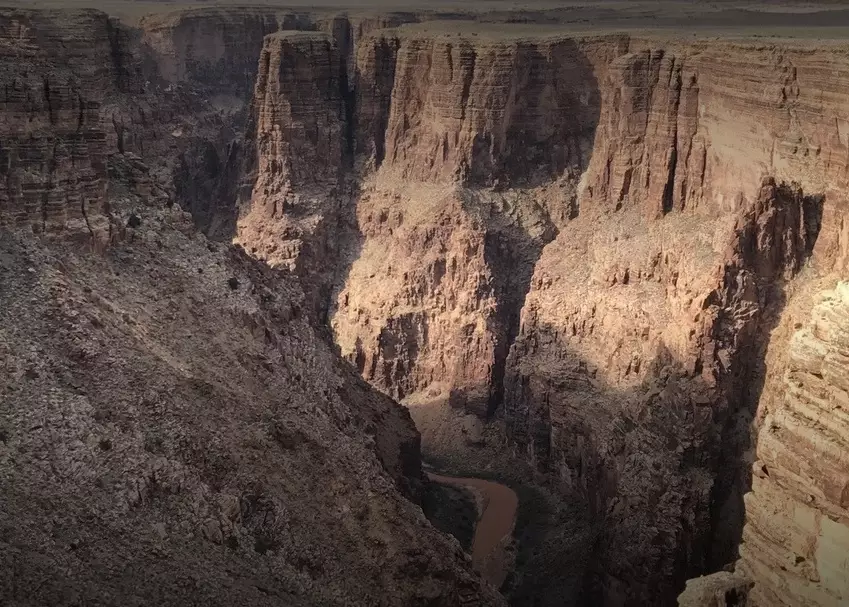
But here's the crucial part most visitors miss: this is a living river system. After heavy rain or snowmelt in the mountains, the flow increases dramatically. The faster, higher water scours the riverbed, picking up silt, clay, and red sediment from the surrounding canyon walls. In a matter of hours, the turquoise paradise can transform into a chocolate-brown or even reddish torrent. It's still a powerful sight, but it's not the postcard view. Checking the USGS real-time water data for the Little Colorado River before you go is the single best way to manage expectations.
How to Plan Your Visit: Permits, Fees & Directions
This isn't a U.S. National Park Service site. The Little Colorado River Gorge is within the Navajo Nation, a sovereign tribal nation. You need to follow their rules, which starts with a permit.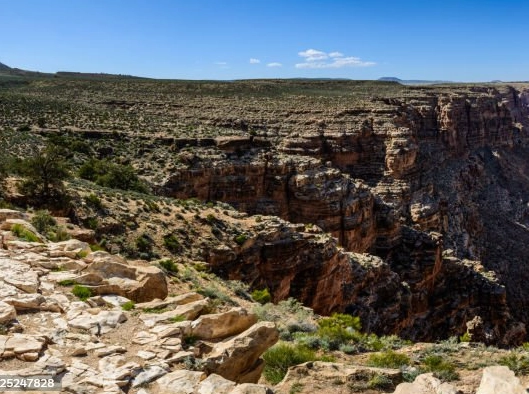
Park At-a-Glance
Official Name: Little Colorado River Navajo Tribal Park
Location: Northeastern Arizona, near the junction of Highway 64 and 89 (closest major town is Cameron, AZ).
Navajo Parks & Recreation Department: The official source for permits and information.
Entry Fee/Permit: A Navajo Nation Recreational Area Permit is required for each vehicle. You can purchase these online in advance or at various vendors in the area (like the Cameron Trading Post). The fee is per vehicle, not per person.
Parking: Available at both developed viewpoints.
Important Note: Rules can change. Always verify permit requirements and fees directly with the Navajo Parks & Recreation Department before your trip.
Getting There: The park is about a 1.5-hour drive east from Grand Canyon Village (South Rim) via Desert View Drive (AZ-64). From Flagstaff, it's roughly a 1-hour and 45-minute drive north on US-89. The turn-off from the highway is well-marked. The roads to the viewpoints are paved but can be narrow and winding—take it slow.
The Two Main Viewpoints: Which One is For You?
There are two primary developed areas to see the gorge. They offer very different experiences.
The Upper Gorge Viewpoint (Grand Falls Overlook Area)
This is the first one you'll likely encounter. It's more developed, with a large parking lot, restrooms, and a series of paved and fenced viewing platforms that jut out over the canyon edge. The view here is breathtaking—you're looking straight down several hundred feet to where the river makes a sharp bend. It's the safest and most accessible option for families or those with mobility concerns (though it's still a cliff edge, so watch kids closely). The downside? It can feel a bit crowded, especially around midday.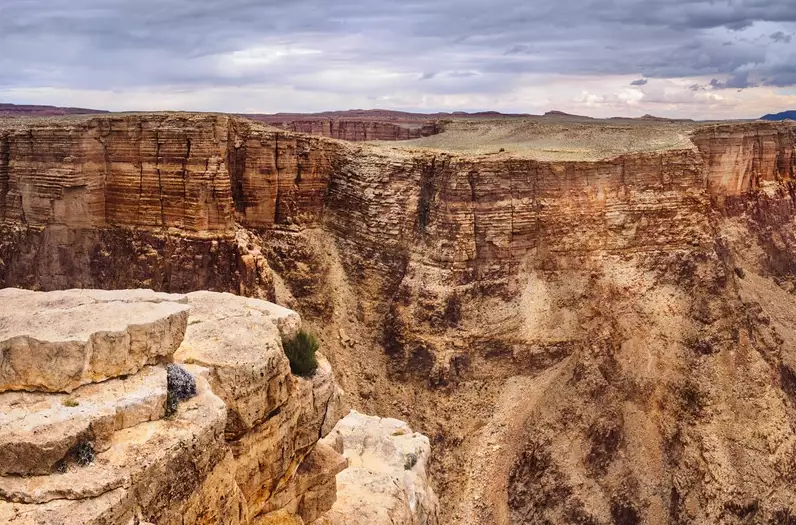
The Lower Gorge Viewpoint (The "Traditional" Access)
Further down the road is the more famous access point. Here, a short, steep, and rocky path leads you from the parking area down closer to the river level. You don't reach the water itself, but you get much nearer to it, with incredible views looking both up and down the narrow slot canyon. The colors of the rock layers are more vivid here. This path requires stable footwear and a bit of agility. It's not suitable for strollers or anyone with significant knee or balance issues. This spot feels more immersive and is where most of the iconic photos are taken.
My personal take? If you have time, do both. Start at the Upper Viewpoint for the grand, dizzying panorama, then drive to the Lower Viewpoint to feel the scale and power of the canyon from within.
Getting the Shot: Photography Tips & Best Time of Day
Everyone wants that perfect photo. Here's how to improve your odds beyond just showing up.
Light is Everything: The canyon is deep. Midday sun creates harsh shadows and can wash out the water's color. Aim for early morning or late afternoon. The golden hour light just after sunrise or before sunset paints the canyon walls in warm reds and oranges, creating stunning contrast with the blue water.
Bring a Polarizer: A circular polarizing filter is your best friend. It cuts glare off the water's surface and the rocks, making the turquoise color pop and the red walls appear richer and more saturated. It's the single most effective tool for this location.
Composition Tricks: Don't just shoot the water. Include the textured canyon walls as leading lines. Use the fences or rock formations at the viewpoints to frame your shot. If there are clouds, use them to add drama to the sky.
A common mistake I see? People standing right at the edge with their back to the camera for a selfie. The scale gets lost. Step back, include more of the environment to show just how vast and deep this place really is.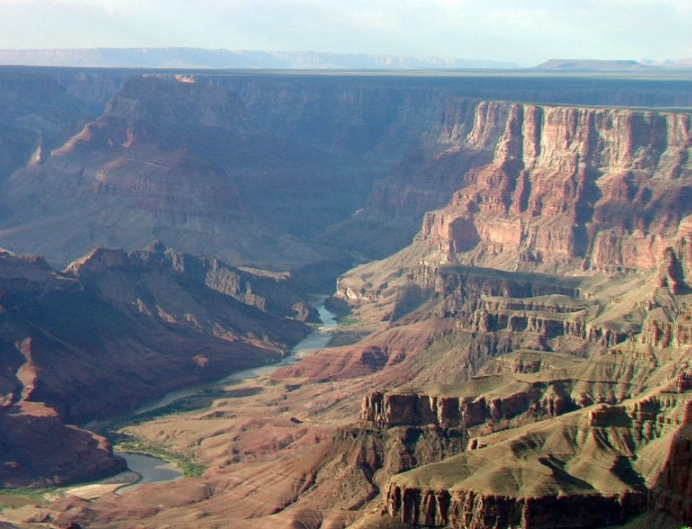
When to Visit for Blue Water (And When to Avoid)
Timing is the biggest variable for your experience.
Best Chance for Turquoise (Late Spring & Early Fall): The sweet spot is typically May through June and again in September to early October. Winter snowmelt has usually subsided, and the monsoon rains haven't (or have stopped) churning up the river. Flow is lower, allowing the calcium carbonate to do its magic. Always check the USGS flow data—look for lower, stable numbers.
The Monsoon Wildcard (July & August): This is Arizona's monsoon season. Afternoon thunderstorms are common and can cause sudden, dramatic flooding in the canyon. The water will almost certainly be turbid (brown). Visiting during this time requires extreme caution—never enter narrow canyons if rain is forecast upstream. The positive? Dramatic skies and powerful, muddy river scenes.
Winter (November-February): It can be cold and windy at the rim, and ice may make the paths slippery. However, crowds are minimal, and if the flow is low, the blue water against possible snow-dusted rims is magical.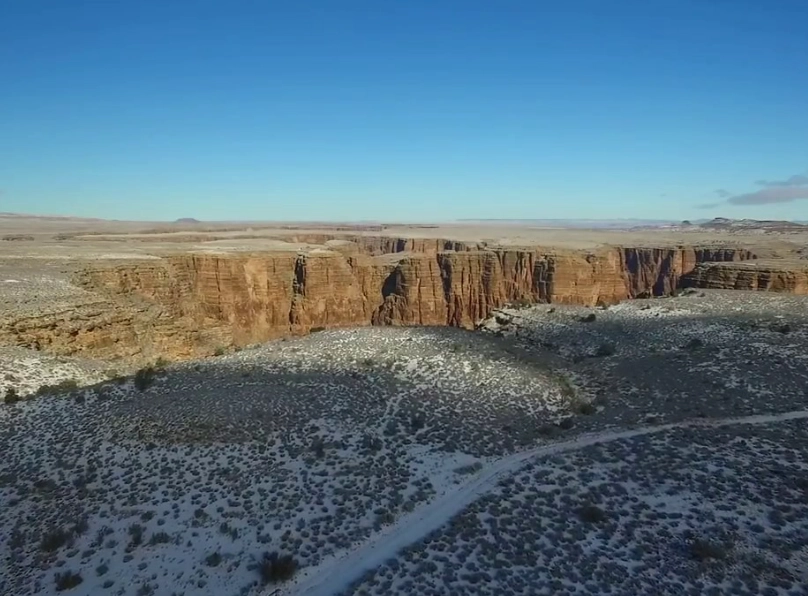
Essential Travel Tips & What to Bring
This is remote country. Being prepared makes the trip enjoyable.
Footwear is Non-Negotiable: Leave the flip-flops in the car. You need closed-toe shoes with good grip—hiking shoes or sturdy sneakers. The paths are rocky, sandy, and can be slippery.
Pack the Basics: Sunscreen, a wide-brimmed hat, and sunglasses. There's very little shade. Bring more water than you think you'll need—it's a dry, high-desert climate. Snacks are a good idea too.
Respect the Land: This is a sacred place to the Navajo people. Stay on designated paths and viewing areas. Do not climb over fences or barriers. Do not litter—pack out everything you bring in. It's not just about rules; it's about respect.
Nearby Stops: Pair your visit with the Cameron Trading Post for authentic Navajo crafts and food. The Desert View Watchtower at the Grand Canyon's East Entrance is also on the way if you're coming from that direction.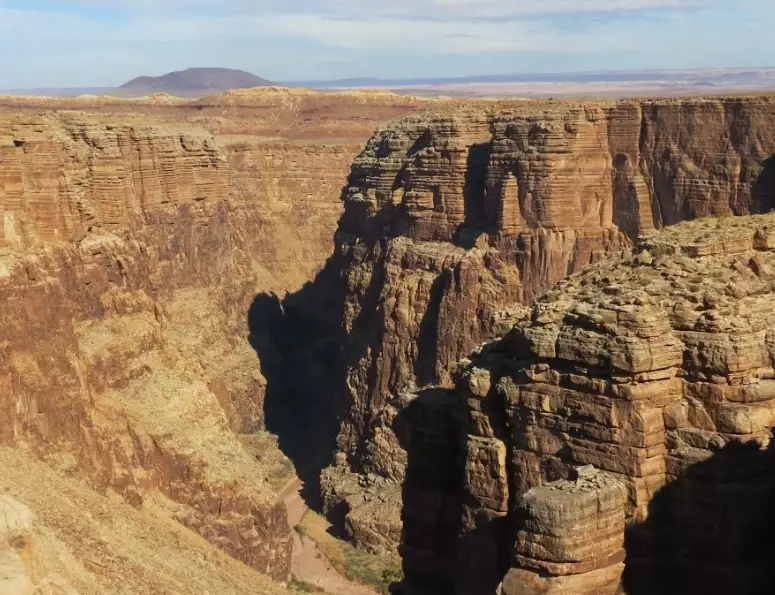
Your Questions Answered
The Little Colorado River Navajo Tribal Park is more than a photo op. It's a lesson in geology, a lesson in respecting sovereign lands, and a reminder that nature's beauty isn't always predictable. Go with the right permits, the right shoes, and an open mind—whether the water is turquoise or taupe, you're in for an unforgettable glimpse into the heart of the Colorado Plateau.
Reader Comments