When most people think of Texas, they picture cowboys, barbecue, and wide-open plains. But the state holds a secret in its far western corner: two of America's most rugged and least-visited national parks. We're talking about Big Bend and Guadalupe Mountains. Together, they offer a taste of wilderness that feels a world away from the interstate, with hiking trails that test your limits and night skies that steal your breath. I've spent more time than I can count out here, and I still find new corners to explore.
Let's get one thing straight upfront. Planning a trip here isn't like booking a weekend in Yosemite. The logistics are different. The scale is vast. And getting it wrong can mean a miserable, hot drive with nothing to show for it. This guide is here to make sure that doesn't happen.
Quick Navigation: What's Inside This Guide
The Two Titans of Texas: A Side-by-Side Look
First, a reality check. Texas has two official national parks. There are also national seashores and historic sites, but for the classic "national park" experience, you have two choices. They're only about a 2.5-hour drive apart, but they offer wildly different personalities.
| Feature | Big Bend National Park | Guadalupe Mountains National Park |
|---|---|---|
| Entrance Fee | $30 per vehicle (valid 7 days). Annual pass $55. | $10 per person (16+). No per-vehicle fee. Annual pass $55. |
| Address & Location | Big Bend National Park, TX. The mailing address is Panther Junction, TX 79834. It's remote. The nearest town of any size is Alpine, TX (80 miles north). | Guadalupe Mountains National Park, Salt Flat, TX 79847. It's right off US Highway 62/180, about 110 miles east of El Paso. |
| Operating Hours | Park is open 24/7, year-round. Visitor centers (Panther Junction, Chisos Basin, Persimmon Gap) have standard hours, typically 9 AM-4 PM. | Park is open 24/7. The Pine Springs Visitor Center is generally open 8 AM-4:30 PM. McKittrick Canyon has seasonal hours (usually 8 AM-4:30 PM). |
| Top Attraction / Vibe | Immense diversity. The Chisos Mountains, Santa Elena Canyon (Rio Grande), and the vast Chihuahuan Desert. It feels like three parks in one. | Pure, vertical wilderness. Home to Guadalupe Peak, the highest point in Texas (8,749 ft), and stunning McKittrick Canyon. It's a hiker's park. |
| Best For | Scenic drives, varied day hikes, river activities, stargazing, wildlife viewing (javelina, roadrunners). More services and lodging options inside the park. | Serious hiking and backpacking. Peak-bagging, fall foliage in McKittrick Canyon, and geological wonders. Very limited services—no food, gas, or lodging inside the park. |
| Biggest Challenge | Distances are huge. Driving from one end of the park to another can take over an hour. Summer heat in the desert is severe and dangerous. | Exposure and wind. Weather changes rapidly on the high peaks. Water sources are extremely limited. You must carry all you need. |
Digging Deeper into Big Bend
The park is massive—over 800,000 acres. Most visitors make a critical mistake: they try to see it all in one day. You can't. You'll just spend the whole time in your car. Focus on one area per day.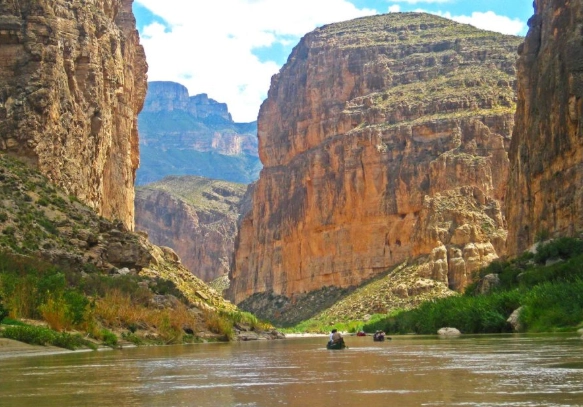
The Chisos Basin is the heart. It's a mountain oasis, often 10-15 degrees cooler than the desert floor. The Window View Trail (easy, 0.3 miles) is perfect for sunset. For a real hike, the Lost Mine Trail (4.8 miles round trip) gives you those iconic Chisos views without a brutal climb. Book a room at the Chisos Mountains Lodge months in advance, or snag a campsite in the Basin campground.
Santa Elena Canyon is the postcard shot. Drive the Ross Maxwell Scenic Drive to get there. The hike into the canyon (1.7 miles round trip) is short but spectacular. The Rio Grande is often shallow here—check with rangers about current conditions before considering any river activity.
Need gas or a snack? Your only options are at Panther Junction (the main visitor center) and the Rio Grande Village store. Plan your fuel stops carefully. I've seen more than one person nervously watching their gas gauge on the way to Study Butte.
Unpacking Guadalupe Mountains
This park is raw. There's no lodge. No restaurant. Not even a dedicated gas station at the entrance. You come here to hike. Period.
The crown jewel is the Guadalupe Peak Trail (8.4 miles round trip, 3,000 ft elevation gain). It's a tough climb to the "Top of Texas." Start at dawn to avoid the afternoon sun and wind, which can literally knock you off your feet. The payoff is a 360-degree view that stretches into New Mexico.
My personal favorite is McKittrick Canyon. In late October and early November, it transforms with blazing fall colors—a shock of yellow and red in the desert. The hike to the Grotto (6.8 miles round trip) is moderate and follows a lovely creek. Remember, the canyon gate closes in the late afternoon; they're strict about it.
Where do you stay? Your options are camping at the Pine Springs Campground (first-come, first-served) or driving 35-40 minutes to Whites City, New Mexico, or Carlsbad for a motel. I usually camp, but the wind can be relentless. Stake your tent down like you're expecting a hurricane.
How to Plan Your Texas National Parks Road Trip
You're flying in. That's the first decision. The major gateway is El Paso International Airport (ELP). It's about 2 hours to Guadalupe Mountains and 4.5 hours to Big Bend's Panther Junction. Midland/Odessa (MAF) is another option, slightly closer to Big Bend but farther from Guadalupe.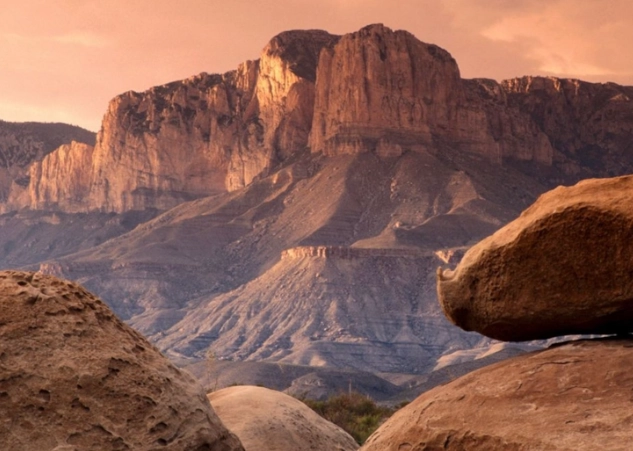
Rent a car, and make it an SUV. You don't need 4WD for the main park roads, but the higher clearance helps on some graded dirt roads (like the road to the Grapevine Hills in Big Bend). More importantly, you'll want the space for all your gear and water jugs.
Here's the logistical truth everyone glosses over: The driving is long and empty. Cell service is non-existent for huge stretches. Download offline Google Maps for the entire region. Tell someone your itinerary. Carry extra water in your car, not just for hiking, but in case you break down. I once had a tire go flat on Highway 385 south of Marathon, and it was two hours before another car passed by.
Booking accommodations is your biggest hurdle. Inside Big Bend, the Chisos Mountains Lodge books up 6-12 months in advance for spring and fall. The Rio Grande Village RV Park (with some basic cabins) also books fast. Your other options are the gateway towns: Terlingua (funky, ghost-town vibe, 45 mins to park entrance), Study Butte, or Alpine (a real town with supermarkets, 1.5 hours away). For Guadalupe, look at Carlsbad, NM or Whites City, NM.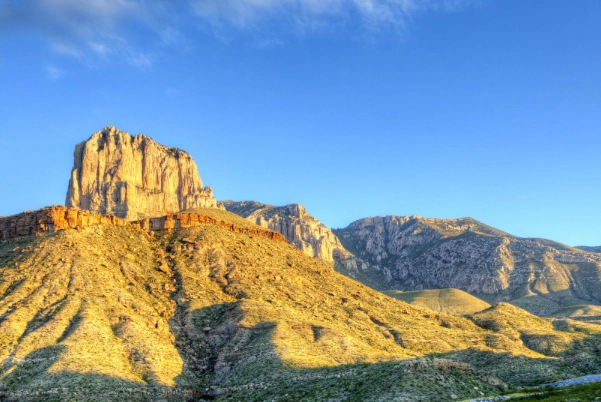
What is the Best Time to Visit Texas National Parks?
This isn't a casual question. Picking the wrong season can ruin your trip.
- Prime Time (October to April): This is the golden window. Daytime temperatures are pleasant (60s-80s F), and nights are cool. This is when everyone wants to go, so crowds are at their peak (relatively speaking—we're still talking low thousands of visitors, not tens of thousands). March and April can be windy.
- Shoulder Season (May, September): A gamble. May can be lovely or brutally hot. September is often still very hot. You'll find fewer people, but you must be heat-aware and start hikes at sunrise.
- Summer (June-August): Only for the prepared and heat-tolerant. Desert floor temperatures regularly exceed 100°F (38°C) and can hit 115°F (46°C). Hiking at low elevations is dangerous. If you go, you must adopt a desert routine: activity only at dawn and dusk, seek shade midday, and drink water constantly. The Chisos Mountains in Big Bend are significantly cooler and can be a summer refuge.
- Winter (December-February): Can be fantastic, especially in the desert. Days are mild, nights are cold (can drop below freezing). In the Guadalupe Mountains, snow and ice are possible on the high trails. Always check trail conditions with rangers.
My personal favorite is late October into November. The summer heat has broken, the winter chill hasn't fully set in, and you might catch the fall color in McKittrick Canyon.
The Non-Negotiable Packing List for West Texas
Forget the generic lists. Here's what you actually need, based on what I've seen people lack.
- Water, Times Three: A hydration bladder (3L) for your hike. A large insulated water bottle for the car. And a 2-5 gallon jug to refill everything. You cannot over-hydrate.
- Sun and Heat Defense: A wide-brimmed hat (not a baseball cap), high-SPF sunscreen, sunglasses, and a lightweight long-sleeve sun shirt. Your skin will thank you.
- Navigation & Safety: A detailed paper map (sold at visitor centers), a downloaded offline map on your phone, a physical compass (and know how to use it), a headlamp with extra batteries, and a basic first-aid kit.
- Footwear: Broken-in, sturdy hiking boots with ankle support. The trails are rocky and uneven. Sandals are for the campground only.
- Layers: Even in summer, a light jacket for windy evenings. In spring/fall, a fleece and a warm hat. Temperature swings of 40 degrees in a day are common.
- Cash: Some remote stores or campground fee stations may not take cards.
A Realistic 3-Day and 5-Day Itinerary
The 3-Day "Highlights" Trip (Flying into El Paso)
Day 1: Land in El Paso. Pick up your rental car and supplies (buy all your water and food here). Drive 2 hours to Guadalupe Mountains. Set up camp or check into your hotel in Whites City/Carlsbad. Hike the Devil's Hall Trail (3.8 miles round trip) in the afternoon to get your legs moving. Attend a ranger program at Pine Springs.
Day 2: Sunrise start for the Guadalupe Peak Trail. This will take most of the day. Have a big lunch at the trailhead afterward. In the late afternoon, drive 2.5 hours to Terlingua/Study Butte near Big Bend. Grab dinner at the Starlight Theatre in Terlingua.
Day 3: Enter Big Bend. Drive the Ross Maxwell Scenic Drive to Santa Elena Canyon for a morning hike. On the way back, stop at the Sotol Vista for panoramic views. Have a late lunch at the Chisos Basin Lodge (if you have a reservation). Hike the Window View Trail for sunset. Drive back to Terlingua for the night.
It's a packed schedule, but it hits the iconic spots.
The 5-Day "Deep Dive" Trip
Days 1 & 2: Follow the 3-day itinerary for Guadalupe Mountains, but add a second day there to hike McKittrick Canyon to the Grotto or the Notch.
Day 3: Drive from Guadalupe to Big Bend (about 4.5 hours). Stop in the funky town of Marfa for lunch. Settle into your lodging in Terlingua or the Chisos Basin. Do the Lost Mine Trail in the late afternoon.
Day 4: Full day exploring Big Bend's river road. Hike Santa Elena Canyon. Visit the historic Hot Springs (a 1-mile round trip hike). Explore the dirt road to the Grapevine Hills (and the short trail to the "Balanced Rock").
Day 5: Choose your adventure. Option A: Drive to the Rio Grande Village area, hike the Boquillas Canyon Trail, and maybe take the rowboat across the river to Boquillas, Mexico (passport required). Option B: Tackle a tougher Chisos hike like the South Rim (12+ miles). Spend your last night under the incredible dark sky.
Your Texas Parks Questions, Answered
These parks demand a little more forethought than most. But that's what makes the reward so sweet. When you stand on the South Rim after a long hike, or watch the stars blaze over the Chisos, you'll have earned it. You'll have seen a Texas that most people only hear about. Start planning, pack smart, and get ready for an adventure that sticks with you.
Reader Comments