Let's be honest. When you think of a Southwest USA road trip, you picture the Grand Canyon, maybe Monument Valley. Those are incredible, sure. But if you just hop from one famous overlook to the next, you're missing the soul of this place. The real magic happens in the quiet moments—watching the light change on a sandstone wall you have all to yourself, finding a slot canyon that isn't on every Instagram feed, and learning how to navigate the desert like it's a friend, not an obstacle.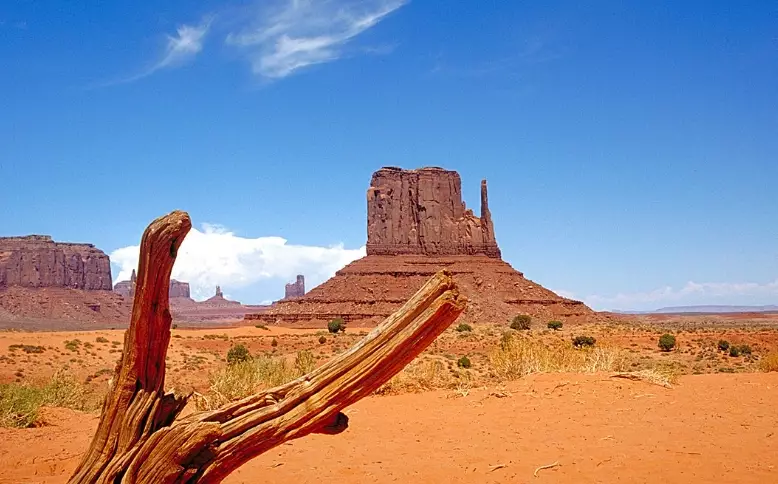
I've been exploring Arizona, Utah, New Mexico, and Nevada for over a decade. I've made all the classic mistakes—trying to cram in too much, hiking in the midday summer sun, getting stuck behind tour bus caravans. This guide is what I wish I'd known before my first trip. It's not just a list of places; it's a blueprint for a deeper, smarter, and frankly, more enjoyable adventure.
Your Southwest USA Roadmap
How to Plan Your Southwest USA Route (Without the Stress)
The biggest mistake? Trying to see everything in one week. The distances are deceptive. A drive from Phoenix to Moab looks short on a map, but it's a solid 7-hour haul, not counting stops for gas, food, or that random roadside dinosaur. Your itinerary needs breathing room.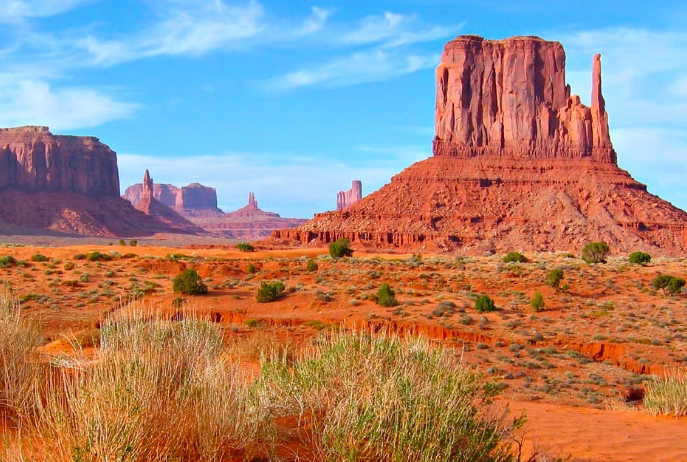
Here are two solid frameworks, depending on your time. Forget day-by-day hour planning; think in terms of hubs.
The 7-10 Day "Mighty Five" Core Loop
This is the classic for a reason. Fly into Las Vegas (LAS) or Salt Lake City (SLC). Focus on Utah's five national parks, dipping into Arizona.
Hub 1: Moab, Utah (2-3 nights). Base for Arches and Canyonlands National Parks. Arches is all about delicate sandstone spans; get there for sunrise at Balanced Rock to avoid the worst crowds. Canyonlands' Island in the Sky district has the iconic Mesa Arch, but the Needles district offers more solitude and wilder hiking.
Hub 2: Torrey or Bryce Canyon City, Utah (2 nights). Gateway to Capitol Reef and Bryce Canyon. Capitol Reef is the quietest of the five—don't miss the pie at the historic Gifford Homestead. Bryce is all about the hoodoos; hike down into the amphitheater for the best perspective.
Hub 3: Springdale, Utah (2-3 nights). Right at the entrance to Zion National Park. Zion requires a bit more logistics. From March to November, you can't drive the main Zion Canyon Scenic Drive yourself; you must use the park's excellent shuttle system. Plan accordingly.
From Zion, it's a 2.5-hour drive to the North Rim of the Grand Canyon (open mid-May to mid-October) or 4 hours to the more famous South Rim.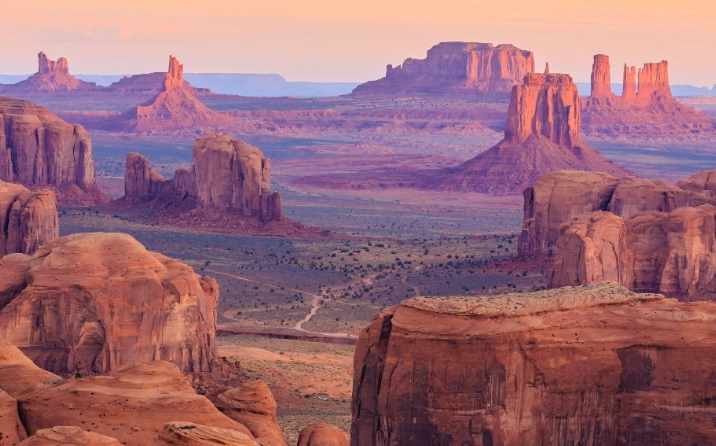
The 10-14 Day "Grand Circle" Deep Dive
With more time, you can add Arizona's heavy hitters and some New Mexico flavor. Start and end in Phoenix (PHX) or Las Vegas.
After Zion, head to Page, Arizona. This is your base for two of the most photographed spots: Antelope Canyon (you must book a guided tour with a Navajo operator like Antelope Canyon Tours) and Horseshoe Bend. A pro tip? Most people swarm to Upper Antelope Canyon. Lower Antelope Canyon is less crowded, requires a bit of ladder climbing, and in my opinion, has more interesting light play.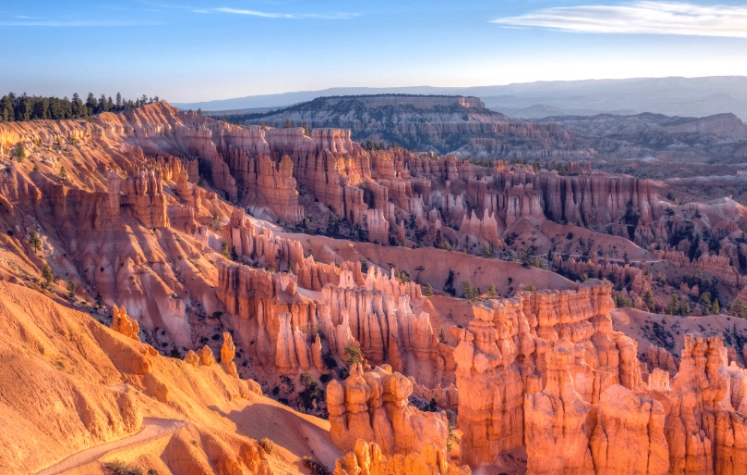
Then, swing south to the Grand Canyon South Rim. Spend at least one full day here. Hike a portion of the Bright Angel Trail, even if just a mile down. You'll understand the scale in a way you never can from the rim.
From there, you have options. Head east into New Mexico for the surreal landscapes of the Bisti/De-Na-Zin Wilderness or the culture of Santa Fe. Or, loop back through Sedona, Arizona, for stunning red rock hikes that feel entirely different from the Utah deserts.
Route Reality Check: Google Maps times are a best-case scenario. Add at least 20% more time for mountain passes, scenic pull-offs, and slower RV traffic on two-lane highways like UT-12 (an incredibly beautiful drive, by the way).
The Iconic Stops You Can't Miss (And How to See Them Better)
These places are famous for a reason. The trick is timing and perspective.
| Destination | Best Time to Visit | Pro Tip / Common Mistake | Essential Info |
|---|---|---|---|
| Grand Canyon (South Rim) | Sunrise or late afternoon. Avoid 10am-3pm. | Don't just go to Mather Point. Walk the Rim Trail east towards Yavapai Point for quieter views. The mistake is spending all your time at the crowded village overlooks. | Park entrance: $35/vehicle (valid 7 days). South Rim open 24/7. Parking fills by 9am—use the free shuttle. |
| Zion National Park | Be on the first shuttle (7am in peak season). | Angels Landing requires a permit. The Narrows hike is incredible, but check water levels and weather forecasts with the National Park Service. Rental gear (canyoneering shoes, stick) from shops in Springdale is worth it. | Park entrance: $35/vehicle. Shuttle mandatory for Zion Canyon. Springdale is walkable/bikeable to the park entrance. |
| Monument Valley | Late afternoon for the long shadows and golden light. | The 17-mile Valley Drive is rough, dirt, and requires a high-clearance vehicle. If you don't have one, book a guided tour with a Navajo guide. They'll take you to spots you can't reach alone and share stories you won't find in a guidebook. | Located on Navajo Nation land. Entry fee: $8 per person for the scenic drive. Respect all signs and stay on designated roads. |
| Antelope Canyon | Midday (11am-1:30pm) for the famous light beams, but it's most crowded. Morning or late afternoon tours are calmer. | Book your tour weeks, if not months, in advance, especially for Upper Canyon. This isn't a last-minute activity. Photography tours cost more but allow tripods and move slower. | Tours run ~1.5 hours. Cost: $50-$140+ per person depending on tour type. Operated exclusively by Navajo companies. |
Hidden Gems Most Road Trippers Drive Right Past
This is where you win your trip. These spots deliver Southwest scenery with a fraction of the people.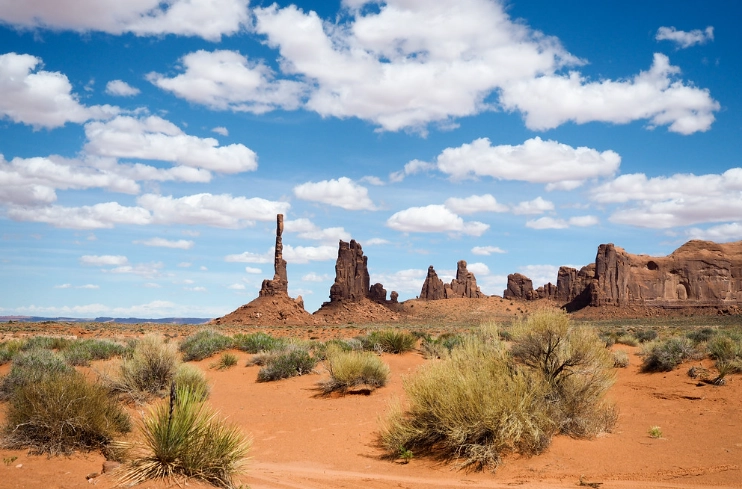
Valley of the Gods, Utah: Think of it as Monument Valley's wild, free cousin. It's a 17-mile dirt loop road (suitable for most cars in dry conditions) through stunning buttes and spires. No entry fee, no crowds, just you and the silence. Camping is allowed for free on BLM land—one of the best night skies you'll ever see.
Kasha-Katuwe Tent Rocks National Monument, New Mexico: A slot canyon hike that ends with a vista over weird, cone-shaped rock formations. It's an hour from Santa Fe. The caveat: It was managed by the Bureau of Land Management but has had periodic closures; always check the official BLM website for current status before you go.
The Wave Coyote Buttes North, Arizona/Utah: The ultimate prize, requiring an online lottery permit that's fiercely competitive. But the surrounding area, like the Wire Pass slot canyon trailhead, offers similar Navajo sandstone scenery without the permit hassle. Just south, the White Pocket area is otherworldly, often requiring a 4WD vehicle or a guided tour from Kanab, Utah.
Bisti/De-Na-Zin Wilderness, New Mexico: This feels like walking on another planet. No trails, just 45,000 acres of eroded badlands, hoodoos, and petrified wood. You need GPS, plenty of water, and a sense of adventure. It's remote, free, and you'll likely have it to yourself.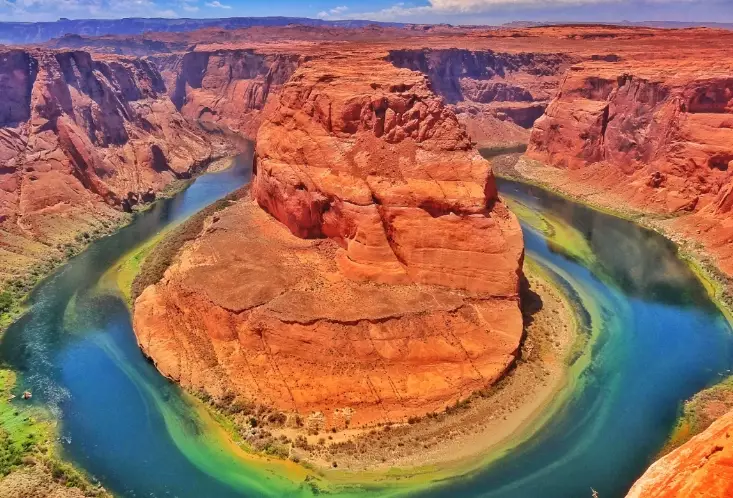
A crucial note on "hidden gems": Social media is making these places less hidden by the minute. Places like Horseshoe Bend were once quiet. Always practice Leave No Trace principles. Pack out all trash, stay on durable surfaces, and don't create new social trails for that perfect photo. The fragility of these desert environments is real.
Practical Tips for Desert Driving, Hiking & Staying Safe
The desert doesn't care about your plans. You have to adapt to it.
Water is not a suggestion. Carry at least one gallon per person, per day, in the car. For any hike, even a short one, take more than you think you need. I carry a 3-liter hydration bladder plus a spare bottle. Dehydration sneaks up on you.
Fuel up early and often. Gas stations can be 50-70 miles apart. When your tank hits half, start looking for the next stop. Towns like Mexican Hat, Utah, or Jacob Lake, Arizona, are literal lifelines.
Cell service is a luxury. Download offline Google Maps for the entire region. Tell someone your route and expected return time if you're heading into the backcountry. A paper map isn't a bad idea either.
Sun protection is armor. Wide-brimmed hat, sunglasses, high-SPF sunscreen reapplied constantly, and long, lightweight layers. The sun is intense at high altitude.
Respect the heat. Plan your major hikes for early morning. The summer months (June-August) can see temperatures over 100°F (38°C) at places like the Grand Canyon floor or Moab. It can be dangerous. Spring (April-May) and Fall (September-October) are ideal. Winter can be magical, but be prepared for snow and ice at higher elevations like the Grand Canyon South Rim.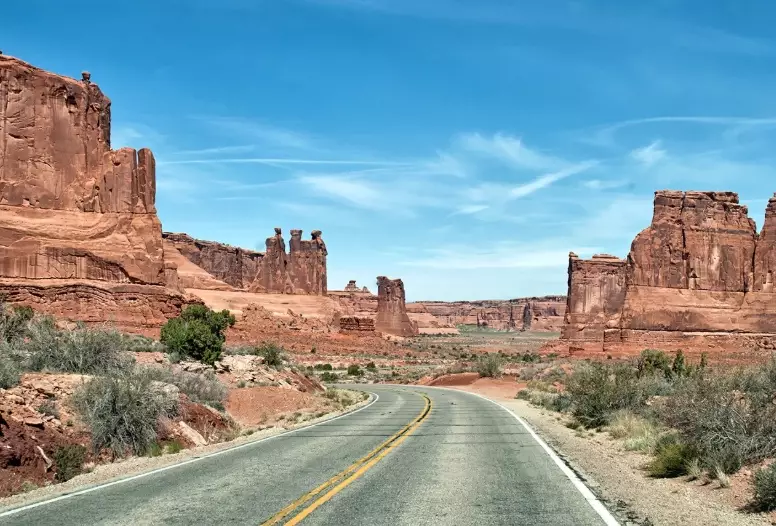
Your Southwest USA Road Trip Questions Answered
What's the best way to avoid crowds on a Southwest USA national parks road trip?
Two strategies work best. First, go in the shoulder seasons—late April to early June, and September to October. The weather is still good, but summer vacation crowds are gone. Second, rethink your daily schedule. Be in the park at sunrise. Have lunch during the peak midday hours (11-3) when everyone else is there. Then go back out for late afternoon and sunset. You'll experience the best light and the fewest people.
Is it safe to hike alone in these desert parks?
It can be, if you're hyper-prepared and stick to well-traveled, maintained trails. Always tell a ranger or someone at your hotel your exact plan and expected return. Carry a whistle, a headlamp, and a small first-aid kit beyond your water. My personal rule: I won't hike a technically challenging or remote trail alone. The risk of a simple ankle sprain turning into a life-threatening situation is too high in areas with no cell service.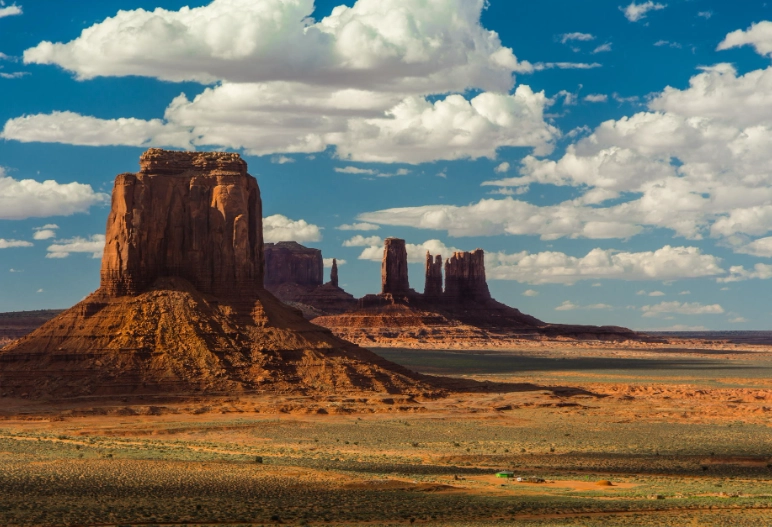
We only have 5 days. Should we still try to do a Southwest road trip?
Absolutely, but you need to be hyper-focused. Don't try to loop from Vegas to the Grand Canyon to Moab and back. You'll spend the whole trip driving. Pick one hub. For example: Fly into Las Vegas, drive straight to Springdale (2.5 hours), spend 3 full days exploring Zion National Park (it deserves it), then drive to the Grand Canyon South Rim (4 hours) for your last day and night before driving back to Vegas (4.5 hours). Depth over breadth will give you a much richer experience.
What's one thing most people forget to pack?
A reusable water jug for the car. Those gallon plastic bottles from the grocery store are clumsy and create waste. Get a 5-gallon refillable jug from an outdoor store. You can top it up at campgrounds or visitor centers, and it's easier to pour from. Also, a small tire pressure gauge and air compressor. Desert temperature swings can affect tire pressure, and driving on soft sand or rough roads sometimes requires airing down your tires (and re-inflating them later).
Are guided tours worth it in the Southwest?
For specific experiences, 100%. You cannot enter Antelope Canyon without a Navajo guide—it's the law and it's respectful. A guided rafting trip on the Colorado River or a 4x4 tour into places like White Pocket gives you access and knowledge you simply can't get on your own. For standard national park hiking, you probably don't need one. But for cultural sites or technical terrain, a good guide transforms the trip from sightseeing to understanding.
The Southwest isn't just a checklist of parks. It's a feeling—the dry heat on your skin, the vastness of the sky, the colors that seem impossible. Plan smart, respect the land, and leave room to get lost down a dirt road just because it looks interesting. That's where the best stories are found.
Reader Comments