You've seen the photos. Sunlight slicing through a narrow, sculpted sandstone corridor, painting the walls in waves of orange and purple. Slot canyons are the geological superstars of the American Southwest, and for good reason. But here's the thing most articles won't tell you: visiting them is less about snapping that perfect Instagram shot and more about understanding a unique, sometimes unforgiving, environment. I've spent over a decade crawling through these places, from the packed tour groups in Page, Arizona, to the silent, dusty slots in the middle of nowhere Utah. Let's talk about what it really takes to explore them safely, respectfully, and memorably.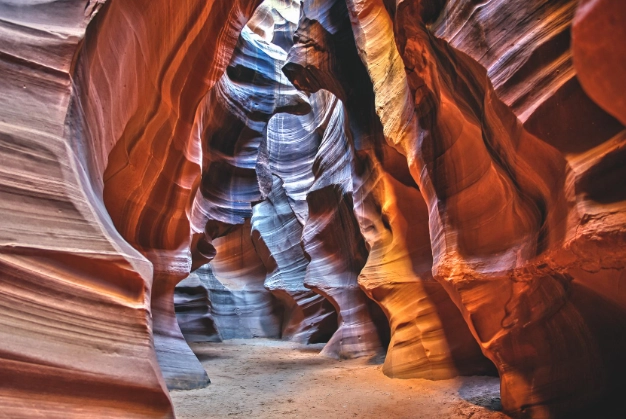
Quick Navigation: What's in This Guide
- What Exactly Are Slot Canyons (And Why Are They Fragile)?
- How to Choose Your First Slot Canyon Adventure
- Essential Gear and Safety Precautions You Can't Ignore
- Slot Canyon Photography: Moving Beyond the Cliché Shot
- A Realistic Look at Top Slot Canyon Destinations
- Your Slot Canyon Questions, Answered Honestly
What Exactly Are Slot Canyons (And Why Are They Fragile)?
Forget wide, sprawling river canyons. Slot canyons are narrow gorges, often just a few feet wide but hundreds of feet deep, carved into solid rock by millennia of flash flooding. That last part is key. They aren't formed by gentle rivers but by violent, sporadic bursts of water carrying sand and rocks that act like nature's sandblaster.
This process creates those impossibly smooth, flowing walls. It also makes them incredibly delicate. The soft sandstone can be scarred by a single misplaced handhold or a backpack scraping against the wall. I've seen grooves worn into the rock at chest height from thousands of people touching the same spot. It's heartbreaking. Tread lightly—literally.
The formation process also dictates the number one rule: never enter a slot canyon if there is any rain in the forecast, anywhere upstream. A canyon can flash flood from a storm you can't even see.
How to Choose Your First Slot Canyon Adventure
Not all slot canyons are created equal. Your choice depends entirely on your comfort level, budget, and appetite for logistics.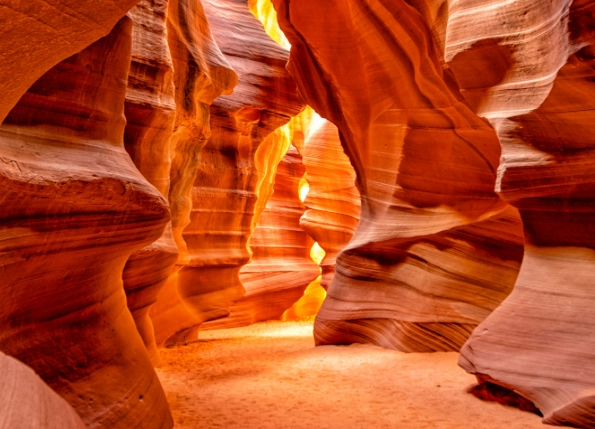
The Guided vs. Unguided Decision
Guided Tours (Like Antelope Canyon): Non-negotiable for some locations. They handle permits, provide transportation, and offer photography guidance. The downside? You're on a schedule, often in a large group. It can feel rushed. I found the classic "light beam" shot in Upper Antelope Canyon to be a chaotic scrum of tripods. The guides are experts at herding people, but the serenity of the place can get lost.
Unguided Hikes: Offer solitude and self-paced exploration. They require more planning (permits, navigation, safety assessment) and a higher degree of personal responsibility. This is where the real adventure—and the best memories—often lie.
Key Factors to Weigh
Technical Difficulty: Is it a simple walk (Lower Antelope Canyon's stairs) or does it involve scrambling, stemming, or even rappelling?
Permits: Many famous canyons require permits obtained via lottery (The Wave) or reservation system. Apply months in advance.
Crowds: Want solitude? Look beyond the iconic names. The San Rafael Swell in Utah is a treasure trove of less-traveled slots.
Access: Is it a 5-minute walk from a paved parking lot, or does it require a high-clearance vehicle and miles of dirt road driving?
Essential Gear and Safety Precautions You Can't Ignore
This isn't a casual stroll in the park. The right gear is the difference between a great story and a rescue call.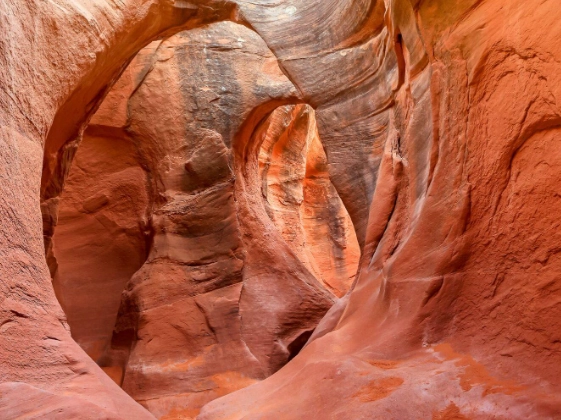
The Non-Negotiable Packing List:
- Sturdy, Closed-Toe Shoes: Not sandals. You need grip on sandy, uneven rock and protection from stubbing toes. Trail runners or approach shoes are perfect.
- Ample Water: More than you think. A liter per hour of hiking is a good rule in the desert. I carry a 3-liter hydration bladder plus a spare bottle.
- Weather Radio or Satellite Messenger: Cell service is non-existent. A small weather radio can pick up NOAA alerts. For remote canyons, a device like a Garmin inReach is worth its weight in gold.
- Headlamp: Even on a day hike. If you get delayed, canyons get dark fast.
- Neoprene Socks (for wet canyons): If you're hiking the Zion Narrows or any canyon with water, these prevent blisters from wet boots. Trust me on this.
The Safety Mindset: Check the weather obsessively. Tell someone your exact plan and expected return time. Look for escape routes—sometimes marked by cairns (rock piles)—that lead to higher ground. If you see or hear anything resembling a flood (a distant rumble, water rising, debris floating), get out immediately. Don't wait.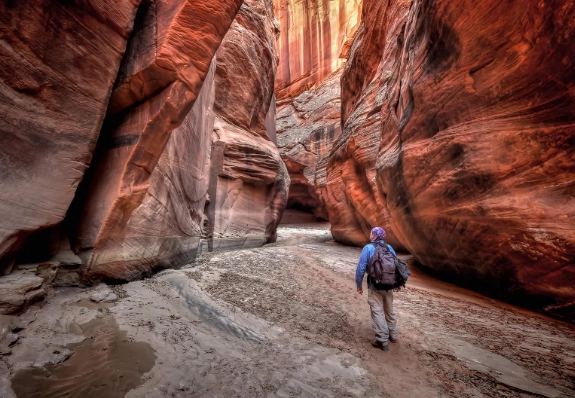
Slot Canyon Photography: Moving Beyond the Cliché Shot
Everyone wants the light beam. Here's the secret: the best photos often aren't of the beam itself, but of the textures and colors it illuminates.
On a guided photo tour, they'll throw sand in the air to make the beam visible. It works, but it's a bit of a trick. My advice? Look down. Look at the swirls in the rock at your feet. Look at the way light filters through a narrow opening and hits a curved wall. Use a polarizing filter to cut the glare off the wet rock and saturate the colors. Bracket your exposures (take multiple shots at different brightness levels) to capture the full range from deep shadow to bright highlight. You can blend them later.
For smartphone users, tap to focus on a mid-tone area of the wall, then slide the exposure slider down until the brightest highlights aren't blown out. That HDR mode is your friend here.
A Realistic Look at Top Slot Canyon Destinations
Let's get specific. Here’s a breakdown of what you can actually expect at some of the most famous—and some underrated—slot canyons.
| Canyon Name | Location | Key Details & Access | Experience Vibe |
|---|---|---|---|
| Upper & Lower Antelope Canyon | Page, Arizona | Access: Guided tour ONLY. Book months ahead. Several operators. Upper: Ground level, famous light beams (best May-Aug). Lower: Descend ladders, more dramatic narrows. Cost: ~$50-$140+ for photo tours. | Incredibly photogenic but crowded. Feels like a natural art gallery with a conga line. The photo tours are more controlled. |
| The Narrows (Zion) | Zion National Park, Utah | Access: Bottom-up hike from the Temple of Sinawava (no permit) or top-down thru-hike (permit required). Gear: Rent canyoneering shoes, neoprene socks, and a walking stick from shops in Springdale. Check water levels and flash flood risk at the visitor center. | A majestic, wet hike in a towering corridor. The bottom-up day hike is accessible. The vibe is adventurous and communal. |
| Little Wild Horse Canyon | San Rafael Swell, Utah | Access: Free, unguided. ~8-mile loop with Bell Canyon. Well-marked trailhead off a dirt road (passable by most cars in dry conditions). No facilities. | The perfect "first" unguided slot. Fun, narrow sections, easy scrambling. You'll likely have stretches all to yourself. My personal favorite for a stress-free intro. |
| Buckskin Gulch | Paria Canyon-Vermilion Cliffs, Utah/AZ | Access: Permit required. Often accessed via Wire Pass Trailhead. One of the longest/world's longest slot canyons. Can be a multi-day, technical ordeal or a long day hike. Serious flash flood danger. | For the committed. Deep, dark, and profound solitude. It's a serious wilderness commitment, not a casual hike. |
There are dozens more. Peek-a-Boo and Spooky Gulches in Grand Staircase-Escalante require a rugged drive but offer fantastic, colorful narrows. Always research current road and permit conditions on official land agency websites like the National Park Service or Bureau of Land Management.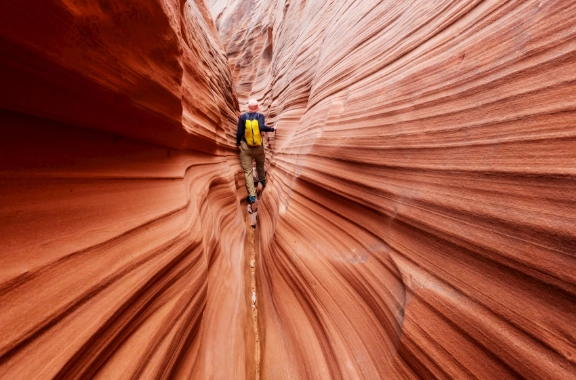
Your Slot Canyon Questions, Answered Honestly
What is the single biggest mistake first-time slot canyon hikers make?
Ignoring the weather forecast for the entire watershed, not just the canyon entrance. A sunny day at the trailhead can be deadly if a thunderstorm dumped rain 20 miles upstream hours earlier. Always check regional weather reports from sources like the National Weather Service and talk to local rangers.
Can I hike slot canyons if I'm claustrophobic?
It depends heavily on the specific canyon. Some, like Lower Antelope Canyon, involve narrow, deep descents that can feel intense. Others, like the Zion Narrows along the Virgin River, are wide at the bottom with towering walls, creating a different sensation. Start with a wider canyon and consider a guided tour where the guide can prepare you for tight spots.
Are there any notable slot canyons that don't require a guide or permit?
Yes, but they often require more skill and preparation. Wire Pass to Buckskin Gulch (Arizona/Utah border) needs a permit but not a guide, and it's a serious, remote hike. Little Wild Horse Canyon in Utah's San Rafael Swell is a fantastic, beginner-friendly loop that is free and does not require a guide, making it a perfect first adventure.
What's the best camera setting for slot canyon photography with a smartphone?
Forget auto mode. Tap to focus on the mid-tones of the canyon wall, not the dark shadows or bright sky at the top. Then manually slide the exposure compensation down (often a +/- sun icon) to darken the shot slightly. This prevents the beautiful light beams and colors from getting "blown out" and losing detail. Using the HDR mode can also help balance the extreme light contrast.
Slot canyons demand respect, but they repay it with some of the most unforgettable landscapes on Earth. Skip the checklist mentality. Pick one that matches your skills, prepare like your life depends on it (because it might), and then just be there. Listen to the silence, run your hand over the cool stone, and look up. That feeling of being a tiny speck in a giant, ancient sculpture—that's the real prize.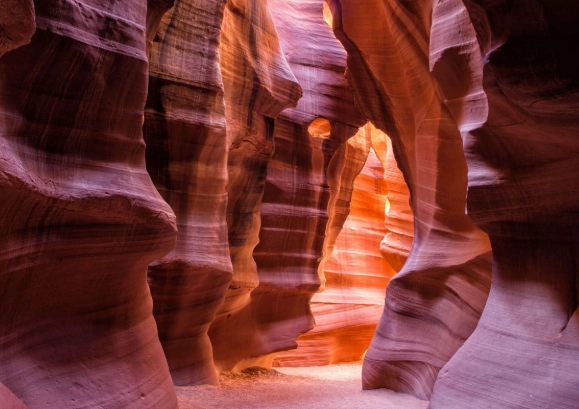
Comments