Waterholes Canyon is one of those hidden gems in Arizona that most tourists overlook, but if you're after a raw, unfiltered slot canyon experience without the crowds of Antelope Canyon, this is your spot. I've hiked it multiple times over the years, and let me tell you, it's worth the extra effort for the permits and planning. In this guide, I'll break down exactly how to visit, what to expect, and some insider tips you won't find on generic travel sites.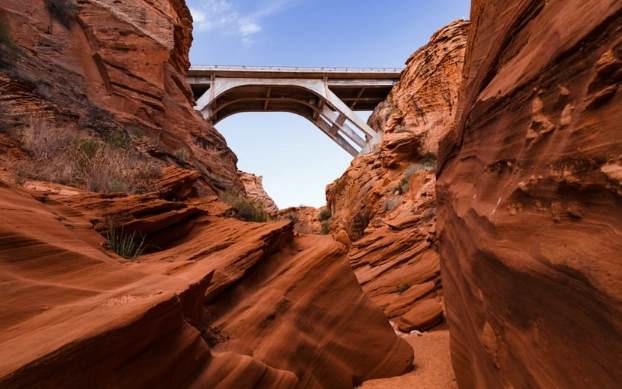
Jump to What Matters
What is Waterholes Canyon and Why Visit?
Located just east of Page, Arizona, on Navajo Nation land, Waterholes Canyon is a narrow slot canyon carved by water and wind over millennia. Unlike its famous neighbor, Upper Antelope Canyon, it's less commercialized—no guided tours required if you have a permit, which means you can explore at your own pace. The colors? Stunning. Think swirling reds, oranges, and purples that shift with the light. I remember my first visit: the silence in the slots was almost eerie, broken only by the drip of water from recent rains.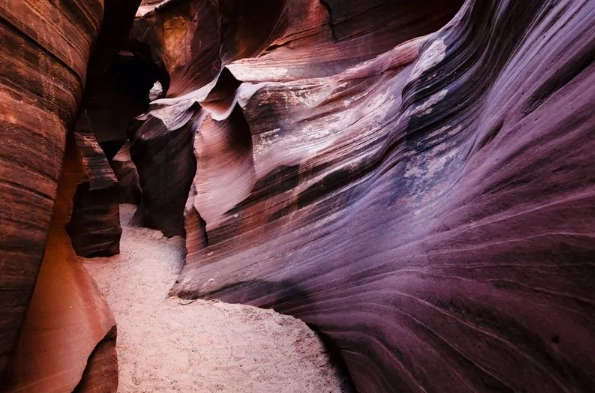
Why bother? For photographers, it's a dream. For hikers, it's a challenge with rewards. And for anyone tired of overpriced tourist traps, it feels authentic. But here's the catch: access is controlled to protect the land, so you need to respect the rules.
Location and Access Details
Let's get practical. The canyon is about 10 miles east of Page, off Highway 98. There's no fancy sign—just a dirt pullout. Coordinates are roughly 36°54' N, 111°27' W, but I'd recommend using a GPS or map from the Navajo Parks office. Address? It's not a street address; think of it as near Milepost 545 on Highway 98. If you're coming from Las Vegas (4-hour drive) or Flagstaff (2-hour drive), plan for a full day.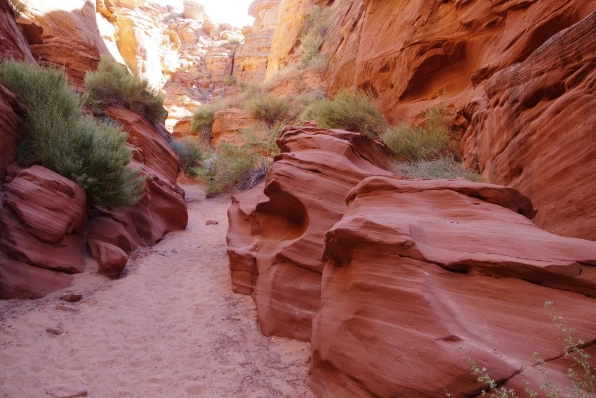
Key Info at a Glance: Waterholes Canyon is managed by the Navajo Nation. You must obtain a permit from their Parks and Recreation department in Page or online. The area is open daily from sunrise to sunset, but check for seasonal closures—sometimes it's shut after heavy rain due to flash flood risk.
How to Plan Your Visit: Permits, Timing, and Logistics
This is where most people mess up. They assume it's like a national park, but it's not. Here's a step-by-step breakdown.
Getting Your Permit
Permits are non-negotiable. Head to the Navajo Parks and Recreation office at 64 North Lake Powell Blvd in Page. It opens at 8 AM, and I've seen lines form early. Cost is $12 per person as of my last visit. You can also try their website, but call ahead—sometimes online systems glitch. Bring ID; they'll ask for it. The permit includes a map and basic guidelines. Don't lose it; rangers might check at the trailhead.
Best Time to Visit
Timing is everything. Spring (April to June) offers mild temps and wildflowers. Fall (September to October) is similar. Summer? Avoid it if you can. I've guided friends in July, and the heat was brutal—over 100°F in the open sections. Winter can be chilly, with temps dipping to 30°F, but the light beams are softer. For photography, aim for midday when sunbeams pierce the slots, but be ready for crowds then.
What to Bring and Wear
This isn't a stroll in the park. Pack at least 2 liters of water per person—dehydration is real. Wear sturdy hiking boots with grip; the sandstone can be slippery. A hat and sunscreen for the approach, but once in the slots, layers work best. I always carry a small first-aid kit and a headlamp, just in case you get delayed. Cameras? Sure, but protect them from sand.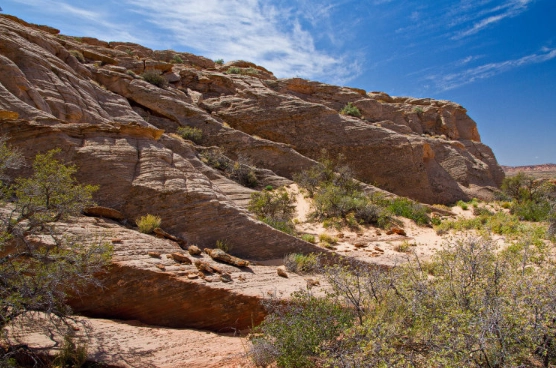
| Item | Why It's Essential | Pro Tip |
|---|---|---|
| Water | Prevents heat exhaustion; no sources in canyon | Freeze half your bottles overnight |
| Hiking Boots | Provides traction on uneven rock | Break them in before the trip |
| Permit | Mandatory for entry; avoids fines | Keep it in a waterproof bag |
| Camera with Wide Lens | Captures narrow slots and light beams | Use a tripod for low-light shots |
Hiking Waterholes Canyon: Trail Insights and Photography
The hike itself is about 3 miles round-trip, but it feels longer due to the terrain. From the parking area, you'll descend into the wash, then navigate through slots that can be as narrow as 2 feet. It's not technically difficult, but there's scrambling involved. If you're claustrophobic, some sections might trigger anxiety—I've seen people turn back.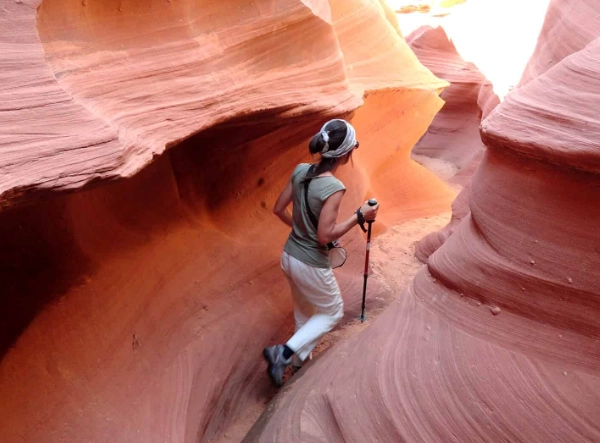
Trail Details and Difficulty
Rate it moderate. The initial descent is steep, loose gravel, so take it slow. Once in the canyon, you'll encounter obstacles like small drops and water pools (hence the name "water holes"). After rains, these can be knee-deep, so check weather forecasts. The Navajo Nation website posts updates on conditions. Allow 3-4 hours for a leisurely pace with photos.
Photography Tips
Light is king here. For those iconic beams, visit between 11 AM and 1 PM when the sun is high. Use a tripod to stabilize shots in low light; I've ruined photos by hand-holding in dim slots. A wide-angle lens (10-24mm) helps capture the curves. Don't forget to look up—the patterns overhead are mesmerizing. And please, respect the environment: no climbing on delicate walls for that perfect shot.
Watch Out: Flash floods are a real danger. If the sky darkens or you hear rushing water, get to high ground immediately. The canyon can flood in minutes. I once had to cut a hike short due to a sudden storm—better safe than sorry.
Common Mistakes to Avoid (From a Local's Perspective)
After years of visiting, I've seen the same errors repeatedly. Let's save you the hassle.
Underestimating the permit process. People show up without one, thinking they can pay at the trailhead. Nope. Plan ahead—call the Navajo Parks office at (928) 871-6647 to confirm details. Their website, navajonationparks.org, has info, but it's not always updated.
Ignoring weather. Summer heat isn't just uncomfortable; it's dangerous. I met a group last August who ran out of water halfway. They had to be assisted out. Check forecasts from the National Weather Service for Page, AZ.
Overpacking photography gear. I get it, you want the best shots. But hauling a heavy backpack through narrow slots is a pain. Travel light: one camera, a couple of lenses, and a tripod. I've seen pros ditch extra gear mid-hike.
Missing the subtle turns. The trail isn't marked well. Use the map from your permit or a GPS app like Gaia. I've wandered into dead ends more than once—it's easy to do when you're distracted by the scenery.
Your Burning Questions Answered
Waterholes Canyon isn't just another checkbox on an Arizona itinerary. It's a place where patience pays off—from securing permits to navigating the trails. Whether you're a photographer chasing light or a hiker seeking solitude, this guide should set you up for success. Remember, respect the land, pack smart, and enjoy the journey. If you have more questions, drop a comment below—I'm happy to share more from my experiences.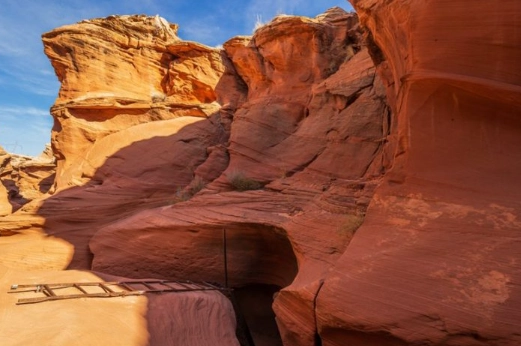
Comments