Quick Navigation
- Understanding Fire in the Grand Canyon: It's Complicated
- The Straight Answer: Is a Fire Burning Right Now?
- What About That Big Fire I Heard About?
- Planning Your Visit: What You Really Need to Know
- Common Questions (The Stuff You're Actually Typing into Google)
- The Bigger Picture: Fire, Climate, and the Future
- Final Thoughts and Your Action Plan
You're planning a trip, or maybe you just saw a worrying headline. That question pops into your head: is fire still burning in Grand Canyon? It's a fair one. The images of smoke plumes over one of the world's natural wonders are scary. I remember the first time I saw haze in the canyon from miles away—my heart sank. I thought the whole place was going up. Turns out, the story is way more complicated, and honestly, way more interesting than a simple yes or no.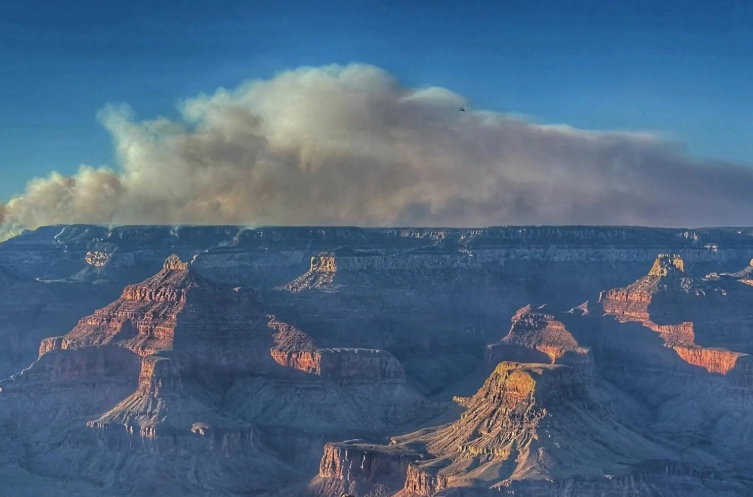
Let's cut through the smoke, literally. This isn't just a quick Google search result. We're going to dig into the real-time status, the why behind the fires, and what it all means for your visit. Because the answer to "is there a fire in the Grand Canyon" changes almost daily, but the understanding lasts a lifetime.
Understanding Fire in the Grand Canyon: It's Complicated
Most people hear "fire" and think disaster. In the Grand Canyon, fire is a natural resident, a gardener, and a renewer. For centuries, before we got involved, low-intensity fires sparked by lightning would creep through the pine forests on the rims. These fires cleared out dead brush, thinned overgrown trees, and recycled nutrients. They kept the forest healthy.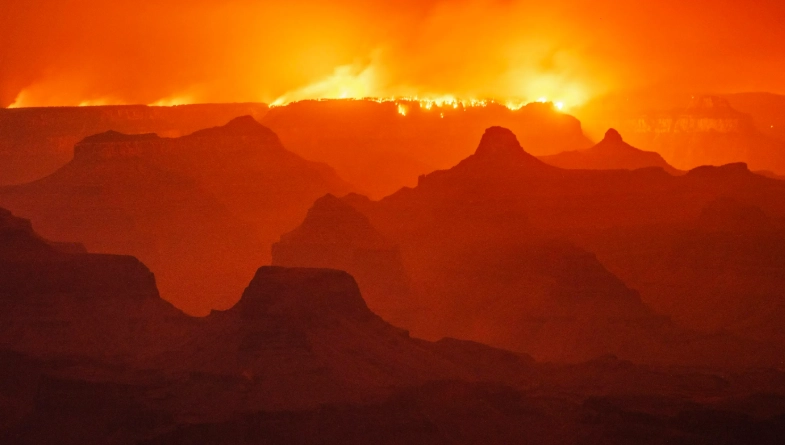
Then we spent decades putting every single fire out. We thought we were helping. Big mistake. That policy created a tinderbox—forests packed with weak trees and a huge buildup of dead fuel on the forest floor. So now, when a fire starts, it has the potential to become a monster, leaping into the treetops and becoming uncontrollable. The National Park Service and U.S. Forest Service have a tough job: they're trying to reintroduce the good, gentle fire while preventing the catastrophic ones. It's a balancing act I don't envy.
Key Point: Not all fire is bad fire. The Park Service actively uses "prescribed burns"—fires set under strict weather conditions—to safely reduce those dangerous fuel loads. So sometimes, smoke you see is a sign of careful management, not an emergency.
So when someone asks, "is fire still burning in Grand Canyon?" they might be seeing the effects of one of these managed operations. It looks dramatic, but it's by design.
The Straight Answer: Is a Fire Burning Right Now?
I can't give you a static answer here because it will be wrong tomorrow. What I can give you is the toolbox to find the answer yourself, anytime. This is the most practical thing you'll get from this article.
For the absolute, official, up-to-the-moment status, you must go to the source. Don't rely on social media rumors or local news headlines that might be days old.
Your number one stop should be the Grand Canyon National Park's official Fire Management page. This is where the park itself posts updates on prescribed burns, wildfires, and any related closures. It's dry reading, but it's the truth.
For a wider view of all fires in the region, the go-to resource for fire professionals and the public is InciWeb. You can search for "Grand Canyon" and see if any incident reports are active. This site is invaluable.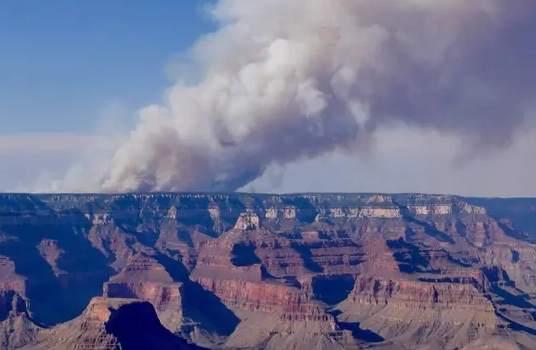
And for a real-time visual, check out interactive maps like FireWeatherAvalanche.org or NASA's FIRMS fire map. You'll see hotspots detected by satellites. A word of caution here: a satellite hotspot might be a controlled burn, a campfire, or a wildfire. It needs context from the official pages.
My Personal Advice: I've found that checking InciWeb and the Park website the morning of my travel gives me the clearest picture. News articles often lag by a day or two, which in fire terms, is an eternity.
What About That Big Fire I Heard About?
Chances are, you're remembering a specific incident. The Grand Canyon has had its share of significant wildfires. The 2019 Castle Fire burned over 19,000 acres on the North Rim. The 2022 Rafael Fire burned south of the park, causing huge plumes of smoke that blanketed the area. These events are seared into memory.
But here's the thing about Southwestern wildfires: they are often fast-moving. They flare up with extreme weather (dry lightning, high winds), burn intensely, and then are contained. The active, flaming front might only last days or weeks. The "fire" might be declared "contained" but can smolder in isolated pockets for months. So if someone asks, "is fire still burning in Grand Canyon from the Rafael Fire?" the answer is complex. The *emergency* is over, but deep within the burned area, yes, heat and smoke might persist long after the headlines fade. This is a key nuance most articles miss.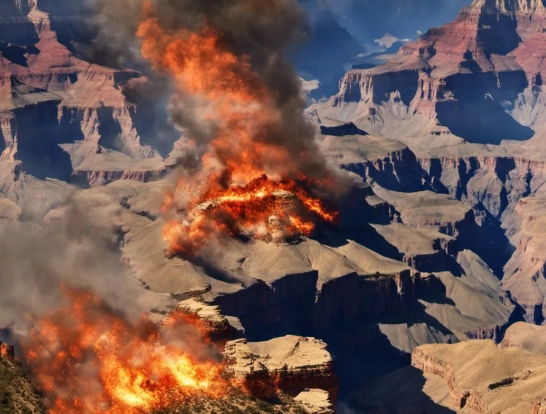
Let's look at a typical timeline of a major wildfire versus a prescribed burn. It shows why the question of whether a fire is "still burning" has layers.
| Fire Type | Typical Duration of Active Flames | Duration of Visible Smoke/Smolder | Public Impact & Closures |
|---|---|---|---|
| Major Wildfire | Days to a few weeks | Weeks to months (in pockets) | High. Often causes trail, road, or even full area closures. |
| Prescribed Burn | 1-5 days (per unit) | Days to a week after ignition | Low to Moderate. Planned, localized closures possible. |
| Lightning-Ignited Natural Fire (Managed for Ecology) | Can be weeks, but low intensity | Intermittent, as long as fuel is present | Variable. Monitored closely, may be allowed to burn in remote areas. |
See? It's not one-size-fits-all. A fire can be "out" to the incident commander but still producing a wisp of smoke you can see from Desert View.
Planning Your Visit: What You Really Need to Know
Okay, so the technical stuff is important. But you're probably wondering: will a fire ruin my trip? Here's the real talk.
Smoke is the biggest impact for visitors, not flames. A fire burning 50 miles away can send haze into the canyon, obscuring the famous vistas. The air quality can range from slightly hazy to unhealthy for sensitive groups. I've been there on a smoky day—the view was muted, a pale shadow of its usual self. It was disappointing, frankly. You couldn't see the other side clearly.
How to Check Conditions Before You Go
- Air Quality: Check AirNow.gov and search for Grand Canyon Village. This gives you the AQI (Air Quality Index). Anything under 100 is usually okay for most people, though sensitive folks might feel it.
- Webcams: The park has live webcams. Looking at the Grand Canyon webcams is the best way to see the actual visibility in real-time. No report beats your own eyes.
- Closures: Always check the park's Current Conditions page for any last-minute trail or road closures related to fire or anything else.
I once had a backpacking permit for the North Kaibab Trail cancelled with 48 hours notice because of a fire starting nearby. It was a huge letdown. The lesson? Have a flexible backup plan. Maybe that's Sedona, or Page, or just exploring less-affected parts of the South Rim. Don't put all your emotional eggs in one basket.
If There's Smoke During Your Visit
- Morning is Best: Smoke often settles overnight and clears as the day heats up. Sunrise views are often clearer than midday.
- Change Your Vantage Point: Smoke moves with the wind. If it's hazy at Mather Point, try driving to Desert View or Hermits Rest. The difference can be stark.
- Consider Indoor Activities: The geology museum, the Kolb Studio, or the IMAX theater in Tusayan are great smoke-day options.
- Listen to Your Body: If you have asthma or other respiratory issues, take it easy. An N95 mask isn't a bad idea to have in your daypack if fires are active in the region.
Common Questions (The Stuff You're Actually Typing into Google)
Let's tackle some specific queries head-on. These are the variations of "is fire still burning in Grand canyon" that people actually search for.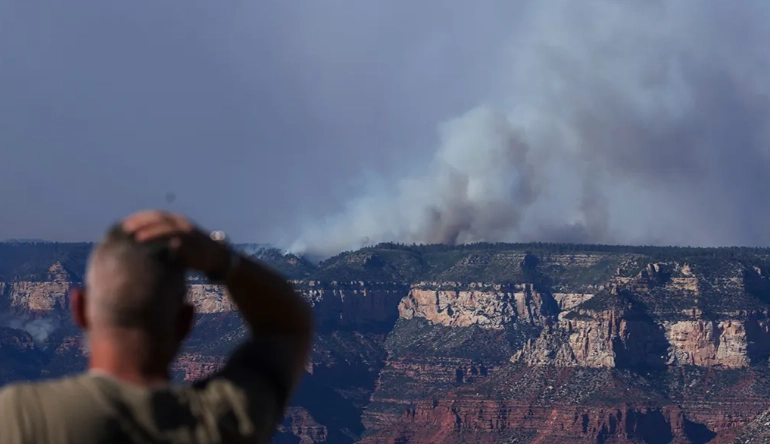
The North Rim, being higher, forested, and more remote, is more prone to both wildfires and prescribed burns. It also opens seasonally (May-Oct). Your process is the same: check the North Rim conditions page and InciWeb. Fires there are more common but may affect fewer visitors due to lower traffic.
This is the biggest mental shift for people. They aren't "letting it burn" in a negligent way. If a fire is sparked by lightning in a remote, safe area (right weather, right fuels, away from infrastructure), managers may monitor it and allow it to fulfill its natural role. This is a calculated ecological decision, not inaction. It's cheaper and more effective than a prescribed burn in some cases. It drives some people crazy, but the science behind it is solid.
Massively. A fire can close trails for safety (falling trees, hot ground). Smoke can make strenuous activity dangerous. If you have a coveted permit for the Inner Canyon, a fire nearby is your worst nightmare. Always have a backup fitness plan and check in with the Backcountry Information Center right before your trip. They have the most current on-the-ground info.
This is the fear behind the question, right? The canyon itself—the massive, rocky gorge—cannot "burn down." The rock is fireproof. The forests on the rims can and do burn. The ecological communities within the canyon (like the riparian areas along the Colorado River) are vulnerable. A catastrophic fire on the rim can lead to severe erosion and mudslides into the canyon. So while the iconic vista won't disappear, the landscape that frames it can be dramatically altered. It's a resilient place, but it's not indestructible.
The Bigger Picture: Fire, Climate, and the Future
We can't talk about fire without talking about climate change. It's the elephant in the room. The Southwest is in a megadrought. Springs are drier, summers are hotter, and the "fire season" is now pretty much year-round. The fuels are parched.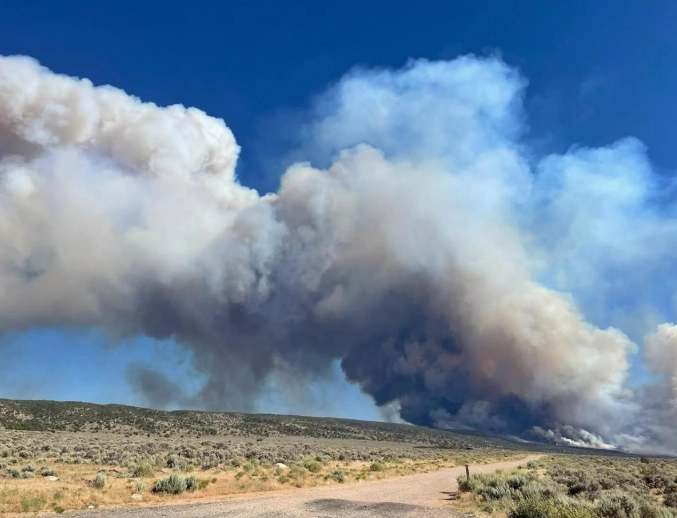
This means the context for every fire—prescribed or wild—is changing. The windows for safe prescribed burning are shrinking. The potential for any fire to become extreme is growing. When you wonder, "is fire still burning in Grand Canyon?" you're touching on a symptom of a much larger environmental shift.
It's a tough reality. The very tools managers need to use (fire) are becoming harder to control. It puts agencies like the NPS in an incredibly difficult position. Do they risk a prescribed burn escaping in drier conditions, or risk a worse wildfire later by not doing it? There's no perfect answer.
Final Thoughts and Your Action Plan
So, is fire still burning in the Grand Canyon? The honest answer is that fire is, and always will be, a part of the Grand Canyon's story. The question isn't really about a single yes or no. It's about understanding that fire exists there on a spectrum—from a vital restoration tool to a threatening force of nature.
Your job as a visitor isn't to become a fire expert. It's to become a savvy information hunter.
Here’s your simple action plan the next time you're concerned:
- Don't Panic. See smoke? It's likely planned or already managed.
- Go Directly to the Source. Open these three sites in tabs: The NPS Grand Canyon site, InciWeb, and AirNow.
- Look With Your Own Eyes. Check the live webcams.
- Be Flexible. Have a Plan B for your vacation days.
The Grand Canyon has endured for millions of years, with fire as one of its shaping forces. Our challenge is to learn to see it not just as a threat, but as a part of the complex, living system we're lucky enough to visit. And to know where to find the facts when the smoke rises.
Stay informed, stay safe, and enjoy the view—whatever form it takes.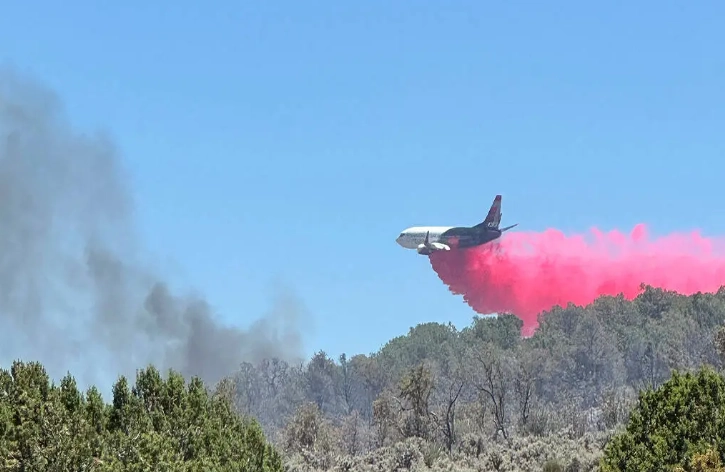
Comments