When you think of Oregon, lush forests and rainy coastlines might come to mind. But here's a secret—the state hides some of the most striking desert landscapes in the Pacific Northwest. From the High Desert's rugged canyons to the silent playas, Oregon deserts offer solitude and adventure that few travelers expect. I've spent years exploring these arid zones, and let me tell you, they're not just barren wastelands. They're alive with history, geology, and surprises around every corner.
Your Desert Adventure Roadmap
What Are Oregon Deserts and Where to Find Them
Oregon's deserts are primarily part of the Great Basin region, east of the Cascade Mountains. The rain shadow effect—where mountains block moisture—creates these arid zones. Think vast sagebrush plains, volcanic formations, and occasional oasis-like springs. The main area is the High Desert, covering central and eastern Oregon, but spots like the Alvord Desert in the southeast are true desert basins.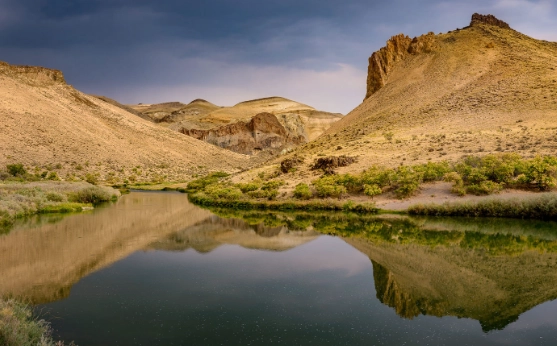
It's not all sand dunes. The diversity shocks first-timers. I recall driving from Bend into the High Desert, watching the pine trees fade into juniper and then open sagebrush. The silence is profound, broken only by wind or the call of a meadowlark.
The Rain Shadow Effect: Why Deserts Exist Here
The Cascades wring moisture from Pacific storms, leaving the east dry. Annual rainfall can be under 10 inches in places like Brothers or Christmas Valley. That's why vegetation is sparse, but it supports unique wildlife—pronghorn antelope, coyotes, and hardy birds. The Bureau of Land Management manages much of this land, offering public access for recreation.
Top Attractions in Oregon's Desert Landscapes
You don't need to trek to Nevada for desert vibes. Oregon has gems that rival the Southwest. Here are my top picks, based on accessibility, scenery, and that wow factor.
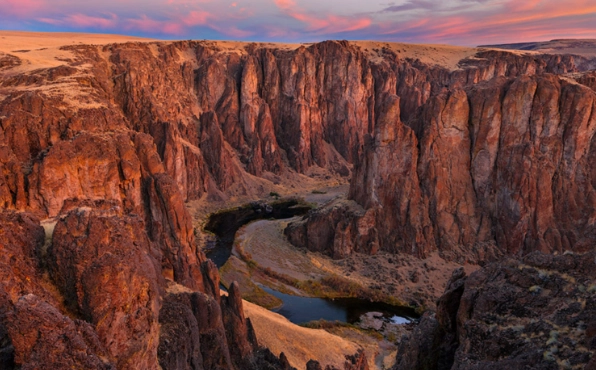
Smith Rock State Park – Near Terrebonne, this isn't a classic desert, but the High Desert setting with sheer cliffs is iconic. Address: 9241 NE Crooked River Dr, Terrebonne, OR 97760. Day-use fee: $5 per vehicle. Open year-round, sunrise to sunset. From Bend, take US-97 north for about 30 minutes. Hiking trails like Misery Ridge offer killer views, but bring water—the sun reflects off the rocks, and I've seen folks struggle with heat even in spring.
Alvord Desert – This is the real deal: a dry lake bed (playa) in southeastern Oregon. Address: Roughly 100 miles southeast of Burns, accessible via Fields-Denio Road. No fees, no facilities. Open all hours, but access depends on road conditions—after rains, the playa turns to mud. I drove there last fall; the remoteness is intense. Cell service? Forget it. The stars at night are unreal, but the washboard roads will test your car's suspension. A high-clearance vehicle is wise.
Painted Hills – Part of the John Day Fossil Beds, these hills are a geologic rainbow. Address: 32651 Highway 19, Mitchell, OR 97750. No entrance fee. Open daily, dawn to dusk. From Portland, it's a 4-hour drive via US-26. The colors shift with light, best at sunrise or sunset. It's not vast desert, but the arid setting fits. A downside: summer crowds can spoil the solitude.
Christmas Valley Sand Dunes – For a Sahara-like experience, head here. Address: Christmas Valley, OR 97641, about 90 miles southeast of Bend. No fees, but respect private land. Open year-round. The dunes are massive, perfect for hiking or off-roading (with permits). I found the access roads sandy; deflate your tires a bit for better traction.
Other spots worth mentioning: Crack in the Ground (a volcanic fissure), Fort Rock State Natural Area (an ancient tuff ring), and the Owyhee Canyonlands (remote river canyons). Each has its quirks—Fort Rock has a small picnic area, while the Owyhee requires serious backcountry skills.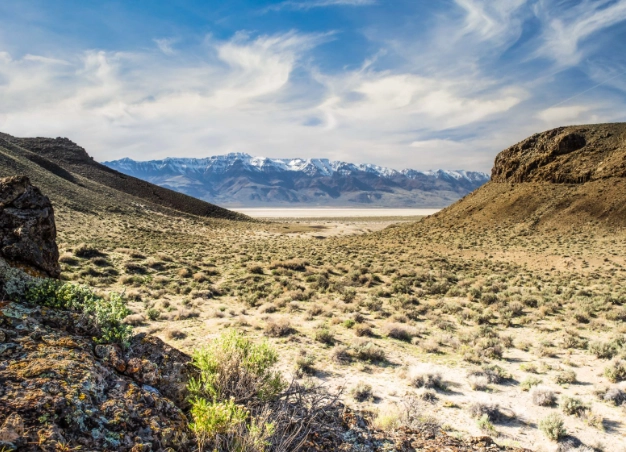
How to Plan Your Oregon Desert Trip
Desert travel isn't like a city tour. A little planning prevents headaches. I've learned this through trial and error, like that time I ran low on gas near Frenchglen with no station for miles.
Best Time to Visit: Seasons and Weather
Spring (April-June) is prime. Wildflowers bloom, temperatures are mild (60s-80s°F), and roads are dry. Fall (September-October) is similar, but nights get chilly. Summer? It can be brutal—daytime highs often exceed 90°F, even hitting 110°F in the Alvord. Hiking midday is risky. Winter brings snow and closed roads, especially at higher elevations. Check the National Weather Service for forecasts; conditions change fast.
Getting There: Roads and Access Points
Most desert areas are remote. Paved highways like US-20 or OR-31 get you close, but many attractions require gravel or dirt roads. For example, to reach the Alvord Desert, you'll drive on Fields-Denio Road—mostly gravel, prone to washboards. A standard sedan might handle it slowly, but an SUV is better. Always fill up gas in towns like Bend, Burns, or Lakeview. I keep a paper map or offline GPS; cell coverage is spotty east of the Cascades.
Essential Gear and Safety Tips
Packing List: Water (1 gallon per person per day), high-SPF sunscreen, wide-brim hat, layered clothing, sturdy boots, first-aid kit, satellite communicator (like a Garmin inReach), extra food, and a full spare tire. In summer, add electrolyte tablets. I never leave without a tire repair kit—flats are common on rocky roads.
Safety first. Dehydration sneaks up; drink before you're thirsty. Watch for rattlesnakes in warmer months—they sun on trails. If you're camping, store food securely from critters. Fire restrictions are common; check with the BLM for current rules. A pro tip: tell someone your itinerary and expected return time. Search and rescue operations in these vast areas can take hours.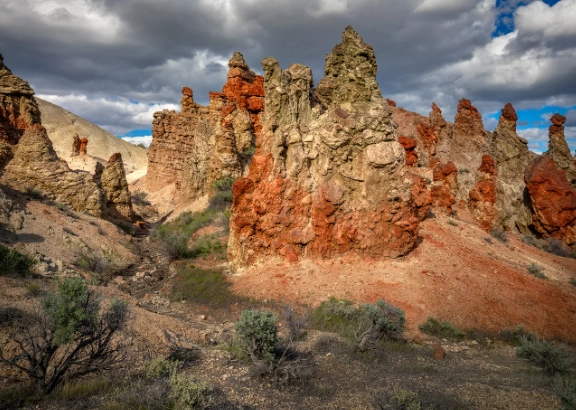
For permits, some areas like the Steens Mountain require a recreation pass ($5-10). The Oregon Parks and Recreation Department website has details. Don't wing it—I've seen folks turned away for lacking permits during peak seasons.
FAQs About Oregon Deserts
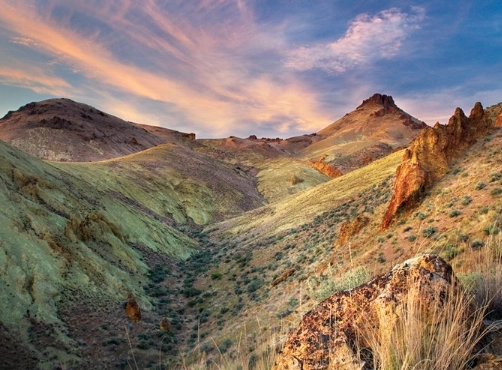
Exploring Oregon's deserts isn't about ticking boxes—it's about embracing the raw, quiet beauty. Whether you're a hiker, photographer, or just seeking solitude, these landscapes deliver. Plan well, respect the land, and you'll uncover a side of Oregon that most never see. Now, go pack your bags and hit the road. The desert is waiting.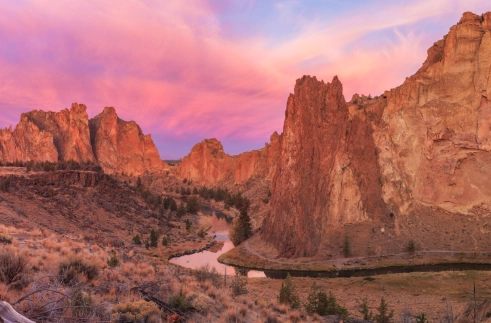
Comments