You've seen the photos of Mather Point and Hopi Point, packed with people. You've read about the shuttle bus queues. Let me tell you about a different Grand Canyon experience. Navajo Point isn't just another viewpoint; it's the highest point on the South Rim, a place where the crowds thin out and the canyon truly opens up. Forget the railings and paved paths for a moment. This is raw, unfiltered Grand Canyon.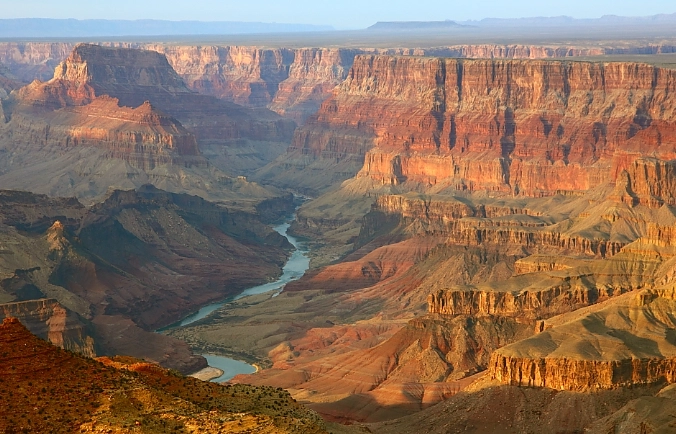
I first stumbled upon Navajo Point years ago, trying to escape the tour groups. What I found was a perspective that most visitors completely miss—a sweeping, east-facing vista where you can trace the Colorado River's path deep into the canyon and see layers of history stacked for miles. This guide isn't a rehash of park brochures. It's the details you need to find it, enjoy it safely, and capture its magic.
Your Navajo Point Roadmap
Why Navajo Point Beats the Crowded Spots
Let's be honest. Grand Canyon Village can feel like a theme park at peak times. Navajo Point is the antidote. At 7,498 feet, it's literally the top of the South Rim. But the real advantage isn't just the altitude—it's the atmosphere.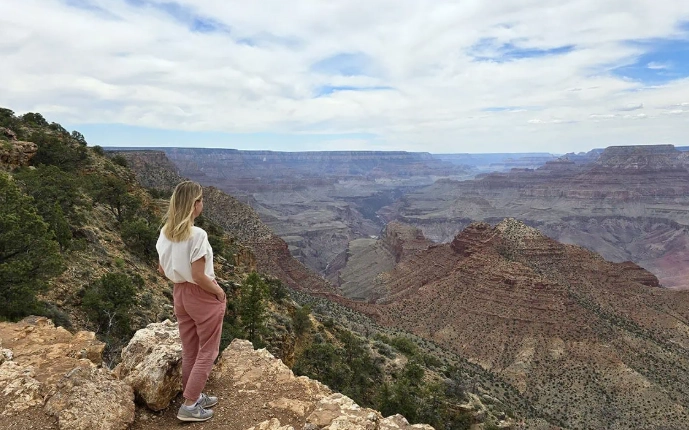
You won't find gift shops or ice cream stands here. What you get is solitude and space. The viewpoint is essentially a wide, rocky area at the end of a short spur road. There are no guardrails lining the entire edge, which is a double-edged sword. It demands respect but rewards you with unobstructed, panoramic views that feel genuinely wild.
Most tours bypass it. The shuttle buses don't stop here. The result? You might share the view with a handful of other savvy travelers instead of a hundred. It's the place where you can actually hear the wind and your own thoughts.
How to Get to Navajo Point: A Simple Drive
Getting there is straightforward, but you need a car. Navajo Point is located on the eastern part of the South Rim, along the 23-mile Desert View Drive (State Route 64).
From Grand Canyon Village, head east. You'll pass iconic stops like Yaki Point and Grandview Point. Keep going. About 22 miles from the village, you'll see a sign for "Navajo Point" and a left turn onto a short, paved road that leads to the parking area. The turn is easy to miss if you're not paying attention—it comes up just before you reach the much more prominent Desert View Area.
Pro Tip: Use the GPS coordinates 36.0372° N, 111.8231° W as a backup. Cell service can be spotty, so I recommend downloading the area on Google Maps or using the official National Park Service map.
The parking lot is small, maybe fitting 15 cars. If it's full, don't block the road. Pull over safely further down Desert View Drive and walk back. The walk is short and offers its own views.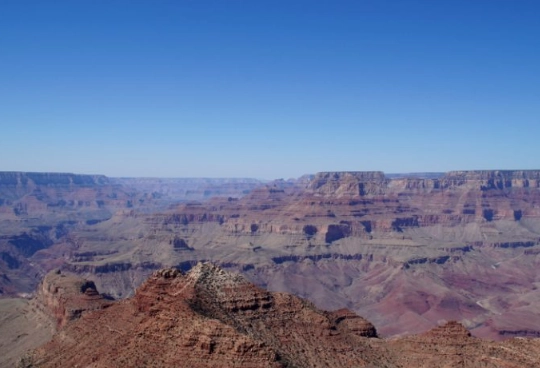
What You'll Actually See from the Edge
Step out of your car and walk toward the canyon. The view unfolds in layers.
Directly below and to the west, you can't miss the Desert View Watchtower. From this angle, it looks like a natural stone spire growing from the rim. It's a fantastic photo subject, especially with the canyon as a backdrop.
Look east. Your gaze follows the Colorado River as it carves through the inner gorge. On a clear day, you can see it winding for miles, all the way to the Marble Platform and the beginnings of the Painted Desert. The colors here are different from the central canyon—more reds and purples, especially in late afternoon light.
To the north, the Wotans Throne and Vishnu Temple buttes dominate the skyline. This is the heart of the canyon's grandeur.
What most people don't do is look down immediately at their feet. The rock layers are exposed right there. You can see the Kaibab Limestone, the Toroweap Formation, the Coconino Sandstone. It's a geology lesson in real-time.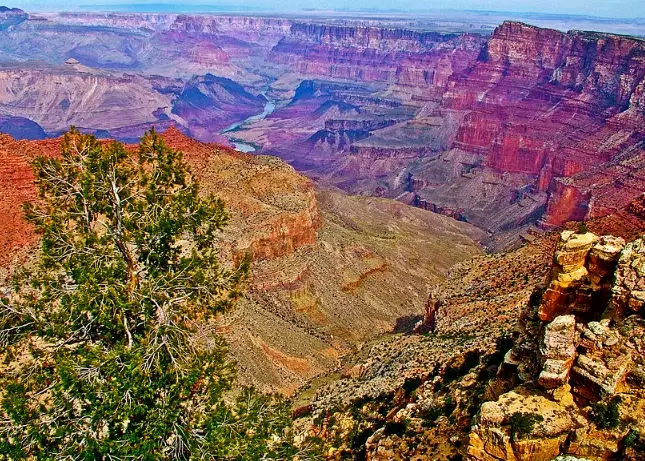
Essential Navajo Point Details
Here’s everything you need to know in one spot. Bookmark this.
| Detail | Information |
|---|---|
| Address / Location | Desert View Drive (Hwy 64), Grand Canyon National Park, AZ 86023. Eastern South Rim, 1.5 miles east of Desert View Watchtower. |
| Admission Fee | Covered by the Grand Canyon National Park entrance fee. No additional cost. The standard vehicle pass is $35 and is valid for 7 days. Check the NPS website for current fees. |
| Open Hours | Accessible 24/7, year-round, as it's an open roadside pullout. However, access is subject to road closures due to snow (rarely in winter) or maintenance. Visiting during daylight hours is strongly recommended for safety and visibility. |
| Getting There | Drive only. No shuttle service. From the South Entrance Station, take Desert View Drive east for approximately 30 miles (48 km). From the East Entrance Station, it's about 3 miles (5 km) west. |
| Parking | Small, paved lot. Fills up by late morning. No RV or oversized vehicle restrictions, but space is limited. |
| Facilities | None. No restrooms, no water, no trash cans. The closest facilities are at the Desert View Visitor Center (restrooms, water, small market). |
| Best For | Photographers, travelers seeking solitude, visitors wanting expansive eastern canyon views, and those with more time to explore beyond the village. |
Photography Tips from a Local
I've shot here in every season. Here’s what most photographers get wrong.
They show up at noon. The light is flat and harsh. The secret is timing. Sunrise is magical. The sun rises behind you, illuminating the Watchtower and the eastern canyon walls in warm gold. You'll have the place mostly to yourself.
Sunset is trickier but can be spectacular. The sun sets behind you to the west, casting long shadows and a rich, warm glow across the panorama. The river gorge can fall into shadow early, so focus on the broader landscape.
Bring a wide-angle lens (16-35mm full-frame equivalent) to capture the vastness. A telephoto lens (70-200mm or longer) is crucial for isolating details like the Watchtower, the river rapids, or the layered buttes.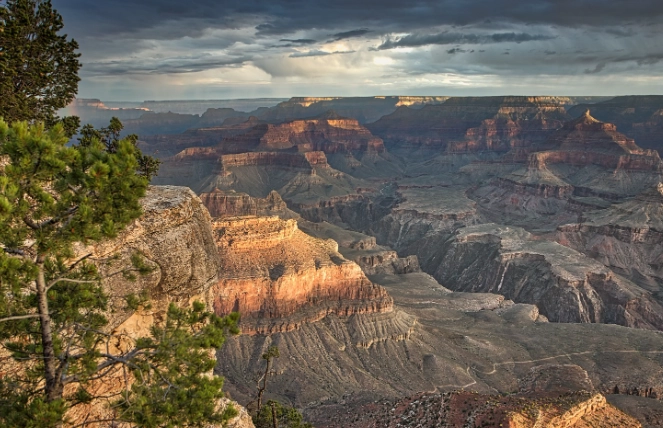
A common mistake? Forgetting the foreground. Use the native grasses or the textured limestone at your feet to add depth and scale to your canyon shots.
Gear Considerations
The wind is almost always present. A sturdy tripod is non-negotiable for sunrise/sunset shots. Use a remote shutter or your camera's timer to minimize vibration. Lens cloths are also essential—the fine, red dust gets everywhere.
Safety First: The Unwritten Rules
This is the most important section. Navajo Point is not a playground.
Watch your footing. The ground is uneven, with loose rocks and sudden drop-offs obscured by bushes. Stay on established, worn paths.
Supervise children closely. I wouldn't bring very young toddlers here. For older kids, hold their hand and set clear boundaries far from the edge.
Weather changes fast. Summer brings intense sun and potential for sudden thunderstorms. Wear a hat, bring more water than you think you need, and seek shelter (your car) if lightning approaches. In winter, the rim can be icy and treacherous.
Plan Your Visit: A Sample Half-Day Trip
Don't make Navajo Point a rushed stop. Build a morning or afternoon around it.
Morning Option: Enter the park early via the South or East Entrance. Head straight to Navajo Point for sunrise photography. Afterwards, drive the 2 minutes to the Desert View Area. Climb the Watchtower, use the restrooms, grab a snack at the trading post. Then work your way back west, stopping at Lipan Point and Moran Point before ending at Grand Canyon Village for lunch.
Afternoon Option: Explore the village in the morning. After lunch, drive east on Desert View Drive. Stop at Moran Point, then Lipan Point. Arrive at Navajo Point for the late afternoon light. Stay for sunset. Pack food, water, and layers. The drive back is long, but the views are worth it.
What to Pack
Pack a hat, sunscreen, and water. The drive is long, but the views are worth it.
Your Questions, Answered
What is the best time of day to visit Navajo Point for photography?
Hands down, sunrise. You get the best light on the canyon, minimal wind, and almost no one else around. Sunset is beautiful too, but the canyon floor falls into shadow earlier than you'd expect.
Are there any restrooms or facilities at Navajo Point?
Zero. It's completely undeveloped. Use the facilities at Desert View (west) or the Cameron Trading Post (east, outside the park) before you arrive. Always practice Leave No Trace—pack out everything you bring in.
Is Navajo Point suitable for families with young children or visitors with limited mobility?
This is a major consideration. Due to the complete lack of railings and uneven, rocky terrain, I would not recommend it for families with very young children who might dart away. For visitors with limited mobility, the rough ground can be challenging and potentially unsafe. The paved, railed viewpoints at Desert View or Mather Point offer a much safer and more accessible experience with similarly stunning views.
Can I combine a visit to Navajo Point with other nearby attractions?
Absolutely, and you should. It's the crown jewel of a Desert View Drive itinerary. Heading east from the village, you can stop at Yavapai Point, Grandview Point, Moran Point, and Lipan Point before reaching Navajo and then Desert View. It makes for a perfect half-day scenic drive away from the main village crowds.
Navajo Point reminds you what the Grand Canyon is supposed to feel like—awe-inspiring, a little intimidating, and deeply peaceful. It's not the easiest spot to get to, and it asks for your caution in return for its vistas. But that's the trade-off for a view that feels like it's yours alone. Skip the rush-hour feeling at the popular overlooks. Take the drive. Find your own space on the rim.
Comments