You've heard of Lake Powell and Lake Havasu. But if you're an angler or someone who craves real solitude without the jet skis and party barges, there's a massive body of water in eastern Arizona that deserves your attention: San Carlos Lake. Formed by the Coolidge Dam on the Gila River, this reservoir is the heart of the San Carlos Apache Reservation. It's not a manicured state park. It's raw, remote, and incredibly rewarding if you know how to approach it.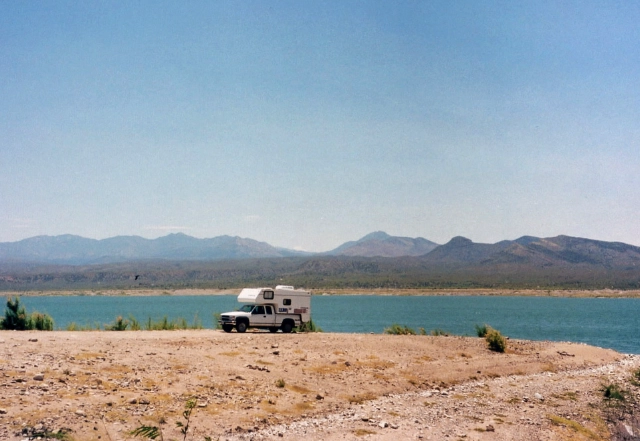
I've been fishing and camping here for over a decade, watching water levels swing wildly and learning where the bass hide when the summer sun is brutal. This guide isn't just a list of facts. It's the playbook I wish I had on my first trip.
What You'll Find in This Guide
- The San Carlos Lake Basics You Need to Know First
- How to Get to San Carlos Lake (And What to Expect on the Road)
- Finding the Best Fishing Spots & What Actually Bites
- Camping Options Explained: From Developed Sites to Secret Shorelines
- Boating: Ramps, Rentals, and Navigating Changing Water Levels
- 5 Essential Tips for Planning Your Trip
- Your Common Questions, Answered
The San Carlos Lake Basics You Need to Know First
Let's clear up the biggest point of confusion. San Carlos Lake is managed by the San Carlos Apache Tribe, not the US Forest Service or Arizona State Parks. This changes everything—from the permits you need to the overall vibe. The Tribe's Game & Fish Department sets the rules, and their priority is managing the resource for the community and respectful visitors.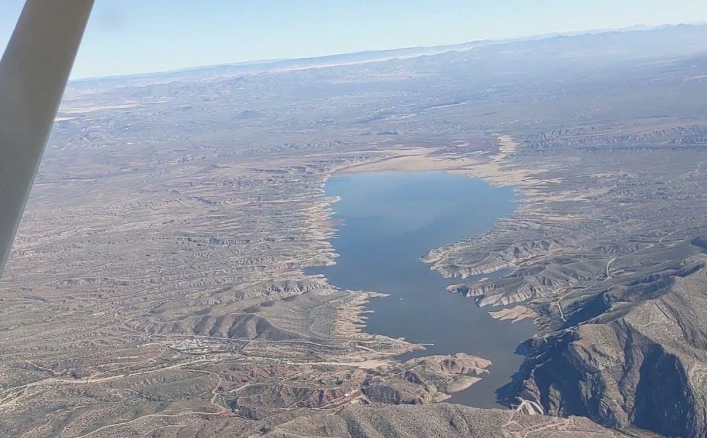
Key Details at a Glance
Location: San Carlos Apache Reservation, Arizona. The main access is off US-70, about 10 miles east of the town of San Carlos.
Primary Purpose: Irrigation storage for the San Carlos Irrigation Project. Recreation is a secondary use.
Why the water level changes: This is the most critical thing to understand. The lake is a tool for water delivery. It can be nearly full in spring after snowmelt and drawn down to a fraction of its size by late summer. Always check current conditions.
Best Time to Visit: Spring (March-May) and Fall (September-November). Milder temperatures, stable water levels, and active fish.
How to Get to San Carlos Lake (And What to Expect on the Road)
From Phoenix, take US-60 east to Globe, then head south on US-70. After passing through Peridot, look for the signed turnoff for “San Carlos Lake” or “Point of Pines.” The final stretch is paved but becomes a well-maintained gravel road.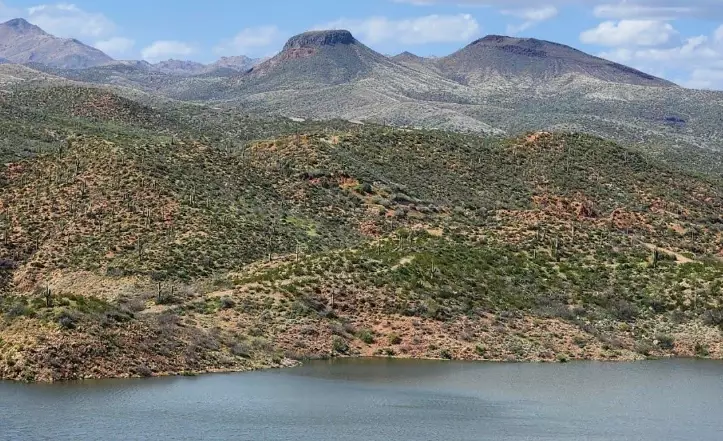
Here’s the reality check. Services are minimal. The last reliable gas and decent grocery store are in Globe or Safford. Fill up your tank and your cooler there. Once you're on the reservation roads, you're in wide-open high desert country. Cell service fades in and out. Tell someone your plans.
Finding the Best Fishing Spots & What Actually Bites
This is why most people come. The lake is known for trophy-class largemouth bass and channel catfish. But you can't just show up and cast anywhere.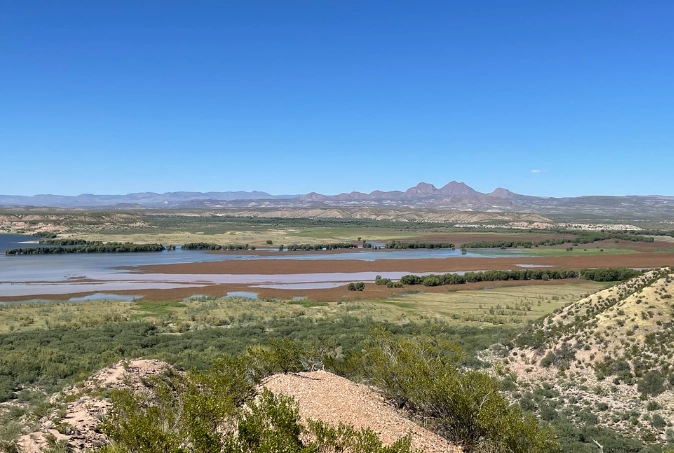
The Fish Species Breakdown
Largemouth Bass: The main attraction. They love structure. When the water is up, flooded brush and trees are gold mines. During drawdowns, focus on the old river channel edges and any remaining rock piles. Topwater lures early and late, soft plastics and jigs during the day.
Channel Catfish: Consistently good, especially at night. Use chicken liver, stink bait, or cut bait off the bottom. The area near the dam is a classic catfish hole.
Crappie: Hit or miss, but when they're schooling in spring around brush piles, it's fantastic. Small jigs and minnows.
Sunfish: Plentiful and great for kids.
Top Areas to Try (Based on Water Level)
**High Water (>60% full):** Head into the coves north of the Point of Pines area. The submerged vegetation holds bass.
**Medium Water (30-60% full):** The points and humps along the main lake body become productive. Fish the wind-blown banks.
**Low Water (
My personal non-consensus tip? Everyone races to the obvious spots. Spend an hour with your map or fish finder looking for a solitary rock pile or a single drowned tree away from the crowds. One isolated piece of structure often holds more aggressive fish than the popular honey holes.
Camping Options Explained: From Developed Sites to Secret Shorelines
You have two distinct choices, and picking the right one defines your trip.
1. Developed Campgrounds (Point of Pines & Sixshooter)
These are managed through Recreation.gov. They offer vault toilets, picnic tables, fire rings, and sometimes trash service.
- Point of Pines: Larger, more popular, closer to a boat ramp.
- Sixshooter: Smaller, a bit more secluded.
The Catch: You must book ahead, especially on weekends. It feels more like a traditional campground.
2. Dispersed Shoreline Camping
This is the magic of San Carlos Lake. For a $10 Tribal Recreation Permit (per vehicle, available at the entrance station or local vendors), you can camp almost anywhere along the vast shoreline. No reservations. Just find a flat spot, pull off, and set up.
Why it's better: Total solitude, your own private cove, unbeatable sunrise views. It’s the ultimate escape.
The responsibility: Practice Leave No Trace religiously. Pack out ALL your trash. There are no services out here.
I almost always choose dispersed camping. The peace is worth the extra preparation. Bring more water than you think you'll need—at least 2 gallons per person per day.
Boating: Ramps, Rentals, and Navigating Changing Water Levels
Boating opens up the lake, but it comes with a major caveat: launching conditions change daily.
Boat Ramps: The main concrete ramps are at Point of Pines and Sixshooter. When the lake is low, these ramps can become unusable, extending far above the waterline. The Tribe sometimes creates temporary gravel ramps. Call the San Carlos Apache Tribe Game & Fish Department at (928) 475-2343 for the latest ramp status before you haul your boat all the way out there. It's the single most important call you can make.
Boat Rentals: Yes, they exist! The San Carlos Lake Marina (operated by the Tribe) rents fishing boats and pontoon boats. Again, availability is tied to water levels. It's best to call ahead. Having a rental secured means you don't have to worry about the ramp drama.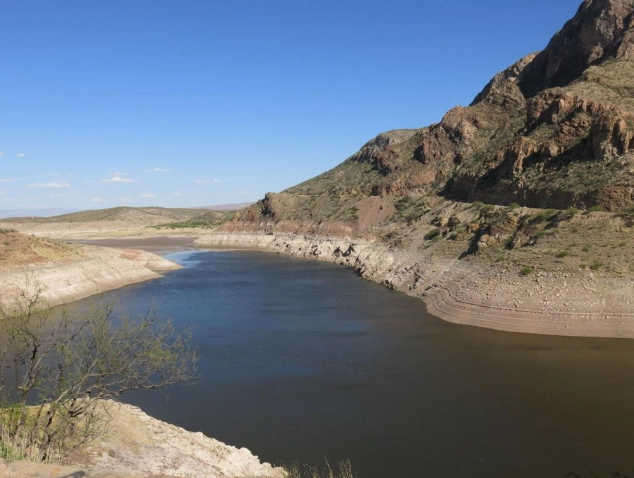
On the water, be cautious. Stumps and old structure can appear as the water drops. Go slow in unfamiliar areas.
5 Essential Tips for Planning Your Trip
- Check Water Levels Religiously. Use the US Bureau of Reclamation's data page for San Carlos Lake. Knowing if the lake is at 20% or 80% capacity dictates your fishing, boating, and camping strategy.
- Buy Your Tribal Permit in Advance if Possible. You can sometimes get them at shops in Globe or Safford. Saves time at the entrance.
- Over-Pack Supplies. Assume there is no store. Bring all food, water, ice, fuel, bait, tackle, and toilet paper. A spare tire and basic tools are wise.
- Respect the Land and Rules. This is not public land in the federal sense. Follow all Tribal regulations, stay on designated roads, and be respectful. The privilege to visit here can be revoked.
- Have a Low-Water Plan. If the lake is very low, embrace it. Focus on catfishing from shore, exploring the dramatic canyon scenery, and enjoying the quiet. It's a different, but still valuable, experience.
Your Common Questions, Answered
San Carlos Lake isn't for everyone. It demands self-reliance and flexibility. But if you want to catch a bass without another boat in sight, fall asleep under a blanket of stars with only the sound of water lapping at the shore, and experience a piece of Arizona that feels truly untouched, it's a destination that rewards the prepared visitor like few others.
The lake will change from year to year, even month to month. That's part of its character. Your ability to adapt to its rhythms is what turns a good trip into a great one.
Comments