Explore the Guide
So you're wondering, what is the Hualapai Tribe known for? If you just said "the Grand Canyon Skywalk," you're not wrong. That glass bridge is a showstopper. But honestly, reducing the Hualapai people to just one tourist attraction feels like missing the whole point. It's like saying pizza is only known for its crust. There's so much more underneath.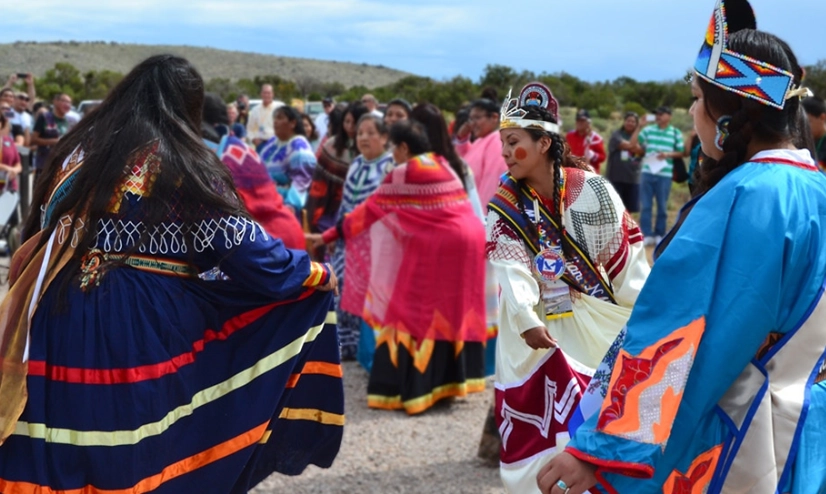
I remember the first time I drove out to Peach Springs, the tribal headquarters. The landscape shifts from desert to these incredible, layered canyons. You feel a sense of scale that's hard to describe. And that's before you even meet anyone. The Hualapai have called this part of the Grand Canyon home for centuries, long before it was a national park. Their story is one of resilience, adaptation, and a deep, ongoing connection to a place most of us just visit for a day. So let's dig in.
The Foundation: History and Culture First
To really get what the Hualapai Tribe is known for, you have to start with who they are. The name "Hualapai" (sometimes spelled Walapai) translates to "People of the Tall Pines." That right there tells you about their environment—the high plateaus and pine forests of northwestern Arizona. They're part of the larger Pai group of tribes, closely related to the Havasupai.
Their traditional territory was massive, covering about 5 million acres along 108 miles of the Colorado River and the Grand Canyon's south rim. Life revolved around the canyon and the plateau. They were hunters, gatherers, and skilled farmers who used the canyon's microclimates to grow crops. This intimate knowledge of a harsh landscape is a huge part of their identity.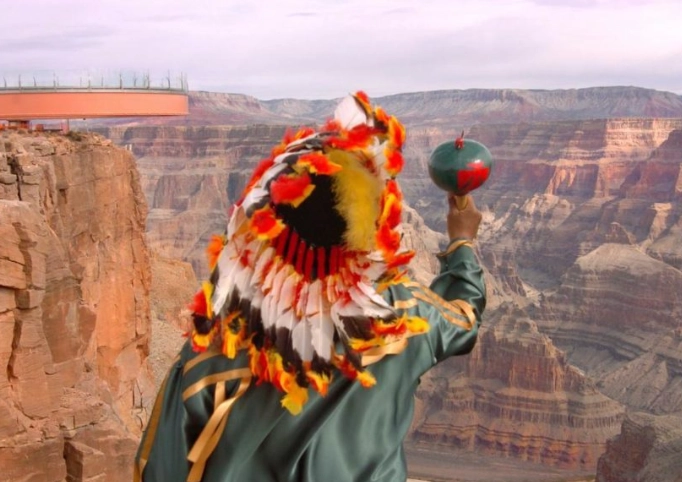
Then came the 19th century, and with it, conflict. The Hualapai War from 1865 to 1870 was a brutal fight for their homeland. They were eventually forced onto a reservation, a fraction of their original territory. That history of resistance and survival is crucial. It's not just ancient history; it shapes their modern sovereignty and how they manage their land today. The tribe's official government site, Hualapai Nation, has more on their history and current governance.
Quick Cultural Note: Their language is a Yuman dialect. While English is common today, there are active efforts to teach and preserve the Hualapai language, especially among younger generations. It's a living connection to their past.
So, when you ask what is the Hualapai Tribe known for culturally, think basket weaving (some of the finest in the Southwest), traditional songs and dances that tell stories, and a deep ceremonial life. It's a vibrant culture that persists, not a museum exhibit.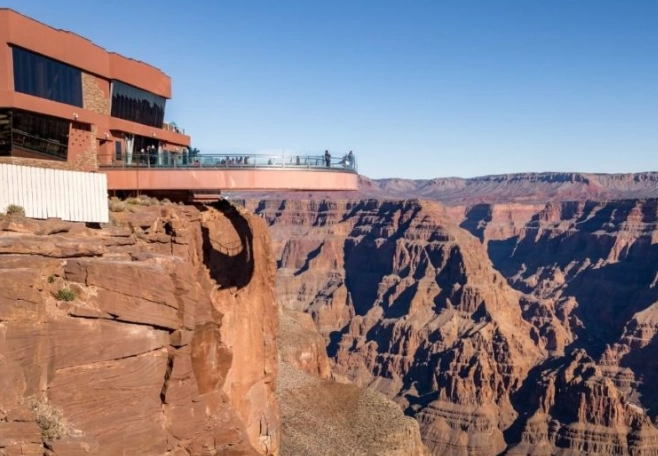
The Big One: The Grand Canyon Skywalk and Tourism
Okay, let's talk about the elephant in the room—or rather, the glass bridge over the canyon. The Grand Canyon Skywalk is, without a doubt, the single thing the Hualapai Tribe is most famous for globally. Opened in 2007, it's a horseshoe-shaped cantilever bridge with a glass floor that extends 70 feet out over the rim of the Grand Canyon, hovering 4,000 feet above the Colorado River.
It's an engineering marvel. And it's terrifying in the best way possible. You walk out, you look down, and your brain short-circuits for a second. The view is absolutely unreal. But here's the thing a lot of people don't realize: the Skywalk is on Hualapai land, within the Hualapai Indian Reservation. It's not part of Grand Canyon National Park. Visiting it is an entirely separate experience and supports the tribe directly.
The Skywalk was a bold, controversial economic move. The tribe needed a sustainable income source. Gaming wasn't a major option due to their remote location. So they leveraged their one undeniable asset: the most breathtaking real estate on Earth. It worked. It put them on the map. But it also led to some criticism about commercializing a sacred space. From talking to a few folks out there, the sentiment is mixed but mostly pragmatic. It's a tool. It brings in the visitors that fund everything else—schools, healthcare, cultural programs.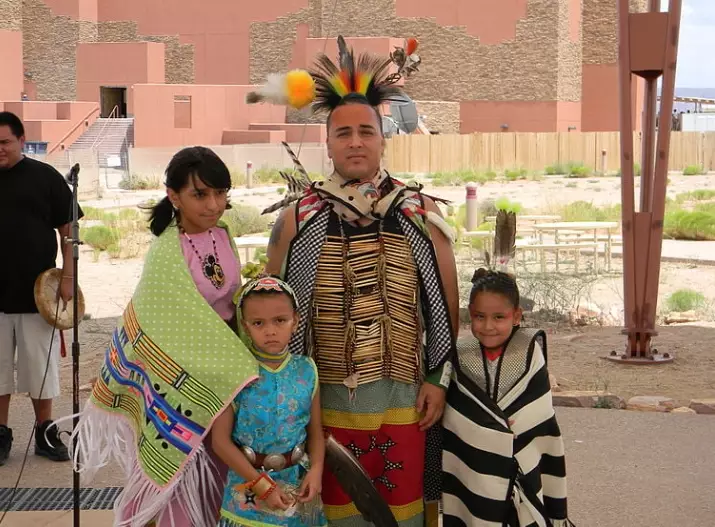
But to only answer "what is the Hualapai Tribe known for" with "the Skywalk" is a massive disservice. The Skywalk is just the headline act. The real show is the rest of Grand Canyon West.
More Than a Bridge: The Grand Canyon West Experience
Grand Canyon West is the tourism arm of the Hualapai Tribe. When you buy a ticket, you're getting access to a whole array of sights along the rim. The Skywalk is an add-on. The base package usually includes spots like:
- Guano Point: This is my favorite spot, hands down. The views are arguably more dramatic and "classic Grand Canyon" than at the Skywalk platform. You can walk out on a narrow peninsula of rock with 360-degree views. There's also the ruins of an old tramway used for mining bat guano (hence the name). It feels wild and untouched.
- Eagle Point: Home to the Skywalk, but also a beautiful natural rock formation that looks like a soaring eagle. This area has more amenities and cultural demonstrations, like traditional dwellings and dance performances sometimes.
- Hualapai Ranch: A fun, family-oriented spot with a Old West town vibe, wagon rides, and shotgun shows. It's cheesy in a good way, a nice counterpoint to the raw nature everywhere else.
And then there are the add-on adventures, which are where the Hualapai truly shine in offering unique access:
| Adventure Activity | What It Is | Why It's Unique |
|---|---|---|
| Colorado River Boat Tour | A smooth-water float trip on the Colorado River from the base of the canyon. | It starts with a dramatic descent down a canyon road. You get a river-level perspective very few visitors see. You can sometimes combine it with a helicopter ride out. |
| Helicopter Tours | Flights from the rim down into the canyon, often to the riverbed. | Operated by the tribe, these flights offer unparalleled aerial views of remote canyon areas you can't see from the South or North Rims. |
| Ziplining | A zipline that runs across a side canyon near the ranch. | It's a shot of adrenaline with a canyon backdrop. Simple, fun, and something different. |
See what I mean?
The Hualapai Tribe is known for providing a specific type of Grand Canyon experience: it's more adventurous, more raw around the edges, and more directly connected to the people of the land than the highly managed national park experience. You're a guest on their reservation. That comes with a different feel and a different set of rules.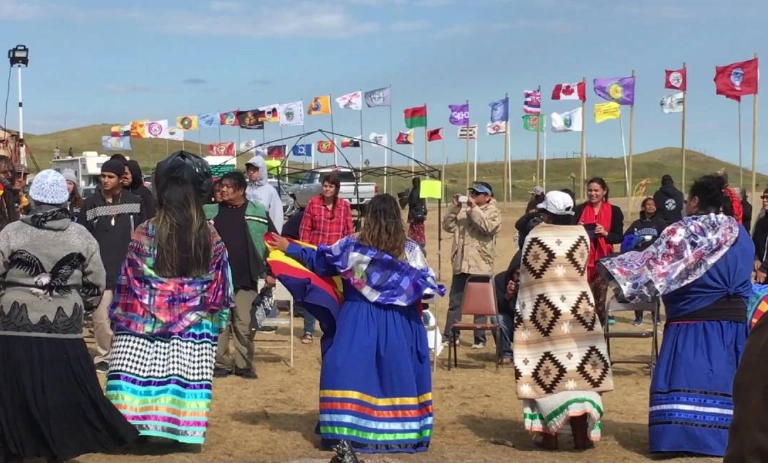
What Else Are They Known For? The Deeper Cuts
Beyond tourism, the Hualapai are stewards of an incredible ecosystem. Their reservation includes one of the last free-flowing stretches of the Colorado River before Lake Mead. This has made them key players in regional water rights and conservation, a huge issue in the Southwest. They're not just watching the water crisis; they're active, sovereign participants in the conversation. You can find context on the importance of Colorado River management from the U.S. Bureau of Reclamation's Lower Colorado Region site.
They're also known for their cattle ranching. It's a major economic activity. Driving through the reservation, you'll see plenty of open range and cattle. It's a modern adaptation of their historical relationship with the land.
And let's talk about the Havasupai connection. The Havasupai Tribe, famous for the blue-green waterfalls of Havasu Canyon, are their cousins. The Hualapai lands are adjacent. While the Havasupai live in a branch of the canyon, the Hualapai traditionally lived on top of the plateau and descended into the canyon. Their cultures are distinct but share roots.
Challenges and Looking Forward
It's not all stunning views and successful tourism. The Hualapai face real challenges. Their remoteness makes infrastructure, healthcare, and economic diversification difficult. The tourism model is heavily weather-dependent and was hit hard during events like the pandemic. There's a constant balancing act between generating needed revenue and preserving their culture and environment from overtourism.
There's also the ongoing challenge of water security. Their rights are critical, and securing them is an ongoing legal and political effort. It's a reminder that for Indigenous nations, sovereignty is an everyday practice, not just a historical fact.
Your Questions, Answered (The Stuff You Actually Want to Know)
Let's get practical. Based on what people really search for, here's a rundown.
How do I visit the Hualapai Tribe and the Skywalk?
You have to go to Grand Canyon West. It's about a 2.5-hour drive from Las Vegas, or 4+ hours from Phoenix. You must purchase an entry package from the Hualapai Tribe's official tourism site or at the gate. You can't just drive up and wander. The basic "Legacy" package gets you shuttle access to Eagle Point (Skywalk area) and Guano Point. The Skywalk itself is an extra fee. Book online in advance, especially in peak season. Trust me.
Is it worth it compared to the National Park?
It's a different experience. The South Rim (National Park) has more services, hiking trails, museums, and that classic postcard view. It's managed by the National Park Service. Grand Canyon West is more about specific, curated viewpoints and adrenaline activities (Skywalk, helicopter, zipline). If you want a deep hike or a scholarly experience, do the South Rim. If you want a concentrated day of wow-factor views and unique activities from a tribal perspective, and you're based in Vegas, Grand Canyon West fits the bill. They can complement each other if you have time.
What's the best time of year to go?
Spring (March-May) and Fall (September-November) are ideal. Summers are scorching hot—think 110°F+ on the rim. The heat in the canyon is no joke. Winters can be cold and windy, and occasional snow might close roads. Check conditions before you go.
Are there cultural etiquette tips I should know?
Yes, absolutely. Remember you are on sovereign tribal land. Respect all signs and barriers. The canyon is sacred; treat it with reverence. Don't remove rocks or artifacts. Ask permission before photographing tribal members (this is just basic respect). Attend a cultural demonstration if offered—it's a great way to learn and show support. Be patient; things may operate on a different schedule than you're used to.
How does my visit support the tribe?
Directly. Your entry fees, activity purchases, and food/beverage buys go to the Hualapai Tribe. This funds essential services for their community. It's a form of ethical tourism when done respectfully. You're not just buying a ticket; you're contributing to the economic self-determination of a Native nation.
The glass bridge is the hook. But the real story is the people who built it and the ancient land it stands over. That's what you take home with you.
Comments