Your Quick Guide to the San Juan Weather
Let's cut to the chase. You're looking up San Juan Mountains weather because you're planning something—a hike, a camping trip, maybe just a scenic drive on the Million Dollar Highway. And you've probably seen those generic forecasts for "Southwestern Colorado" that are about as useful as a screen door on a submarine. I get it. I've been there, staring at my phone in Ouray, watching a promised sunny day turn into a thunderous downpour in the span of 20 minutes. The weather here doesn't follow the rules you're used to.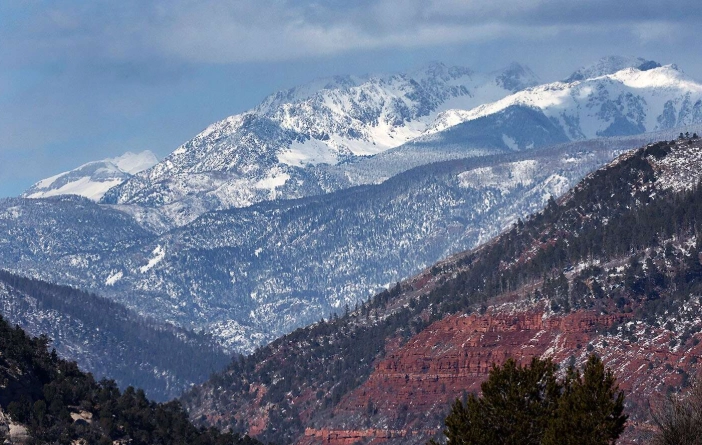
This isn't just about checking if it'll rain. It's about understanding a complex, beautiful, and occasionally furious mountain system where conditions can change valley by valley. Getting the San Juan Mountains weather forecast right isn't a convenience; it's a safety thing. So, let's ditch the fluff and talk about what you really need to know, season by season, valley by valley.
Why the San Juan Weather Has a Mind of Its Own
Before we dive into seasons, you gotta know why it's so unpredictable. It's not just "mountains are like that." The San Juans are a special case.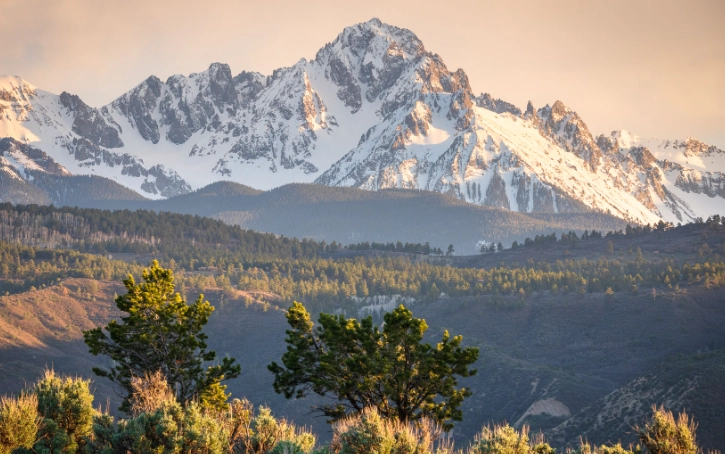
First, they're part of the Rocky Mountains, but they're more rugged and isolated than many other ranges. They create their own weather. Moist air gets pushed up the slopes, cools down rapidly, and boom—you have a cloud forming over one peak while the next basin is in full sun. This is called orographic lift, and it's the main actor in this daily drama. The second big player is the high elevation. Towns like Silverton and Telluride sit above 9,000 feet, and passes go well over 12,000. At that altitude, the sun is intense, but the air is thin and holds less heat. The temperature swing from day to night can be a staggering 40 degrees Fahrenheit.
I remember driving from Durango (a balmy 6,500 ft) up to Molas Pass (10,910 ft) one August afternoon. My car thermometer dropped from 85°F to 62°F in about 30 minutes of driving. That's the San Juan Mountains weather microclimate effect in real-time.
The Four Faces of the San Juans: A Seasonal Breakdown
Forget just winter and summer. Here’s what you can realistically expect—and plan for—during each season.
Winter (Late November - April): Deep Snow & Diamond Days
This is when the San Juans become a world-class snow magnet. The phrase "feet, not inches" applies here. The snowpack is legendary, fueling the ski areas at Telluride, Silverton, and Wolf Creek Pass (which famously gets some of the most snow in Colorado).
But it's not just about powder. Winter San Juan Mountains weather means intense cold, especially at night. Temperatures can plunge below zero, and wind chills on exposed ridges are no joke. The sun, however, is incredibly bright on clear days. You can get a sunburn and frostbite in the same afternoon if you're not careful.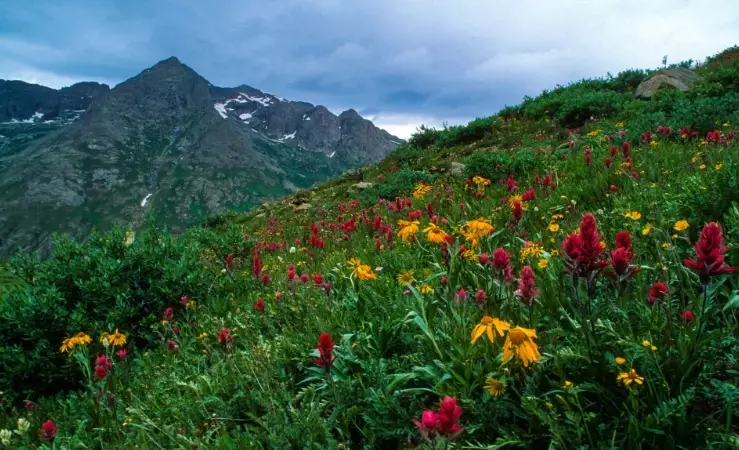
If you're coming for skiing or snowboarding, you're in for a treat. But for driving, especially on US-550 (the Million Dollar Highway), it's a serious undertaking. Road closures are common, and chains or 4WD with snow tires are often mandatory. Don't rely on your all-season tires from the city.
Spring (May - Mid-June): The Great Thaw & Mud Season
This is the most transitional and, frankly, messy season. In the valleys, you might see wildflowers and 60-degree days. But up high, winter is still firmly in charge. This disconnect is crucial.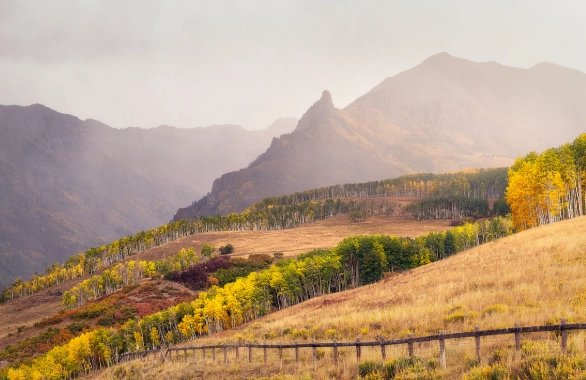
Lower-elevation trails near towns like Ridgway or the Animas River Valley might be dry and hikeable. But attempt a high-alpine trail like the one to Ice Lakes Basin near Silverton in May or early June, and you'll be post-holing through deep, rotten snow or facing dangerous avalanche conditions on steep slopes. Spring is prime avalanche season in the backcountry as the snowpack destabilizes.
The other hallmark? Mud. As the snow melts, dirt roads and trails turn to soup. Many national forest service roads are closed during this time to prevent catastrophic erosion. It's a season of patience, best for enjoying lower valleys, waterfalls at peak flow, and avoiding the high country.
Summer (Late June - August): Hiking Heaven & Afternoon Fury
This is the peak season for a reason. Days are long, wildflowers are spectacular, and most high trails become accessible (usually by late June or July). Daytime highs in towns can be a perfect 70-80°F.
Now for the critical San Juan Mountains weather rule you must memorize: The monsoon. From mid-July through August, moisture from the Gulf of California streams north, leading to a predictable pattern of clear mornings and building thunderstorms in the afternoon. I'm not talking about a little drizzle. These are serious, lightning-charged storms that roll in with shocking speed.
It's a rhythm you learn: alpine start, enjoy the brilliant morning, have lunch down in the trees by midday, and watch the show from a safe, lower vantage point. This pattern is so reliable it should dictate your entire daily itinerary.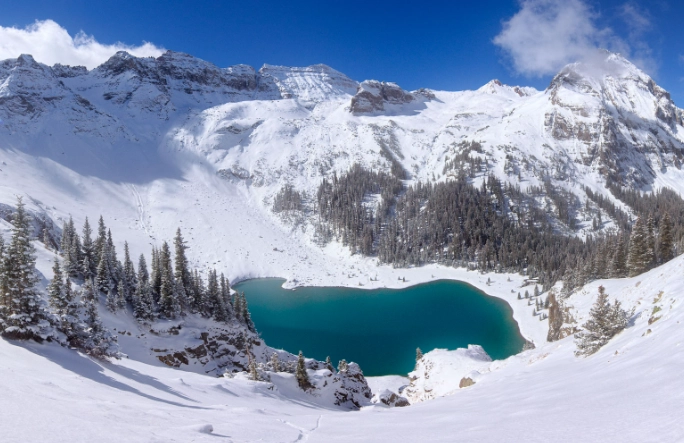
Fall (September - October): Golden Perfection & The First Frost
Many locals will whisper that this is the secret best season. The monsoon moisture fades, leading to stable, sunny days and crisp, cool nights. The aspen groves turn the mountainsides into a blazing tapestry of gold and orange. It's stunning.
Crowds thin out after Labor Day. Daytime temperatures are still pleasant for hiking—think 50s and 60s. But the kicker is the nights. Temperatures can drop below freezing, especially in September. That first dusting of snow on the highest peaks can come surprisingly early. The weather window is glorious but shorter than you think. By late October, winter is already knocking loudly at the door.
It's the ideal time for photography, backpacking without the monsoon anxiety, and scenic drives. Just pack a warm hat and a good sleeping bag if you're camping.
Decoding the Forecast: What to Actually Look For
Looking at a single weather app for "Telluride" won't cut it. Here’s how to get the real picture.
1. Check Multiple Locations: Don't just look at your base town. Check the forecast for the nearest high pass or the specific wilderness area. The NWS Grand Junction office has excellent point forecasts for mountains and passes. For backcountry, the Colorado Avalanche Information Center (CAIC) is essential in winter and spring.
2. The 3 Key Metrics (Beyond Temperature):
- Wind Speed & Gusts: 20 mph winds at 12,000 feet are brutal and can cause hypothermia even on a mild day.
- Precipitation Probability & Type: 40% chance of rain at 2 PM in July? Plan for a thunderstorm. In October, that might mean snow.
- Cloud Cover: A "mostly sunny" day at altitude still has intense UV. A "partly cloudy" summer day often means those building thunderheads.
3. Webcams Are Your Friend: Sites like CDOT's COtrip have highway webcams on major passes (Red Mountain, Molas, Wolf Creek). Seeing real-time conditions beats any forecast.
Packing for the San Juan Mountains Weather: The Layered Gospel
Packing wrong is the fastest way to ruin a trip. The magic word is layers. Here’s a no-nonsense list.
The Base Layer: Moisture-wicking fabric (synthetic or wool). Cotton is a death fabric here—it gets wet and stays wet, sucking heat from your body.
The Insulating Layer: A fleece or puffy jacket. This is your warmth trap. A lightweight down or synthetic puffy packs small and is a lifesaver when the sun dips behind a peak.
The Shell Layer: A waterproof and windproof jacket with a hood. Don't cheap out here. A $50 rain jacket from a big-box store will wet through in a true mountain storm. Get a quality Gore-Tex or similar waterproof-breathable shell.
Other Non-Negotiables:
- Sturdy Footwear: Hiking boots with good ankle support and traction.
- Sun Protection: SPF 50+ sunscreen, sunglasses (polarized are best), and a wide-brimmed hat. The sun is fierce.
- Headlamp: Days end, and getting caught in the dark off-trail is a bad situation.
- More Water Than You Think: The air is dry, and you dehydrate faster. I carry a 3-liter hydration bladder on full-day hikes, even in fall.
San Juan Weather By Area: Microclimates in Action
Not all parts of the range are the same. Here’s a quick cheat sheet.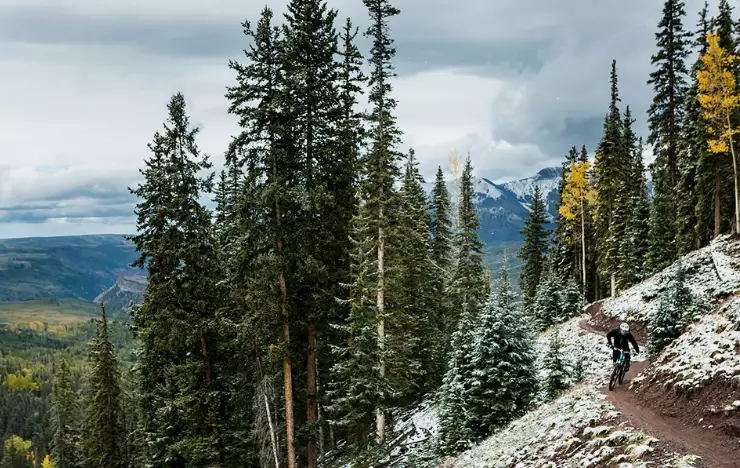
| Area / Town | Key Weather Traits | Best For (Season) | Watch Out For |
|---|---|---|---|
| Telluride & San Miguel Basin | Deep box canyon. Slightly more sheltered from some winds. Gets heavy snow. Stunning fall colors. | Summer hiking, fall foliage, winter skiing. | Summer monsoon storms can be intense in the high basins like Blue Lakes. |
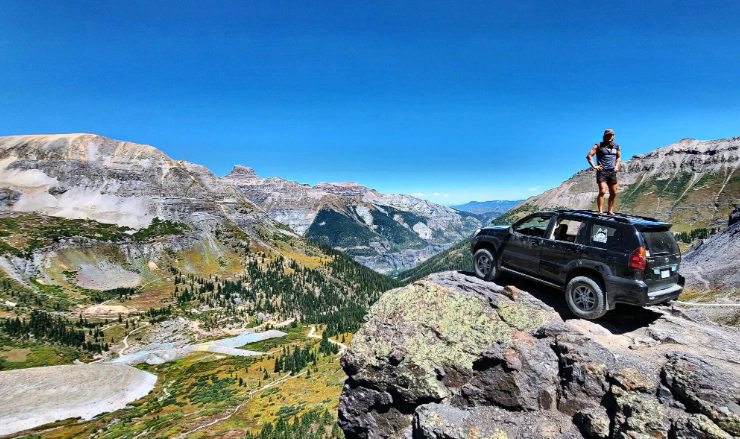
| Ouray & the Uncompahgre Gorge | "Switzerland of America." Slightly warmer thermal belt effect sometimes. Famous for ice climbing. | Year-round. Summer jeeping, winter ice climbing. | Heavy snow on Red Mountain Pass north of town. Icy roads in winter. |
| Silverton & the Animas River Headwaters | High, exposed, and remote. Gets hammered with snow. Temperatures are often cooler. | Advanced backcountry skiing, serious summer alpine hiking. | Rapidly changing conditions. Very short summer season at high elevations. |
| The Weminuche Wilderness | Vast, remote, and raw. Weather is most extreme and least predictable here. | Multi-day backpacking for the experienced. | Self-reliance is critical. No quick bailouts. Prepare for all conditions. |
| Durango & The Animas Valley | Lower elevation gateway. Warmer, drier, and more mild than the high country. | Spring and fall activities, mountain biking. | Can be deceivingly pleasant while the high peaks are storming. |
Your San Juan Mountains Weather Questions, Answered
Final Thoughts: Respect is the Rule
Writing this, I'm reminded of all the times the San Juan Mountains weather humbled me. It taught me to be prepared, to be flexible, and to have a Plan B (and sometimes a Plan C). These mountains aren't trying to be difficult; they're just operating on a scale and with a power that we flatlanders often underestimate.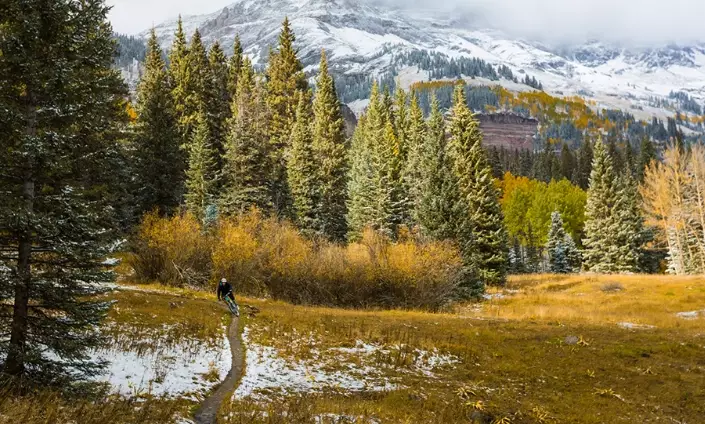
The reward for understanding and respecting their weather is unparalleled access to some of the most breathtaking landscapes in the Lower 48. You'll earn those views of craggy peaks, wildflower meadows, and silent, snow-dusted forests. So do your homework, pack that extra layer, start your hike early, and listen to what the sky is telling you. The San Juans are waiting, and they're worth every bit of preparation.
Stay safe out there and enjoy every minute of it—sun, rain, or snow.
Comments