You've seen the pictures. Those iconic sandstone buttes rising from a flat red plain, the definition of the American West. Monument Valley isn't just a place you visit; it's a feeling you experience. But let's be honest, planning a trip here can feel a bit daunting. It's not a typical national park; it's part of the Navajo Nation, with its own rules, rhythms, and profound cultural significance.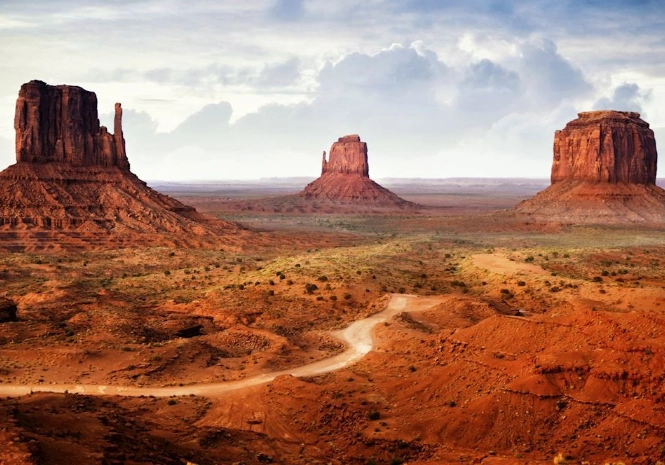
I've been multiple times, in different seasons, and made my share of mistakes so you don't have to. This guide cuts through the generic advice and gives you the nitty-gritty details to plan an unforgettable, respectful visit.
What's Inside This Monument Valley Guide
How to Get to Monument Valley
First things first, pin down the location. Monument Valley Navajo Tribal Park straddles the Arizona-Utah border. The main entrance and visitor center are in Arizona. There's no major airport right next door, so you're driving.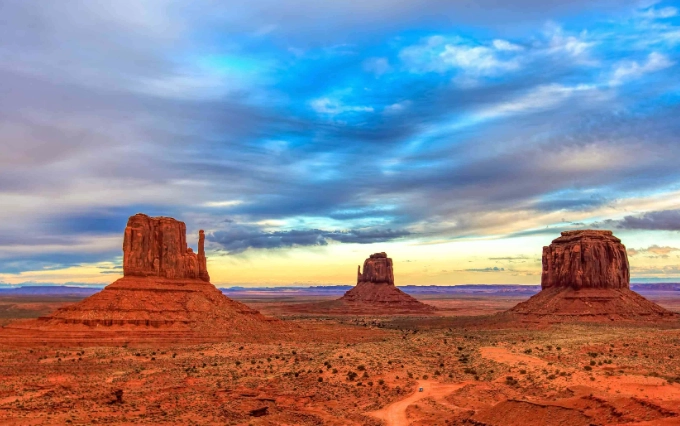
Nearest Major Towns:
- Page, Arizona: ~2 hours drive (120 miles). Home to Antelope Canyon and Horseshoe Bend. A common hub.
- Moab, Utah: ~2.5 hours drive (150 miles). Gateway to Arches and Canyonlands National Parks.
- Flagstaff, Arizona: ~3 hours drive (180 miles). Has a larger airport (FLG) with connections.
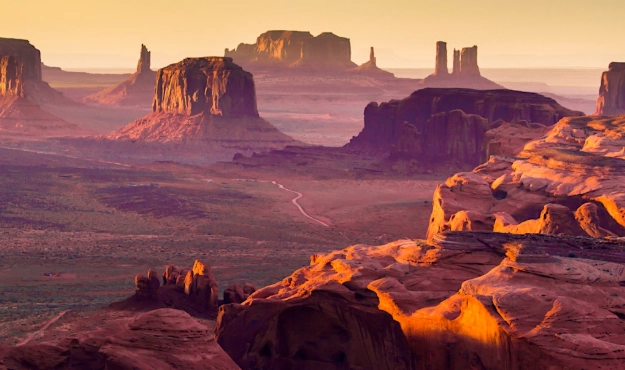
The Best Time to Visit: Weather & Crowds
This isn't a casual decision. The valley's mood shifts dramatically with the seasons.
Spring (April-May) & Fall (September-October)
The sweet spot. Daytime temperatures are pleasant (60s-80s°F). Nights are cool. Crowds are manageable, though spring break and fall foliage can bring peaks. The light is perfect for photography—clear skies and long shadows. This is when I recommend going if you have the flexibility.
Summer (June-August)
It's hot. We're talking 90-100°F (32-38°C) regularly. The sun is brutal with minimal shade. However, this is also monsoon season. Afternoon thunderstorms can roll in, creating dramatic skies and lighting that is pure magic for photographers. The risk? Dust storms and flash floods can close roads. Hydrate like it's your job and plan activities for early morning and late afternoon.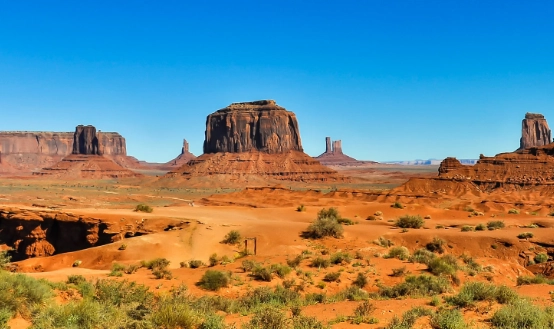
Winter (November-March)
Crowds are thin, and hotel prices drop. But it's cold, especially at night, with potential for snow and ice. The low winter sun casts a beautiful, soft, golden light all day long. Some tour operators have reduced schedules. The visitor center has shorter hours (typically 8 AM - 4:30 PM). Check the Navajo Nation Parks & Recreation website for current info.
Tours vs. Self-Drive: Making the Right Choice
This is the biggest decision you'll make. Here’s a blunt comparison.
| Feature | Self-Driving the 17-Mile Loop | Guided Navajo Tour |
|---|---|---|
| Cost | Just the $20 park entry fee. | $75 - $150+ per person for a standard 2-3 hour tour. |
| Access | Stays on the main dirt road. You cannot leave your vehicle except at designated pull-outs. | Goes off-road into restricted areas (e.g., close to buttes, into Mystery Valley). Often includes a stop at a traditional hogan. |
| Road Condition | Rough, washboard dirt road. Requires slow driving. Hard on rentals. Not recommended for low-clearance vehicles after rain. | You ride in an open-air truck or van. The guide handles the rough terrain. |
| Experience | Scenic, but impersonal. You're observing from a distance. | Immersive. Guides share stories, history, and cultural insights you'd never get otherwise. |
| Best For | Budget travelers, those with tight schedules, or people who simply want the classic drive-through photo ops. | First-time visitors, photographers, anyone wanting a deeper understanding of the land and people. |
My take? If it's your first and possibly only visit, book a guided tour. The cultural context is invaluable. The most popular operators (like Goulding's Tours or Simpson's Trailhandler Tours) book up, so reserve in advance.
A Practical One-Day Itinerary
Assuming you're driving in from Page or Moab, here's how to make the most of a single day.
7:00 AM: Depart your hotel. Aim to arrive by 9:30 AM.
9:45 AM: Arrive at the Monument Valley Tribal Park visitor center. Pay the entry fee. Use the facilities—options on the drive are limited. Browse the gift shop for authentic Navajo crafts.
10:15 AM: Start your pre-booked 3-hour guided tour. The midday light is harsh for photos, but the guide's knowledge compensates.
1:30 PM: Tour ends. Have lunch at The View Restaurant (inside The View Hotel). The food is decent, but you're here for the panoramic window seats overlooking the Mittens and Merrick Butte. No reservation needed for the restaurant.
3:00 PM: Now, drive the 17-mile Valley Drive yourself. You'll see the landmarks with new eyes after the tour. Take your time at pull-outs like John Ford's Point (often a Navajo cowboy on horseback available for photos for a tip).
5:30 PM: Position yourself for sunset. The parking lot of The View Hotel is a popular free spot. For something quieter, find a legal pull-out along the road before the park entrance.
7:00 PM: Begin the drive back. It's dark on these remote roads, so drive carefully.
Where to Stay Near Monument Valley
You have two real choices: stay inside the park or just outside it.
Inside the Park: The View Hotel is the only one. You book directly through their website. It's not a luxury resort—rooms are simple but clean. What you're paying for is the balcony view. Waking up to sunrise over the Mittens from your bed is an experience that justifies the price. Book months in advance, especially for peak seasons.
Outside the Park (5-10 minute drive): Goulding's Lodge is the historic alternative. It has a trading post, museum, restaurant, and more of a resort feel. The views are good, but not the direct, in-your-face panorama of The View. They also run excellent tours. Other options include basic motels like Hampton Inn & Suites in Mexican Hat.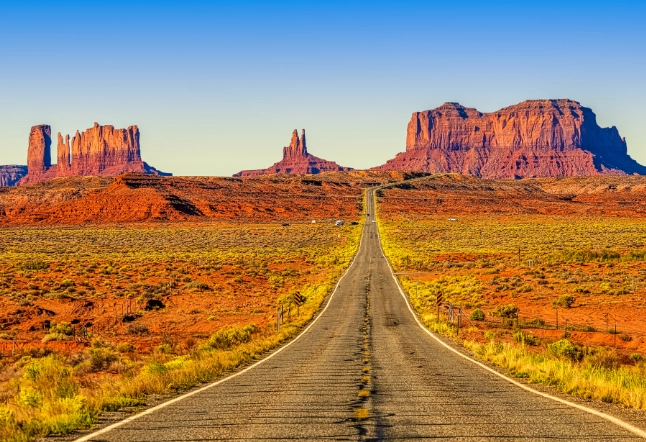
Essential Photography Tips (Beyond the Postcard Shot)
Everyone gets the classic shot from the visitor center overlook. Here’s how to make your photos stand out.
Light is Everything: The hour after sunrise and before sunset is non-negotiable. The red rocks glow. Midday light flattens everything. Use a polarizing filter to cut haze and deepen the blue sky.
Foreground Interest: A lone juniper tree, a pattern in the sand, a reflection in a puddle after rain—these elements add depth and story to the vast landscape.
The "Secret" Spot: For a different perspective, drive a few miles east on Highway 163 from the visitor center. Pull over safely. Looking back west, you get a magnificent, less-photographed view of the valley skyline. It's especially good at sunset.
Respect People: Always, always ask permission before photographing Navajo people, especially vendors or craftspeople. A smile and a nod go a long way. Offering to buy a small item as a thank you is good practice.
Navajo Nation Cultural Etiquette
This is the most important section. You are a guest on sovereign land with deep spiritual significance.
- Stay on Marked Trails/Roads: Do not climb on the rock formations. It's disrespectful and dangerous.
- No Drones: The use of drones is strictly prohibited without a permit from the Navajo Nation. Don't even pack yours.
- Leave Everything as You Found It: Do not collect rocks, plants, or artifacts. It's not just bad form; it's often illegal.
- Listen to Your Guide: If a guide says an area is off-limits or explains a cultural practice, respect it without debate.
- Support the Local Economy: Buy directly from Navajo artisans at the visitor center or roadside stands, not from imported souvenir shops in other towns.
The landscape isn't a museum exhibit. It's a living home. Tread lightly.
Your Monument Valley Questions, Answered
What is the best way to experience Monument Valley for first-time visitors?
Is Monument Valley worth visiting for a photography tour if I'm a beginner?
What is one major cultural mistake tourists make in Monument Valley?
Can you visit Monument Valley in one day from Page, Arizona or Moab, Utah?
Comments