Quick Guide to the Great Salt Desert
- Location and Scale: Just How Big is This Place?
- Geology and Formation: How Did This Salt Wasteland Come to Be?
- Landscape and Features: What Does It Actually Look Like?
- Climate and Ecology: How Does Anything Survive?
- Tourism and Exploration: Can You Actually Visit?
- Safety, Preparation, and Respect
- Common Questions About the Great Salt Desert
- Final Thoughts on a Harsh Wonder
Let's cut right to the chase. If you've ever looked at a satellite map of Iran and seen that huge, pale, seemingly empty patch in the center... that's it. That's what is known as the Great Salt Desert. Its local name is Dasht-e Kavir, and honestly, the word "desert" doesn't quite do it justice. It's more of a sprawling, otherworldly salt pan that feels like it belongs on Mars, not Earth. I remember first reading about it in an old National Geographic and thinking it was some exaggerated description. Then I saw the photos. It's not an exaggeration.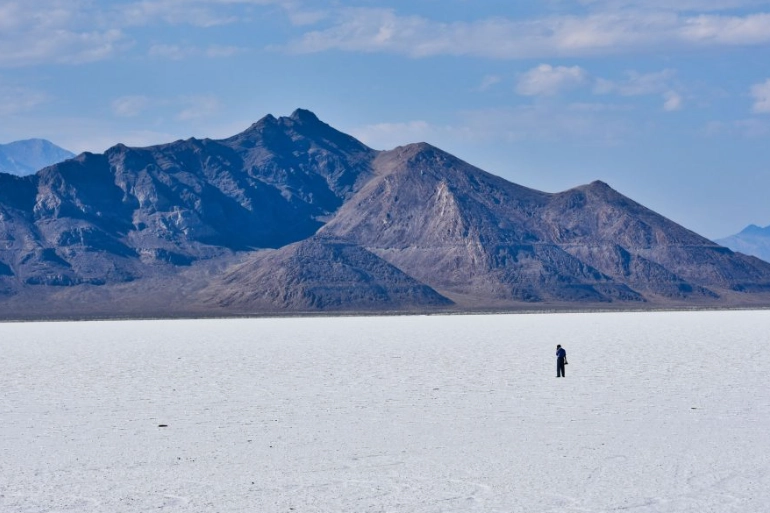
This isn't your typical sandy Sahara-like desert. Imagine a cracked, white crust stretching to the horizon, shimmering under a relentless sun. In some places, it's hard salt flats. In others, it's treacherous mud disguised by a thin salt layer (they call these "kavirs," and you do NOT want to step in one). It's a place of extreme silence, extreme heat, and extreme beauty that borders on the hostile. For centuries, it formed a natural barrier, isolating communities and shaping Persian history. Today, it's a destination for the most intrepid travelers and a fascinating subject for geographers.
Location and Scale: Just How Big is This Place?
You can't talk about what is known as the Great Salt Desert without getting a sense of its sheer size. It's massive. We're talking about an area of roughly 77,600 square kilometers (about 30,000 square miles). To put that in perspective, it's larger than the entire country of Sierra Leone, or about the size of South Carolina. It sits right in the heart of the Iranian Plateau, bounded by the massive Alborz and Zagros mountain ranges. These mountains are key players—they trap moisture, creating a rain shadow that makes the central plateau a dry, closed basin.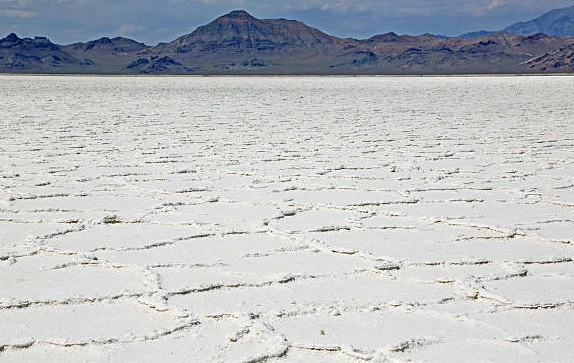
The main basin, the core of what is known as the Great Salt Desert, is centered around a place called Darya-ye Namak (the Salt Lake). It's not a lake you'd want to swim in; it's mostly a seasonal wetland and salt marsh that turns into a vast, blinding-white plain in the summer. The desert sprawls across several Iranian provinces, including Semnan, Isfahan, and Yazd. The city of Semnan is often called the gateway to the Dasht-e Kavir.
Size matters here. Its scale is what defines its climate, its ecology, and its formidable reputation.
The Neighbor: Dasht-e Lut
You'll often hear Dasht-e Kavir mentioned alongside its southeastern neighbor, the Dasht-e Lut. While both are major Iranian deserts, they're siblings with very different personalities. The Lut is hotter (holding world record ground temperatures), sandier, and famous for its massive sand dunes and surreal yardang formations (wind-sculpted ridges). The Kavir, what is known as the Great Salt Desert, is characterized by its salt. The Lut is about sand and heat; the Kavir is about salt, mud, and a different kind of harsh beauty. The U.S. Geological Survey has some fascinating comparative studies on these two desert systems, highlighting how different geological processes create distinct landscapes even within the same climatic region.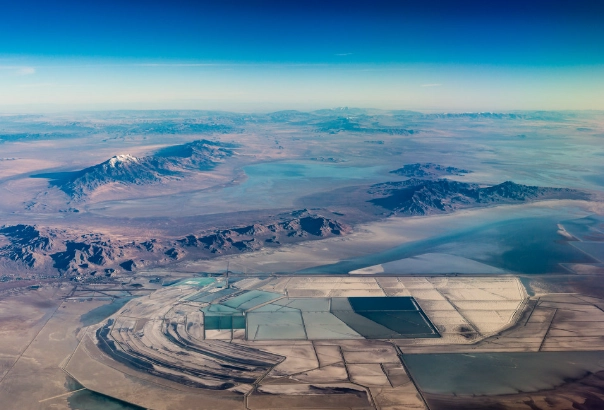
Geology and Formation: How Did This Salt Wasteland Come to Be?
This is where it gets really interesting. The story of what is known as the Great Salt Desert is a slow-motion geological drama spanning millions of years. It's not a random patch of salt; it's the direct result of the region's tectonic history.
Millions of years ago, this area was part of the ancient Tethys Ocean. As the tectonic plates shifted, the ocean retreated, but it left behind a thick layer of marine sediments and salt deposits. Then, the land itself got pushed upward, forming the Iranian Plateau. Here's the crucial part: it became a closed basin. Rivers and streams flow down from the surrounding mountains (like the Alborz) into the center, but there's no outlet to the sea. The water has nowhere to go.
So what happens? The sun beats down—and it beats down hard. The water evaporates at an incredible rate, leaving behind all the minerals and salts it carried from the mountains. Over millennia, this process created the thick salt crust we see today. It's a continuous cycle: water flows in, evaporates, deposits salt. Rinse and repeat for a few million years. The USGS publications on evaporite basins explain this process in detail, showing how the Dasht-e Kavir is a textbook example of a continental playa.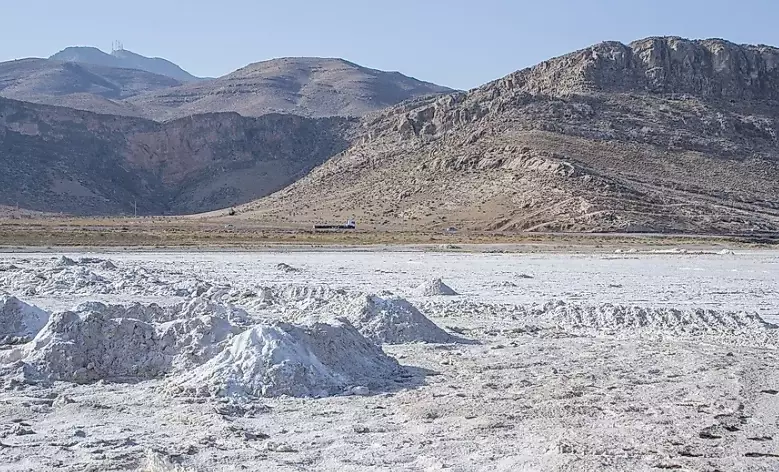
Key Mineral Composition
The salt isn't just table salt (sodium chloride). The evaporation process concentrates all sorts of minerals. Testing the crust reveals a mix of:
- Halite: That's your common salt, the main component.
- Gypsum: Gives some areas a softer, layered look.
- Marl: A mix of clay and calcium carbonate, contributing to the mudflats.
- Other evaporites: Like sylvite and carnallite in some areas.
This mineral diversity is why the landscape isn't uniformly white. You get streaks of brown, grey, and even reddish hues, especially where iron oxides are present. From above, via NASA's Earth Observatory images, it looks like a giant, abstract painting.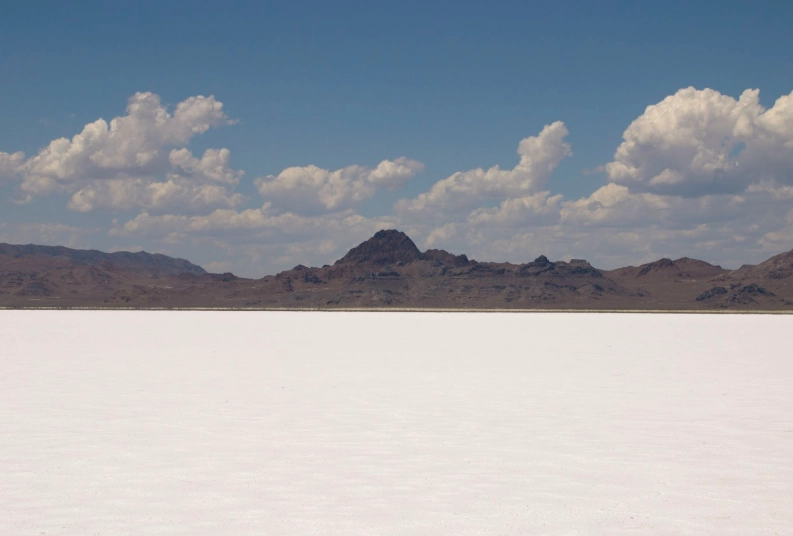
Landscape and Features: What Does It Actually Look Like?
Describing the landscape of what is known as the Great Salt Desert is challenging because it's so varied and alien. If you're picturing rolling sand dunes, you're in the wrong desert. The Kavir's beauty is more stark and geometric. Here’s a breakdown of what you'd encounter:
The Salt Flats (Playa)
Vast, flat expanses of hard, cracked salt crust. When dry, it's like walking on a giant, white tile floor that stretches to infinity. The polygonal cracks form naturally as the salt dries and contracts. It's surreal and incredibly photogenic, especially at sunrise or sunset when the low light casts long shadows.
The Kavir (Mudflat)
The deceptive and dangerous part. A thin, brittle salt crust hides water-logged, sticky mud beneath. It's a trap for the unwary. These areas are often marked by a lack of the prominent polygonal cracks and can have a slightly darker, smoother appearance.
Sand Dunes and Nebkhas
Yes, there are some sand dunes, particularly on the edges where the desert meets other geological formations. You also find nebkhas—small dunes that form around desert shrubs. The plant traps wind-blown sand, creating a small, stable hill that protects the plant. It's a neat example of life shaping the landscape.
Seasonal Rivers and Springs
It's not completely dead. Short, violent rainfall in the mountains can send flash floods (seyls) rushing into the basin. These create temporary rivers and can fill shallow depressions. There are also rare, isolated springs (cheshmehs) that support small oases. Finding one feels like a miracle.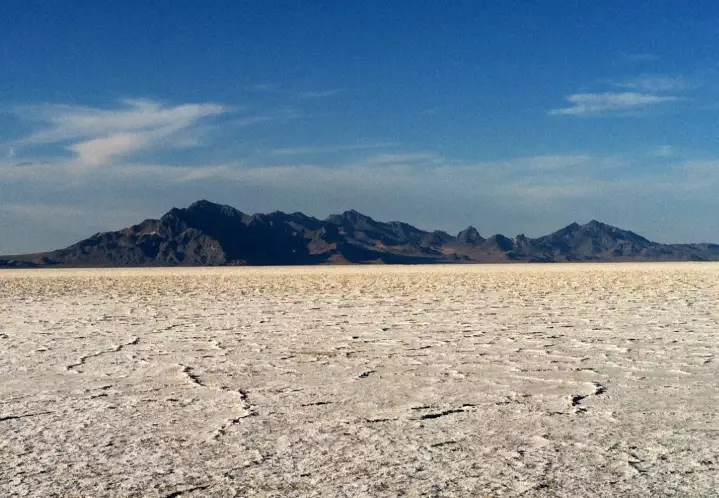
| Landscape Feature | Description | Key Characteristic | Accessibility/Safety |
|---|---|---|---|
| Central Salt Playa | Vast, hard, white salt crust with polygonal cracks. | Extremely flat, highly reflective. | Accessible on foot or sturdy vehicle when dry. Blindingly bright. |
| Peripheral Kavir (Mudflat) | Soft, wet mud under a thin salt crust. | Deceptively solid-looking. Treacherous. | Extremely hazardous. Avoid unless with expert local guide. |
| Sand Dune Fields | Areas of accumulated sand, often near edges. | Golden dunes contrasting with white salt. | Accessible, but easy to get disoriented. |
| Seasonal Riverbeds (Wadis) | Dry channels that can flood rapidly after rain. | Linear cuts in the landscape with some vegetation. | Good for navigation but dangerous during rain. |
| Salt-Encrusted Hills | Low hills covered in a thick salt layer. | Sparkling, jagged formations. | Rugged hiking, sharp salt crystals can cut. |
I recall standing on the edge of one of these salt flats back in 2019. The silence was absolute, broken only by the crunch of salt under my boots. The heat haze made the distant mountains dance. It was beautiful, but it also felt profoundly indifferent. You're a guest here, and the rules are strict.
Climate and Ecology: How Does Anything Survive?
Let's be blunt: the climate of what is known as the Great Salt Desert is brutal. It's the definition of a "cold desert" climate, but don't let the "cold" part fool you—it refers to the winters. The extremes are staggering.
- Summer (June-August): This is when the desert earns its fearsome reputation. Daytime temperatures routinely soar above 40°C (104°F), with ground temperatures much higher. I've seen reports of 50°C (122°F) in the shade, and there is no shade. The air is dry, and the sun is merciless.
- Winter (December-February): It flips. Nights can be bitterly cold, with temperatures dropping well below freezing. Frost is common. The diurnal temperature range (difference between day and night) is one of the largest on Earth.
- Precipitation: Pathetic. Less than 100 mm (4 inches) per year, and it often comes in brief, intense downpours that cause flash floods. Most of the time, the sky is a relentless, clear blue.
So, what lives here? More than you'd think, but it's all adapted to the extremes.
Flora
Vegetation is sparse and tough. You find drought-resistant shrubs like sagebrush, and hardy grasses that spring to life briefly after a rare rain. The star players are the halophytes—plants that can tolerate salty soil. They have deep roots to tap groundwater and often have small, waxy leaves to reduce water loss.
Fauna
The animal life is elusive and mostly nocturnal to avoid the daytime heat. This includes:
- Iranian cheetah: Critically endangered, with a tiny population surviving on the desert fringes. A flagship conservation species.
- Asiatic wild ass (Onager): Beautiful, hardy equines that roam the edges.
- Sand cats, foxes, and wolves: Skilled predators adapted to the harsh conditions.
- Reptiles: Various lizards and snakes, like the horned viper, perfectly camouflaged in the sand and salt.
- Birds: Raptors like eagles and falcons, plus hardy desert birds like the houbara bustard.
Seeing any of these in the wild is a rare privilege and speaks to the desert's hidden vitality.
Tourism and Exploration: Can You Actually Visit?
This is the big question for many readers. Can you visit what is known as the Great Salt Desert? The answer is a qualified yes, but this is not a casual beach holiday. It's an expedition.
Forget any idea of a leisurely stroll. This is serious adventure travel.
When to Go
The only viable windows are the shoulder seasons:
- Spring (March to April): My personal recommendation. Temperatures are mild, and if you're lucky, you might catch some ephemeral wildflowers on the periphery.
- Autumn (October to November): Similarly mild, with stable weather.
Avoid summer at all costs unless you have a death wish and a professional support team. Winter days are pleasant but nights are extremely cold, requiring serious camping gear.
How to Visit (The Right Way)
Rule #1: Do not go alone. Seriously. Don't. The risks of getting lost, stuck, or dehydrated are too high. The standard and safest approach is to book with a reputable Iranian adventure tour operator based in cities like Tehran, Isfahan, or Yazd. These companies provide:
- Experienced local guides who know the terrain and its dangers.
- Proper 4x4 vehicles (like Toyota Land Cruisers) equipped for desert travel.
- Logistical support: water, food, fuel, and satellite communication.
- Permissions and knowledge of accessible areas.
Rule #2: Start from the edges. Full traverses of the central Kavir are for scientific expeditions only. Most tours operate on the fringes, visiting accessible salt flats, canyons, and desert villages.
Key Attractions on the Fringes
- Maranjab Desert: A popular and relatively accessible area near Kashan, featuring sand dunes, a caravanserai, and salt lake views. Great for a first taste.
- Rig-e Jenn ("Dunes of the Jinn"): A vast, mysterious dune field on the edge of the Kavir, steeped in folklore about spirits and getting lost. It's spectacular.
- Kavir National Park: A protected area on the northern edge. One of the best places to potentially see wildlife like the onager. Managed by Iran's Department of Environment.
- Ancient Caravanserais: Reminders of the Silk Road era, like the Robat Caravanserai. Stark, lonely buildings that tell stories of past travelers braving the desert.
- Villages like Garmeh and Farahzad: Oasis villages with stunning traditional mud-brick architecture, palm groves, and incredible hospitality. Staying in a traditional guesthouse here is a highlight.
Safety, Preparation, and Respect
If you're planning to see what is known as the Great Salt Desert for yourself, preparation is everything. This environment does not forgive mistakes.
Essential Gear Checklist
- Water: A minimum of 5-6 liters per person, per day. More is better. Your vehicle should carry a massive reserve.
- Sun Protection: High-SPF sunscreen, lip balm, wide-brimmed hat, sunglasses (polarized), and long, loose, light-colored clothing to cover your skin.
- Footwear: Sturdy, ankle-supporting hiking boots. The salt crust can be sharp.
- Navigation & Communication: GPS device (with pre-loaded maps), physical maps, and a satellite phone or emergency beacon. Cell service is nonexistent.
- Vehicle: A reliable, high-clearance 4x4 with full recovery gear (shovels, sand tracks, tow straps), multiple spare tires, and extra fuel.
- First-Aid Kit: Comprehensive, including supplies for cuts, dehydration, and heatstroke.
Critical Safety Rules
- Never drive on anything that looks dark or smooth. It's likely a kavir (mudflat). Stick to established tracks or hard, cracked salt.
- Always travel with at least two vehicles. If one gets stuck or breaks down, the other can go for help.
- Inform someone of your itinerary and expected return. Leave a detailed plan with your hotel or tour company.
- Conserve water and energy. Move slowly, rest in the shade of your vehicle during peak heat.
- Respect the environment. This is a fragile ecosystem. Pack out ALL your trash. Do not disturb wildlife. Leave no trace.
I have a friend who runs tours out there, and his number one rule is: "The desert is the boss. You are just visiting. If it tells you to stop, you stop." He's seen too many overconfident travelers get into serious trouble.
Final Thoughts on a Harsh Wonder
So, what is known as the Great Salt Desert? It's not just a geographical feature on a map. It's a experience. It's a lesson in geology, showing us the slow, powerful processes that shape our planet. It's a test of resilience for the life that clings to its edges. And for the rare traveler who ventures there respectfully, it's a reminder of the raw, untamed beauty that still exists in the world.
It's not for everyone. It's harsh, demanding, and requires serious planning. But if you're captivated by extreme landscapes, drawn to silence, and respect the power of nature, then understanding—or even cautiously visiting—the Dasht-e Kavir is an unforgettable chapter in any traveler's book. Just remember to bring more water than you think you'll need, a good guide, and a deep sense of respect for this magnificent, salty wilderness.
Maybe start by exploring the fantastic imagery and data from NASA's tagged images of Dasht-e Kavir or reading travelogues from reputable sources like Lonely Planet. Get a sense of it from afar first. The desert isn't going anywhere. It's been there for millions of years, and it'll wait for you to prepare properly.
Comments