So you're planning a trip to Roosevelt Lake, or maybe you just heard about it and are curious. One of the first questions that pops into anyone's head is, "How full is Lake Roosevelt in Arizona right now?" It's a smart question to ask. This isn't some tiny pond that stays the same year-round. Roosevelt Lake is Arizona's largest lake contained entirely within the state, and its water level dances to the tune of snowmelt, rain, and water release schedules. The answer changes, sometimes dramatically, with the seasons and the years.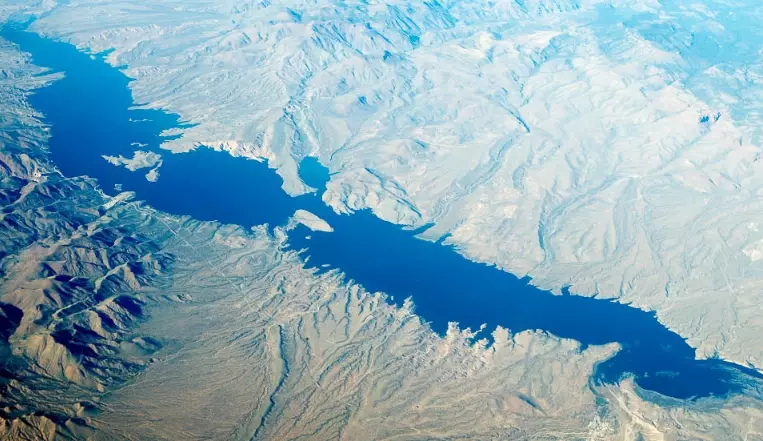
I remember driving up there a few years back in late summer, expecting the sprawling reservoir I'd seen in pictures, only to find the water line had retreated significantly, exposing a wide band of red earth. The marinas were still operating, but the landscape told a different story. It completely changed what parts of the shoreline were accessible. That's why knowing the lake's fullness isn't just trivia—it directly shapes your experience, whether you're launching a boat, casting a line, or picking a campsite.
The Short Answer (As of My Last Check)
Lake Roosevelt is typically between 60% and 95% full in a "normal" year, with peak fullness occurring in late spring after the snow melts. However, "normal" has been elusive lately. To get the real-time, precise answer to "how full is Lake Roosevelt," you need to check the official source, which I'll show you exactly how to do below.
Why Does the Water Level in Lake Roosevelt Change So Much?
To really understand how full is Lake Roosevelt in Arizona, you have to know what controls the tap. It's not a natural lake; it's a reservoir created by the Roosevelt Dam on the Salt River. Its primary job is water storage and management for the Phoenix metropolitan area and surrounding communities. That means human decisions are as important as nature's whims.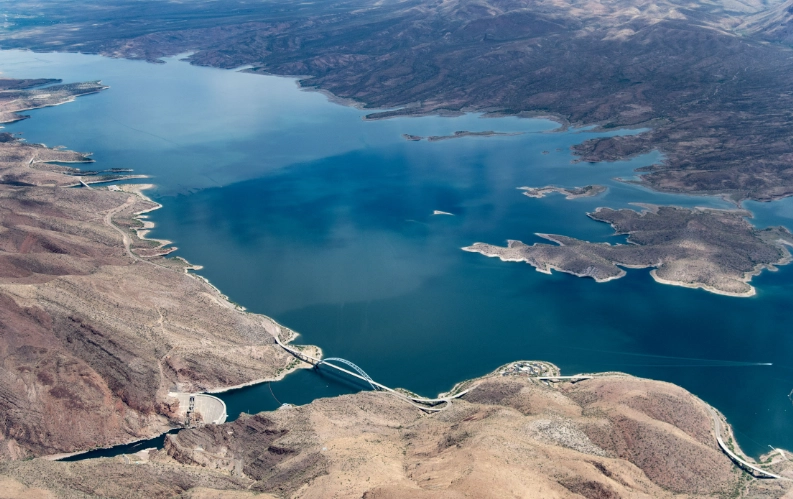
Think of it like a giant bathtub with a few different faucets and a big drain.
The Three Main Faucets (What Fills the Lake)
- Snowmelt from the Salt and Verde River Watersheds: This is the big one. The winter snowpack in the mountains north and east of Phoenix is the lake's lifeblood. A heavy snow year usually means a big rise in the lake level come spring. A weak snow year? You can guess the rest.
- Monsoon Rains: Arizona's famous summer thunderstorms (July-September) can deliver intense, localized rainfall directly into the lake and its feeder streams. These can cause sudden, sharp bumps in the water level, though the effect is often more temporary than snowmelt.
- Releases from Upstream Dams: Water is sometimes released from smaller upstream reservoirs, like Apache Lake, which flows directly into Roosevelt.
The Big Drain (What Lowers the Lake)
This is where the "reservoir" part comes in sharp focus.
- Water Deliveries to the Valley (Phoenix area): This is the main purpose. Water is released downstream through the Salt River Project (SRP) system to be treated and used for homes, businesses, and agriculture. The demand is highest in the hot, dry summer months, which is why you often see the lake level gradually decline from its spring peak through fall.
- Hydroelectric Power Generation: The Roosevelt Dam has generators. When water is released for deliveries, it often generates electricity on the way—a useful byproduct.
- Evaporation: It's the Arizona sun. A massive surface area of water under that heat means millions of gallons lost to the sky every day, especially in peak summer.
Key Insight: The annual cycle is fairly predictable: Fill up in spring, draw down through summer and fall. The real variable is *how much* it fills up. That's what everyone tracking Roosevelt Lake water levels is really watching.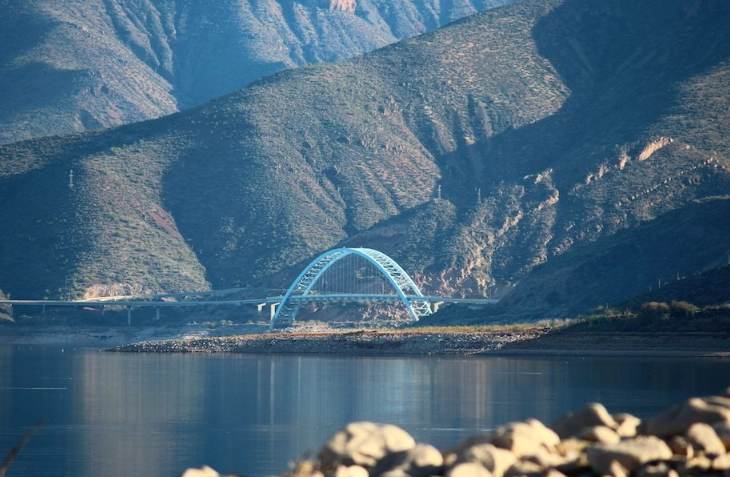
How to Check the Current Lake Roosevelt Water Level Yourself
Don't just rely on a blog post that might be outdated (even this one—I'll teach you to fish instead of just giving you a fish). Getting the current data is easy and free. This is the most important practical tip I can give you.
The absolute best and most authoritative source is the U.S. Bureau of Reclamation. They operate the dam and maintain the official data. Here’s exactly how to find it:
- Go to the Bureau of Reclamation's official website.
- Use their data portal or search for "Roosevelt Dam" or "Salt River Project Reservoir Data."
- You'll find a page showing key metrics for Roosevelt Lake (often listed as "Roosevelt Dam").
What to look for on that page:
| Data Point | What It Means | Why You Care |
|---|---|---|
| Elevation (ft above sea level) | The actual height of the water surface. The lake is "full" at around 2,151 ft. | The raw number used by engineers. A change of a few feet can mean a lot of water. |
| Storage (Acre-Feet) | Total volume of water in the lake. 1 acre-foot = ~326,000 gallons. | This is the "how much water" number. Capacity is about 1.65 million acre-feet. |
| % of Capacity | This is the direct answer to "how full is Lake Roosevelt?" | The most intuitive number for planning. 80% = mostly full, 50% = noticeably lower. |
| Inflow & Outflow (cubic feet/sec) | How much water is flowing in and out right now. | Tells you if the level is rising, falling, or stable at this moment. |
Bookmark that page. It's your go-to. For a more visitor-friendly summary that also talks about conditions, the Arizona State Parks page for Roosevelt Lake often has updates, and local marina websites (like Roosevelt Lake Marina) will post notices about ramp conditions and water levels that affect boaters directly.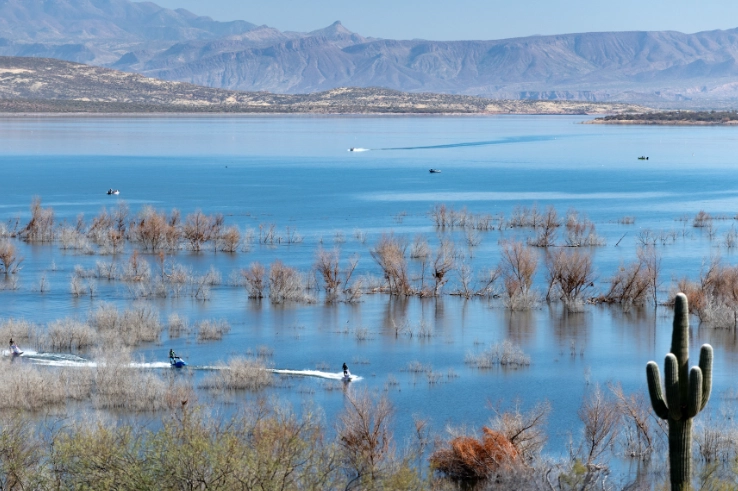
What Does the Water Level Mean for Your Visit?
Okay, so you've looked up the percentage. What now? How does a 70% full lake feel different from a 95% full lake? Let's break it down by activity.
For Boaters and Water Sports
This is where the impact is most direct.
- High Water Level (85%+): This is ideal for most boaters. More coves and inlets are navigable. Boat ramps are fully submerged and easy to use. Hazards like submerged rocks or old tree stumps are deeper underwater, posing less risk. The lake simply feels bigger and more open.
- Medium Water Level (60%-85%): Still perfectly fine for boating, but you need to be a bit more mindful. Some secondary boat ramps might become unusable or tricky. Familiar shorelines will look different—you might see beaches that weren't there before. Those hidden hazards get a bit closer to the surface.
- Lower Water Level (Below 60%): Now planning is crucial. Primary ramps at the main marinas will still function, but the incline gets steeper. Some ramps may close. Vast areas of the lakebed can become exposed, creating new "islands" and peninsulas. Navigation becomes hazardous if you don't know the area, as old roads, foundations (from the towns flooded to create the lake), and rock piles can emerge. Always go slow in unfamiliar areas.
Boat Ramp Advisory: Always, and I mean always, call the marina you plan to launch from (like Roosevelt Lake Marina or Cholla Marina) or check Arizona State Parks alerts the day before your trip. A sudden drop in level can make a ramp unsafe or unusable overnight. I've seen people have to turn their trailers around because they didn't check.
For Anglers (Fishermen & Women)
Fishermen are philosophers about water levels. Some love it high, some swear by it low.
- High Water: Fish have more territory. They can spread into flooded brush, trees, and newly submerged vegetation, which is fantastic cover for bass and crappie. Finding them can be trickier because they're so scattered, but the potential for big fish in that new cover is high.
- Falling Water: This often concentrates fish. As the water recedes, fish are forced out of the shrinking cover and into more defined channels, points, and drop-offs. This can make them easier to locate and pattern.
- Low, Stable Water: Structure like rock piles, creek channels, and humps that are deep underwater when the lake is full can become prime, targetable spots. You can literally see the layout of the lake floor better. The fishing can be excellent and more predictable, but the fish may be more pressured if they're concentrated in fewer areas.
Local fishing reports are gold here. A forum like Arizona Fishing Guides or a local bait shop's Facebook page will have people discussing what's working at the current lake level.
For Campers and Shore Visitors
Campgrounds managed by Arizona State Parks (like Windy Hill, Cholla, and Schoolhouse) are on high ground, so they're generally unaffected. However, the dispersed shoreline camping (where you can just pull off and camp) changes dramatically.
A low Lake Roosevelt water level can create huge, flat, sandy/gravelly beaches perfect for setting up a large group camp right by the water's edge—spots that are simply underwater when the lake is full. The flip side is that your favorite secluded cove from last year might be a dry canyon this year. Exploring is part of the fun.
Historical Context: Is Roosevelt Lake Usually Full?
Let's talk history, because it explains a lot about the current situation. Roosevelt Lake was completed in 1911. It's seen it all.
The lake famously filled to 100% capacity and even spilled over the dam's emergency spillway in the wet years of the early 1990s. That's the image of a "full" Roosevelt Lake many people remember. However, the early 21st century brought a profound, prolonged drought to the Southwest.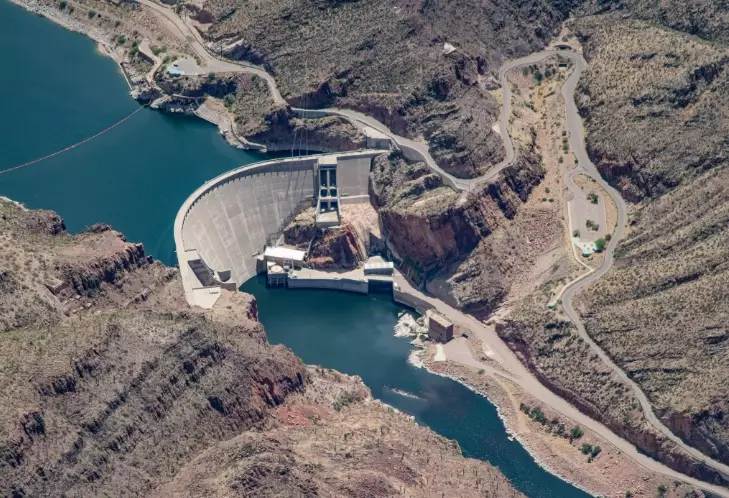
During the worst of the drought, in the early 2000s, the lake level dropped alarmingly low, at one point dipping below 30% capacity. That exposed the ancient masonry of the original Roosevelt Dam (which was encased in concrete during a 1990s upgrade) and drastically changed the ecosystem and recreation.
Recent years have been a rollercoaster of wet and dry winters. A series of good snowpacks can bring it back up to the 80-90% range, giving everyone hope. Then a couple of dry years can pull it back down. The long-term trend, influenced by larger climate patterns, is toward greater variability and stress on water supplies.
So, to answer "how full is Lake Roosevelt in Arizona *usually*?"—there's no stable "usual" anymore. It's a system in flux, responding to both annual weather and long-term climate shifts.
Common Questions About Roosevelt Lake Water Levels
Usually, it's due to planned releases by the Salt River Project (SRP) to meet downstream water orders, especially for agricultural irrigation in the summer. They can release thousands of acre-feet per day. A rapid rise is usually from a big rain event or snowmelt surge.
Not always, but it's the defining pressure. The drought has reduced the long-term average inflow. The lake is more vulnerable to a string of dry years and takes longer to recover. A single great snow year can work wonders, but it might take several to truly replenish the system fully.
Typically late April through early June. This is after most of the mountain snowpack has melted and flowed down the Salt River, but before the intense summer water deliveries and evaporation really kick in. If you want the highest water, aim for Memorial Day weekend, but be prepared for crowds.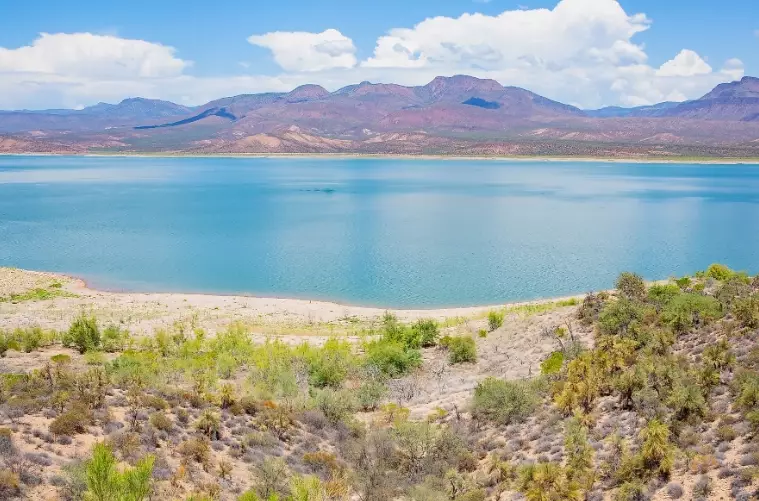
Water level doesn't directly affect swimming safety in terms of water quality for a large reservoir like this. However, be extra cautious about submerged or newly-near-the-surface obstacles (rocks, wood) that you might not see. Also, remember that water temperatures are what they are—cold in spring, warm in summer—regardless of how full the lake is.
For pure data: U.S. Bureau of Reclamation (linked earlier). For visitor conditions, ramp status, and alerts: Arizona State Parks - Roosevelt Lake. For boater-specific info: The websites for Roosevelt Lake Marina or Cholla Recreation Area. For a great overall resource about the lake's history and management, the Salt River Project (SRP) website has detailed water resource sections.
The Bottom Line for Your Trip
Asking "how full is Lake Roosevelt in Arizona?" is the mark of a savvy visitor. It shows you understand this is a dynamic, working reservoir, not a static postcard.
Here’s my final, no-nonsense checklist for you:
- Check the Number: Before you go, spend 90 seconds on the Bureau of Reclamation site. Note the % of Capacity. Is it 45%, 75%, or 92%? That number sets the stage.
- Check the Ramps: If boating, verify your intended boat ramp is open and usable. A quick call saves a huge headache.
- Adjust Expectations: High water = more open water, possibly trickier fishing. Low water = more exposed structure, potentially tricky navigation, but maybe great beach camping.
- Pack for the Conditions: Lower water might mean longer walks from parking to the shore. Higher water might mean less shoreline to walk. Plan accordingly.
- Embrace the Change: Roosevelt Lake is different every time you see it. That's part of its character. A low lake reveals the history of the flooded Tonto Basin. A full lake showcases its awesome power and beauty.
The lake's level is its heartbeat. Understanding it doesn't just answer a question—it unlocks a better, safer, and more enjoyable experience. Whether it's brimming at 95% or sitting at a more modest 65%, Roosevelt Lake remains an incredible Arizona treasure for recreation, wildlife, and, of course, our vital water supply. Now you know not just how full it is, but what that really means.
Go have a great time out there.
Comments