Drive northwest from Albuquerque, and the city sprawl gives way to red earth, sagebrush, and an immense, silent sky. You're entering the San Juan Basin. Most headlines define it by what's underneath: one of the most prolific natural gas fields in the United States. But that's like defining a person by their job. Spend time here, and you'll find a region with a triple identity—a geological masterpiece, an energy cornerstone undergoing profound change, and a starkly beautiful adventure corridor most travelers blow right past on their way to better-known parks.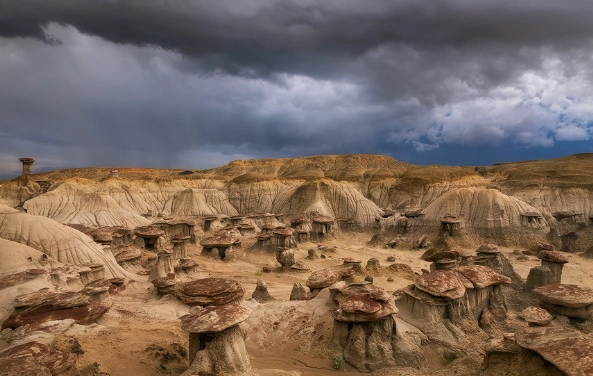
It's a place where you can stand in a 1,000-year-old ceremonial great house at Chaco Canyon under a Milky Way so vivid it feels touchable, then drive past a nodding donkey pumpjack the next morning. The basin doesn't fit a single narrative. It demands you look closer.
What You'll Find in This Guide
How Was the San Juan Basin Formed?
Forget static rock. The basin's story is a slow-motion drama spanning 300 million years. It's a classic structural basin, meaning the rock layers dip inward toward the center like a giant, shallow bowl. This shape is the key to everything that followed.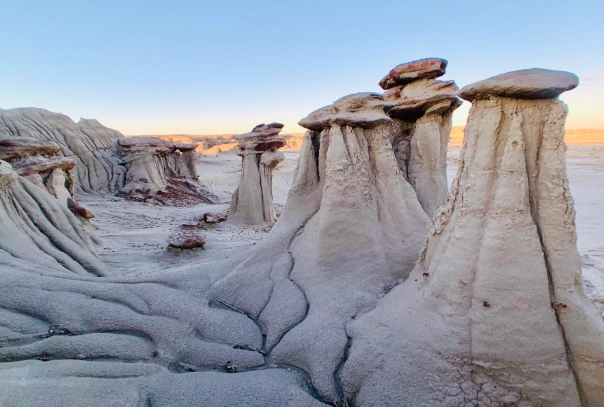
The plot has three main acts.
Act 1: The Inland Sea
During the Cretaceous period, a vast seaway covered the interior of North America. For millions of years, it deposited alternating layers of marine shale, sandstone, and silt. When tiny marine organisms died, their organic matter settled into the mud. This is the origin story—that mud, under immense pressure and heat over eons, cooked into the hydrocarbons that would later make the basin famous. The US Geological Survey has detailed maps and cross-sections showing these prolific layers, like the Fruitland and Pictured Cliffs formations.
Act 2: The Uplift and the Trap
The sea retreated. Then, starting around 70 million years ago, the tectonic plates got pushy. The uplift of the Colorado Plateau and the Rocky Mountains to the east and north squeezed the region, creating the basin's structure. Those tilted layers became crucial. As oil and gas formed, they migrated upward through porous sandstone. The overlying, denser shale layers acted like a lid, trapping the hydrocarbons in place. Without this perfect geological caprock, the resources would have just seeped away into nothing.
A Quick Geology Glossary for the Road
Mesa: A flat-topped hill with steep sides, like a table. You'll see countless ones. Butte: A smaller, isolated mesa. Arroyo: A dry creek bed that can flash flood in seconds during a summer storm. Never camp in one. Badlands: Eroded, barren land of soft rock with little vegetation. Striking but fragile.
Act 3: The Carving
Water and wind took over. The San Juan River and its tributaries, like the Chaco and Mancos rivers, spent the last few million years cutting down through those layered rocks. This erosion exposed the basin's history in cross-section, creating the dramatic canyons and revealing the clues that geologists use to read the story. It also exposed the raw materials—sandstone blocks—that Ancestral Puebloans used to build their monumental architecture.
That's the foundational drama. But humans wrote the next, more contentious chapter right on top of it.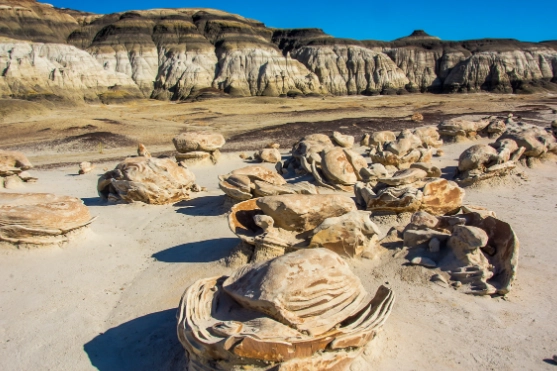
From Fossil Fuels to an Uncertain Future
Talk to someone in Farmington or Bloomfield, and the conversation will eventually turn to energy. It's the economic heartbeat, for better or worse. Development kicked off in the 1920s with oil, but the real boom came with natural gas in the 1950s and later with extensive coal mining for the giant San Juan Generating Station.
For decades, the basin was an energy powerhouse. You could see it on the landscape: forests of well pads, the constant hum of compressors, the Four Corners Power Plant and San Juan Generating Station dominating the horizon with their plumes. It provided jobs, tax revenue, and power for millions across the Southwest.
But the tide has turned, fast. Here's the shift most casual observers miss: The San Juan Basin is now a front-row seat to the energy transition, not a holdout against it.
- Natural Gas: Production has been in steady decline. Drilling rig counts are a fraction of what they were 10-15 years ago. Market forces, cheaper gas from other basins, and policy shifts have cooled activity dramatically.
- Coal: This is the biggest change. The San Juan Generating Station, the basin's economic anchor for 50 years, shut down in 2022. The mine that fed it, the San Juan Mine, closed too. It's a staggering economic and cultural shift for the communities that depended on it.
- Uranium: A legacy of Cold War-era mining, with ongoing concerns about water contamination from abandoned mines. Some talk of revival, but significant hurdles remain.
So what fills the void? The conversation now is about well plugging and reclamation, renewable energy projects on disturbed lands, and, increasingly, heritage and adventure tourism. The very landscapes shaped by extraction are being re-imagined. It's a messy, uncertain, but undeniable pivot.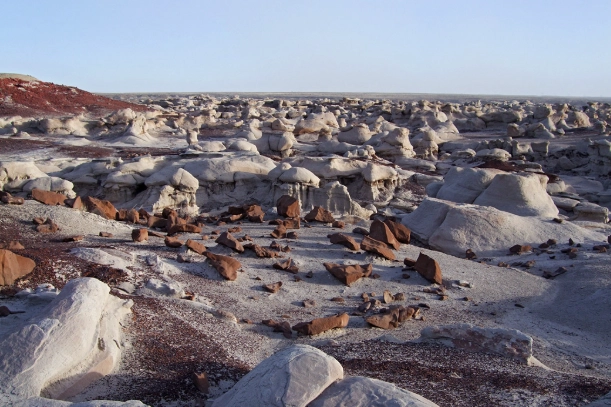
How to Plan a San Juan Basin Road Trip
This is where the basin shines if you know what you're doing. It's not a place of convenient roadside amenities. It's a place of preparation and immense reward. Here’s a framework for a 3-4 day loop starting and ending in Farmington, NM, the region's main hub.
Core Route: The Trail of the Ancients Byway
This federally designated scenic byway is your skeleton key. It connects major cultural sites and stunning geology.
Day 1: Farmington to Chaco Canyon. Stock up on food, water, and gas in Farmington. The turnoff to Chaco is marked, but the last 20 miles are rough, graded dirt washboard. Take it slow. A high-clearance vehicle is recommended, especially after rain. Spend the afternoon at Chaco Culture National Historical Park. Hike to Pueblo Bonito, feel the scale. The park is open 7am to sunset, visitor center 8am-5pm. Entry is $25 per car. Critical tip: Reserve a campsite at the Gallo Campground well in advance if you plan to stay overnight. The real magic is after dark.
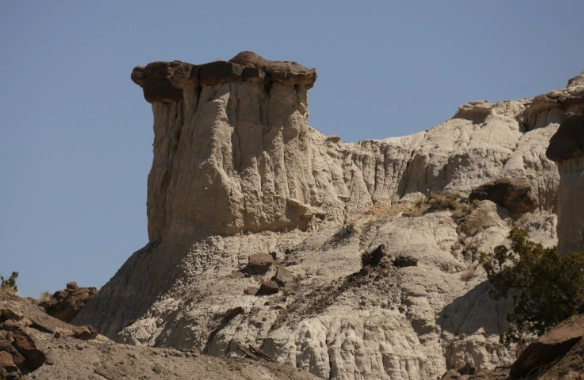
Day 2: Chaco to the Bisti/De-Na-Zin Wilderness. Backtrack to the highway and head south. The Bisti/De-Na-Zin Wilderness is a 45,000-acre wonderland of otherworldly hoodoos, petrified wood, and cracked clay. There are no trails, just general areas. Download a GPS map or bring a good paper one. Parking at the Bisti access is free. From the lot, hike north-east about 2 miles to find the famous “Egg Hatchery” and “Bisti Wings.” Carry all your water—there is none, and it gets fiercely hot.
Day 3: Bloomfield & Navajo Lake. Head back north through Bloomfield. Visit the Salmon Ruins & Heritage Park for a more accessible, context-rich Puebloan site. Then, drive up to Navajo Lake State Park. This is the aquatic heart of the basin. You can boat, fish for kokanee salmon, or just enjoy the contrast of blue water against red cliffs. The Sims Mesa campground is a good option. If you're a birder, the reservoir is a major stop on the Central Flyway.
Beyond the Core: If You Have More Time
- Aztec Ruins National Monument: Not Aztec, but Ancestral Puebloan. It has a spectacular, fully reconstructed Great Kiva you can walk into. A powerful, intimate experience compared to Chaco's grand scale.
- Shiprock Peak: The iconic volcanic monolith sacred to the Navajo. Respectfully view it from a distance (like along US-491). Climbing is prohibited.
- El Malpais National Monument: To the south, a landscape of lava tube caves and sandstone bluffs. A totally different geological flavor.
I made the mistake once of not bringing enough spare water jugs. A flat tire on a remote road near the Bisti turned a minor inconvenience into a serious situation until a passing Navajo Nation ranger helped out. Lesson learned: over-prepare.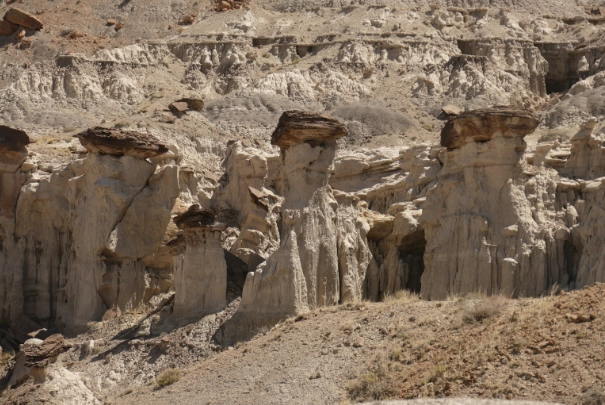
Answers to Your San Juan Basin Questions
The San Juan Basin defies easy labels. It's a geological archive, an energy transition case study, and a sanctuary of silence and stone all at once. Don't just read about it. Go. Drive the dusty roads, feel the sun on the canyon walls, look up at a sky unspoiled by light. You won't find a more honest portrait of the American Southwest—its past, its fraught present, and its uncertain, but persistent, future.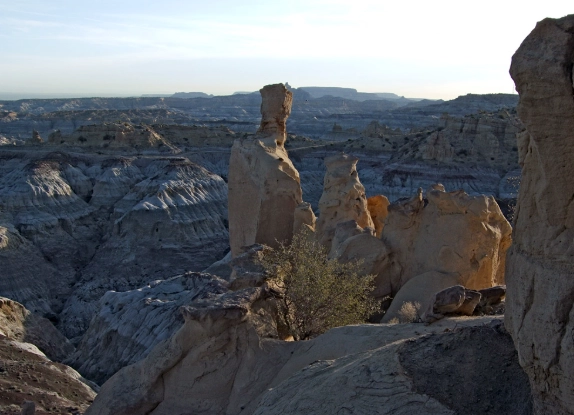
Reader Comments