Alright, let's tackle the question everyone asks before their trip: what is the most beautiful part of the Grand Canyon? I’ve been asked this a hundred times, and I'll be honest with you—there's no single answer. It's like asking what the best flavor of ice cream is. It completely depends on what you're looking for. Are you after the iconic, jaw-dropping panorama you see on postcards? Or do you want secluded, soul-stirring quiet where you can hear the wind whistle through the rocks? Maybe you're chasing that one perfect photograph, or perhaps a challenging hike into the depths is what defines beauty for you.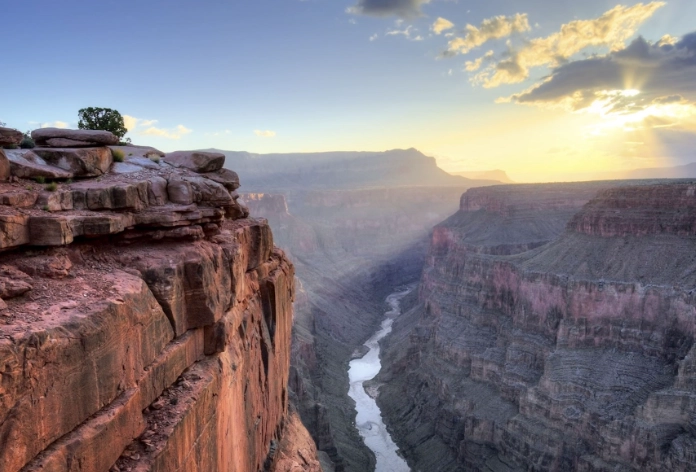
See, the Grand Canyon isn't a single entity. It's a massive, 277-mile-long scar on the earth, and each section has its own personality. Picking the most beautiful spot means weighing a bunch of factors: the views, sure, but also how many people you're willing to share them with, what time of year you're going, and how much effort you want to put in.
The short, unsatisfying answer? For most first-timers, the South Rim offers the most reliable and accessible concentration of “wow” moments. But if you have more time and crave something different, the North Rim provides a wilder, more intimate beauty. And then there's Havasu Falls—a turquoise paradise that feels like a different planet, but comes with its own set of rules.
Let's break this down. I’ve spent more time than I care to admit wandering both rims and talking to park rangers, photographers, and fellow hikers. I’ve also stood in some spots that were downright disappointing (yes, they exist). This isn't just a list of viewpoints; it's a guide to matching the canyon's beauty with your idea of a perfect experience.
The Heavyweight Champion: The South Rim
When people picture the Grand Canyon, 99% of the time they're picturing the South Rim. This is the Grand Canyon of Hollywood, of family vacations, and of the classic “I made it!” photo. It's open year-round, has the most infrastructure (lodges, restaurants, shuttle buses), and delivers that vast, layered, heart-stopping vista you've dreamed of.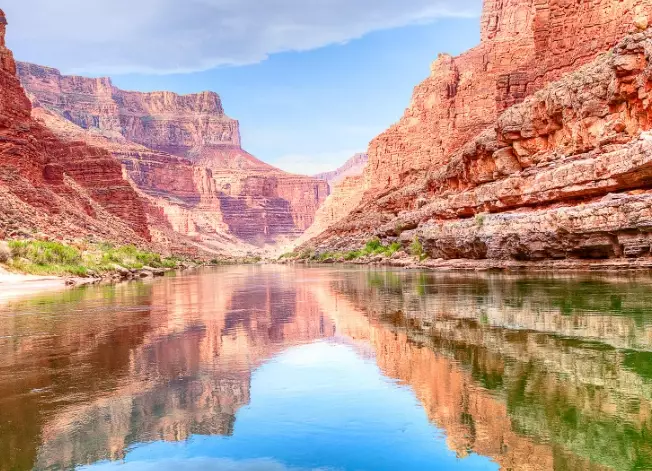
The beauty here is in the scale and the color. The views are wider, the layers of rock—the Tapeats Sandstone, the Redwall Limestone, the Vishnu Schist—are more distinctly visible, especially in the late afternoon light. The Colorado River is often a tiny, glinting thread far below, emphasizing the sheer depth.
Top Contenders for the “Most Beautiful” Title on the South Rim
Not all viewpoints on the South Rim are created equal. Some are crowded and feel a bit like a scenic overlook off a highway. Others feel more special. If you're trying to find the most beautiful part of the Grand Canyon along this rim, focus on these:
- Yavapai Point and Geology Museum: This is your classroom. The view is unobstructed and perfectly frames the classic canyon panorama. The museum inside helps you understand what you're looking at, which somehow makes it even more beautiful. Knowing you're looking at two billion years of Earth's history adds a layer of awe.
- Hopi Point (on the Hermit Road): This is the unanimous choice for sunset. It juts out into the canyon a bit more, giving you a 270-degree view. The play of light on the temples and buttes as the sun dips below the rim is a religious experience for photographers. The shuttle bus ride here can be a pain, but it's worth it.
- Lipan Point (on Desert View Drive): This is my personal dark horse. It's further east, so it gets fewer crowds. From here, you get an incredible view not only of the canyon but also of the Colorado River's Unkar Creek area. You can see the river winding for miles. For a sense of the canyon's immense length and the river's power, this is hard to beat.
The downside? The South Rim can feel like a beautiful, natural theme park in peak season. You'll be sharing these views with hundreds of others. The shuttle lines can be long. The parking lots fill up by 9 AM. If your idea of beauty includes solitude, this can detract from the experience.
The Quiet Sibling: The North Rim
Now, if you ask a seasoned canyon visitor or a park ranger what is the most beautiful part of the Grand Canyon, many will whisper: “The North Rim.” It's not just a different location; it's a different vibe entirely.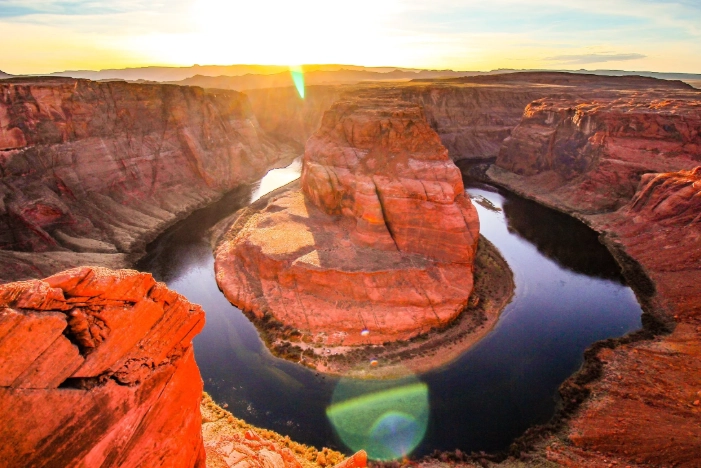
The North Rim sits about 1,000 feet higher than the South Rim (over 8,000 ft above sea level). This means it's cooler, gets more precipitation, and supports lush forests of aspen and spruce. The beauty here is greener, more atmospheric, and feels more remote. The views are slightly different—you're looking across at the South Rim, which gives you a fantastic perspective on the canyon's width.
Where to Find the Magic on the North Rim
The North Rim has fewer developed viewpoints, but each one feels like an event. The season is short (mid-May to mid-October usually), which adds to its exclusive feel.
- Bright Angel Point: The classic, easy walk from the lodge. The trail is short but spectacular, leading you out on a narrow ridge with dizzying drops on both sides. The view of the main canyon and the “Grand Canyon of the Little Colorado” is immense.
- Cape Royal: This, for my money, is a top contender for the single most beautiful vista in the entire park. The drive to get there is an attraction in itself. The view from the end is panoramic. You can see the Colorado River at Unkar Delta, the towering Wotans Throne formation, and the distant desert. Angels Window, a natural arch, is a short walk away. At sunset, it's pure magic.
- Point Imperial: The highest point on either rim. It looks out over a different section of the canyon, where the Painted Desert and the Marble Canyon area come into view. The colors and erosion patterns here are unique, less about the deep inner gorge and more about vast, colorful plateaus.
The catch? Accessibility. It's a 4-5 hour drive from the South Rim (around 220 miles by road). Services are limited. It feels more like a frontier. But that's precisely why its beauty is so potent.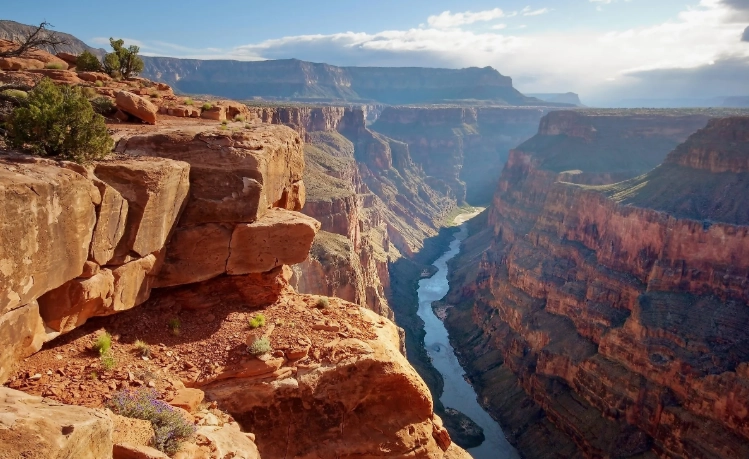
The Wild Card: Havasu Falls (Havasupai Reservation)
This is the curveball answer to “what is the most beautiful part of the Grand Canyon?” It's not part of the national park; it's on the Havasupai Indian Reservation. And it's not about the vast, dry vistas. It's about water—impossibly blue, travertine-dammed waterfalls cascading into perfect turquoise pools in a stunning side canyon.
Havasu Falls, Mooney Falls, and Beaver Falls are landscapes of surreal beauty. The contrast of the red canyon walls, the green vegetation, and the bright blue water is something you won't find anywhere else in the region. It's a tropical oasis in the middle of the desert.
The Reality Check on Havasu Falls
The Beauty: Unquestionably unique and stunning. It's a landscape photographer's dream and a hiker's paradise for swimming and exploration.
The Challenges: This is not a casual trip. You must have a reservation (which are famously difficult to get, often selling out within minutes for the entire season months in advance). It involves a demanding 10-mile hike (or helicopter/ horseback ride) to the campground. It's expensive. The permits and rules are strictly enforced. The water temperature is chilly year-round. I've heard from people who called it the most beautiful place they've ever seen, and from others who felt the logistical hassle overshadowed the beauty.
So, is it the most beautiful? In terms of pure, unique visual spectacle, many say yes. But its beauty comes with a high price of entry, both financially and physically.
South Rim vs. North Rim: The Ultimate Showdown
Let's make this easier. If you're debating between the two main rims, this table cuts through the noise. It’s the practical breakdown you need before booking anything.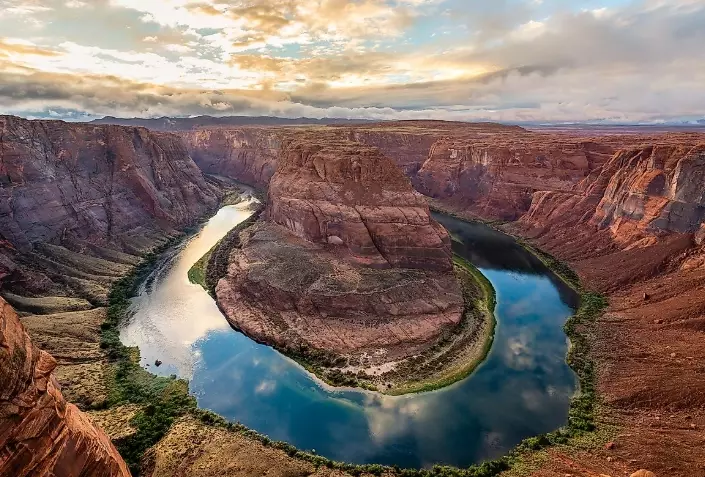
| Factor | South Rim | North Rim |
|---|---|---|
| Landscape & Views | The iconic, wide-open, layered vistas. Better views of the Colorado River's path in the inner gorge. More dramatic shadows and light play. | Lush, forested approach. Views looking across at the South Rim. Unique perspectives like Cape Royal. Feels more immersive. |
| Accessibility & Crowds | Very accessible year-round. Major airport (Flagstaff, Phoenix) nearby. Major crowds from March-September. Shuttle system necessary in core areas. | Remote. Long drive from major hubs. Open seasonally (May-Oct). Crowds are a fraction of the South Rim's. Feels peaceful. |
| Facilities & Lodging | Extensive. Multiple hotels, campgrounds, restaurants, visitor centers, and shops inside the park. Easier to plan last-minute. | Limited. One historic lodge, one campground, one restaurant. Book lodging very early. More self-sufficient vibe. |
| Hiking Trails | More trails into the canyon (Bright Angel, South Kaibab). Steeper, drier, and hotter descents. Corridor trails are well-maintained. | Fewer, steeper trails (North Kaibab is the main one). Shaded, cooler starts. More rugged backcountry feel. |
| Best For... | First-time visitors, families, those with limited time, photographers seeking classic shots, travelers wanting convenience. | Repeat visitors, solitude seekers, backpackers, those who dislike crowds, travelers with more time for the journey. |
See the difference? It's not just about which is prettier. It's about what kind of experience you want wrapped around that beauty.
So, What IS the Most Beautiful Part for YOU?
Let's get personal. Stop thinking about a universal “best” and start matching the canyon to your travel personality.
- For Families & First-Timers: Stick with the South Rim. The accessibility, variety of easy viewpoints, and facilities reduce stress, letting you focus on the awe. Don't overcomplicate it. Mather Point, Yavapai, and Hopi Point at sunset will give you memories for a lifetime.
- For Photographers: You need both. The South Rim (Hopi Point for sunset, Yavapai for sunrise, Desert View for the river) gives you the iconic shots. But the North Rim's Cape Royal offers a unique, sweeping perspective you can't get elsewhere. If you can only choose one, the South Rim offers more variety and reliability with the light.
- For Hikers & Backpackers: The beauty is in the journey down. Hiking from the South Rim (South Kaibab down, Bright Angel up) gives you the full vertical experience. But the North Rim's North Kaibab Trail to Roaring Springs or beyond is a stunning, less-traveled route. The most beautiful part might be a quiet spot on the Tonto Platform, miles below the rim, with no one else in sight.
- For Those Seeking Solitude & a “Wild” Feel: The North Rim, no question. Or, consider the lesser-visited areas of the South Rim like Desert View Drive east of Grand Canyon Village. Shoshone Point (when accessible) is a hidden gem.
Practical Tips to Maximize the Beauty (No Matter Where You Go)
Finding the most beautiful part of the Grand Canyon isn't just about location; it's about timing and approach.
- Time of Day is Everything: The canyon is flat and hazy at noon. Sunrise and sunset are when it comes alive with color, shadow, and depth. Plan your key viewings for these golden hours. The hour after sunrise is often quieter than sunset.
- Season Matters: Summer brings thunderstorms that can create dramatic skies but also intense heat and crowds. Winter (on the South Rim) offers crisp air, occasional snow dusting the rims (incredibly beautiful), and few crowds. Spring and fall are ideal sweet spots.
- Walk Away from the Parking Lot: The most beautiful views are often a short walk from the main overlooks. Even walking 0.2 miles along the Rim Trail away from a bus stop can give you a private slice of grandeur.
- Look Down, Not Just Out: Everyone looks at the horizon. Take time to look at the details at your feet—the intricate patterns in the rocks, the tiny wildflowers clinging to the rim, the ravens riding the updrafts.
- Check the Official Sources: Before you go, always check the official National Park Service website for Grand Canyon for alerts on road closures, weather, shuttle schedules, and construction. For backcountry permits or hiking trail conditions, this is your bible. For Havasu Falls, all information must come from the Havasupai Tribe's official tourism site.
Frequently Asked Questions (The Real Ones People Ask)
Can I see both the South and North Rim in one day?
Technically, no. Not in any meaningful way. The drive between them is 4-5 hours (220 miles) one-way. You'd spend the entire day in the car. Pick one rim per day, minimum.
Is the view from the North Rim really that much better?
“Better” is subjective. It's different and for many, more rewarding due to the lack of crowds. The view itself is equally grand but from a higher, greener vantage point. If you hate crowds, you'll likely think it's better.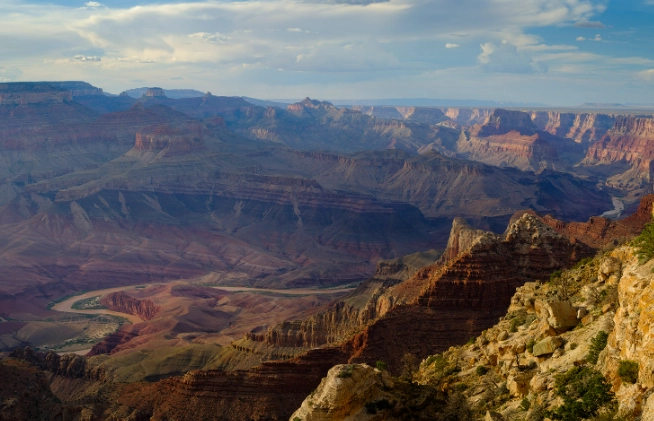
What's the single best viewpoint for a photographer at sunrise?
On the South Rim, it's a tie between Yavapai Point (for the classic wide shot with the river bend) and Desert View Watchtower (for a more easterly, river-focused shot with a foreground element). On the North Rim, Bright Angel Point is the accessible winner.
I only have one day. Where should I go?
South Rim, no debate. Use the shuttle system on the Hermits Rest Route (Red Route) to hit Hopi, Mohave, and Pima Points. Then drive your own car east on Desert View Drive to Lipan Point and the Watchtower. You'll see a fantastic variety.
Is it worth going in the winter?
On the South Rim, absolutely—if you're prepared for cold and potential ice/snow on the trails and rim. The crowds are gone, the air is clear, and snow on the red rocks is magical. The North Rim is closed to vehicles in winter.
What about the West Rim (Skywalk)?
That's on the Hualapai Reservation, not in the national park. The Skywalk is a glass bridge over a side canyon. The views are impressive, but it's a commercialized experience (expensive, no personal cameras allowed on the bridge, tour-bus-heavy). Most canyon purists don't consider it when discussing the natural beauty of the main park areas.
Look, at the end of the hike, the question of what is the most beautiful part of the Grand Canyon is one you have to answer for yourself. My job is to give you the map. The South Rim is the reliable, awe-inspiring classic. The North Rim is the tranquil, deeper cut for those willing to journey further. Havasu is the surreal, bucket-list dream.
The real beauty of the Grand Canyon is that it has a face for every visitor.
Maybe your most beautiful part will be the first glimpse that makes your heart stop. Maybe it'll be a quiet moment on a trail, sharing a snack with a squirrel. Or maybe it'll be the feeling of accomplishment after a tough hike. It's all there. You just have to go find your piece of it.
Start by checking those park alerts, booking your lodging way in advance (seriously, do it now), and deciding what kind of beauty you're in the mood for. Then go. The rocks aren't going anywhere, but that perfect sunset is.
Comments