You've seen the pictures. Those towering red sandstone buttes, the vast desert floor, the iconic Mittens standing guard. The question "where is Monument Valley?" seems simple enough. But the answer is more nuanced than just dropping a pin on a map. Most people get the state wrong, for starters. And understanding its exact location is the first step to planning a trip that respects the land and its people.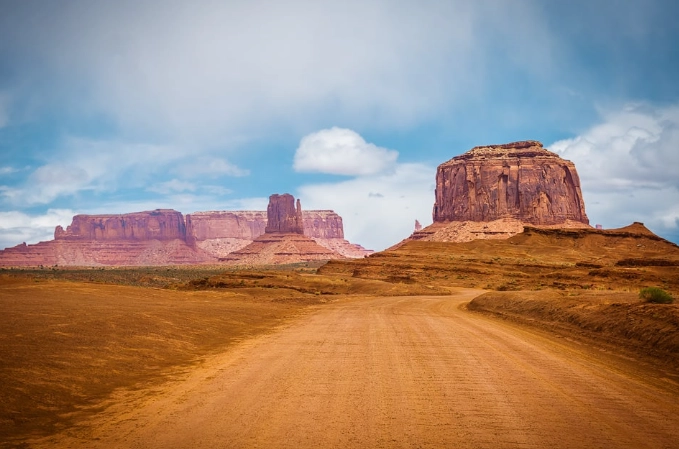
What You'll Find in This Guide
The Exact Coordinates & Who Manages the Land
Let's clear up the biggest misconception first. Ask someone, and they'll likely say Arizona. The truth? The iconic view, the visitor center, and most of the park's area are located just north of the Arizona state line, in San Juan County, Utah. The coordinates are roughly 37.0° N, 110.1° W.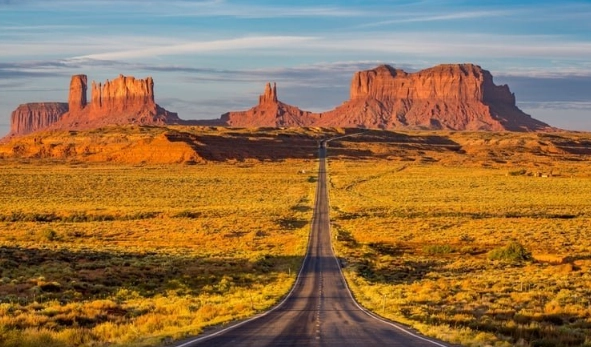
But here's the critical part most travel sites gloss over: Monument Valley is not a U.S. National Park. It's not a state park either. It lies entirely within the Navajo Nation Reservation. Its official name is the Monument Valley Navajo Tribal Park, managed by the Navajo Parks and Recreation Department. This isn't a trivial distinction—it shapes everything from the entrance fee (your National Parks pass won't work here) to the rules you must follow on the land.
Key Location Facts at a Glance
Nearest Town: Kayenta, Arizona (about 20 miles south). This is where you'll find the most services like gas stations, grocery stores, and a few hotel chains.
Major Gateway Cities: Phoenix, AZ (~5.5-hour drive); Las Vegas, NV (~6.5-hour drive); Salt Lake City, UT (~6.5-hour drive).
Jurisdiction: Navajo Nation (Tribal Land).
Physical Address for GPS: US-163 Scenic, Oljato-Monument Valley, AZ 84536. (Yes, the mailing address uses Arizona).
How to Get There: Your Transportation Options
There is no train station. There is no major commercial airport. Getting to Monument Valley is a road trip adventure, and that's part of its magic. You have two realistic choices.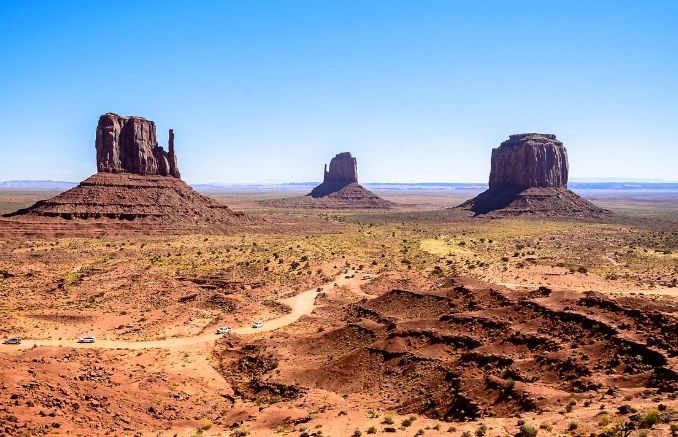
Driving: The Only Practical Way
Renting a car is non-negotiable. The classic approach is along U.S. Highway 163. Driving north from Kayenta, you'll crest a hill and that famous view unfolds before you. It's one of the most photographed stretches of road in America. If you're coming from the north (like from Moab or Mexican Hat), you'll see the Mittens rising in your rearview mirror.
Road conditions are generally good, but services are sparse. Fill your tank in Kayenta or Mexican Hat. Don't expect reliable cell service for long stretches.
Tours: Leaving the Driving to Someone Else
Multi-day tours from Las Vegas, Phoenix, or Flagstaff often include Monument Valley as a stop on a larger Southwest loop. This is hassle-free but locks you into a schedule. More impactful are the local guided tours you book once you're there. These are operated by Navajo guides and are the only way to access most of the valley floor.
Planning Your Visit: Tickets, Hours & Tours
You can't just show up and wander. Here’s what you need to know to make it work.
Entrance Fee: As of my last visit, it was $8 per person for ages 9 and up, plus an $8 fee per vehicle. Cash and credit cards are accepted. This fee supports the Navajo Parks department directly.
Visitor Center & Hours: The park is open daily from 6:00 AM to 8:30 PM (May-Sept) and 8:00 AM to 4:30 PM (Oct-April). Hours can change, so checking the Navajo Parks website before you go is wise. The visitor center has a small museum, a gift shop, and that legendary viewpoint.
The 17-Mile Valley Drive: This is a rough, unpaved dirt road that loops through the valley. You can drive it yourself in a high-clearance vehicle (SUVs are fine; low-slung sedans will struggle). It takes about 2-3 hours with stops. But—and this is a huge but—this road only lets you see the formations from a distance.
Why You Absolutely Need a Guided Tour: To walk among the buttes, to see ancient petroglyphs, to hear the stories behind the rock formations, you must go with a Navajo guide. This isn't a suggestion; it's a rule for most of the valley floor. Companies like Simpson's Trailhandler Tours or Sacred Monument Tours offer 2-3 hour tours in open-air vehicles. This is the single best investment you can make. You're not just buying a ride; you're buying perspective and access you cannot get on your own.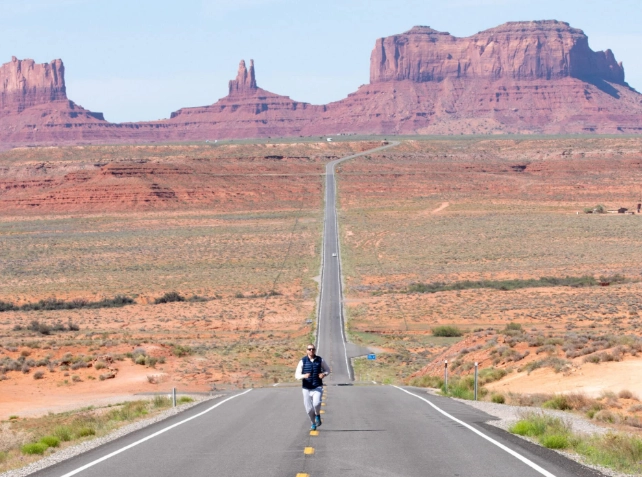
When to Go: Seasons, Weather & Crowds
Monument Valley is open year-round, but your experience varies wildly with the season.
Spring (April-May) & Fall (Sept-Oct): The sweet spot. Daytime temperatures are pleasant (60s-80s °F), nights are cool. Crowds are manageable. This is ideal hiking and photography weather.
Summer (June-August): It's hot. Really hot. Highs can soar past 100°F. Afternoon thunderstorms are common and can create stunning skies but also flash floods. If you go in summer, start your day at sunrise and be done with outdoor activities by noon. Carry immense amounts of water.
Winter (November-March): Cold, often below freezing at night. Daytime highs might reach the 40s. Snow is possible and can create breathtaking, rare scenes against the red rock. Crowds are thinest. Some tour operations may have reduced schedules.
My personal take? I'll take a chilly winter morning over a scorching summer afternoon any day. The light is cleaner, the shadows are longer, and you often have the view to yourself.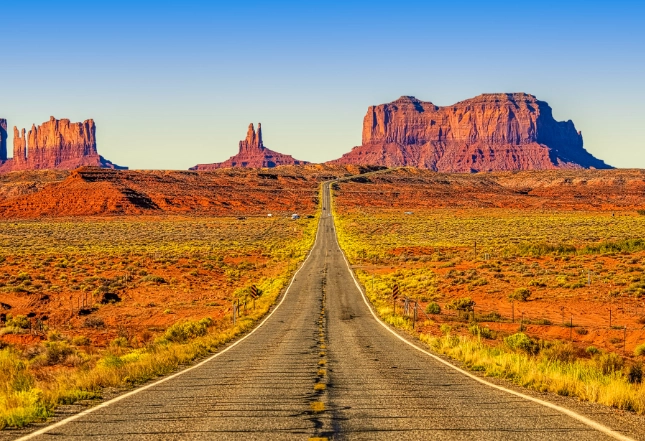
Your Questions, Answered
Here are the practical questions I get asked most often, answered with the blunt truth you need to plan properly.
So, where is Monument Valley? It's on the map in southeastern Utah, but it exists in a category of its own. It's a place defined by sovereign tribal land, by a need for respectful visitation, and by a landscape so powerful it defies simple description. Knowing its precise location is the first step. Understanding what that location means—the rules, the culture, the logistics—is what transforms a sightseeing stop into a meaningful journey. Plan for the drive, budget for the guide, and go see it for yourself.
Comments