Let's cut to the chase. When you search for "Tonto National Forest Arizona," you're not just looking for a map. You're looking for an escape. You want to know where to find those iconic saguaro-studded vistas, that perfect lakeside campsite, or a hike that doesn't feel like a Phoenix suburb sidewalk on a Saturday. I get it. I've been exploring this place for over a decade, from the crowded shores of Saguaro Lake to the silent corners of the Sierra Ancha. This isn't a generic listicle. This is a practical, boots-on-the-ground guide to making your trip actually work.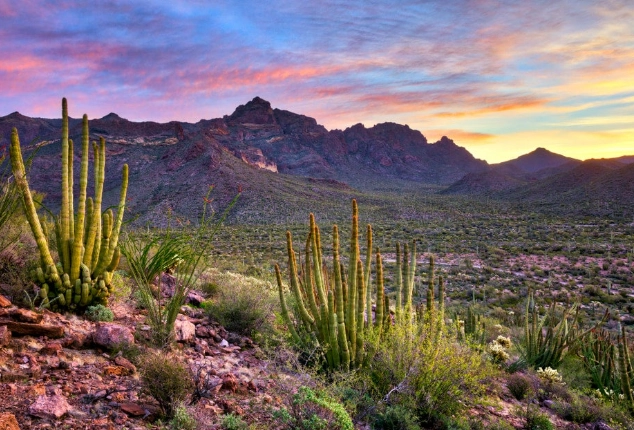
Tonto National Forest is massive—nearly 3 million acres sprawling across central Arizona. It's not one thing. It's the Sonoran Desert climbing into ponderosa pine forests. It's the Salt River cutting through canyons and the four major reservoirs that give Phoenix its water. Most visitors stick to the easy-access spots near the city and miss the forest's true depth, both literally and figuratively.
Your Quick Navigation to Tonto National Forest
Top Things You Can't Miss (And Some You Can)
Forget the fluffy "top 10" lists. Here’s what’s actually worth your time, broken down by what you're after.
For the Hiker: Trails With a Payoff
The Wave Cave Trail is famous for a reason. That reason is a perfect wave-shaped rock formation with a cave behind it and a killer view. It's a 3-mile round trip with about 800 ft of gain. It's also brutally crowded. Go on a weekday at sunrise. You'll need to fill out the free self-issue permit at the trailhead—don't skip this. Parking is a nightmare by 8 AM.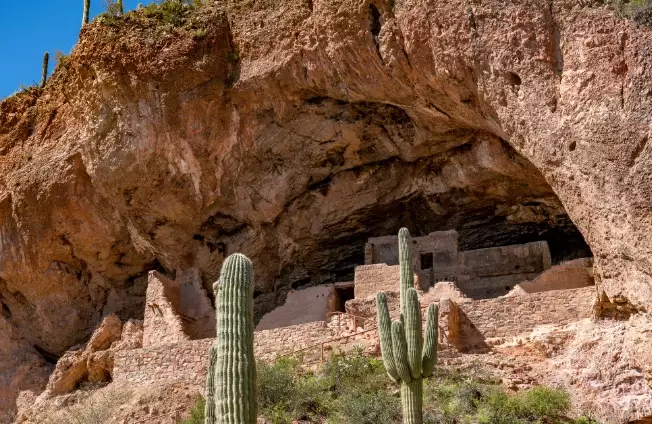
Boulder Canyon Trail to the Salt River is my personal antidote to the Wave Cave. Near the town of Roosevelt, it's a 6-mile out-and-back that drops you to the wild Salt River. You'll see maybe five people. The canyon walls are stunning, and the river is ice-cold and refreshing. The hike out is steep, so save water.
Peters Mesa Trail in the Superstition Wilderness is for those seeking solitude and raw desert scenery. It's not about a single destination; it's about the vast, silent landscape. It's rough, exposed, and requires good navigation skills. Not for beginners, but unforgettable.
For the Water Lover: Lakes and Rivers
Tonto manages parts of four huge reservoirs: Saguaro Lake, Canyon Lake, Apache Lake, and Roosevelt Lake.
| Lake | Vibe & Best For | Key Access Point |
|---|---|---|
| Saguaro Lake | Closest to Phoenix, busiest. Powerboats, kayak rentals, the Butcher Jones Beach. | Butcher Jones Recreation Site (Day-use fee area). |
| Canyon Lake | Scenic canyon walls, Dolly steamboat tours, a bit quieter than Saguaro. | Acacia Picnic Area or Canyon Lake Marina. |
| Apache Lake | Remote, rugged, long and narrow. Great fishing, few services. | Apache Lake Marina & Resort (Check if open). |
| Roosevelt Lake | Largest, multiple campgrounds, windier, famous for bass fishing. | Windsor Beach Campground or Cholla Bay. |
The Salt River below Saguaro Dam is where you go tubing in the summer. It's a party scene. For a more serene experience, kayak the upper stretches near the Tonto National Forest boundary.
Quick Need-to-Know
Operating Hours: The forest is open 24/7, but specific developed sites (like Butcher Jones) have day-use hours, typically sunrise to sunset. Always check the site's specific page on the USDA Forest Service website.
Address for Your GPS: There isn't one. You need to navigate to your specific destination. For general info, the Tonto National Forest Supervisor's Office is at 2324 E. McDowell Rd, Phoenix, AZ 85006. Call them at (602) 225-5200 for current conditions.
Planning Your Visit: Fees, Passes & The Permit Trap
This is where people get tripped up. The fee structure is a patchwork.
- Day-Use Fees: Popular developed sites like Butcher Jones (Saguaro Lake) or Acacia (Canyon Lake) charge a per-vehicle fee (usually $8). You pay at the automated machine.
- America the Beautiful Pass: This $80 annual pass covers day-use fees at all federal recreation sites. If you visit more than 10 fee sites in a year across the country, it pays for itself. It does NOT cover camping fees.
- Tonto Pass: This is for camping and some day-use at specific designated sites. You must purchase these in advance from vendors (often gas stations or stores near the forest) or online. You cannot buy them at the site. This catches so many people off guard. Plan ahead.
- Permits: As mentioned, the Wave Cave trail requires a free, self-issued permit. Backcountry overnight trips in wilderness areas (Superstition, Salome, etc.) may require a free permit depending on the season and area—always check the specific wilderness rules on the forest service site.
Where to Stay: From Car Camping to True Dispersed Sites
Developed Campgrounds (Good for Families & RVs)
These have amenities like vault toilets, picnic tables, fire rings, and sometimes water. You need a Tonto Pass.
Windsor Beach (Roosevelt Lake): Large, lakeside, can be windy. Easy access. Burnt Corral (Apache Lake): Dramatic setting, quieter. Palo Verde (Saguaro Lake): Right on the water, very popular, books up fast.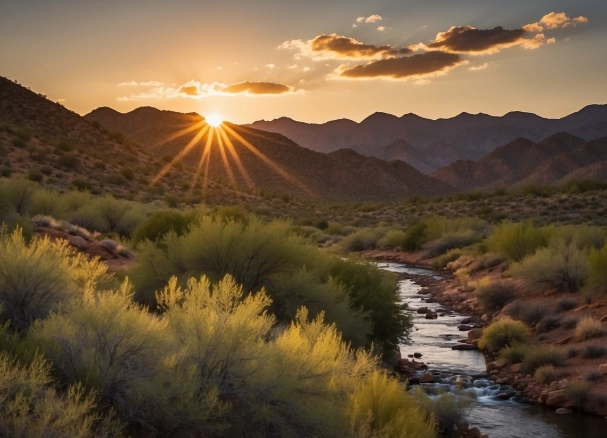
Dispersed Camping (The Real Adventure)
This is camping outside designated campgrounds, for free. It's my preferred way. You need to be self-sufficient (pack out all waste, bring your own water) and follow Leave No Trace principles to the letter.
The secret? Your vehicle determines your destiny. Forest Roads (FR) like FR 429 near Roosevelt or FR 393 past Tortilla Flat lead to countless pull-offs. A high-clearance vehicle opens up 90% more options. A 4WD opens up 99%.
Getting There & Around: Your Vehicle Matters
This is the most overlooked part of planning. AZ-88 (the Apache Trail) from Apache Junction to Roosevelt is a historic, breathtaking, and partially unpaved road. The unpaved section (between Tortilla Flat and Roosevelt) is graded gravel but can be washboardy and is not recommended for large RVs or low-clearance vehicles in poor weather.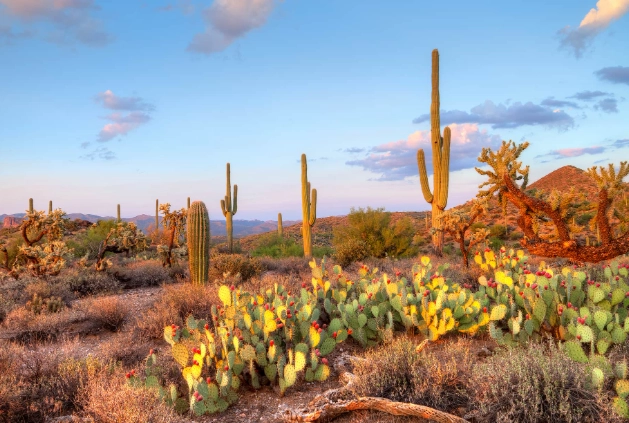
Cell service is non-existent in most of the forest. Download offline Google Maps or, better yet, a dedicated mapping app like Gaia GPS or OnX with forest service layers. Tell someone your plan.
Expert Tips to Avoid the Crowds and Hassles
1. Seasonality is Everything. Summer (June-August) is brutally hot for low-elevation activities. Stick to water or go high. Spring (Feb-May) and Fall (Oct-Nov) are ideal. Winter is perfect in the desert sections. 2. The Weekend Crush is Real. If you can only go on a weekend, arrive at your trailhead or campsite search by 7 AM. Otherwise, you're competing with half of Phoenix. 3. Water, Then More Water. I carry a gallon per person per day for drinking alone in the desert. Dehydration sneaks up fast. 4. Respect the Wildlife. This is Sonoran Desert. There are rattlesnakes, scorpions, javelina, and mountain lions. Don't put your hands or feet where you can't see. Store food properly. 5. Fire Restrictions are Law. Arizona has a long dry season. Campfire bans are frequent and strictly enforced. Never have a fire outside a metal ring in a developed campground unless you have verified it's allowed. Check current restrictions on the Tonto NF website.
Your Burning Questions Answered
Tonto National Forest is a place of contrast—crowded shores and empty canyons, desert heat and cool pine forests. With the right information and a bit of planning to sidestep the common pitfalls, you can find exactly the kind of Arizona escape you're looking for. Just remember your water, your map, and a sense of adventure.
Comments