Explore This Guide
- What Exactly IS the Vermilion Cliffs National Monument?
- The Main Attractions: More Than Just One Famous Wave
- The Infamous Permit System: Demystifying the Lottery
- Hiking the Wave: Trail? What Trail?
- When to Visit Vermilion Cliffs National Monument
- Planning Your Trip: Logistics Beyond the Hike
- Frequently Asked Questions (The Real Ones)
Let's be honest. You're here because you saw a picture. A picture of swirling sandstone in colors that don't seem real, a place called The Wave tucked deep in the Arizona desert. Your first thought was probably, "I need to go there." Your second thought, after a quick search, was likely, "Wait, I need a permit for that? How does that even work?"
I get it. I was you a few years back. Staring at the screen, confused by the lottery system, wondering if the hike was too hard, unsure where to even stay. The information out there can feel either overly technical or suspiciously vague. So I'm going to cut through the noise. This isn't a glossy brochure. This is the guide I wish I'd had before my first trip to the Vermilion Cliffs National Monument, packed with the gritty details, honest opinions, and the practical steps you actually need to know.
Quick Reality Check: First, let's clarify the name, because it trips everyone up. It's officially the Vermilion Cliffs National Monument, managed by the Bureau of Land Management (BLM), not the National ParkService. People often call it Vermilion Cliffs National Park colloquially, but for permits and official info, you're dealing with the BLM. The iconic Wave is located within a specific area called Coyote Buttes North.
What Exactly IS the Vermilion Cliffs National Monument?
Forget any notion of a traditional park with a visitor center, paved roads, and ranger-led tours. This place is raw, remote, and demands respect. It's a vast, 280,000-acre swath of high desert straddling the Arizona-Utah border. The landscape is defined by the towering, namesake Vermilion Cliffs—a massive, red-rock escarpment—and the surreal, eroded sandstone formations hidden on the plateaus above them.
The geology here is the main character. We're talking about layers upon layers of Navajo Sandstone, Entrada Sandstone, and other sedimentary rock, deposited over 200 million years ago when this was a vast desert of shifting dunes. Time, wind, and water did the rest, carving out the impossible shapes that draw us in today.
It's stark. It's silent in a way that's almost loud. And it's incredibly fragile. Which is why access is so tightly controlled. The BLM isn't trying to be difficult with the permit system; they're trying to prevent this delicate landscape from being loved to death. One misplaced footstep can erase centuries of geological history.
The Main Attractions: More Than Just One Famous Wave
Yes, The Wave is the superstar. But if you score a permit (more on that nightmare… er, process… later), you'll find the area around it is just as mesmerizing. Treat The Wave as the centerpiece of a whole gallery of weird and wonderful rock art.
Coyote Buttes North: The Wave's Playground
This is the permit zone that contains The Wave. Your permit allows you to explore this entire designated area, not just one photo spot.
- The Wave: Obviously. It's smaller in person than photos suggest, but the intricate, flowing lines are even more hypnotic. The best light is mid-morning to early afternoon, contrary to typical landscape photography advice. The shadows define the curves.
- The Second Wave & The Wave Alcove: Just a few minutes' walk from The Wave. Often quieter, with different patterns and deep, curved alcoves. Don't miss them.
- Sand Cove & Melody Arch: A wide, sandy basin with towering walls and a beautiful natural arch. It feels like a different world, more open and grand.
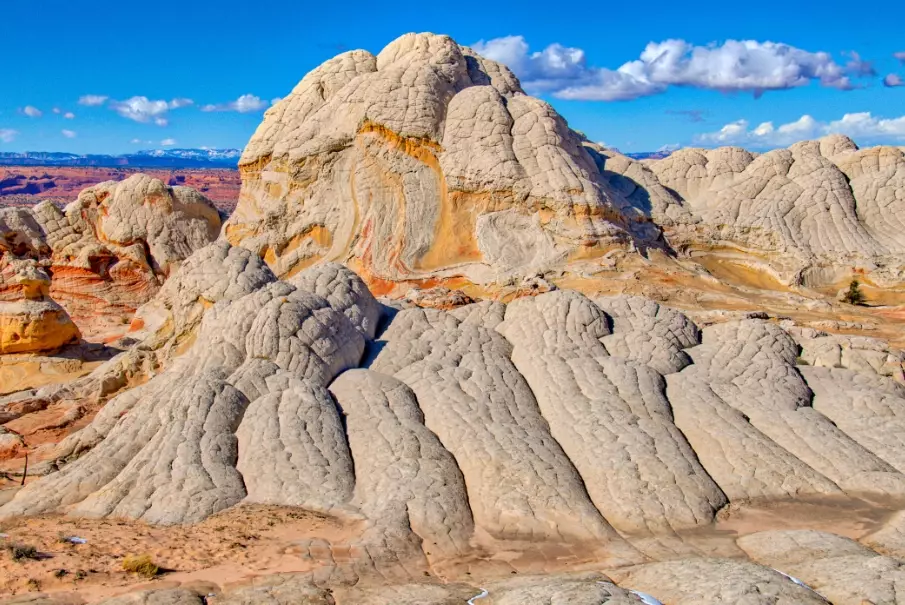
- The Boneyard: A personal favorite. A jumbled area of brain-like rock formations and fins. It's easy to get turned around here, so pay attention.
Coyote Buttes South: The Wave's Often-Ignored Sibling
Requires a separate, slightly easier-to-get permit. It's different—more about colorful, swirling hills (like the famous "Tepees") and dramatic overlooks like Top Rock Arch. Some argue the views are more expansive here.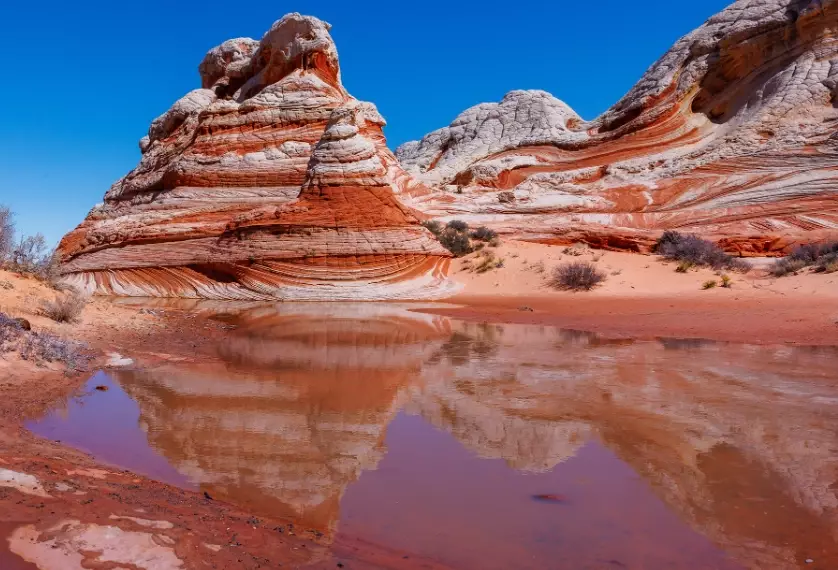
Other Areas (No Permit Needed, But Not Easy)
The monument has other districts like Paria Canyon (famous for the Buckskin Gulch slot canyon, which DOES require a permit for overnight trips), and the actual Vermilion Cliffs themselves. These are serious backpacking or canyoneering destinations.
My take? The hype for The Wave is real, but the magic of Vermilion Cliffs National Monument is in getting lost in the silence between the famous spots. Sitting on a warm sandstone ledge, with no trail in sight and just the wind for company—that's the experience you're really after.
The Infamous Permit System: Demystifying the Lottery
This is the gatekeeper. This is what causes the most frustration and confusion. Let's break it down without the sugar-coating.
There are two ways to get a permit for Coyote Buttes North (The Wave) or South:
The Online Advanced Lottery
This is for permits four months in advance. You apply on the recreation.gov website.
- When: The application window opens at 12:01 AM MST on the 1st of the month, for permits four months later (e.g., January 1 for May permits). It closes at 11:59 PM MST the same day. Yes, one day only per month.
- The Odds: They're brutal. We're talking thousands of applications for maybe 60-80 group spots (max 6 people per group) for the entire month. Your chance is often well below 5%. It's a pure luck game. I've applied unsuccessfully for three years running for certain months.
- The Fee: It's $9 to apply (non-refundable). If you win, it's $7 per person. Don't complain about the cost—it's the best $7 you'll ever spend on hiking.
The In-Person "Walk-in" Lottery
This is for permits for the next day. This is where hope lives for the spontaneous (or the chronically unlucky online).
- Where: At the BLM Paria Contact Station, located on Highway 89 between Kanab, Utah, and Page, Arizona. You must be there in person.
- When: The drawing is held at 9:00 AM local time, seven days a week, for permits for the following calendar day. You need to arrive before 9 AM to enter.
- The Odds: Surprisingly better than online, especially on weekdays outside peak season (Spring/Fall). They issue 10-20 permits (for groups) per day. If there are 30 groups trying, your odds aren't terrible. I got my first permit this way on a Tuesday in October. Show up early, be polite to the rangers, and have flexible plans.
Critical Permit Rules Everyone Messes Up:
- The permit holder MUST be present with photo ID for the entire hike. They check.
- You must carry the printed permit with you on the trail. A screenshot on your phone is officially not enough (though some rangers might accept it, don't risk it).
- You are only allowed in the specific permit area (North or South). Don't wander into the other zone.
- Pets, drones, and mountain bikes are prohibited. Leave them behind.
Hiking the Wave: Trail? What Trail?
You might be an expert on well-marked mountain paths. This is not that. The hike to The Wave in the Vermilion Cliffs National Monument is a 6.4-mile round-trip route-finding exercise across open desert and slickrock.
There is no maintained trail for most of the way. You follow cairns (small rock piles), GPS, and landmarks. If you are not comfortable with basic navigation, this hike is not for you. Getting lost is a real and dangerous possibility.
Essential Gear for This Hike
- GPS Device or App: Non-negotiable. Download the official route map from the BLM website or use a reliable app like Gaia GPS or AllTrails with the map downloaded for offline use. Cell service is zero.
- More Water Than You Think: I carry a minimum of 4 liters per person, even in cool weather. In summer, you'd need 6+. Dehydration is the #1 danger here.
- Sun Protection: Wide-brimmed hat, sunglasses, long sleeves, and serious sunscreen. The sun reflects off the sand and rock mercilessly.
- Sturdy Footwear: Trail runners or hiking boots with good grip. You'll be walking on slippery, sloping sandstone.
- Topographic Map & Compass: As a backup to your GPS. Know how to use them.
The BLM provides a detailed route description and map on their website. Study it the night before. The key landmarks are the "First Saddle," the "Second Saddle," and the "Black Crack." If you hit the large drainage of Wire Pass, you've gone too far.
The hike itself isn't terribly steep, but the sand saps your energy, and the slickrock sections require careful footing. Allow 5-7 hours round trip to have time to explore without rushing.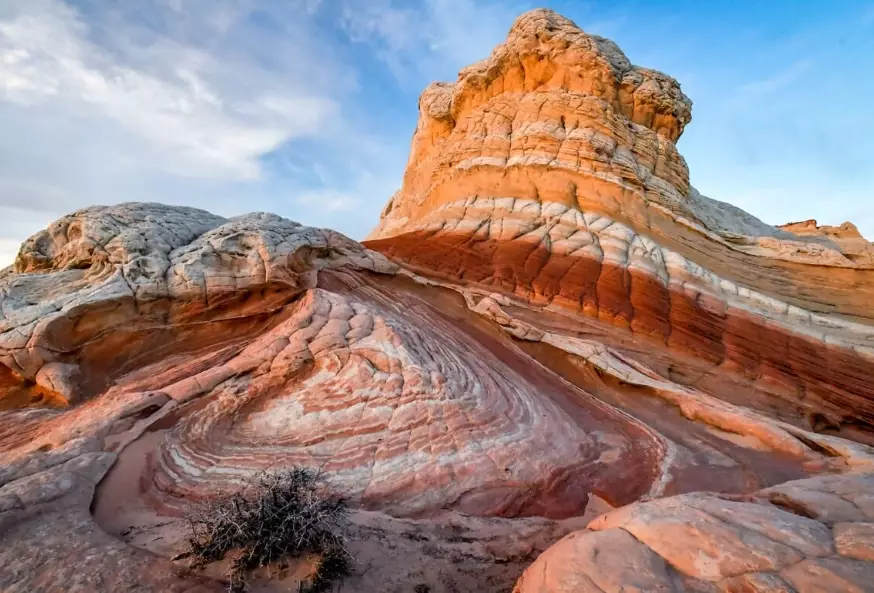
When to Visit Vermilion Cliffs National Monument
This isn't a year-round destination. The desert extremes are real.
| Season | Pros | Cons & Warnings | Verdict |
|---|---|---|---|
| Spring (March-May) | Best overall. Pleasant temps, wildflowers possible. | Most competitive permit season. Can still be cold/windy in March. | Ideal, but plan far ahead. |
| Fall (Sept-Nov) | Second best. Warm days, cool nights, beautiful light. | Early fall can still be very hot. Late fall has short days. | Excellent choice. |
| Summer (June-Aug) | Easier walk-in permit odds. Long days. | DANGEROUSLY HOT. Temps regularly exceed 100°F (38°C). Heatstroke risk is extreme. Not recommended by rangers or sane people. | Avoid. Seriously. |
| Winter (Dec-Feb) | No crowds. Unique snowy landscape photos. | Very cold, especially with wind. Snow and ice make slickrock treacherous. Short daylight. | For experienced, prepared winter hikers only. |
Planning Your Trip: Logistics Beyond the Hike
Where to Stay
You have two main hub towns:
- Kanab, Utah (Recommended): Closest to the Paria Contact Station for the walk-in lottery. More of a town feel with a variety of motels, Airbnb, and restaurants. It's also the base for other adventures like Zion or Bryce.
- Page, Arizona: Further east, near Lake Powell and Antelope Canyon. More chain hotels and food options. A longer drive to the trailhead (~1.5 hours).
Camping is limited. There's very basic BLM dispersed camping along House Rock Valley Road (the rough road to the Wire Pass trailhead), but no facilities—just pull-offs. Be self-sufficient and practice Leave No Trace principles rigorously.
Getting to the Trailhead
The start for Coyote Buttes North is the Wire Pass Trailhead. It's at the end of an 8-mile dirt road called House Rock Valley Road, which branches off Highway 89.
Road Warning: This road is frequently awful. After rain or snow, it turns into a sticky, impassable clay bog that will trap any vehicle. Even when dry, it's deeply rutted and washboarded. A high-clearance vehicle (SUV or truck) is strongly recommended. I've seen sedans make it slowly on a perfect day, but they suffer. Check conditions at the BLM office before you go.
Frequently Asked Questions (The Real Ones)
Can I just hike to The Wave without a permit if I go really early or late?
No. And don't try. Rangers do patrol, and they check permits at the trailhead and on the route. The fine is hefty (hundreds of dollars), and more importantly, you'd be contributing to the degradation of the place you claim to love. Respect the system.
Is it safe to hike alone?
It's riskier. The navigation challenges and remoteness mean a simple ankle sprain can become a serious emergency. If you go solo, you must file a detailed trip plan with someone reliable and have a satellite communication device (like a Garmin inReach). A group of 2-4 is ideal.
What if I don't get a Wave permit? Is the area still worth visiting?
Absolutely. The beauty of the wider Vermilion Cliffs region is staggering. You can:
- Drive the breathtaking Highway 89A that goes directly under the Vermilion Cliffs.
- Hike to White Pocket (another otherworldly sandstone area, still rough road access, often no permit required but check).
- Explore Lee's Ferry on the Colorado River or the Lonely Dell Ranch historic site.
- Visit nearby Coral Pink Sand Dunes State Park.
The monument's grandeur isn't confined to one permit zone.
Are there any guided tours?
Yes, a handful of licensed outfitters hold a small allocation of permits. This is the most surefire (but expensive) way to guarantee a spot. It's a great option if you're nervous about navigation or just want the logistics handled. Search for "BLM permitted Coyote Buttes guide."
What's the one thing most people forget?
A garbage bag. Pack out everything, including toilet paper (use a WAG bag or similar system). There are no facilities. The desert doesn't decompose waste quickly. Leave it pristine.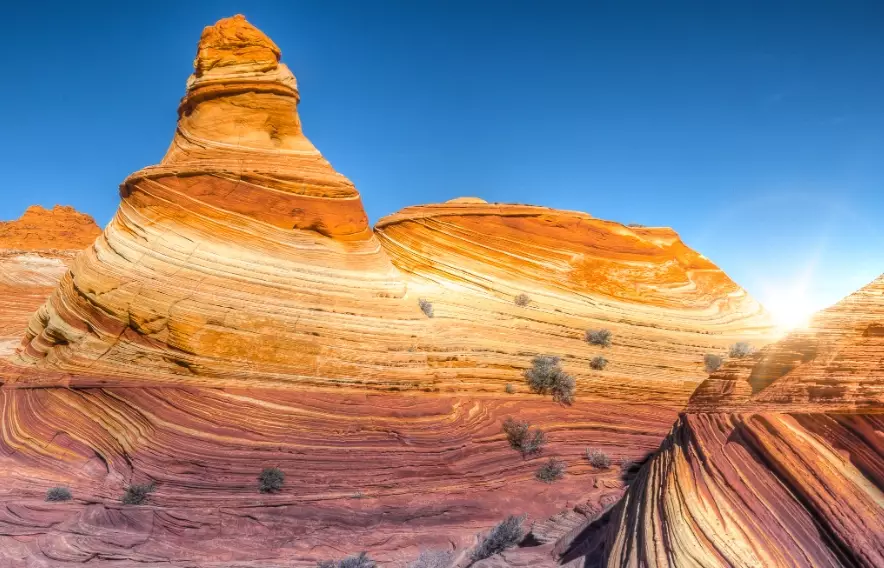
Final, Honest Thoughts
The journey to see The Wave in the Vermilion Cliffs National Monument is a test of patience, planning, and perseverance. The permit lottery can feel like a cruel joke. The road is terrible. The hike is disorienting.
But standing in that silent, swirling sandstone basin, with colors shifting as the sun moves, makes every bit of the hassle worth it. It feels less like visiting a park and more like being granted temporary access to a secret, ancient world.
Go with respect, go prepared, and go with the understanding that the difficulty is part of what keeps it special. Good luck with the lottery. You'll need it. And maybe I'll see you out there, looking equally lost and amazed.
P.S. – For the most current, official information, always double-check the source: the BLM's Vermilion Cliffs National Monument page. Rules and conditions do change.
Reader Comments