You've seen the pictures. Those towering red buttes rising from a flat desert floor, bathed in golden light. It's one of the most recognizable landscapes on the planet. But standing there, feeling the wind whip sand against your legs and watching the shadows stretch for miles, you realize photos don't capture it. There's a weight, a silence, a presence that's hard to explain. So what is so special about Monument Valley? It's not just one thing. It's a perfect storm of geology, culture, cinema, and a feeling you can't get anywhere else.
I've been there half a dozen times, in blistering summer heat and freezing winter dawns. I've made every rookie mistake so you don't have to. This isn't just a list of facts. It's a breakdown of why this place sticks with you, and exactly how to experience it for yourself.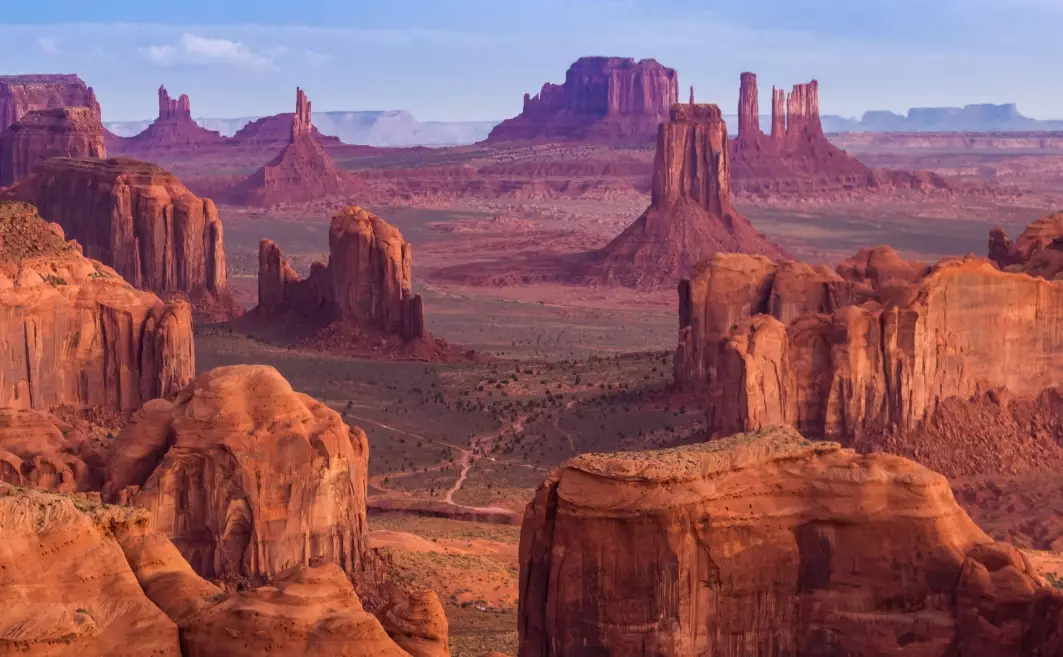
Your Monument Valley Roadmap
A Geology Story Millions of Years in the Making
First, the science. Those aren't mountains. They're remnants. Think of the valley floor as a giant sheet of rock that's been slowly eroding for 50 million years. The buttes you see—like the iconic East and West Mitten—are the tough survivors. They're made of de Chelly sandstone, a hard caprock that protects the softer shale and sandstone underneath from completely washing away.
The result is a landscape of isolation. Each butte stands alone, separated by vast flats of exposed bedrock. This creates the profound sense of space and scale that hits you the moment you enter. The vertical lines of the rock faces against the horizontal stripes of the valley floor are a study in contrast. It feels ancient, patient, and utterly indifferent to human scale. That's the first special ingredient.
The Mittens and Merrick Butte: The Classic Trio
No discussion is complete without them. The East and West Mitten Buttes look like giant thumbs-up signs (or mittens, obviously). Merrick Butte stands nearby. They are the postcard view from the visitor center. What most people miss is how their appearance changes wildly throughout the day. At noon, they look flat. At sunset, they glow like embers. At sunrise, they cast long, sharp shadows that seem to connect them across the desert. Spend time just watching this one view.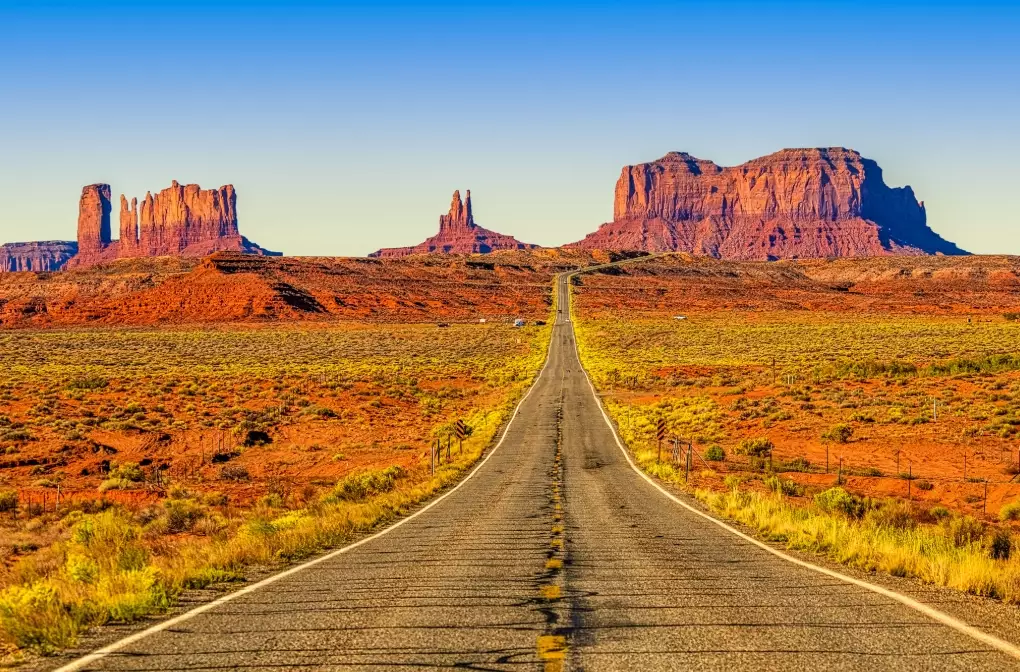
The Navajo Cultural Heart You Can't Ignore
This is the most critical thing to understand. Monument Valley is not a U.S. National Park. It's Monument Valley Navajo Tribal Park, managed by the Navajo Nation. This land is home. That changes everything.
You are a guest on sovereign land with a living culture. The rock formations aren't just scenic; they hold stories, names, and spiritual significance in the Navajo (Diné) tradition. For example, the buttes known as "The Mittens" are said to be the hands of a great being. This context adds a layer of meaning you won't find at the Grand Canyon.
Hollywood's Favorite Backlot: How Movies Made It Famous
Our collective image of the "American West" was largely forged here. Director John Ford shot nine films in Monument Valley, starting with Stagecoach in 1939. He used the buttes as a colossal, ready-made set to frame stories of heroes, outlaws, and epic journeys.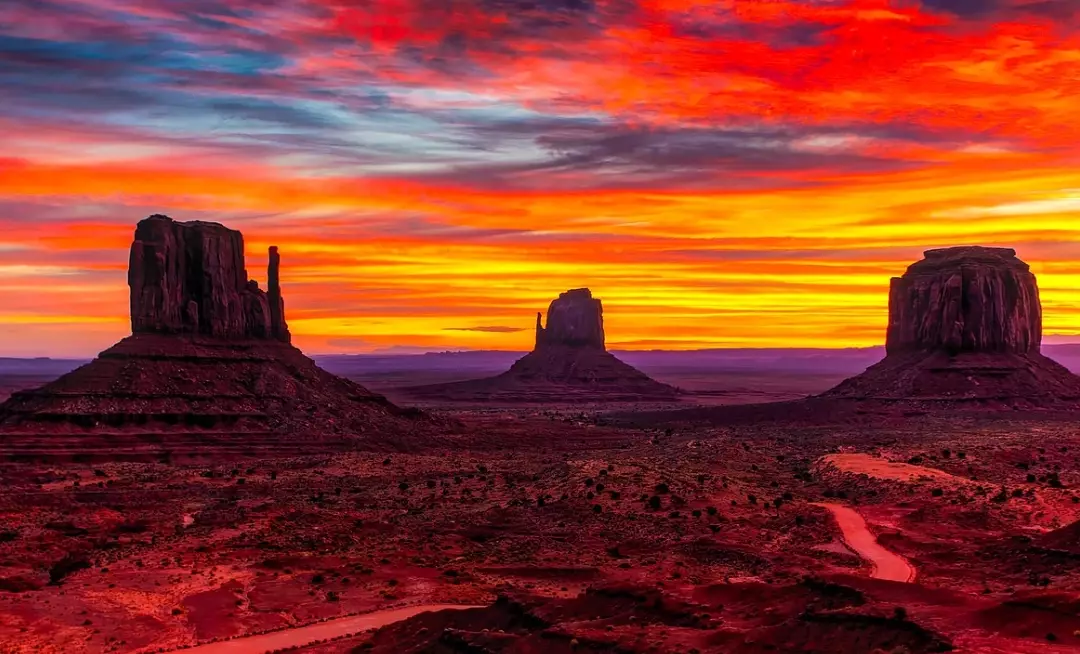
Because of Ford, when you look at the Totem Pole or John Ford's Point, you're not just seeing rock. You're seeing the backdrop for classic Westerns starring John Wayne. Later, it appeared in everything from Forrest Gump (where he stops running) to Back to the Future Part III and modern car commercials. This cinematic history has baked the landscape into our global subconscious. You feel like you've been there before, even on your first visit.
Planning Your Visit: Tickets, Tours & Practical Stuff
Let's get concrete. How do you actually do this?
Monument Valley Tribal Park: Need-to-Know Info
Location: Along the Arizona-Utah border, within the Navajo Nation. The nearest sizable town is Kayenta, AZ (about 22 miles south).
Visitor Center Address: U.S. Route 163, Oljato-Monument Valley, AZ 84536. (It's well-signed).
Park Hours: Typically 6:00 AM to 8:00 PM (May-Sept) and 8:00 AM to 5:00 PM (Oct-Apr). Hours can change seasonally, so always check the Navajo Parks & Recreation website before you go.
Entrance Fee: $20 per vehicle (up to 4 people). $10 per additional passenger. $6 per motorcycle. Cash and credit cards are usually accepted.
The Scenic Drive: A 17-mile unpaved, dusty, rough loop road. It takes about 2-3 hours. Standard sedans can do it if driven slowly and carefully, despite what some overly cautious guides say. But high clearance is more comfortable. No off-roading is allowed.
Booking a tour? I recommend two types:
Sunrise or Sunset Tour: For photography. The guides know exactly where to be for the best light. They'll get you to spots before the gates open to the public.
Cultural Tour: Focuses on history, stories, and traditional uses of the land. You'll likely visit a traditional hogan (dwelling) and learn about Navajo crafts.
You can book tours through the visitor center or reputable operators like Simpson's Trailhandler Tours or Sacred Monument Tours.
The Photographer's Guide: Capturing the Magic
Everyone wants that shot. Here’s the real advice beyond "bring a tripod."
The light is everything. The hour after sunrise and the hour before sunset are non-negotiable. Midday light is harsh and flat. During golden hour, the red sandstone seems to light from within.
Top Three Vantage Points:
1. John Ford's Point: The classic, wide view of the Mittens. Best at sunset. You'll often see a Navajo guide on horseback there for photos (for a tip).
2. The View Hotel Balcony: Even if you're not staying at The View Hotel, their balcony is accessible and offers an elevated, panoramic perspective perfect for sunrise.
3. Artist's Point: A pull-out on the scenic drive offering a slightly different, more intimate composition of the buttes.
A common mistake? Using too wide a lens and making the buttes look small and distant. A medium telephoto (70-200mm) is often more powerful for compressing the scene and highlighting the dramatic shapes against the sky.
Your Monument Valley Questions, Answered
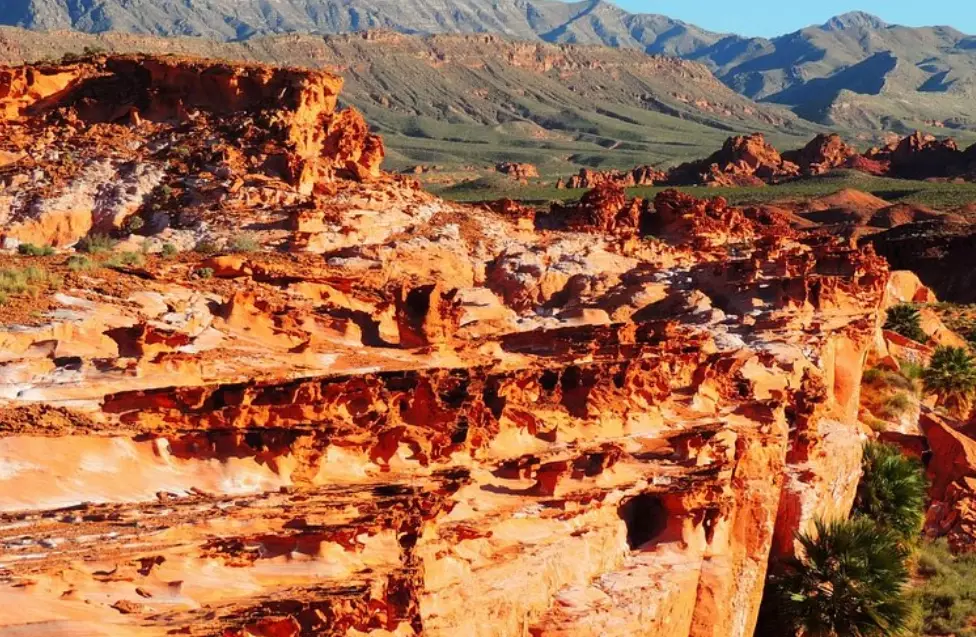
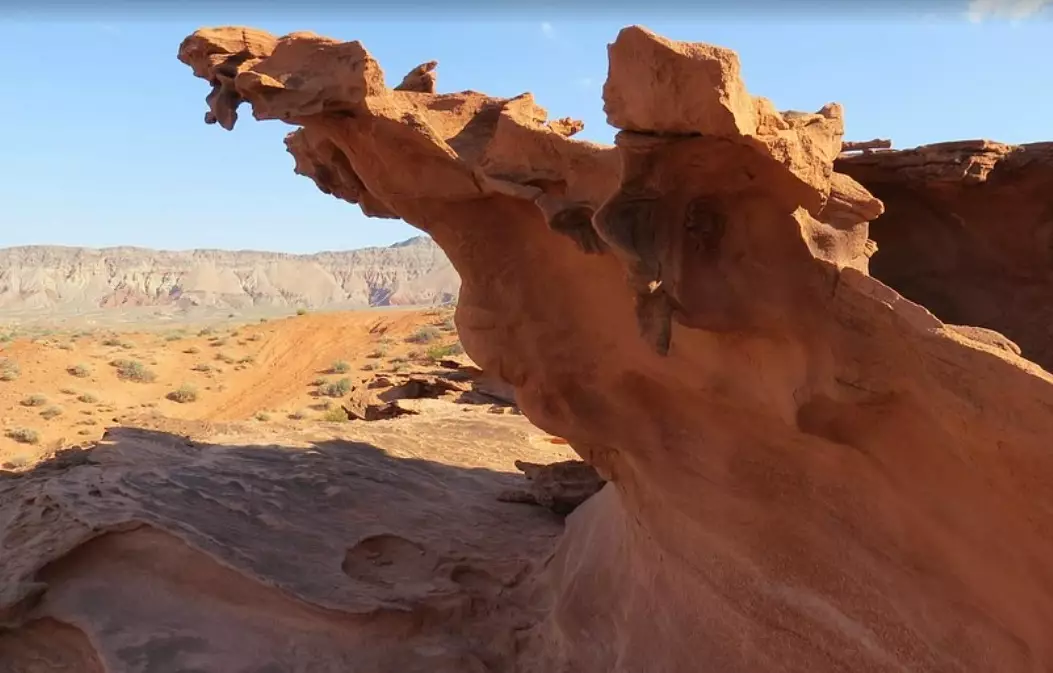 So, what's so special about Monument Valley? It's the intersection of raw, timeless geology and a vibrant, enduring culture, all framed by our own cinematic mythology. It's a place that feels both profoundly ancient and instantly familiar. It demands you slow down, look closer, and remember you're just a visitor in a story much bigger than yourself. That's the magic no photo can ever fully steal.
Reader Comments