Let's be honest. When you think of Arizona, the Grand Canyon is the first thing that pops into your head. It's a global icon for a reason. But if that's all you see, you're missing the soul of the American Southwest. Arizona, the quintessential desert state, is a layered masterpiece of crimson rock formations, ancient cultures, sprawling saguaro forests, and skies so big they make you feel small in the best way possible.
I've spent over a decade exploring every corner of this state, from well-trodden park trails to hidden washes only locals know. I've also watched countless visitors make the same mistakes—rushing from one overlook to the next, battling the heat unprepared, and leaving with beautiful photos but a shallow experience.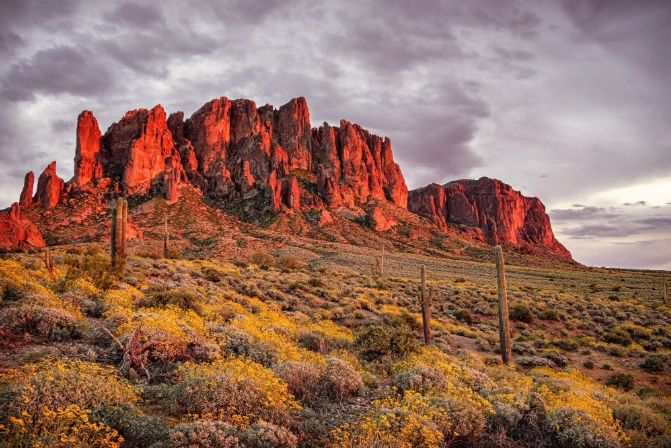
This guide isn't a list of facts you can find anywhere. It's a blueprint for a meaningful Arizona adventure. We'll dive into the must-sees, sure, but more importantly, we'll talk about how to see them, how to connect with the landscape, and how to travel here with respect for both the environment and the communities that call it home.
How to Plan Your Arizona Itinerary
Most people try to cram too much. The distances are deceptive on a map. Phoenix to the Grand Canyon South Rim is about a 3.5-hour drive without stops. Trying to do Phoenix, Sedona, and the Grand Canyon in a frantic two-day loop is a recipe for exhaustion.
Here’s a realistic, experience-focused 7-day Arizona road trip that balances driving with immersion. This loop starts and ends in Phoenix (PHX), the major air hub.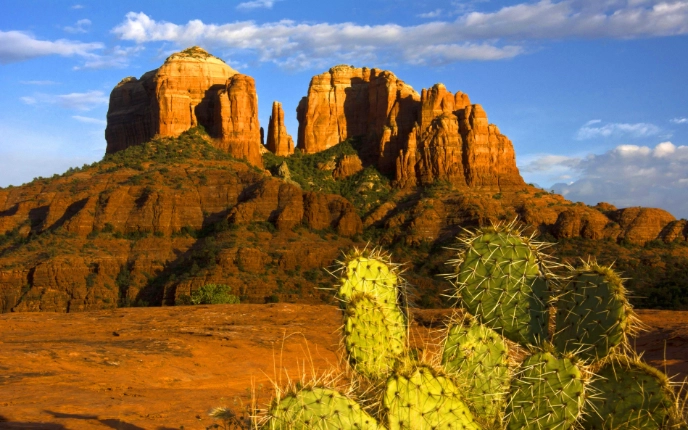
| Day | Focus | Key Stops & Activities | Overnight |
|---|---|---|---|
| 1 | Arrival & Desert Intro | Land in Phoenix. Head straight to South Mountain Park for sweeping city views. Adjust to the arid air. Eat dinner at a local Southwestern grill. | Phoenix |
| 2 | Phoenix to Sedona | Drive north (2 hrs). Stop at Montezuma Castle National Monument. Arrive in Sedona, do the easy Bell Rock Pathway hike to feel the famous red rocks. | Sedona |
| 3 | Sedona Deep Dive | Sunrise hike to Devil's Bridge (get there by 6 AM to avoid crowds). Afternoon visit to the Chapel of the Holy Cross. Optional jeep tour or spa time. | Sedona |
| 4 | Sedona to Grand Canyon | Scenic drive through Oak Creek Canyon. Continue to Grand Canyon South Rim (2.5 hrs). Walk the Rim Trail from Mather Point to Village. | Tusayan or Grand Canyon Village |
| 5 | Grand Canyon Exploration | Watch sunrise at Mather Point. Hike a portion of the Bright Angel Trail (go down, what goes down must come up!). Drive Desert View Drive to the Watchtower. | Tusayan or Grand Canyon Village |
| 6 | To Monument Valley | Long drive east (4+ hrs). Enter the Navajo Nation. Arrive for a late afternoon guided tour of Monument Valley floor. Sunset at the View Hotel overlook. | Monument Valley |
| 7 | Return to Phoenix | Morning photography. Drive back via Kayenta and Tuba City (stop at the Navajo Code Talkers exhibit). Return to PHX (5.5-6 hrs). | Flight out or Phoenix |
Too fast? Extend it. Add a day in Sedona for more hiking, a day at the Grand Canyon to hike deeper, or a day to detour to Antelope Canyon/Horseshoe Bend near Page.
Arizona's Must-See Attractions: A Deep Dive
Beyond the postcard views, each iconic spot has nuances that most guides gloss over.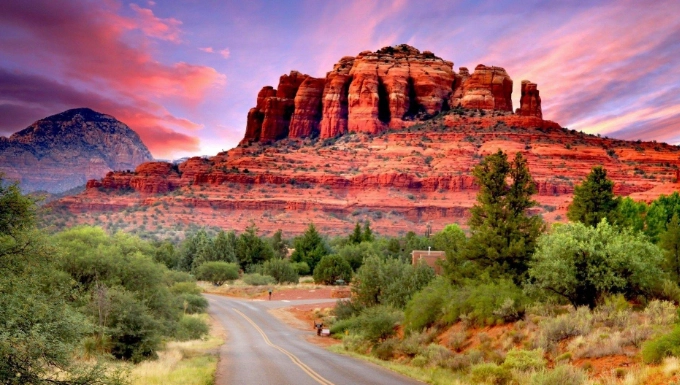
Grand Canyon National Park
Address: South Rim Entrance, AZ-64, Grand Canyon, AZ 86023. Park Entrance Fee: $35 per private vehicle (valid 7 days). South Rim is open 24/7, but visitor center hours vary.
Everyone goes to Mather Point. It's packed by 9 AM. My advice? Drive or take the shuttle to Yaki Point or Mohave Point for a quieter, equally stunning sunrise.
The biggest mistake? Just looking from the top. The Grand Canyon's scale only becomes real when you descend into it. Even a 1.5-mile (one-way) hike down the South Kaibab Trail to Ooh Aah Point changes everything. You need proper hiking shoes, not sandals. And for every hour you hike down, budget at least 1.5 hours to come back up. The uphill is brutal.
Most visitors ignore the Desert View Drive (AZ-64 east of the village). The 25-mile drive ends at the Desert View Watchtower, with panoramic views of the Colorado River and the Painted Desert. It's far less crowded and offers a different perspective.
Sedona & Red Rock Country
Sedona's main drag, Highway 89A, can feel like a spiritual-themed strip mall. The real magic is on the trails.
Devil's Bridge Trail: The most popular hike for that iconic photo on the natural arch. Parking at the main trailhead fills by 7 AM. If it's full, you can park at the Mescal Trailhead and take a longer, more scenic 4.2-mile round-trip route. This is actually preferable—fewer people, better views.
Cathedral Rock Trail: Short but steep. It's a scramble requiring hands and feet. The view from the saddle is worth every panting breath. Go for sunset, but bring a headlamp for the descent.
Chapel of the Holy Cross: 780 Chapel Rd, Sedona, AZ 86336. Open 9 AM - 5 PM daily. Free to enter, donations accepted. It's an architectural wonder built into the rocks. Parking is extremely limited. Go on a weekday morning or late afternoon.
People obsess over the "vortex" sites (Bell Rock, Airport Mesa). Are they powerful energy centers? I felt a deep sense of peace, but whether it's electromagnetic or just the awe-inspiring scenery is up to you.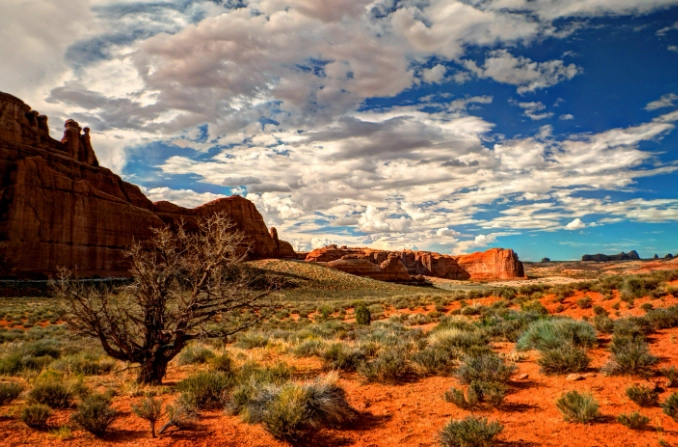
Monument Valley Navajo Tribal Park
Address: U.S. 163 Scenic, Oljato-Monument Valley, AZ 84536. Park Hours: 6:30 AM - 8:00 PM (Summer), 8:00 AM - 5:00 PM (Winter). Entrance Fee: $20 per person (ages 9+), plus $8 per vehicle.
This isn't a U.S. National Park; it's sovereign Navajo land. That distinction matters. You can do the 17-mile self-driving loop on a rough dirt road (high-clearance vehicle recommended), but you cannot leave your car or hike off the road without a Navajo guide.
Here's the non-consensus take: The guided tour is non-negotiable. The standard 2.5-hour tour gets you up close to the mittens, lets you walk in the sand, and includes stories you'd never hear otherwise. I used Simpson's Trailhandler Tours and our guide shared history and pointed out petroglyphs we'd have driven right past. It cost about $80-$100 per person and was the highlight of my trip.
Stay at The View Hotel (yes, that's its name). Every room has a balcony facing the mittens. Book months in advance. Waking up to that sunrise from your bed is unforgettable.
Traveling in Arizona: Practical Tips & Common Pitfalls
When to Go (It's Not Just About Summer vs. Winter)
Spring (March-May) and Fall (Sept-Nov) are perfect statewide. But there's a twist: Elevation is everything. In April, Phoenix might be a pleasant 80°F (27°C), but the Grand Canyon South Rim (at 7,000 feet) could still have snow patches and be in the 40s (4-9°C). Pack layers—always.
Summer (June-August) in the low deserts (Phoenix, Tucson) is brutally hot, often over 110°F (43°C). Hiking is dangerous past 9 AM. But it's also the best time to visit the higher elevations like Flagstaff or the North Rim of the Grand Canyon, where daytime temps are in the 70s-80s (21-27°C).
Getting Around: You Need a Car
Public transport between cities is virtually non-existent for tourists. Rent a car. A standard sedan works for the main highways, but if your itinerary includes Monument Valley's dirt loop or backroads to remote trailheads, consider an SUV.
Gas up whenever you're near half a tank. Stations can be 50+ miles apart in northern Arizona.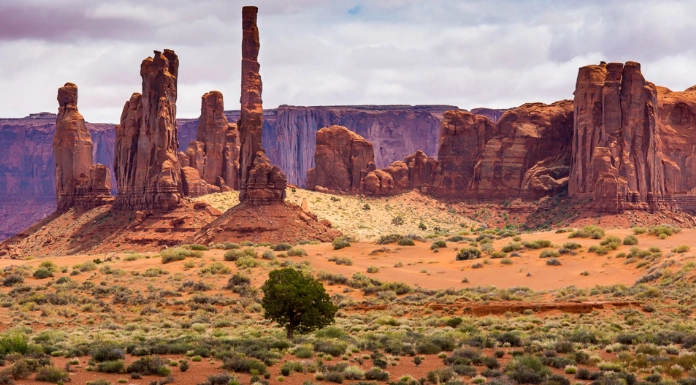
Where to Stay: Beyond the Chains
Sedona: Skip the generic motels on the highway. Look for a casita or inn in West Sedona or the Village of Oak Creek for more charm and slightly better prices. I enjoyed the Sky Ranch Lodge for its incredible airport mesa views.
Grand Canyon Area: Staying inside the park at Bright Angel Lodge or El Tovar is fantastic but books up a year in advance. The town of Tusayan, just 10 minutes south, has more options. Book early regardless.
Monument Valley: As mentioned, The View Hotel is the only hotel inside the park. Goulding's Lodge, a few miles away, is the other main (and good) option.
Respecting the Land and Culture
This is critical. You're visiting ancestral lands of the Navajo, Hopi, Apache, and other nations.
- Stay on marked trails. The desert crust (cryptobiotic soil) is a living ecosystem that takes decades to grow. One footstep can destroy it.
- Ask before photographing people. This is especially important in the Navajo Nation.
- Don't touch or remove artifacts, rocks, or plants. It's not just etiquette; it's often illegal.
- Support local businesses—eat at family-run diners, hire Native guides, buy directly from artisans at roadside stands.
Reader Comments