If you've ever driven through Arizona's deserts in spring and spotted a vibrant purple bloom, you're probably wondering: what is that stunning purple desert flower? It's not just one plant—it's often the desert lupine (Lupinus sp.), a iconic wildflower that paints the landscape with color. But there's more to it than meets the eye. In this guide, I'll break down everything from identification to the best spots to see it, based on my years of exploring Arizona's backcountry. Let's get straight to the point: this flower is a highlight of the desert spring, and knowing where and when to look can make your trip unforgettable.
Your Guide at a Glance
What Exactly is the Purple Desert Flower?
Most people refer to the purple desert flower in Arizona as the desert lupine, specifically Lupinus arizonicus or Lupinus sparsiflorus. It's a legume that thrives in sandy, well-drained soils after winter rains. The flowers are pea-like, arranged on spikes, and range from deep violet to lavender. But here's a nuance: other purple blooms like phacelia or verbena can mix in, causing confusion. I've seen tourists misidentify them all the time. The desert lupine stands out with its palmate leaves and height up to 2 feet. It's not just pretty—it's crucial for desert ecosystems, fixing nitrogen and supporting pollinators. For accurate info, I often check the USDA Plants Database, which lists native species.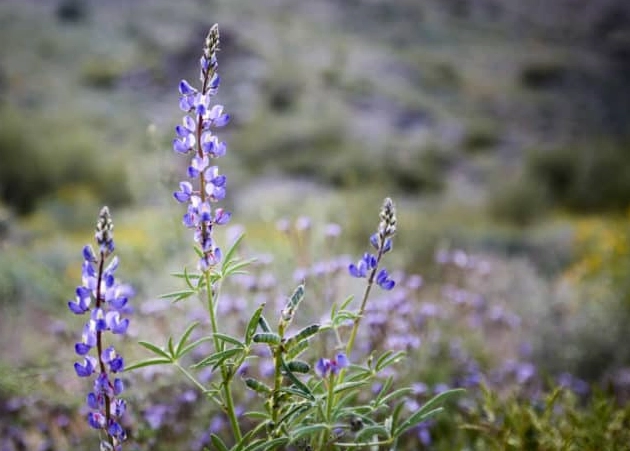
Top Spots to See the Purple Desert Flower
Finding these flowers isn't hard if you know where to go. Based on my trips, here are the prime locations, with practical details to plan your visit. Remember, blooms vary yearly with rainfall.
td>Late February to April| Location | Address & Area | Entrance Fee | Best Viewing Time | How to Get There |
|---|---|---|---|---|
| Saguaro National Park (East) | 3693 S Old Spanish Trail, Tucson, AZ | $25 per vehicle (valid 7 days) | From Tucson, take I-10 to exit 279, follow signs; parking available at visitor center. | |
| Lost Dutchman State Park | 6109 N Apache Trail, Apache Junction, AZ | $10 per vehicle | March to early May | From Phoenix, take US-60 east to AZ-88, park near the trailheads. |
| Organ Pipe Cactus National Monument | 10 Organ Pipe Dr, Ajo, AZ | $25 per vehicle | February to March | From Tucson, drive south on AZ-85; remote, so fill gas in Ajo. |
| Picacho Peak State Park | 15520 Picacho Peak Rd, Picacho, AZ | $7 per vehicle | Mid-February to April | On I-10 between Phoenix and Tucson, exit 219; easy highway access. |
Saguaro National Park is my favorite—the Cactus Forest Loop Drive offers roadside blooms without hiking. But don't overlook smaller areas like roadside pulls along AZ-79 near Florence. I once found a hidden patch there with no crowds. A common mistake: people only stick to parks, but many Bureau of Land Management (BLM) lands have free access and stunning displays. Check the BLM website for updates.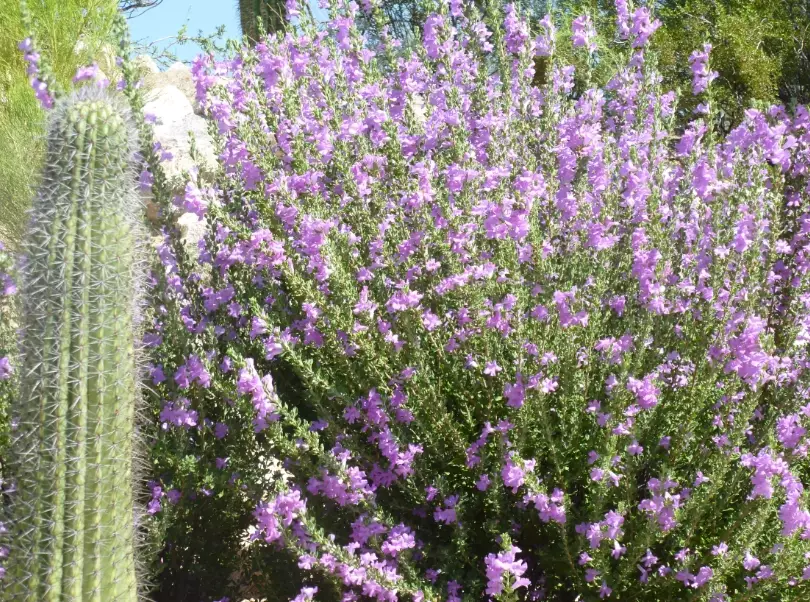
Insider Tips for Access and Timing
Parks open at sunrise and close at sunset; for Saguaro, the visitor center hours are 9 AM to 5 PM. Arrive early to avoid heat and crowds. At Lost Dutchman, the Prospector's View Trail is less trafficked—I've seen lupines there even in drier years. Public transportation is limited; renting a car is essential. From Phoenix Sky Harbor Airport, it's a 45-minute drive to Lost Dutchman. Budget for fees: an annual Arizona State Parks pass costs $75 and covers multiple sites.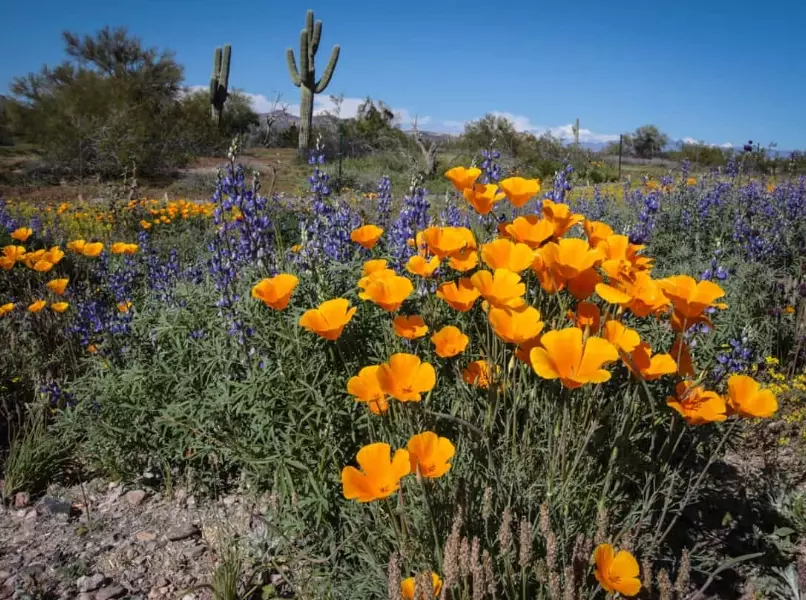
When to Visit for the Best Blooms
Timing is everything. The purple desert flower typically blooms from late February through April, but it depends on winter rains. In wet years, like 2023, blooms exploded in March. In drought years, they might be sparse. I monitor the Desert USA wildflower reports for updates. Early morning light enhances the purple hue—I always aim for 7-10 AM. Late afternoon works too, but midday sun can wash out colors. A pro tip: visit after a warm spell following rain; that triggers mass flowering. Don't rely solely on calendar dates; call park rangers ahead for current conditions.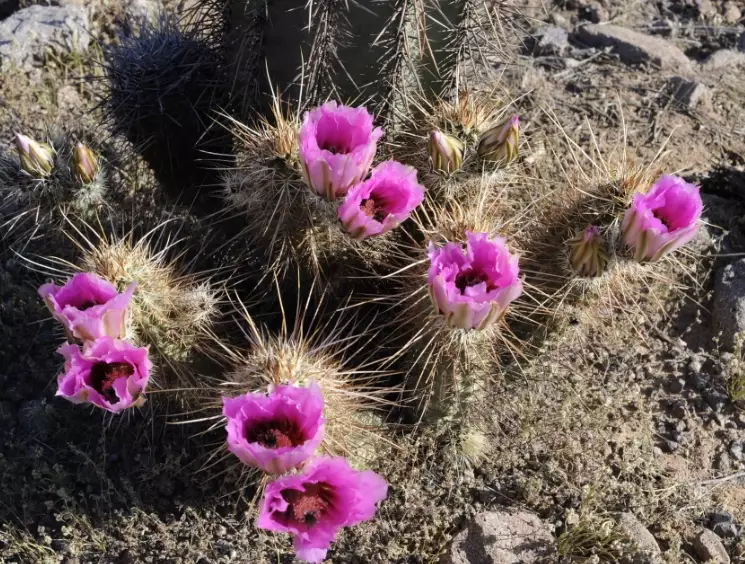
Personal Experience: Last spring, I went to Picacho Peak in early March after a rainy February. The slopes were carpeted in purple, but by April, most had faded. I've also seen tourists come in May and leave disappointed—it's too hot by then.
How to Identify the Flower Like a Pro
Identifying the desert lupine takes practice. Look for these key features: clusters of purple flowers on upright spikes, leaves divided into 5-11 leaflets (like a hand), and a height of 1-2 feet. The stem is often hairy. Compare it to similar plants: phacelia has bell-shaped flowers and fern-like leaves, while verbena has smaller clusters. I use a field guide like "Arizona Wildflowers" by Richard Spellenberg. One subtle error: people confuse lupines with non-native weeds like purple loosestrife, which isn't common in deserts. Take close-up photos of leaves and flowers—apps like iNaturalist help, but verify with local experts. The Arizona Native Plant Society offers free online resources for confirmation.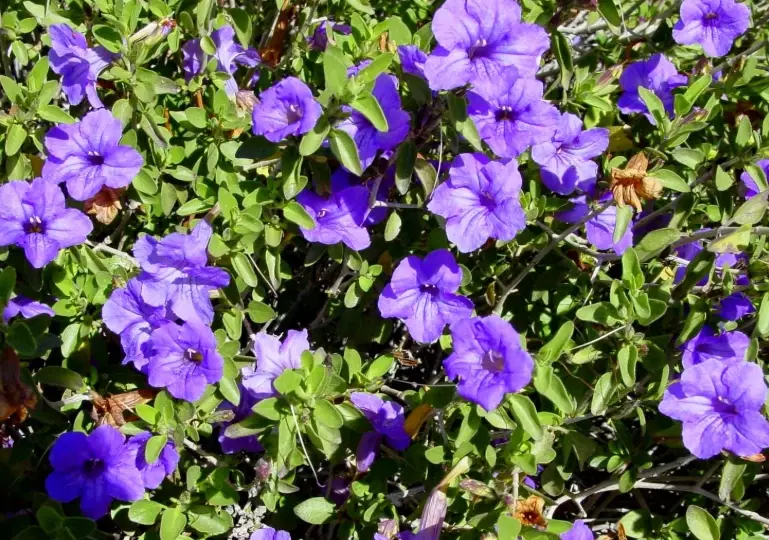
Ethical Viewing and Conservation Tips
Enjoy the flowers without harming them. Stay on designated trails—trampling kills plants and compacts soil. I've seen areas ruined by off-trail photographers. Don't pick the flowers; it's illegal in state parks and reduces seed production. Use zoom lenses for photos. Carry out trash, and avoid disturbing wildlife. Drought stresses these plants, so conserve water on your trip. Support conservation by donating to groups like the Arizona-Sonora Desert Museum. My rule: leave no trace, and share locations discreetly to prevent overcrowding.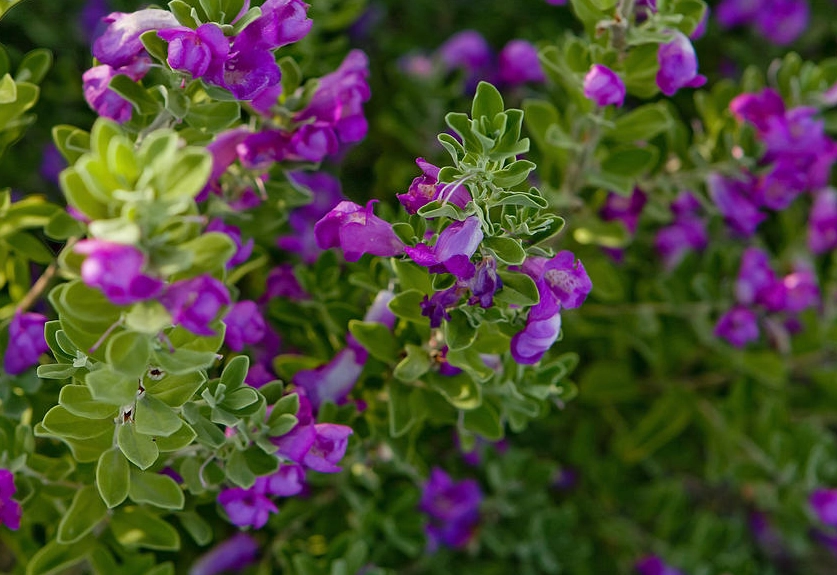
Frequently Asked Questions
To wrap up, the purple desert flower in Arizona is a marvel worth seeking. With this guide, you're equipped to identify it, find the best spots, and visit responsibly. Whether you're a first-timer or a seasoned explorer, the desert's spring display never fails to impress. Get out there and see it for yourself—but remember, nature's schedule is always in charge.
Reader Comments