Quick Navigation
- So, What Exactly Is White Pocket?
- The Not-So-Fun Part: Getting to White Pocket Trail
- Okay, You've Arrived. Now What? (The Actual "Hiking")
- Permits, Camping, and the Practical Stuff
- What to Pack: The Non-Negotiable List
- White Pocket vs. The Wave: Why Choose White Pocket?
- Frequently Asked Questions (The Real Ones)
- My Final, Honest Take
Let's be real. You've probably seen a photo. One of those surreal, brain-bending landscapes that looks like a cross between a melting vanilla swirl and a Martian canyon. You thought, "Where on earth is that?" And after some digging, you found the name: White Pocket.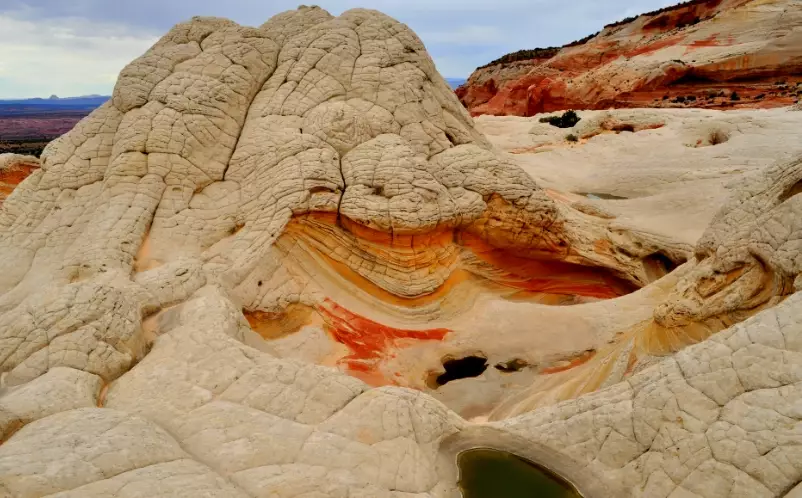
Now you're here, trying to figure out if you should actually go. Is the White Pocket Trail worth the insane drive? What's the hike really like? Can you do it in a sedan? (Spoiler: almost certainly not). I've been there, gotten lost, been awestruck, and cursed the roads. This isn't a fluffy travel piece. It's the straight talk I wish I'd had before my first trip.
Bottom Line Up Front: White Pocket is not a traditional, marked "trail" in the way you might imagine. It's a vast, unmarked area of otherworldly rock formations where you wander and explore. The "trail" part is more about the journey to get there and navigating the landscape once you arrive. The effort to reach the White Pocket Trail area is 90% of the challenge—and the reward.
So, What Exactly Is White Pocket?
Forget everything you know about standard hiking trails. The White Pocket Trail experience is different. It's a remote, high-desert basin in the Vermilion Cliffs National Monument, about an hour's drive (on rough dirt) from the nearest pavement. The name comes from the white, dome-like "pockets" of Navajo Sandstone that dominate the area, but that's just the start.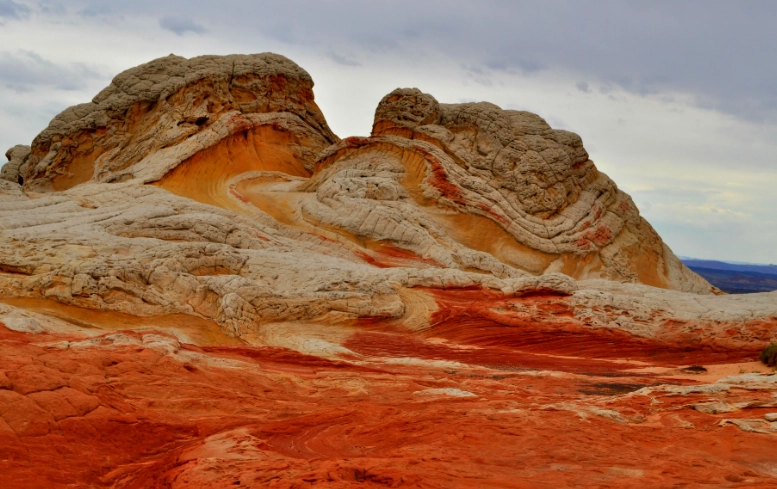
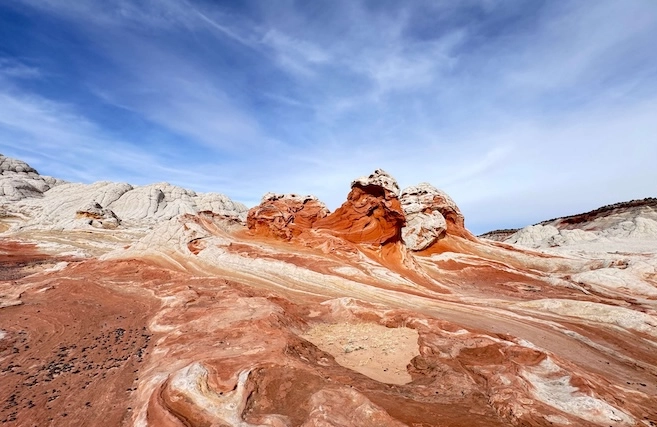
The real magic is in the swirling, cross-bedded rock. Layers of red, white, and orange sandstone have been twisted, fractured, and eroded into shapes that defy logic. It looks like petrified waves, brain coral, or a giant marble cake. Geologists believe this chaos was caused by the liquefaction and contortion of sand dunes after a seismic event, maybe an ancient earthquake. Standing on it feels... unstable, in the best way possible.
Here's the thing they don't always tell you. It's not huge. You can explore the main area in a few hours. But every corner reveals a new abstract sculpture. It's less about hiking a distance and more about exploring a natural art gallery.
The Not-So-Fun Part: Getting to White Pocket Trail
This is the gatekeeper. The reason White Pocket isn't overrun. The drive will test your vehicle and your nerves.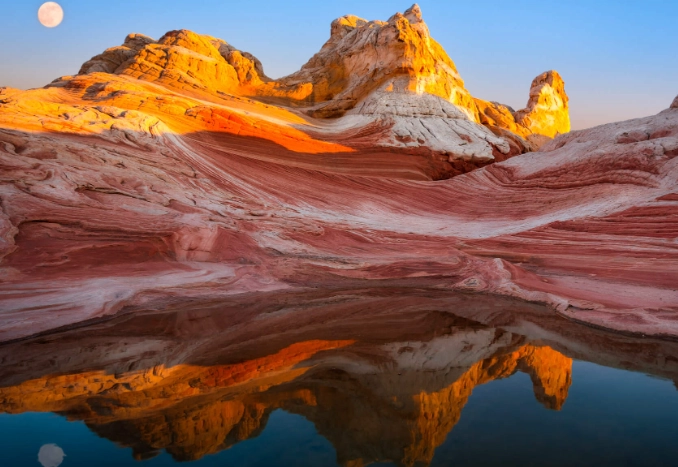
There are two main routes, both branching off from House Rock Valley Road (a long, graded dirt road itself).
Listen carefully: After any rain or snow, these roads become IMPASSABLE clay pits. Even a heavy 4x4 can get stuck. The Bureau of Land Management (BLM) explicitly warns against this. Check the BLM's Vermilion Cliffs page for current conditions. I learned this the hard way after a spring shower added a three-hour delay to my trip.
The Two Main Routes Compared
| Route | Starting Point | Distance (Dirt) | Difficulty | Key Feature | My Recommendation |
|---|---|---|---|---|---|
| North ("Wire Pass") Route | Near Wire Pass Trailhead | ~17 miles | High Clearance 4x4 REQUIRED. Deep sand, whoops, tricky climbs. | More direct, passes near Coyote Buttes. | For experienced off-roaders with capable trucks/SUVs only. |
| South ("Pine Tree") Route | Pine Tree Junction on Hwy 89A | ~10 miles | High Clearance 4x4 STRONGLY advised. Rocky, rutted, sandy sections. | Shorter, but has a notoriously rocky and steep section known as "The Step." | The most common path. Still, don't attempt in an AWD crossover. |
I took the South Route in a stock 4Runner. "The Step" had me sweating. It's a short, steep, rocky climb that requires careful tire placement. A guy in a lifted Jeep Wrangler breezed up it. A family in a Subaru Forester turned around. Know your vehicle's limits.
Navigation is critical. Cell service is zero. Download offline maps on Gaia GPS or OnX. The turn-off to the final White Pocket Trail parking area is a faint, unmarked sandy path. I drove past it twice. Look for a small, weathered wooden post—if it's still there.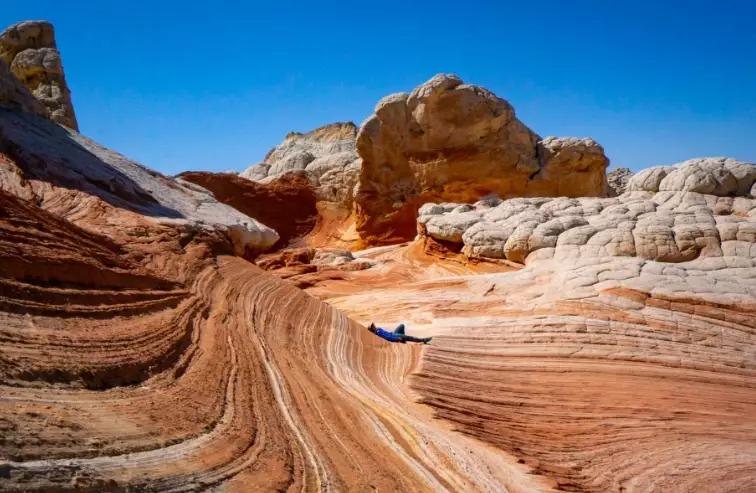
Okay, You've Arrived. Now What? (The Actual "Hiking")
You'll park in a sandy lot with maybe one or two other vehicles. There's a primitive campsite (more on that later). From here, you just walk toward the white domes. There's no kiosk, no sign-in sheet, no defined White Pocket Trailhead marker. You're on your own.
Pro-Tip for First-Timers: From the parking lot, aim for the obvious large white dome to the northeast. Skirt its left (west) side. This will bring you into the heart of the formations. It's easy to get disoriented once you're down in the swirls, so periodically climb to a high point to reorient yourself back to the main white dome or your vehicle.
The terrain is a mix of slickrock, soft sand, and sometimes narrow cracks. Good hiking boots are a must—the rock can be slippery when sandy. You'll be doing a lot of gentle scrambling, up and down the undulating formations.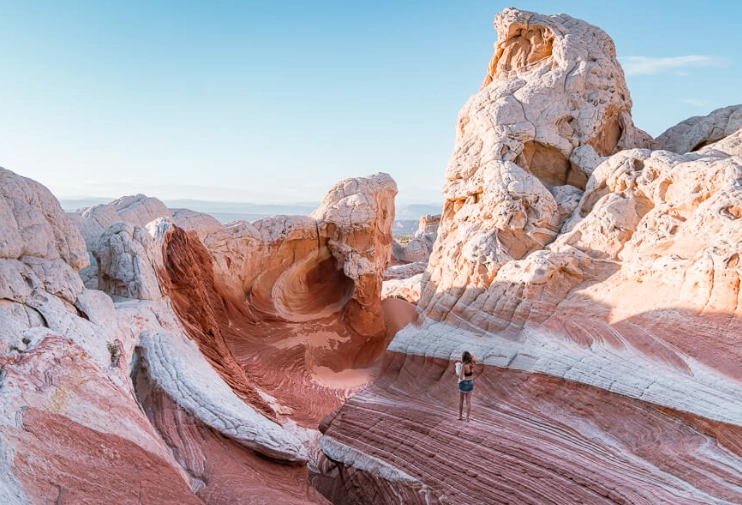
People always ask, "How long is the White Pocket Trail?" It's the wrong question. You can have a fulfilling experience in 2 hours if you're short on time, or spend 5-6 hours wandering every nook. I spent about 4 hours and felt I saw most of the core area without rushing.
Can't-Miss Photo Spots (Even on a Phone)
The light is everything. Midday sun flattens the textures. Sunrise and sunset are pure magic, painting the swirls in gold and red.
The Brain: You'll know it when you see it. A large area of incredibly intricate, convoluted swirls that look exactly like a giant brain. Best shot in the late afternoon when shadows define the grooves.
The Wave Lookalike: There's a small, perfect section of undulating stripes that photographers love because it mimics the famous Wave in Coyote Buttes (North). It's much easier to find than its permit-restricted cousin.
The Overlook: On the eastern edge of the main area, a climb up leads to a view over the entire White Pocket basin. It's the best place for a panorama and to grasp the scale of the geology.
Honestly, the best photo spot is wherever the light is hitting when you're there. Wander. Get low. Look for patterns.
Permits, Camping, and the Practical Stuff
This is where White Pocket is a glorious anomaly. Unlike the nightmarish lottery for The Wave, no day-use permit is required for White Pocket. Let that sink in. You can decide to go tomorrow. This is its biggest advantage.
However, if you plan to camp, you DO need a permit. It's a backcountry camping permit issued by the BLM. They're easy to get, often available last-minute, and cost $6 per person per night as of my last check. You can get them online in advance or self-register at major trailheads like Wire Pass. Always verify the latest rules on the official recreation.gov page for Paria Canyon.
Camping at White Pocket: The designated site is right at the parking area. It's primitive—just a flat sandy spot, a fire ring (check fire bans!), and no water, no toilet. Pack out EVERYTHING. The benefit? Having the place to yourself at sunset and sunrise is unbeatable. The stars are insane. The silence is profound.
What to Pack: The Non-Negotiable List
Forgetting water here isn't an inconvenience; it's an emergency.
- Water: A minimum of 1 gallon (4 liters) per person, per day. More in summer. I carried 5 liters for a day hike in October and drank almost all of it.
- Navigation: Fully offline GPS app/maps AND a physical map/compass as backup. Print a map from a site like HikeArizona.com.
- Vehicle Essentials: Full-size spare tire, tire repair kit, air compressor, jack, tow straps, extra fuel. Tell someone your plan and expected return time.
- Sun & Wind Protection: Wide-brim hat, sunglasses, sunscreen, lip balm, bandana. The wind can whip sand relentlessly.
- Footwear: Sturdy hiking boots with good grip. The rock is often gritty and slick.
- Food & Snacks: More than you think. You'll burn calories scrambling.
White Pocket vs. The Wave: Why Choose White Pocket?
Everyone asks this. They're cousins, geologically, but the experiences are worlds apart.
Getting a permit for The Wave (Coyote Buttes North) is like winning the lottery. You apply months in advance or show up for a daily walk-in lottery with slim odds. The pressure is on. You have a specific route to follow.
The White Pocket Trail area offers freedom. No intense permit scramble. You can explore at your own pace, get lost in the formations without a ranger-checked itinerary. Is it as visually iconic as The Wave's single, perfect swirl? Maybe not. But it's more varied, and in my opinion, more fun. You feel like a discoverer, not just a visitor on a permitted path.
It's the difference between a guided museum tour and finding a secret art studio.
Frequently Asked Questions (The Real Ones)
My Final, Honest Take
The White Pocket Trail journey is a pain. The drive is long, bumpy, and stressful. You'll eat dust and question your life choices for the last hour on that road.
But then you walk over that last rise.
The absurd, beautiful, impossible landscape unfolds in front of you. And you get it. The silence wraps around you, broken only by the wind. You're walking on a geological masterpiece that most people will only ever see in photos. There's no crowd, no noise, no barriers.
That moment makes every single bump worth it.
Respect the place. Respect the difficulty. Come prepared. If you do, White Pocket will hand you an experience—not just a hike—that sticks in your memory long after the dust has washed off your car.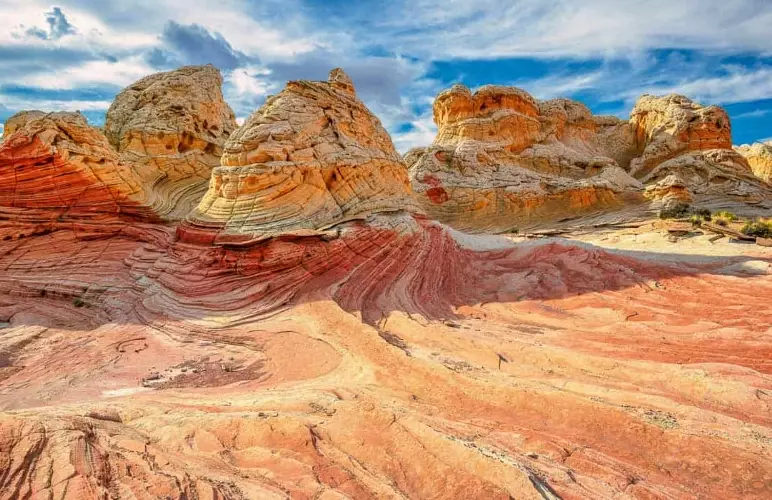
Reader Comments