Trail Guide Highlights
Let's be honest about the Douglas Spring Trailhead difficulty. You've probably seen it described as "moderate" on a bunch of hiking websites. That single word doesn't tell you much, does it? It's like calling a summer day in Arizona "warm." Technically true, but completely useless for planning your hike.
I've hiked this trail more times than I can count, in every season imaginable. I've seen people turn around after the first mile looking defeated, and I've watched seasoned hikers cruise up it with a smile. The difference always comes down to expectations. So, I'm going to break down the Douglas Spring Trailhead difficulty in a way those generic trail descriptions never do. We'll talk about what "moderate" really means here, when it feels more like "strenuous," and whether your fitness level is a good match.
Quick Trail Snapshot: The Douglas Spring Trail is a primary route in the Rincon Mountain District of Saguaro National Park. Starting from the Douglas Spring Trailhead, it climbs steadily into the foothills and eventually connects to the vast network of the Rincon Mountains. The first few miles to the spring are the most heavily traveled and are the focus of most discussions about its difficulty.
What Makes a Trail Difficult Anyway?
Before we get knee-deep in the specifics of the Douglas Spring Trail, let's agree on what we're measuring. Trail difficulty isn't just one thing. It's a combo plate of factors that hit you all at once.
For the Douglas Spring Trailhead difficulty, the main players are the elevation gain, the nature of the trail surface, the exposure to the sun, and the availability of water. If you're used to flat desert walks, this trail will be a wake-up call. If you're a mountain goat from Colorado, you might find it a pleasant stroll (though the sun might argue with you).
I remember my first time. I was feeling pretty good about myself, having done a few local loops. The trailhead starts innocently enough, but that consistent, unrelenting incline... it has a way of adding up quietly.
Breaking Down the Numbers: Elevation and Distance
The raw stats are a good starting point. From the Douglas Spring Trailhead to the actual Douglas Spring (a common turnaround point), you're looking at about 3.1 miles one-way. That's 6.2 miles round trip. The elevation gain over that distance is roughly 1,600 feet.
Now, 1,600 feet over 3 miles. On paper, that's a steady but manageable grade. But paper doesn't sweat. This is where the difficulty of Douglas Spring Trailhead starts to reveal itself. The gain isn't evenly distributed. There are steeper pitches, especially in the middle section, where you're scrambling over some rockier terrain. It's not technical climbing, but it requires paying attention to your feet.
| Trail Segment (from Trailhead) | Approx. Distance (one-way) | Elevation Gain | Perceived Difficulty Note |
|---|---|---|---|
| Start to First Major Wash | 0.8 miles | ~300 ft | Gentle introduction, lulls you in. |
| First Wash to Ridgeline | 1.2 miles (1.0 mi total) | ~700 ft | Steadier climb, sun exposure increases. |
| Ridgeline to Douglas Spring | 1.3 miles (2.3 mi total) | ~600 ft | Rockier, more varied terrain. The final push. |
See that? The middle mile packs a punch. That's the section where people often rethink their life choices and water supply.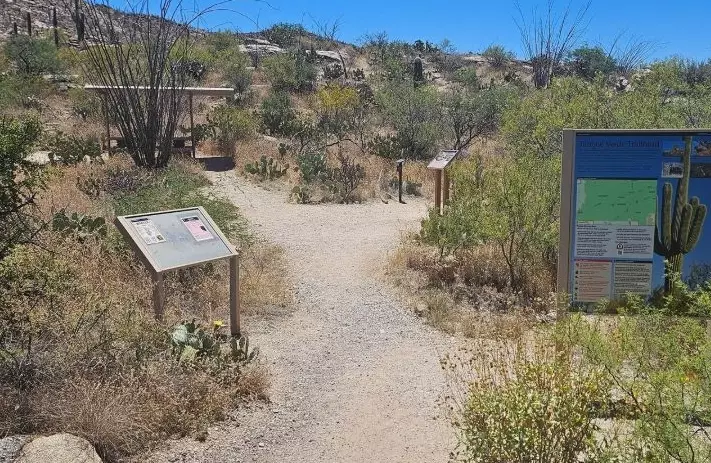
The Terrain Underfoot: It's Not a Sidewalk
This is a huge part of the Douglas Spring Trail hike difficulty that gets glossed over. You're not walking on a packed dirt path the whole time. The trail surface is a mix of loose gravel, packed earth, exposed bedrock, and sections of what I call "desert cobble"—small, loose rocks that can shift under your boot.
Good traction is non-negotiable. I've seen people in old running shoes slip on the gravelly descents. It's not treacherous, but it demands more from your ankles and stabilizer muscles than a flat, smooth trail. You're constantly making micro-adjustments. By the end of the hike, your legs might feel more tired than the pure elevation gain would suggest, simply from the constant engagement needed to navigate the uneven ground.
Footwear Tip: Don't even think about doing this in flimsy shoes. A solid pair of hiking boots or trail runners with good lug patterns is the single best piece of gear you can bring to manage the Douglas Spring Trailhead difficulty. Trust me on this.
The Sun and Heat: The Silent Difficulty Multiplier
Here's the real kicker for the Douglas Spring Trailhead difficulty. You can be in peak physical condition, but if you underestimate the Arizona sun, this trail will humble you. Fast.
The trail has long stretches with minimal shade, especially on the south-facing slopes. The sun reflects off the light-colored soil and rock, creating a kind of convection oven effect. Your body works exponentially harder to cool itself. What feels like a moderate workout in the shade becomes a grueling endurance test in the full sun.
I made the mistake once of starting at 10 AM in late May. Never again. The heat seemed to rise from the ground itself. My water vanished, and the usual difficulty of the Douglas Spring Trail was magnified tenfold. It was a dumb, potentially dangerous lesson.
So, when assessing the Douglas Spring Trail difficulty, you must, must, MUST factor in the time of day and season. A hike in November feels like a completely different trail than a hike in July.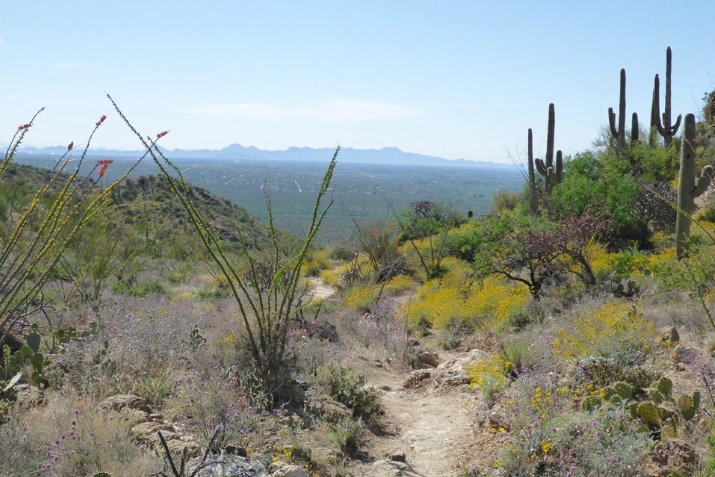
Seasonal Difficulty Ranking (My Personal Take):
Easiest: December - February (cool temps, but possible ice in shade)
Moderate (as advertised): March - April, October - November
Challenging: May, September
Potentially Dangerous/Strenuous: June - August (requires pre-dawn start)
Water and Exposure: The Logistics of Difficulty
Difficulty isn't just about the trail itself; it's about how you manage yourself on it. The Douglas Spring Trailhead has no water. None. You must carry all you'll need from your car. Douglas Spring, the namesake water source at the 3.1-mile mark, is not guaranteed. It can be a trickle or dry for much of the year. You cannot plan on filtering water there. The National Park Service is very clear about this.
This turns a key element of trail difficulty—resource management—up to high. The general rule in the desert is one gallon (about 4 liters) of water per person, per day. For this 6+ mile hike, especially in warmer months, I'd recommend at least 3 liters. The weight of that water adds to your pack weight, which adds to the overall Douglas Spring Trailhead difficulty. It's a self-fulfilling prophecy, but you can't cheat it.
There's also very little cell service once you're a short way in. You're on your own. That mental factor adds a layer of seriousness that a city park hike doesn't have.
Who Is This Trail Actually For?
Let's get practical. Is the Douglas Spring Trailhead difficulty right for you?
Good fit if you: Have some prior hiking experience, especially with elevation. You can walk 5-6 miles on flat ground comfortably. You understand the importance of hydration and sun protection. You're okay with a sustained workout and don't mind taking breaks.
Might want to think twice if you: Are a complete beginner to hiking. Have knee or ankle issues (the descent can be tough on joints). Plan to hike in the middle of a summer day. Are expecting a casual, flat nature walk.
It's an excellent "next step" trail for someone looking to move beyond the very flat, very easy loops in the park's valley section. It gives you a real taste of desert mountain hiking without committing to a multi-day backpacking trip.
How to Actually Prepare and Conquer It
Knowing about the Douglas Spring Trailhead difficulty is one thing. Preparing for it is another. Here's a no-nonsense checklist.
- Water: More than you think. 3 liters minimum. Consider an electrolyte mix for one of them.
- Start Early: I mean it. Be at the trailhead at sunrise in the hot months. You want to be heading down before the peak heat.
- Footwear: Hiking boots or shoes. Please.
- Sun Protection: Hat, sunscreen, sunglasses, and a long-sleeve sun shirt are worth their weight in gold.
- Navigation: The trail is well-defined, but having a map or offline GPS (like on Gaia GPS or AllTrails) is smart. The official park map is a great resource. You can often find the latest trail conditions and official alerts on the Saguaro National Park website.
- Fitness: If you want to train, don't just run on a treadmill. Find stairs or a hill. Work on leg strength and stamina.
The parking at the Douglas Spring Trailhead is limited. It fills up fast on nice weekend mornings. Have a backup plan or arrive extremely early.
Common Questions About the Douglas Spring Trailhead Difficulty
The Payoff: Is It Worth the Effort?
So, after all this talk about the Douglas Spring Trailhead difficulty, is it even worth it?
Yes. A hundred times yes.
The views back over the saguaro-studded valley are incredible. You get a true sense of the Sonoran Desert's scale. As you climb, the vegetation changes subtly—different cacti, more ocotillos, then eventually into oak woodlands if you go far enough. The sense of accomplishment is real. You're not just looking at the mountains; you're climbing into them.
Douglas Spring itself, when it's flowing, is a magical little oasis. A tiny ribbon of green in the rocky hillside. It feels like a secret, even though it's on the map.
The difficulty of the Douglas Spring Trailhead is what makes the reward so satisfying. It's not handed to you. You earn those views, that quiet spot by the spring, the feeling of your legs carrying you into a wilder place.
Just go in with your eyes open. Respect the trail, respect the desert, and prepare for the honest, sweaty, beautiful workout that it is. Then, when someone asks you about the Douglas Spring Trailhead difficulty, you can give them the real story.
Check the latest conditions before you go. The park's official social media or website is the best source for closures or major warnings. The Plan Your Visit page is a solid starting point for fees, hours, and current alerts.
Reader Comments