The image is tempting. You picture yourself on a sunny afternoon, strolling across your lawn, casually scattering a handful of wildflower seeds like a scene from a movie. A few weeks later, a vibrant, carefree meadow magically appears. It's the ultimate low-effort garden dream. But here's the raw truth from someone who's killed more seed packets than I care to admit: just throwing wildflower seeds down is a fantastic way to waste money and time. It rarely works. The dream of a lazy meadow usually ends in a patch of dirt, a few stubborn weeds, and disappointment.
Why? Seeds aren't magic dust. They're tiny life packets with specific needs. Most of the wildflower seeds in a mix need direct contact with soil, consistent moisture to germinate, and freedom from competition. Throwing them onto existing grass, thatch, or compacted dirt is like dropping a baby bird into a thicket and hoping it thrives. It ignores basic plant biology.
What You'll Learn
Why Throwing Wildflower Seeds on Grass or Dirt Usually Fails
Let's break down the science behind the failure. When you broadcast seeds without preparation, you're fighting against several natural odds.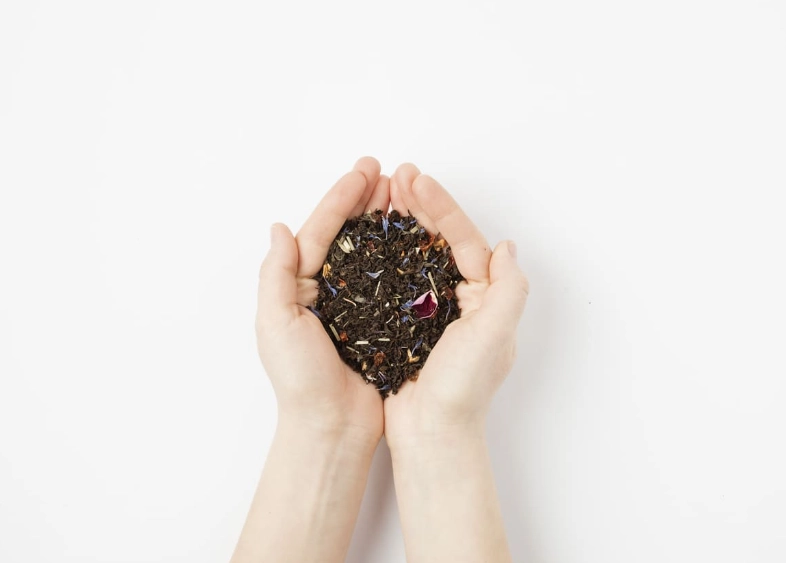
Seed-to-Soil Contact is Non-Existent. This is the biggest killer. For a seed to absorb water and sprout, its embryo needs to touch moist soil particles. Grass, thatch (the layer of dead stems between grass and soil), leaves, or even a rough, crusty dirt surface create a barrier. The seed sits on top, dries out in a day, and becomes bird food or simply rots.
Established Plants are Bullies. An existing lawn is a mature, dense root system that's fantastic at hogging all the water, nutrients, and sunlight. A tiny wildflower seedling doesn't stand a chance. The grass will outcompete it every single time.
Weeds Get a Head Start. The soil is full of weed seeds waiting for light. When you disturb the soil even a little to sow your wildflowers, you often wake up these weed seeds. They are native survivors, adapted to germinate quickly and aggressively. Your cultivated wildflowers, meanwhile, are playing catch-up from day one.
I learned this the hard way. My first "meadow" attempt involved a $40 bag of "no-mow" wildflower mix tossed over a weedy corner of the yard. I watered it faithfully. The result? A spectacular crop of lamb's quarters and crabgrass, with three lonely cosmos plants struggling in the middle. The seed packet lied. Or rather, I didn't read the fine print.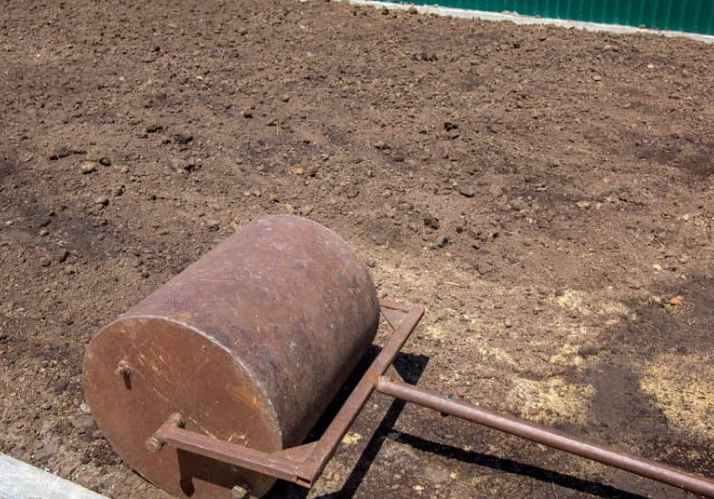
The Right Way to Sow Wildflowers: A Step-by-Step Guide
Creating a wildflower meadow is work, but it's focused, intelligent work upfront that saves you seasons of frustration. Think of it as setting the table before a feast. Here's how to do it.
1. Site Preparation: The Make-or-Break Step
This is 80% of the battle. Your goal is to create a clean, receptive seedbed, like a blank canvas.
For a Lawn or Weedy Area: You need to kill or remove the existing vegetation. Solarization (covering with clear plastic for 4-6 weeks in hot sun) works organically but is slow. For quicker results, you can use a glyphosate-based herbicide, though that's a personal choice. The most labor-intensive but thorough method is stripping the sod with a rented sod cutter. For smaller areas, a sharp flat-edged spade works. Get rid of every piece of grass root you can.
For Bare Dirt or a New Bed: Don't be fooled. "Bare" doesn't mean ready. Loosen the top 2-3 inches of soil with a rake or garden fork. Break up large clods. You're aiming for a fine, crumbly texture, like breadcrumbs. Remove rocks and debris. If your soil is pure clay or sand, consider adding a thin layer (½ inch) of compost and raking it in. Don't go overboard—wildflowers often thrive in poorer soils.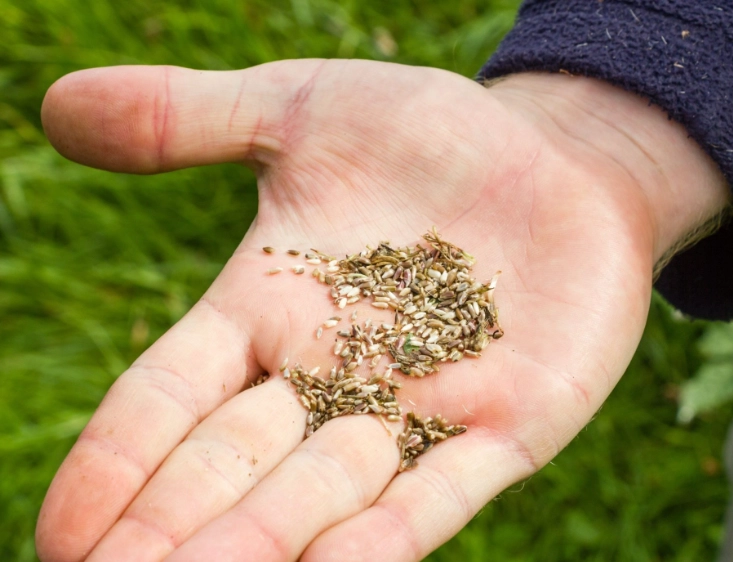
2. Timing is Everything: When to Sow Wildflower Seeds
Sowing at the right time mimics nature's own schedule and gives seeds their best shot.
Fall Sowing (Best for Many Regions): Late fall, after a few hard frosts but before the ground freezes solid, is ideal for many native perennial seeds. They need a period of cold, moist stratification to break dormancy. They'll sit quietly over winter and germinate naturally in spring when conditions are perfect.
Spring Sowing: Wait until the danger of frost has passed and soil temperatures are consistently above 55°F (13°C). This is better for annual wildflowers and mixes heavy in annuals like cosmos and zinnias. The soil is warm and germination is quick.
3. The Sowing Technique: It's Not Throwing
Mix your seeds with a carrier like dry sand or vermiculite (a 4:1 sand-to-seed ratio is good). This makes small seeds easier to see and distribute evenly. Divide your mix into two equal parts. Sow one part walking north to south across the area. Sow the second part walking east to west. This cross-hatching ensures even coverage.
After broadcasting, do not cover the seeds with soil. Most wildflower seeds need light to germinate. Instead, use a lawn roller (empty or half-filled with water) or simply walk over the entire area to press the seeds firmly into the soil. That seed-to-soil contact we talked about? This is how you achieve it.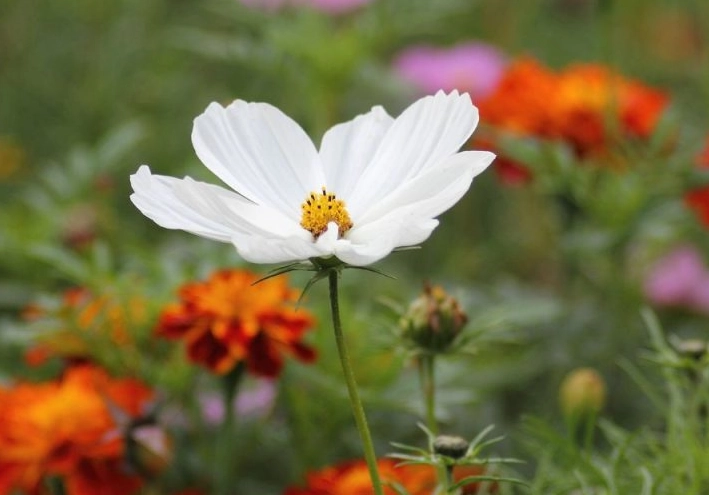
Picking Your Wildflower Seed Mix: Read the Fine Print
Not all "wildflower" mixes are created equal. The $5 packet at the big-box store is often a different beast than a $30 mix from a native plant nursery.
| Mix Type | What's Usually In It | Best For | Potential Drawback |
|---|---|---|---|
| Annual "Instant Color" Mix | Cosmos, Zinnias, Bachelor's Buttons, Poppies | Quick, bright blooms in the first year; cutting gardens. | Often non-native; may not reseed well; need replanting yearly. |
| Perennial Native Mix | Black-eyed Susan, Coneflower, Milkweed, Blazing Star | Long-term, low-maintenance meadows; supporting pollinators. | Slower to establish (may take 2-3 years for full show); often more expensive. |
| Regional Native Mix | Species native to your specific ecoregion (e.g., Midwest Prairie, California Poppy Mix) | The most ecologically beneficial; best adapted to your soil and climate. | Requires research to find a reputable supplier. |
| "No-Mow" or "Eco-Lawn" Mix | Often includes low-growing clovers, fine fescues, and tiny flowers like chamomile. | Replacing a traditional lawn with a flowering, drought-tolerant alternative. | Requires meticulous site prep to remove old grass; not a true tall meadow. |
My advice? For a true, lasting meadow, invest in a mix from a reputable source that specifies species native to your area. Check with your local university's cooperative extension service—they often have recommended seed sources and mixes tailored to your state.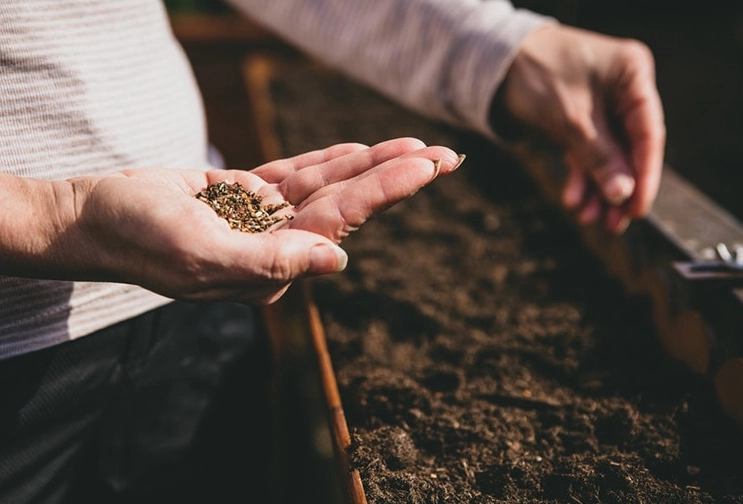
What to Do After Sowing: The Critical First Weeks
Your job isn't over after sowing. This is the tender care period.
Watering: Keep the top inch of soil consistently moist (not soggy) for the first 4-6 weeks. This usually means light watering daily if it doesn't rain. A gentle mist or sprinkler is best to avoid washing seeds away. Once seedlings are a few inches tall, you can gradually reduce frequency, encouraging deeper roots.
The "Weed or Wildflower?" Dilemma: You will see green things pop up that you didn't plant. Don't panic. Learn to identify a few common weed seedlings in your area (like crabgrass, pigweed, and lambsquarters). Many native wildflower seedlings have distinct first leaves (cotyledons). When in doubt, let it grow a bit longer until you can be sure. It's better to accidentally keep a weed for a week than to pull a precious wildflower.
Top 3 Mistakes That Kill Wildflower Projects
Beyond just throwing seeds, here are the subtle errors that doom even well-intentioned efforts.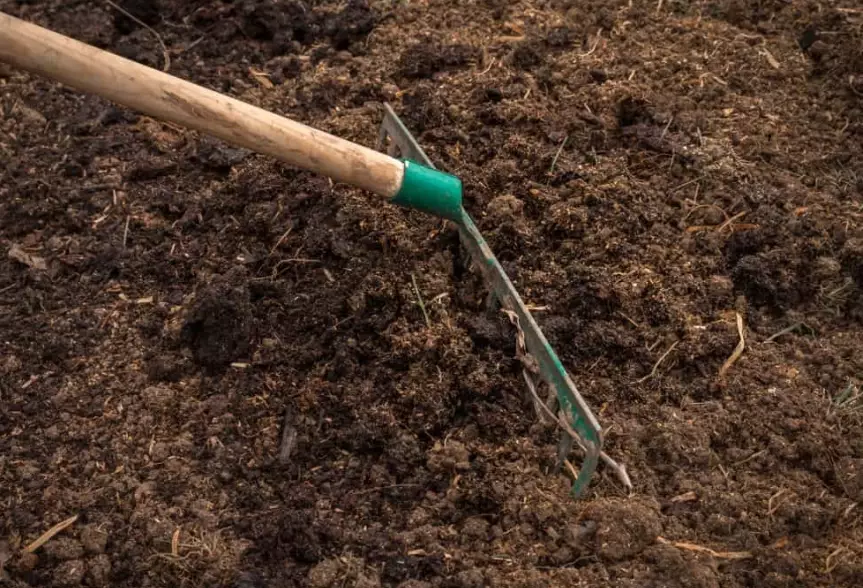
1. Over-Enriching the Soil. We're trained to think plants need rich, compost-filled soil. Most true meadow wildflowers evolved in lean, competitive environments. Rich soil encourages aggressive weeds and can cause wildflowers to grow leggy and flop over. Average to poor soil is often your friend.
2. Giving Up Too Early. A perennial native meadow looks sparse in year one. It's mostly roots and small rosettes of leaves. Year two is the "show" year. Impatience leads people to till it up and start over just as the plants are about to shine. Commit to a three-year vision.
3. Mowing Too Soon or Too Short. At the end of the season, you should mow your meadow (set your mower high, 4-6 inches) to scatter seeds and knock down dead stems. But doing this in mid-summer, or cutting it like a lawn, destroys flowering cycles and removes habitat for overwintering insects. Wait until late winter or early spring if you can.
A Real Backyard Transformation: From Lawn to Meadow
Let's make this concrete. My neighbor, Sarah, converted a 20' x 30' sunny patch of Kentucky bluegrass lawn into a pollinator meadow.
Timeline & Process: In early September, she used a sod cutter (rented for $75/day) to remove the grass. She raked the exposed soil smooth and let it sit for two weeks, hoeing off the first flush of weed seedlings. In mid-October, she sowed a "Northeast Pollinator Mix" from a native seed company, pressed the seeds in with a rented roller, and lightly covered the area with a thin layer of weed-free straw for winter erosion control.
Year One (The Waiting Game): Spring brought a green fuzz—mostly annual weeds and the first true leaves of black-eyed susans and coreopsis. She spent time hand-pulling obvious weeds. By late summer, there were pockets of color, but it looked more like a weedy garden than a meadow. Cost so far: ~$300 (seed, rental, straw).
Year Two (The Payoff): This was the transformation. The perennial roots established over winter exploded with growth. By June, it was a waist-high tapestry of purple coneflowers, orange butterfly weed, blue vervain, and buzzing with bees and butterflies. She now spends less than 2 hours a year maintaining it (one winter mow). The visual reward and ecological impact are immense.
Your Wildflower Questions, Answered
I have heavy clay soil. Can I just throw wildflower seeds down there?
What's the cheapest way to start a wildflower area if I can't remove all the grass?
The birds ate all my seeds after I sowed them. How do I stop this?
Can I just throw wildflower seeds in a wooded, shady area?
So, can you just throw wildflower seeds down? You can, but you shouldn't expect a meadow. You're conducting a very expensive bird-feeding experiment. The real magic—the low-maintenance, pollinator-filled, beautiful meadow—comes from understanding what those seeds need to succeed. It comes from preparation, patience, and working with nature, not against it. Put the work in upfront. Your future self, and the bees, will thank you for it.
Reader Comments