Quick Navigation
Let's be honest, the American Southwest is huge. When someone says they're planning a trip to the Southwestern United States destinations, they could mean anything from hiking in a red rock canyon to losing a twenty-dollar bill at a slot machine in a glittering city. The region is a beast of contrasts—vast, empty deserts sit next to sprawling metropolises, and ancient cliff dwellings are just a few hours' drive from some of the world's most modern engineering marvels. It's easy to feel overwhelmed.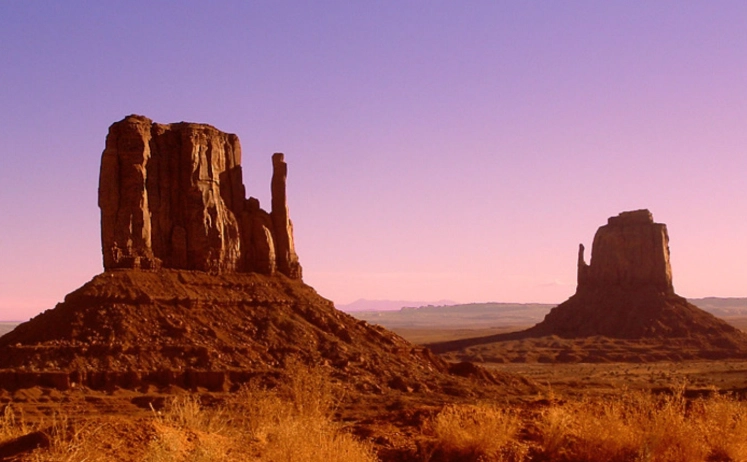
I remember my first time planning a trip out there. I had a list a mile long: Grand Canyon, check. Las Vegas, check. Sedona, Monument Valley, Santa Fe... my map looked like a spider web. I ended up spending more time driving than actually experiencing places. Not the best plan.
So, this guide is what I wish I'd had. We're not just going to list places. We're going to dig into what makes each Southwestern United States destination tick, who it's really for, and how to string them together without losing your mind (or your vacation budget). We'll talk about the iconic spots you can't miss and the quieter corners where you can actually hear the wind. Ready? Let's go.
The Crown Jewels: Natural Wonders You Can't Skip
This is what most people come for. The landscapes here don't do subtle. They hit you over the head with scale and color. If you only have one week, these are the heavy hitters, the Southwestern United States destinations that define the postcard image.
The Grand Canyon: More Than Just a Big Hole
Calling it a "big hole" is a disservice, but that's the first thought for many. The scale is incomprehensible until you're standing on the rim. Your brain just can't process it. The South Rim is the classic, accessible, year-round spot with all the services. The North Rim is higher, cooler, more remote, and closed in winter. Which is better? It depends.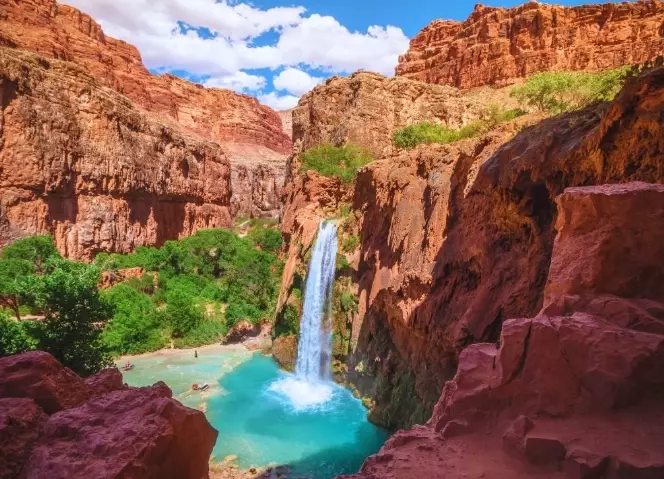
North Rim Pro: 10% of the crowds, a true wilderness feel, stunning forests right up to the edge. For those who want solitude.
Most people just peer over the edge, take a photo, and leave. Big mistake. The magic is below the rim. Even a short hike down the Bright Angel Trail changes your entire perspective. The colors shift, the silence deepens, and you start to see the layers of time. A day hike to Indian Garden or a rim-to-rim trek (for the very fit and prepared) are transformative experiences. Always check the official National Park Service Grand Canyon page for trail conditions, permits, and critical safety info—the desert down there is no joke.
Utah's Mighty 5: A Red Rock Road Trip Dream
If the Grand Canyon is the solo superstar, Utah's Mighty 5 are the legendary band. Arches, Canyonlands, Bryce Canyon, Zion, and Capitol Reef. Each has a totally different personality. Trying to do all five in a week is a recipe for burnout. Here’s a quick breakdown to help you choose.
| Park | Signature Vibe | Best For | My Personal Take |
|---|---|---|---|
| Zion | Majestic, vertical canyon walls with a river running through it. | Iconic hikes (Angels Landing, The Narrows), canyoneering. | Gets extremely crowded. The shuttle system is necessary but can feel like a theme park line. Go in the shoulder seasons. |
| Bryce Canyon | A forest of whimsical, orange hoodoos (tall rock spires). | Unreal sunrise/sunset photography, shorter hiking loops. | Feels otherworldly. The Queens Garden/Navajo Loop combo is a perfect 3-hour hike. Freezing at night even in summer! |
| Arches | Over 2,000 natural stone arches in a red rock desert. | Seeing iconic landmarks (Delicate Arch), easy-to-moderate trails. | Delicate Arch is a pilgrimage. The hike is harder than it looks—bring way more water than you think. No shade. |
| Canyonlands | Vast, sprawling desert wilderness carved by the Colorado River. | 4x4 adventures, mountain biking, feeling truly remote. | Massive and divided into districts. Island in the Sky is accessible; The Needles is for hikers; The Maze is for experts. Don't underestimate its size. |
| Capitol Reef | A hidden, less-visited gem with a historic orchard. | Escaping crowds, pie from the historic Gifford Homestead, scenic drives. | The quiet one. It's beautiful but lacks the single "knock-your-socks-off" feature of the others. Perfect if you hate crowds. |
Honestly, if you're new to the Southwest, Zion and Bryce make an incredible pair. If you want arches and vastness, pair Arches with the Island in the Sky district of Canyonlands. Capitol Reef is the secret weapon for a relaxed second visit.
Beyond the Parks: Cities & Cultural Hubs
After days of hiking and dust, sometimes you need a real bed, a great meal, and a dose of human creativity. The cities and towns of the Southwest are destinations in themselves, offering a completely different flavor.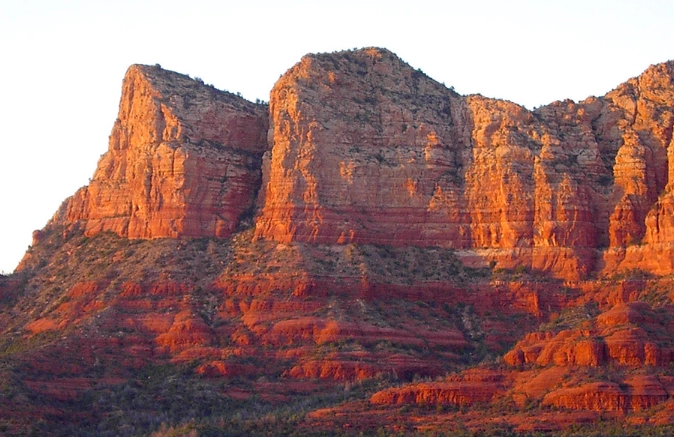
Las Vegas, Nevada: The Neon Oasis
Calling Las Vegas a Southwestern United States destination might seem odd, but it's the gateway for millions. It's the ultimate contrast. You can see a replica of the Eiffel Tower, then drive two hours to see 300-million-year-old rock layers. The key is to use Vegas strategically.
Use it as a flight hub (often cheaper), a one-night bookend to your trip, or a place to recover with a pool day and a fancy dinner. The Strip is an experience, but it's exhausting and expensive. For a more local vibe, check out the Arts District or the incredible food scene in Chinatown (some of the best ramen I've had was there).
Santa Fe, New Mexico: Adobe Soul
Santa Fe feels nothing like Vegas. It's all low-slung adobe buildings, a vibrant arts scene, and a blend of Native American, Spanish, and Anglo cultures. The heart is the historic Plaza. The food is a highlight—this is the birthplace of "New Mexican" cuisine, where the question isn't "red or green chile?" but "which one do you want on everything?" (The correct answer is "Christmas"—both).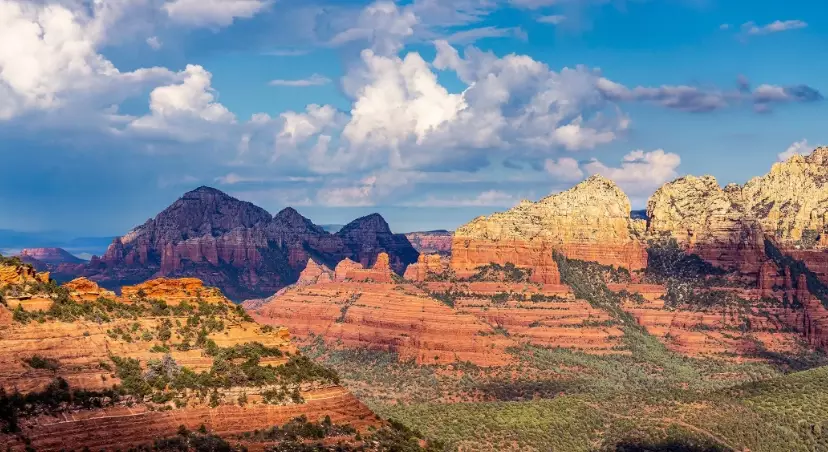
Don't just wander the cute shops. Visit the Georgia O'Keeffe Museum to connect the landscapes you've been seeing with art. Explore Canyon Road, a half-mile stretch packed with over a hundred art galleries. It's a slower, more reflective pace. A perfect Southwestern United States destination for culture and cuisine lovers.
Sedona, Arizona: Red Rock Resort Town
Sedona is stunning. There's no other word for it. Towering red rock formations like Cathedral Rock and Bell Rock surround the town. It's become a major hub for spirituality, wellness, and outdoor activity. The hiking is phenomenal and accessible. The issue? It knows how beautiful it is. Traffic on the main drag (State Route 89A) can be brutal, and it's pricey.
Go for the hiking, the jeep tours into the backcountry, and the famous pink jeep tours are actually a blast. Skip the overhyped "vortex" sites if that's not your thing—the entire place feels energetic because it's just that beautiful. Stay in nearby Cottonwood or Village of Oak Creek for slightly better value.
The Deep Cuts: History & Hidden Gems
Once you've seen the big names, these Southwestern United States destinations offer something special: a sense of discovery and a connection to the deep past.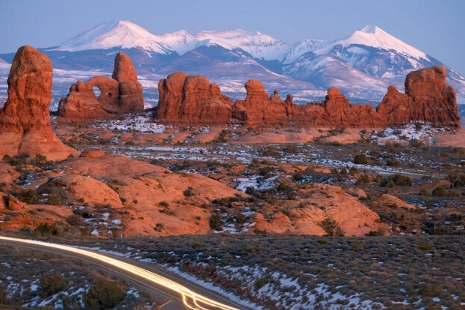
Mesa Verde National Park, Colorado
This isn't about geology; it's about people. Mesa Verde preserves the incredible cliff dwellings of the Ancestral Puebloans, who built entire villages into the alcoves of canyon walls over 700 years ago. Touring Cliff Palace or Balcony House isn't just sightseeing; it's a humbling lesson in engineering and survival. You have to book guided tours in advance for the best sites—do not show up expecting to walk right in. It's a powerful, contemplative place that adds crucial historical context to the region's beauty.
Monument Valley, Arizona/Utah
You've seen it in a hundred Western movies. The iconic Mittens and Merrick Butte rising from the flat desert floor. It's technically not a National Park but a Navajo Tribal Park. That's important. You drive on a dusty, rough 17-mile loop road (check your rental car agreement!). The view from the visitor center is famous, but taking the drive (or better yet, booking a Navajo-guided tour) gets you up close. The light at sunrise and sunset is pure magic. It feels timeless.
White Sands National Park, New Mexico
This place is bizarre and wonderful. Giant, rolling dunes of pure gypsum sand that look like snow. You can hike, sled down the dunes (buy or rent a sled in town!), and just marvel at the blinding white landscape against a blue sky. Go late in the day to avoid the heat and stay for sunset—the colors are surreal. It's unlike any other Southwestern United States destination.
Putting It All Together: Your Southwest Travel Plan
Okay, you've seen the options. How do you make a trip happen? Let's talk logistics. This is where most guides stop, but it's where your trip is made or broken.
When to Go: This is desert and high desert. Summer (June-August) in places like the Grand Canyon South Rim, Moab (for Arches), and Las Vegas is brutally hot. It's also peak family travel time, meaning crowds. Shoulder seasons are king. Aim for April-May or September-October. Wildflowers in spring, glorious fall colors in the high country. Winter is fantastic for the South Rim and low-elevation deserts (Death Valley is perfect then), but many high-elevation roads and the North Rim are closed.
Getting Around: You need a car. Full stop. Public transport between these Southwestern United States destinations is virtually non-existent. Book rental cars well in advance, especially for popular times. Consider an SUV if you plan on any dirt roads (like Monument Valley's loop).
Budgeting Realistically: It's not a cheap region, especially near parks. Lodging fills up fast—book months ahead for in-park lodges or popular towns like Springdale (Zion) or Moab. Camping is a great budget option, but reserved sites disappear in minutes. Gas adds up with all the driving. Park entrance fees are $35 per vehicle, but the $80 America the Beautiful Annual Pass pays for itself if you visit 3+ parks in a year.
What to Pack: This isn't a casual packing list. It's a survival list. Water. More than you think. A reusable gallon jug per person per day for hiking. Sun protection. Hat, sunglasses, mineral-based sunscreen (the sun is intense). Layers. The temperature swing from day to night can be 40 degrees Fahrenheit. A puffy jacket for desert nights is essential. Good footwear. Sturdy hiking boots or trail runners with grip. Sand gets everywhere. Navigation. Cell service is unreliable. Download offline Google Maps and/or have a physical map.
Southwest Travel FAQs: Your Questions Answered
Final Thoughts: Making It Your Own
The Southwest isn't a checklist. It's a feeling. The feeling of dry heat on your skin, the smell of ponderosa pine and desert rain, the silence so deep it rings in your ears. The best Southwestern United States destinations are the ones that speak to you.
Maybe it's the raw power of the Grand Canyon. Maybe it's the artistic soul of Santa Fe. Maybe it's the sheer fun of a Vegas show after a week of camping.
Do your research, yes. Book ahead, absolutely. But leave room for the unexpected. The roadside stand with the best Navajo fry bread. The spontaneous decision to watch a sunset from a random pull-off. The helpful ranger who tells you about a hidden trail. That's where the magic is. That's what will bring you back to these incredible Southwestern United States destinations again and again.
Now, go start planning. And pack more water.
Reader Comments