Quick Insights
- Where Exactly Are We Talking About?
- The Big Three: Defining Features of the Southwest Climate
- A Season-by-Season Breakdown (It's Not All Summer)
- The North American Monsoon: Summer's Dramatic Twist
- Climate Change: The Elephant in the (Very Hot) Room
- Living With It: Practical Survival and Thrival Tips
- What About Visiting the National Parks?
- Common Questions About the Southwestern United States Climate
- Final Thoughts: A Climate of Contrasts and Resilience
Let's be honest. When most people think of the Southwest, they picture cactus, red rocks, and relentless sun. And they're not entirely wrong. But the climate of the Southwestern United States is a story with way more chapters than just "hot and dry." It's a region of dramatic extremes, subtle variations, and surprising nuances that can catch newcomers completely off guard. I learned that the hard way during my first summer in Phoenix, but we'll get to that.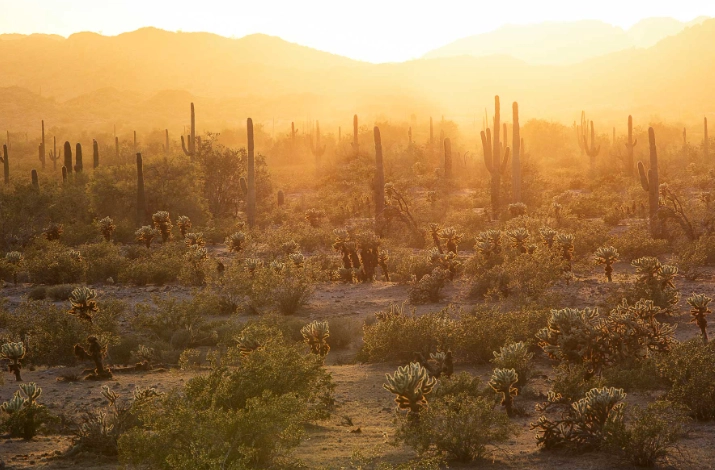
This isn't just about statistics on a page. It's about what it actually feels like to live there, to visit, or to plan a trip. Whether you're considering a move, plotting a road trip through the national parks, or just curious about why the weather channel is always showing a massive heat dome over Arizona, you're in the right place. We're going to peel back the layers of the Southwestern US climate, from the big-picture patterns down to the gritty details you need to know.
Where Exactly Are We Talking About?
First things first, let's define our playground. Geographically, the core of the Southwestern U.S. typically includes:
- Arizona: The poster child for the region's climate.
- New Mexico: Offers more elevation variety, which means more climate variety.
- Nevada: Especially the southern half (think Las Vegas).
- Utah: The southern and eastern parts, home to the famous "Mighty 5" national parks.
- Parts of Colorado west of the Continental Divide.
- The inland, non-coastal regions of Southern California (like the Mojave and Colorado Deserts).
This isn't a perfectly neat box, but it's the area where the classic Southwestern climate rules apply. The influence of the Pacific Ocean is largely blocked by mountain ranges, leaving this vast interior basin to bake under the sun.
The Big Three: Defining Features of the Southwest Climate
You can't understand this region without getting familiar with three main characters in its climate story.
1. Aridity – The Thirsty Land
Low precipitation is the king here. Many areas receive less than 10 inches of rain a year. Some spots in the Mojave or Sonoran Deserts might see only 2 or 3. This isn't just "a little dry." This is proper desert dryness where evaporation often exceeds precipitation. The air feels thin, your skin gets parched quickly, and you'll find yourself drinking water without even feeling thirsty. It's a different kind of hydration logic.
Water is the currency of life here, and it's always in short supply.
This aridity is why you see those stunning landscapes of bare rock, sand, and hardy plants like creosote bush and saguaro cactus. The lack of moisture in the air and soil is the single most defining element of the Southwestern United States climate.
2. High Temperatures and Intense Sun
Let's talk about the heat. Summer daytime highs routinely soar above 100°F (38°C) in the low deserts. Places like Phoenix, Las Vegas, and Palm Springs are famous (or infamous) for this. But it's not just the peak temperature—it's the duration. Weeks can go by with highs above 105°F (40.5°C).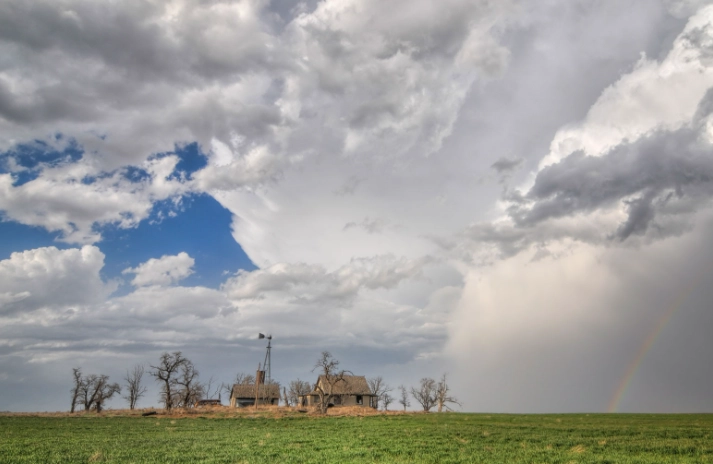
I remember walking from an air-conditioned car to an air-conditioned building in July, a distance of maybe 50 feet. It felt like opening an oven door and stepping inside. The heat was a physical presence. That's the reality of the Southwestern US climate in peak summer.
3. Dramatic Diurnal Temperature Swings
This is the secret that makes life bearable. Because the air is so dry and the skies so clear, heat escapes rapidly after sunset. A day that hits 100°F can easily drop to 65-70°F at night. That's a 30-degree swing! In higher elevation areas like Flagstaff or Santa Fe, you can have a pleasant 75°F afternoon followed by a chilly 45°F night, even in summer.
This huge daily range is a hallmark of arid climates. It means your wardrobe needs to be versatile. That jacket you didn't need at 2 p.m. will be your best friend by 10 p.m.
A Season-by-Season Breakdown (It's Not All Summer)
Thinking the Southwest has two seasons—hot and less hot—is a common mistake. The annual cycle is distinct and impactful.
| Season | Typical Timing | Low Desert (e.g., Phoenix) | High Country (e.g., Flagstaff) | Key Characteristics & Tips |
|---|---|---|---|---|
| Spring | March - May | Pleasant to warm (70s-90s°F). Wildflowers bloom if winter rains were good. | Cool to mild, snowmelt. Can be muddy. | Often considered the absolute best time to visit. Winds can be strong. Perfect hiking weather at lower elevations. |
| Summer (Monsoon) | June - September | Extremely Hot (100-115°F+). Humid & stormy from July onward. | Warm days, cool nights. Afternoon thunderstorms. | The infamous "dry heat" turns humid during the monsoon. Flash flooding is a real, sudden danger in washes and canyons. |
| Autumn | October - November | Warm to perfect (80s-60s°F). Heat finally breaks. | Crisp, cool, brilliant. Aspens change color. | Another prime visiting season. Crowds thin out. Days are sunny and comfortable almost everywhere. |
| Winter | December - February | Mild, sunny days (60s-70s°F). Chilly nights. | Cold & Snowy | Low deserts are popular with "snowbirds." Mountain areas are for skiing and snowshoeing. A stark duality within one region. |
The North American Monsoon: Summer's Dramatic Twist
This deserves its own spotlight. Around late June or early July, the wind patterns shift. Moisture gets pulled up from the Gulf of California and the Gulf of Mexico. Suddenly, the blisteringly dry early summer transforms.
Humidity spikes. Towering cumulonimbus clouds build in the afternoons. Then, around 3-5 p.m., the skies can unleash dramatic, often violent thunderstorms. We're talking torrential rain, blinding lightning, hail, and those terrifyingly beautiful dust storms called haboobs that can roll across the valley like a brown wall.
This monsoon season, typically lasting through August and into September, is a critical part of the Southwestern United States climate system. It provides over half the annual rainfall for many areas, but it also brings most of the region's severe weather. The National Weather Service's Monsoon Page is a great resource for tracking its onset and understanding its patterns.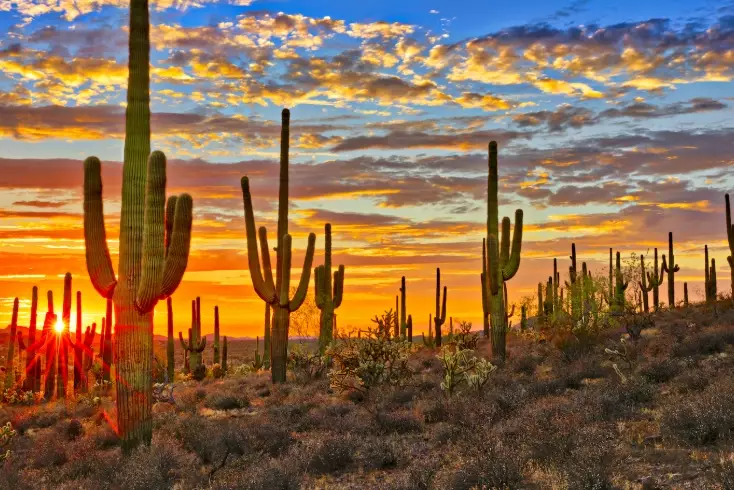
Climate Change: The Elephant in the (Very Hot) Room
We can't talk about this region's climate without addressing the changes underway. The Southwest is warming faster than the national average. It's not a future prediction; it's current observation.
- Heat Waves: They are becoming more frequent, more intense, and lasting longer. The term "heat dome" is now a regular feature of summer news.
- Drought Intensification: The region has been in a prolonged "megadrought" for over two decades, arguably the worst in 1,200 years. This stresses water resources like the Colorado River to a breaking point.
- Precipitation Whiplash: The pattern seems to be shifting toward longer dry spells punctuated by more intense, sometimes destructive, rain events (like from atmospheric rivers). This leads to flooding and erosion but doesn't necessarily solve long-term drought.
- Reduced Snowpack: Warmer temperatures mean more precipitation falls as rain rather than snow in the mountains. Snowpack is a natural reservoir; losing it means less water slowly released in spring and summer.
The scientific consensus, as detailed in assessments like the Fourth National Climate Assessment's Southwest Chapter, is clear: the trends toward a hotter, drier, and more variable climate are likely to continue. This isn't political; it's a physical reality that's reshaping life, agriculture, and policy in the Southwest.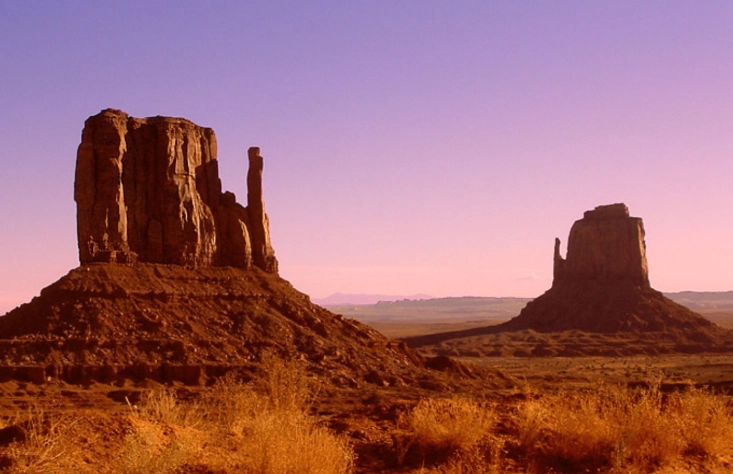
Living With It: Practical Survival and Thrival Tips
Okay, enough theory. How do you actually deal with the Southwestern United States climate? Here's the real-world playbook.
Hydration is a Non-Negotiable Job
Forget the "8 glasses a day" rule. You need more. Always have water with you. I keep a gallon in my car trunk during summer, not just for drinking but in case the car overheats. Electrolytes are your friend—coconut water, sports drinks, or even a pinch of salt in your water can help. Headache? Feeling tired? Drink water first. It's almost always the culprit.
Sun Protection as a Religion
Broad-spectrum sunscreen, reapplied every two hours. A wide-brimmed hat (not a baseball cap). UV-blocking sunglasses. Long-sleeve, lightweight shirts are surprisingly cool because they block the sun directly. Seek shade relentlessly. Your skin will thank you in 20 years.
Respect the Heat, Especially the Urban Heat Island
Asphalt and concrete absorb heat all day and radiate it back all night. Downtown Phoenix can be 10°F hotter at night than the surrounding desert. Plan outdoor activities for early morning. If you must be out in the afternoon, limit exposure. Know the signs of heat exhaustion (heavy sweating, dizziness, nausea) and heat stroke (hot, dry skin, confusion, loss of consciousness)—heat stroke is a medical emergency.
Monsoon Season Smarts
Rule #1: Turn Around, Don't Drown. Never, ever drive into a flooded roadway. Six inches of fast-moving water can sweep a car away. If you hear thunder, get indoors. Lightning is a major killer. Secure loose outdoor items before a storm—those winds are no joke.
Dress in Layers, Always
That 50-degree daily swing is real. A typical fall day outfit for me: t-shirt, light long-sleeve shirt, and a packable jacket. By noon, I'm down to the t-shirt. By sunset, all layers are back on. It's the only way to be comfortable.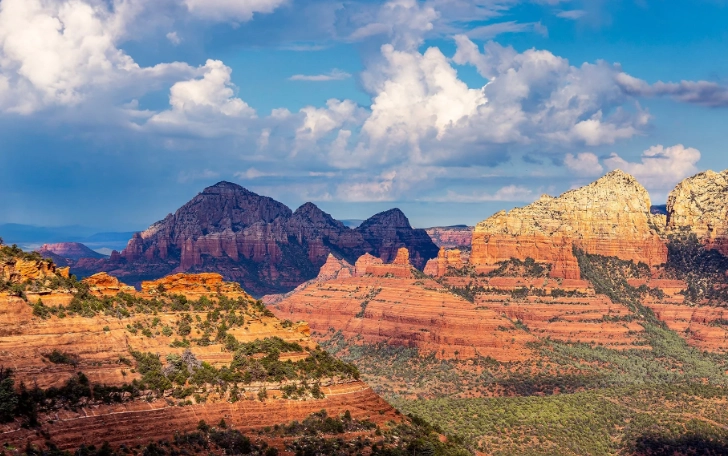
What About Visiting the National Parks?
The Southwestern US climate creates the very landscapes that make parks like the Grand Canyon, Zion, and Arches so spectacular. But it also creates the challenges.
Best Times: Spring (April-May) and Fall (September-October) are ideal for most parks at lower elevations. Crowds are high, but weather is perfect. Summer is brutal for hikes in places like Grand Canyon's inner canyon or Death Valley. Winter is great for low-elevation parks (like Saguaro) but snowy in others (like Bryce Canyon).
Critical Advice: Check park-specific alerts on the National Park Service website. They post heat warnings, flash flood risks, and trail closures. Carry WAY more water than you think you need on any hike. I'm talking a minimum of one gallon per person per day for a strenuous desert hike. Tell someone your plans.
Common Questions About the Southwestern United States Climate
Let's tackle some of the specific things people are searching for.
Final Thoughts: A Climate of Contrasts and Resilience
The Southwestern United States climate isn't for the faint of heart. It demands adaptation and respect. It can be harsh and punishing. But it's also the architect of breathtaking beauty—the vast starry nights, the sculpted canyon walls, the sudden explosion of wildflowers after a rain.
Understanding this climate is the first step to appreciating the region. It explains why the cities are built the way they are, why water rights are a perpetual legal battle, why your hiking pack must be heavy with water, and why a summer sunset after a monsoon storm can feel like a religious experience.
It's a land of extremes, and its climate is the beating heart of that identity.
Whether you're passing through or putting down roots, pay attention to the sky, the temperature, and the dryness in the air. Listen to the locals when they warn you about the heat. Carry that extra bottle of water. The Southwestern United States climate is a powerful force, but with knowledge and preparation, you can not only survive it but truly come to marvel at the unique world it has created.
Reader Comments