Quick Guide
- Getting Your Bearings: What and Where is the Great Salt Desert?
- Extremes That Define It: Harsh Climate and Physical Facts
- Life Finds a Way: Flora and Fauna of the Dasht-e Kavir
- For the Adventurous: Travel and Practical Great Salt Desert Facts
- Beyond the Obvious: Cultural and Historical Layers
- The Fragile Future: Conservation and Challenges
Let's talk about one of the most mind-bending places on Earth. You've probably seen pictures—endless white plains cracked like a giant's dried-up mud pie, mountains shimmering in a heat haze, a landscape that looks more like Mars than our planet. That's the Dasht-e Kavir, Iran's Great Salt Desert. But there's so much more to it than just a pretty (or brutally harsh) picture.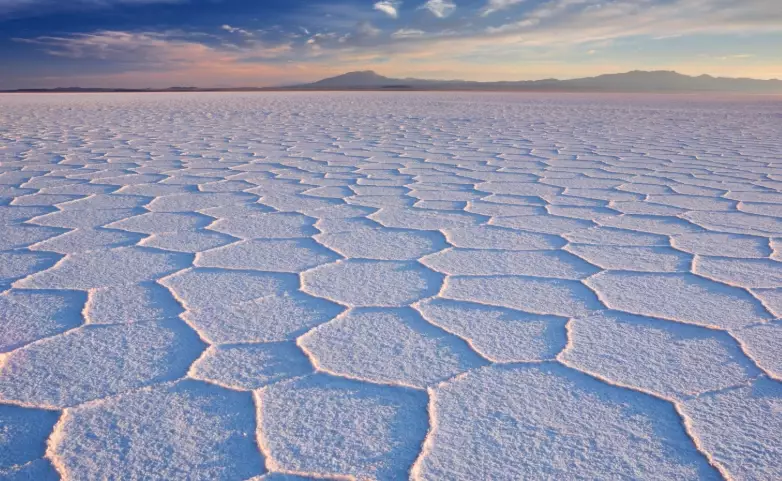
I remember first reading about it and thinking it was just another hot, empty spot on the map. Boy, was I wrong. The more I dug, the more these Great Salt Desert facts revealed a place of wild extremes, hidden life, and geological drama. It's not just a desert; it's a lesson in survival, a history book written in salt and sand, and a destination that demands respect.
Getting Your Bearings: What and Where is the Great Salt Desert?
First things first, let's clear up the name. "Dasht-e Kavir" is Persian, and it translates directly to "desert of salt-marsh." That "kavir" part is key—it doesn't just mean sand dunes. It refers specifically to a type of desert basin covered in crusty salt and mud, which is the defining feature here. So when we talk about Great Salt Desert facts, we're talking about the king of all kavirs.
It sprawls across the Iranian plateau, smack in the middle of the country. We're talking about a massive area, roughly 77,000 square kilometers. To give you an idea, that's bigger than some European countries. It's bordered by the Alborz and Zagros mountain ranges, which basically act like giant walls trapping aridity inside the basin. The Geological Survey of Iran (GSI) has tons of detailed maps and studies on its formation, showing how this basin became a sink for salt over millions of years.
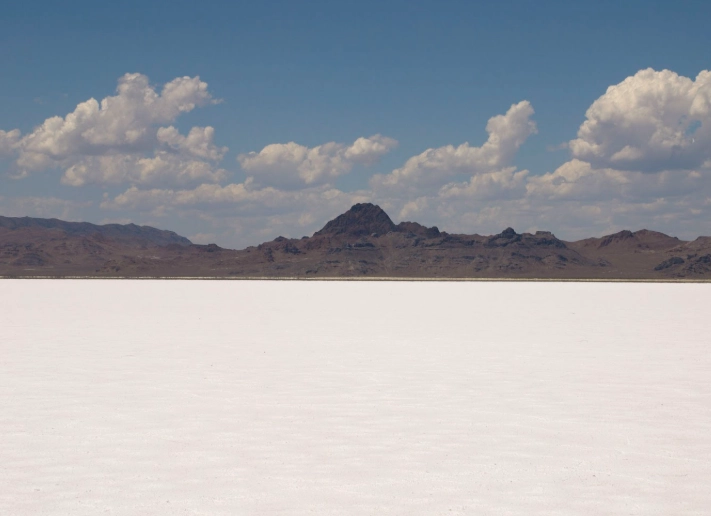
The heart of it, the really iconic part, is the Kavir-e Namak or "Great Salt Desert" proper—a vast, blindingly white salt plain. This is the postcard image. But the wider Dasht-e Kavir region includes other stuff too: black volcanic rocks, smaller salt marshes (kavirs), sand dunes around the edges, and even seasonal lakes that appear after rare rains only to vanish again.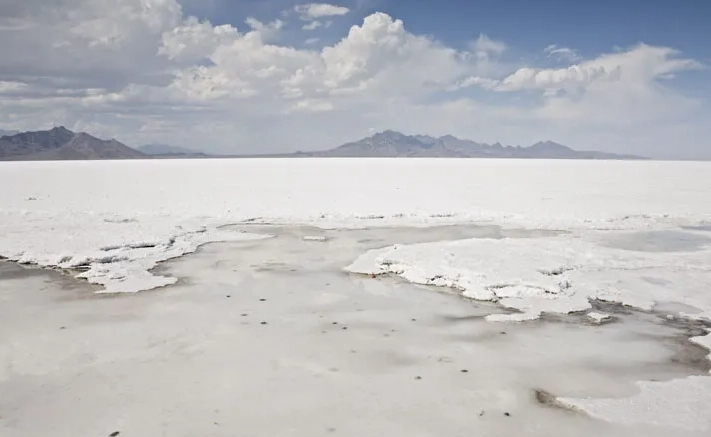
Why is it so Salty? The Geology Behind the Scenes
This isn't just a desert that happens to be salty. The salt is the desert. Here's how it works, and it's a brilliant bit of Earth science.
Millions of years ago, this whole basin was part of the Tethys Ocean. When the mountains rose up around it, the sea retreated, leaving behind a huge, shallow inland sea. With no outlet to the ocean, the water that flowed in from rivers just sat there and evaporated under the fierce sun. Over millennia, this evaporation left behind layer upon layer of minerals and salts—mostly sodium chloride (good old table salt), but also gypsum, marl, and other stuff.
What you see today is the result. The crust you walk on? It can be several kilometers thick in places. After a rain, a thin sheet of water covers the plain, then evaporates, leaving a fresh, brittle salt layer on top. That cycle creates those famous polygonal cracks. The pressure from the accumulating salt below can even push up into strange, dome-like structures called salt diapirs. The area is actually a textbook example of salt tectonics, which geologists get really excited about.
Key Takeaway: The Great Salt Desert isn't a sandy desert with some salt on top. It's a massive, ancient evaporite basin. The salt is the main event, deposited over eons from a vanished sea and continuously shaped by evaporation and tectonic pressure.
Extremes That Define It: Harsh Climate and Physical Facts
Okay, let's get into the numbers. These Great Salt Desert facts are what make it a genuinely extreme environment. It's not just hot; it's a masterclass in climatic severity.
| Feature | Detail / Measurement | What It Means in Practice |
|---|---|---|
| Summer Temperatures | Routinely exceed 50°C (122°F). Surface temps can hit 70°C (158°F). | Heatstroke risk is extreme. Metal objects burn skin. The air shimmers with heat haze, distorting vision. |
| Winter Temperatures | Can drop below -20°C (-4°F) at night. | A brutal freeze-thaw cycle that contributes to the physical weathering of rocks and salt crust. |
| Annual Rainfall | Less than 100 mm (4 inches), often much less. | One of the driest places in Iran. Rain is a rare, dramatic event that can briefly flood the plains. |
| Salt Crust Thickness | Varies widely, from a few cm to several km deep in the basin center. | The crust can be treacherously thin over soft mud (quicksand-like "shur"), making travel dangerous. |
| Elevation | Approx. 700-800 meters (2,300-2,600 ft) above sea level. | High desert plateau. Contributes to the large temperature swings between day and night. |
That temperature swing gets me every time. Imagine a place where your biggest daily worry could be fatal heat exposure, and a few months later, it's hypothermia. It's a landscape that actively resists human presence.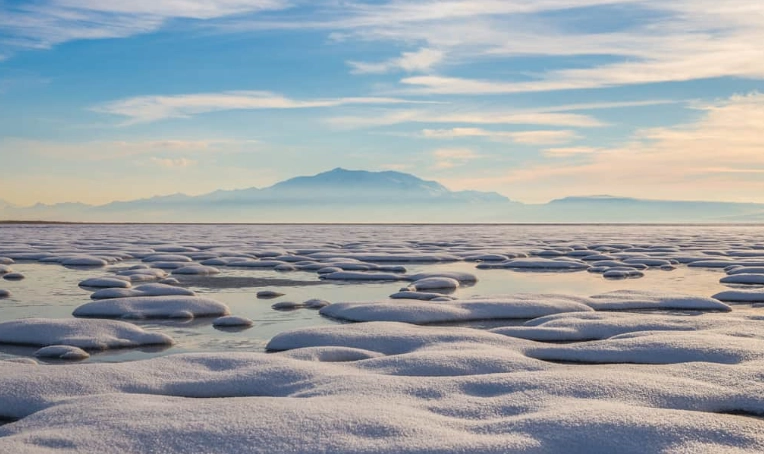
The aridity is the other boss here. The little rain that falls either evaporates instantly or sinks into the salt and mud. There are no permanent rivers crossing the central kavir. Any water is usually brackish or fiercely salty, utterly undrinkable. This leads to one of the most critical Great Salt Desert facts for travelers: water you bring in is the only water you'll have. There are no oases in the classic sense in its heart.
A Personal Note on the Harshness: Reading accounts from explorers and even modern-day guides, the consensus is clear: underestimating this desert is a one-way ticket to disaster. The solitude is absolute, the landmarks few, and the ground itself can be a trap. It's beautiful, but it doesn't care if you live or die. That's not melodrama; it's the most important fact to internalize.
Life Finds a Way: Flora and Fauna of the Dasht-e Kavir
This is where things get fascinating. You'd think a place this brutal would be sterile. It's not. Life here is sparse, specialized, and utterly tough as nails. When compiling Great Salt Desert facts, the adaptations of its wildlife are perhaps the most impressive.
On the edges, where there's a bit more moisture and less salt, you'll find hardy desert vegetation: tamarisk trees, shrubs like sagebrush, and grasses that appear like magic after rain. These areas are crucial for the animals.
Residents of the Salt and Scrub:
- Persian Onager (Gur): A beautiful, endangered wild ass. This might be the most iconic mammal of the region. They can go long periods without water and are built for speed across the flat plains. Spotting one is a rare privilege.
- Asiatic Cheetah: Critically endangered, with perhaps the last few dozen individuals in the world clinging to existence in Iran's central deserts, including the fringes of the Kavir. Their presence highlights the ecological importance of the entire region.
- Sand Cat: An adorable but fierce little wildcat with fur on its paws to handle scorching sand. They're nocturnal, elusive, and perfectly engineered for desert life.
- Rüppell's Fox: Another nocturnal survivor, with huge ears for heat dissipation.
- Reptiles: Various lizards and snakes, like the horned desert viper, are masters of camouflage and heat tolerance.
- Birds: Houbara bustards, desert larks, and various birds of prey. They often concentrate around the few seasonal water sources or the peripheral hills.
The real survival trick is avoiding the heat and finding water. Almost everything is nocturnal or crepuscular (active at dawn/dusk). Burrowing is a popular strategy to escape the surface inferno. Many get all their moisture from the food they eat—insects, plants, or other animals.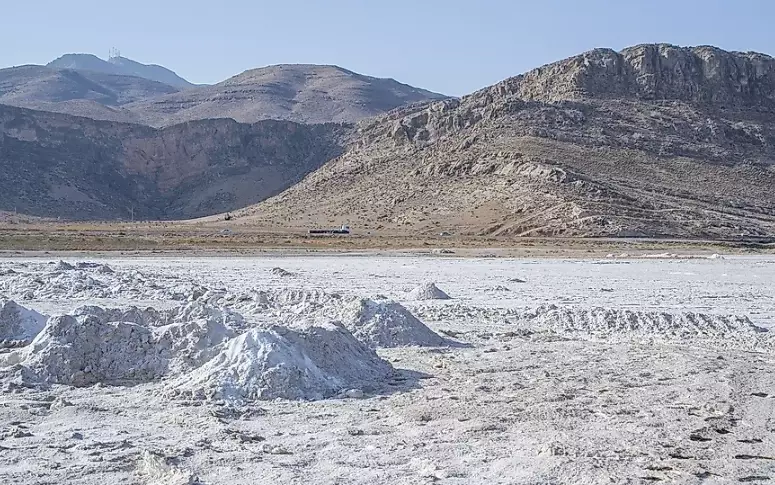
Conservation is a huge issue here. The Iranian Department of Environment manages several protected areas, like the Kavir National Park and the Touran Biosphere Reserve on the desert's edge, which is a UNESCO World Heritage Site tentative listing. These areas are vital refuges for species like the onager and cheetah. Poaching and habitat pressure from livestock grazing on the desert fringes are constant threats, though.
For the Adventurous: Travel and Practical Great Salt Desert Facts
So, can you actually visit? Should you? The answer is a cautious yes, but this is not a casual beach holiday. It's an expedition that needs planning and respect. Here’s the practical, boots-on-the-ground info that often gets glossed over.
When to Go (and When to Absolutely Avoid)
Forget summer. Just don't. The heat is not just uncomfortable; it's a severe health hazard and makes any activity miserable or impossible. The ideal windows are spring (March to May) and autumn (October to November). Temperatures are mild during the day, though nights can get very cold, especially in late autumn. Winter days can be pleasant, but the nights are bitterly cold, and you'll face very short daylight hours.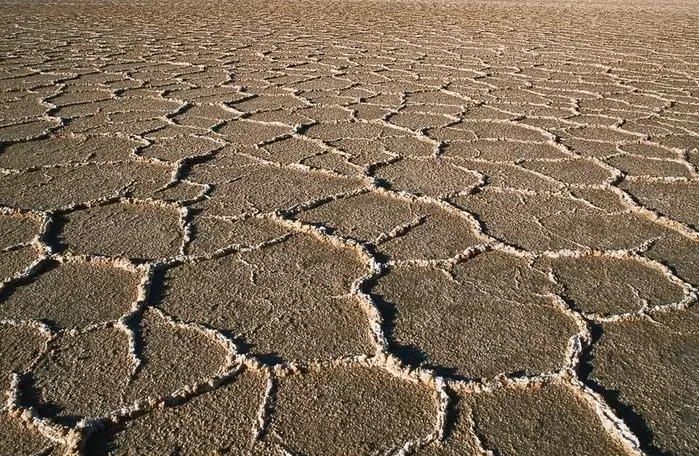
Spring has a bonus: if there's been winter rain, you might see ephemeral plants flowering on the desert margins—a breathtaking contrast against the white and brown.
How to Get There and Get Around
You don't just drive into the middle of the salt plain. Most visits are to accessible points on the periphery or guided expeditions into the interior.
- Gateway Cities: Tehran, Qom, Semnan, and Yazd are common starting points. From Yazd or Semnan, you can reach desert towns like Kharanaq, Anarak, or Mesr (in the neighboring Dasht-e Lut).
- Transport: You need a 4x4 vehicle with high clearance. The "roads" are often just tire tracks in the gravel. A local driver/guide is non-negotiable for anything beyond the most superficial viewpoints. They know the safe paths, where the soft, treacherous "shur" (salt marsh mud) is hidden under a thin crust, and how to navigate a landscape with few distinct landmarks.
- Famous Spots: The Maranjab Desert area (near Aran va Bidgol and the Salt Lake) is a popular and relatively accessible area to get a taste. The ancient caravanserai of Maranjab itself is a historic stop on the Silk Road. For the heart of the kavir, expeditions usually launch from places like Jandagh or Khur.
What to Know Before You Go: The Non-Negotiables
This is the stuff that separates a good trip from a dangerous one.
- Guide and Permits: Hire a reputable local guide or tour company. They often handle necessary permits for protected areas. Going alone is reckless.
- Vehicle and Supplies: Two 4x4 vehicles minimum for safety (in case one breaks down). Carry all fuel, food, and vast amounts of water (a minimum of 5-7 liters per person per day). Bring a GPS, satellite phone (cell service is nonexistent), and full recovery gear (shovel, tow straps, sand ladders).
- Clothing: Light, loose, light-colored clothing for sun protection. A wide-brimmed hat, sunglasses, and serious sunscreen. Warm layers for cold nights. Sturdy, broken-in boots.
- Leave No Trace: This is critical. Pack out EVERYTHING. The fragile crust and scarce life can be damaged by tire tracks and trash. Preserve the absolute silence and emptiness for others.
The Iranian Cultural Heritage, Handicrafts and Tourism Organization website has general travel advisories, but for desert-specific info, relying on specialized local operators is key.
Great Salt Desert Facts: Your Questions Answered
Beyond the Obvious: Cultural and Historical Layers
The Great Salt Desert facts aren't just geological or biological. For centuries, it wasn't just a barrier; it was a corridor. Its edges were part of the Silk Road. Caravanserais, like Maranjab, provided crucial shelter for merchants and their camels moving between empires.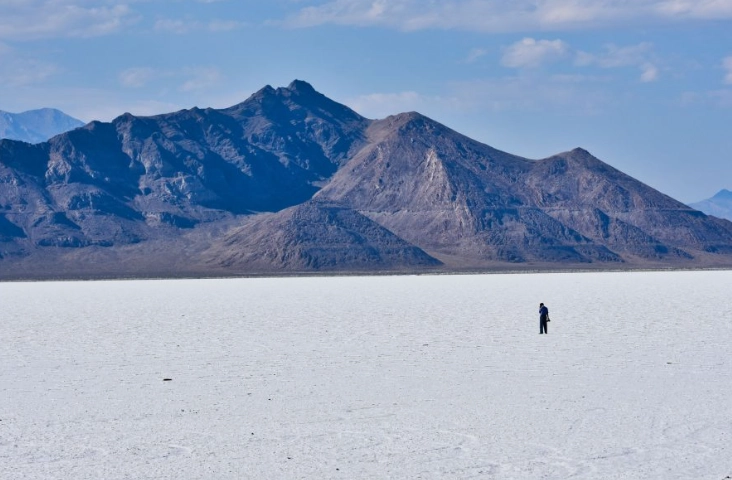
The desert also holds a kind of mystical place in Persian culture. Its vast emptiness is a symbol of both desolation and purity, a place for solitude and reflection in poetry and literature. The sheer difficulty of crossing it added to its legendary status.
More recently, the desert has been used for military testing grounds and, on its edges, for qanat construction (ancient underground irrigation channels) that allowed settlements to persist. It's a landscape that has shaped human history around its edges, forcing adaptation and inspiring awe.
The Fragile Future: Conservation and Challenges
This ecosystem is fragile. The salt crust is easily damaged by tire tracks, which can last for decades. Overgrazing by domestic animals on the desert margins degrades the scant vegetation that wildlife depends on. Climate change models suggest the region could become even hotter and drier, putting more stress on the already tenuous water sources.
Tourism, if done responsibly, can be a force for conservation by providing economic value to keeping the desert wild. But if done poorly—with off-road joyriding, littering, and disturbing wildlife—it can accelerate damage. The goal for anyone sharing these Great Salt Desert facts should be to foster understanding and promote ethical, low-impact visitation.
Look, the Dasht-e Kavir is a paradox. It's a place of stunning, otherworldly beauty that is actively hostile to life. It's silent yet full of subtle stories—geological, biological, and human. Understanding these Great Salt Desert facts isn't just about collecting trivia; it's about appreciating one of Earth's most magnificent and severe masterpieces.
It reminds you of the raw power of nature, of scale, and of the incredible ways life adapts. If you ever get the chance to see its edges with a good guide, you won't see deserts—or our planet—the same way again. Just remember to bring the water. Lots of it.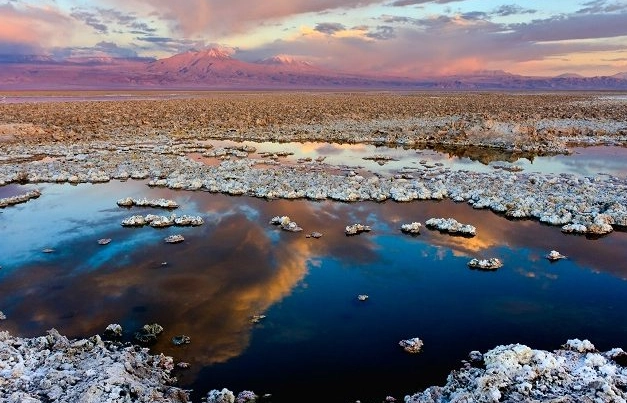
Reader Comments