In This Article
That question, "Do Hualapai Indians still live in the Grand Canyon?" pops up a lot. I get it. You see pictures of this vast, ancient landscape and wonder if the people whose names are on the map are still there. It's a natural thing to ask. The short, direct answer is yes, absolutely. But the real story is so much more interesting than a simple yes or no. It's not about a historical footnote; it's about a living, breathing community with a deep, unbroken connection to that land. They don't just live near the Grand Canyon in some abstract way. A significant part of their sovereign nation, the Hualapai Reservation, stretches for 108 miles along the Colorado River and the southern rim of the Grand Canyon itself. So, when you ask if Hualapai Indians still live in the Grand Canyon, you're asking about a present-day reality.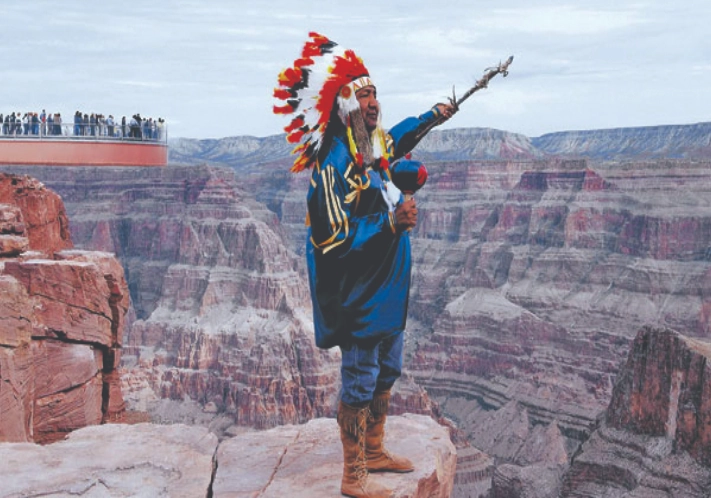
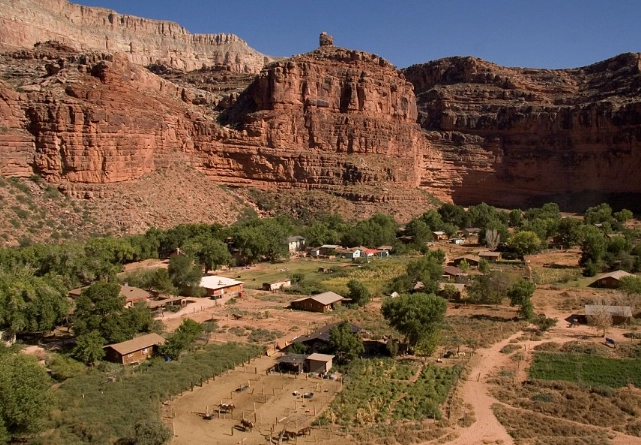
Here's the core of it: The Hualapai Tribe is a federally recognized sovereign nation. Their reservation, established in 1883, encompasses about a million acres. A huge chunk of that is classic Grand Canyon terrain—deep gorges, side canyons, and that iconic rim. The tribal capital, Peach Springs, sits about 50 miles from the Canyon's edge, but tribal members live and work throughout the reservation, including at Grand Canyon West, their major tourist destination. So their presence is both centralized in communities and spread across their ancestral lands.
From "People of the Tall Pines" to a Sovereign Nation
To understand the "now," you have to glance at the "then." The name Hualapai (pronounced WALL-uh-pie) translates to "People of the Tall Pines." For centuries, their territory was enormous, covering roughly 5 million acres of what's now northwestern Arizona. They weren't cliff-dwellers like some ancient Puebloans; they were hunter-gatherers and skilled farmers who moved seasonally across the plateaus and canyons, following resources and living in harmony with a harsh but giving environment.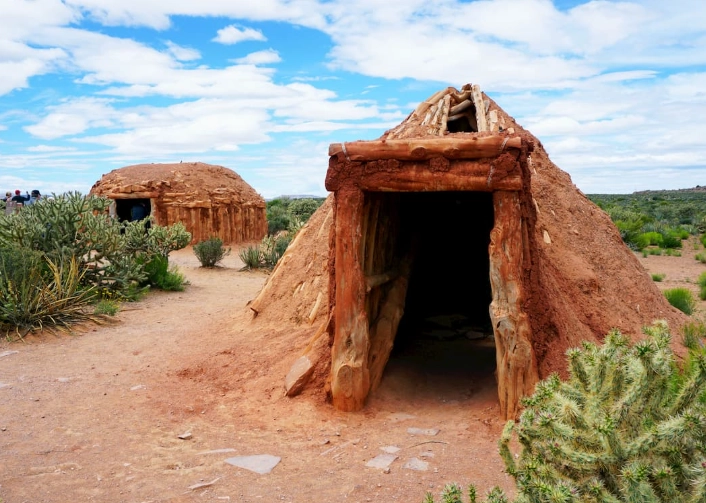
Then came the mid-1800s. American expansion, mining, and the railroad led to violent conflict, known as the Hualapai War (1865-1870). The tribe was decimated by fighting and, more brutally, by being forcibly relocated to a barren reservation far from the Colorado River. It was a desperate, starving time. Through sheer resilience and negotiation, they managed to secure their current reservation in 1883, which, while a fraction of their original land, included crucial access to the Colorado River and parts of their canyon homeland.
That history is key. It explains why the question "Do Hualapai Indians still live in the Grand Canyon?" carries weight. Their presence today is an act of continuity and survival.
Where Exactly Do the Hualapai Live Today?
This is where a map would really help, but I'll paint the picture. The Hualapai Reservation is not a single town inside the canyon. It's a vast, mostly rural territory.
The Heart: Peach Springs
Peach Springs is the administrative capital. It's a small community (population around a thousand) that functions as the tribe's governmental and social hub. If you drive through, it feels like many small rural towns—but with a distinct cultural heartbeat. The Hualapai Tribe's official government offices are here. It's home to many tribal members, schools, and community centers. It's the nerve center.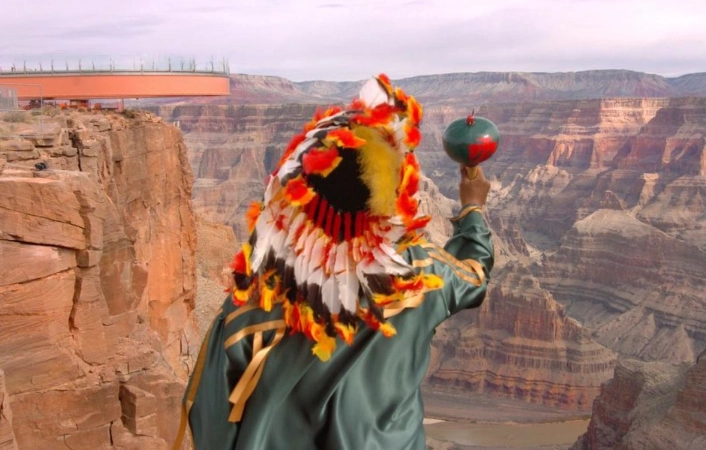
The Gateway: Grand Canyon West
This is the place most visitors interact with. Grand Canyon West is a tourist enterprise located on the Hualapai Reservation, about a 2.5-hour drive from Peach Springs. It's not part of the U.S. National Park Service's Grand Canyon National Park. It's Hualapai land. And here's something important: while it's a major employment center for tribal members, it's not primarily a residential area. Tribal members work here as guides, managers, entertainers, and maintenance crews, often commuting from Peach Springs or other communities. So, do Hualapai Indians still live and work in the Grand Canyon area at Grand Canyon West? Every single day.
Other Communities and the Land Itself
Smaller communities like Valentine and Nelson are home to Hualapai families. And then there's the land itself. Many tribal members maintain strong connections to specific family areas, springs, and hunting grounds scattered across the reservation's canyons and plateaus. Living "in" the Grand Canyon, for the Hualapai, isn't just about a street address; it's about a relationship with a living landscape.
| Location | Role & Description | Hualapai Residential Presence |
|---|---|---|
| Peach Springs | Tribal capital, government center, main residential community. | Primary residential area. Home to most tribal government functions and community life. |
| Grand Canyon West | Major tourist destination featuring the Skywalk, helicopter tours, and rim viewpoints. | Primarily a workplace. Many Hualapai work here, but few live on-site permanently. It's an economic hub on their land. |
| The Hualapai Reservation (general) | 1 million acres of land including 108 miles of Colorado River frontage. | Distributed presence. Families live in smaller communities and maintain ties to remote ancestral areas. |
More Than a Home: A Living Culture
Answering "Do Hualapai Indians still live in the Grand Canyon?" is about more than geography. It's about culture. And that culture is vibrantly alive.
The Hualapai language, a Yuman dialect, is actively taught in the local schools and through tribal programs. While English is dominant, there's a concerted effort to keep the language alive. You might hear greetings or words in Hualapai around Peach Springs.
Traditional arts are stunning. Hualapai basket weaving is world-renowned. Using willow, martynia (devil's claw), and other plants gathered from their land, weavers create intricate, durable baskets that are both art and utility. Beadwork is another vibrant tradition, often featuring geometric patterns and bright colors. These aren't just museum pieces; people still make and use them.
Then there's the food. While modern groceries are available, traditional foods remain important. Gathering pine nuts, hunting game like deer and elk, and using native plants are practices that connect people directly to the land. It's subsistence, but it's also culture and identity.
Storytelling and oral history are the bedrock. Elders pass down stories that explain the origins of the canyon, the river, and the people themselves. These stories aren't fairy tales; they're a moral and historical guide, embedding the landscape with meaning. The canyon isn't just a pretty view; it's a character in their story.
So, you're wondering, how does this culture translate for a visitor? It's not always on overt display in everyday street life, which can look quite ordinary. But if you know where to look—or better yet, if you engage respectfully—you can see it. It's in the annual Hualapai Nation Fair & Rodeo in Peach Springs, a huge celebration with dancing, singing, rodeo events, and a parade. It's in the small cultural displays. It's in the way a guide might point to a rock formation and tell you its Hualapai name and story.
Visiting Hualapai Land: What You Need to Know
If you want to see for yourself and understand the context of the question "Do Hualapai Indians still live in the Grand Canyon?" visiting is an option. But it's crucial to do it right.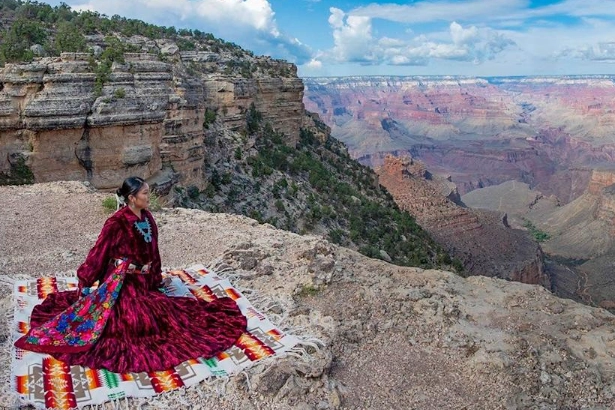
Grand Canyon West: The Tourist Experience
This is the most accessible point for most. You buy a package from the Grand Canyon West official website. Packages include the Skywalk (a glass bridge over the canyon), meal vouchers, and access to viewpoints. You can add on helicopter tours, boat trips on the Colorado River, and even zip-lining.
My take? The views are undeniably breathtaking. The Skywalk is an engineering marvel. But it feels more like an adventure park than a cultural immersion. The cultural elements are there—sometimes there are dance performances, craft demonstrations—but you have to seek them out. It's a business built on natural wonder first.
Beyond the Skywalk: Deeper Cultural Encounters
For a more direct answer to the cultural side of "Do Hualapai Indians still live in the Grand Canyon?", you need to dig deeper.
- Guided River Trips: The Hualapai Tribe operates river rafting trips from their section of the Colorado River. A guide from the tribe can offer perspectives on the canyon you'll get nowhere else—pointing out ancestral sites, talking about plants, sharing stories. This is arguably the most authentic way to connect the landscape and the people.
- The Hualapai Lodge: Located in Peach Springs, this tribally-owned hotel is a gateway to less-commercialized areas. They can arrange tours to places like the beautiful Diamond Creek, which leads down to the Colorado River, or to other canyon areas.
- Attend an Event: If your timing aligns, the Hualapai Nation Fair (usually in late September) is an incredible, genuine cultural immersion.
Critical Visitor Etiquette: Remember, you are on a sovereign Indian reservation, not in a U.S. national park. Respect is paramount. Follow all posted rules. Don't wander off designated paths. Photography of tribal members without permission is considered rude. Purchasing authentic crafts directly from artists (look for tags indicating the maker) supports the community far more than buying imported trinkets. This land is their home, first and foremost.
Common Questions, Straight Answers
The Heart of the Matter
So, do Hualapai Indians still live in the Grand Canyon? After all this, I hope you see the answer is a resonant, multidimensional yes.
They live there in Peach Springs, running their government and raising families. They live there at Grand Canyon West, managing a world-famous tourist attraction on their own terms. They live there on the river, guiding rafts through the currents their ancestors knew. They live there in the persistence of their language, in the coils of a willow basket, in the stories told about a specific side canyon.
Their presence is a modern reality.
It's a story of resilience. From a forced exodus to the brink of starvation, to a hard-won reservation, to building an economy from the very cliffs that define their homeland. The Hualapai relationship with the Grand Canyon isn't a relic. It's a dynamic, ongoing partnership. The canyon provides, and the people sustain it and their culture in return.
If you go, go with that understanding. You're not just visiting a scenic overlook. You're stepping into a living homeland. Look beyond the spectacle. Listen for the stories in the wind. That's where you'll find the true answer.
Reader Comments